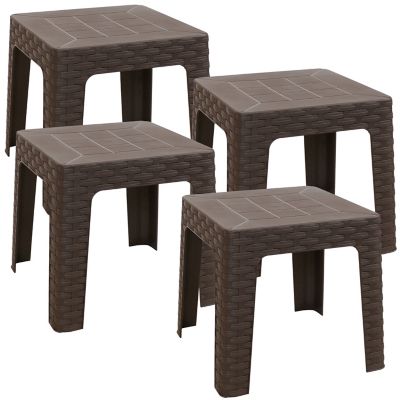
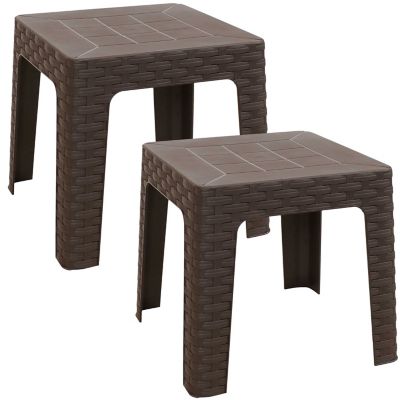
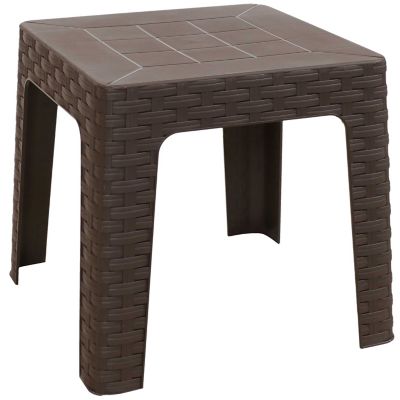
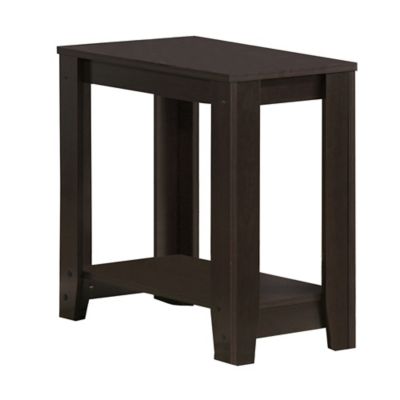
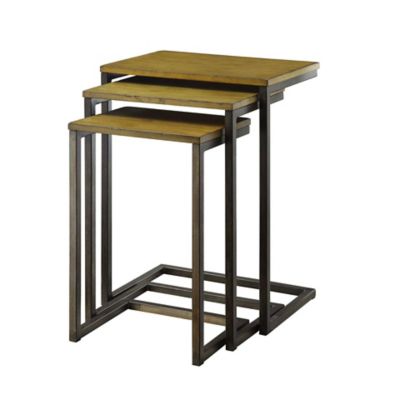
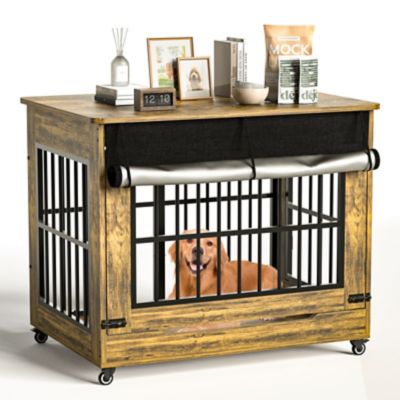
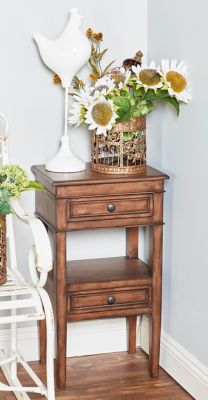
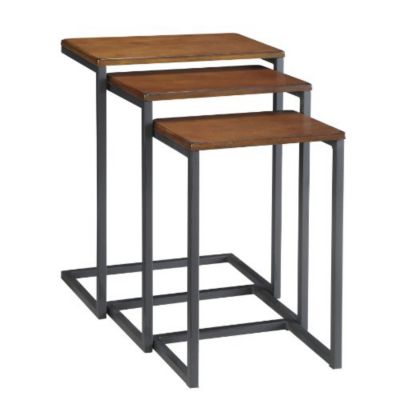
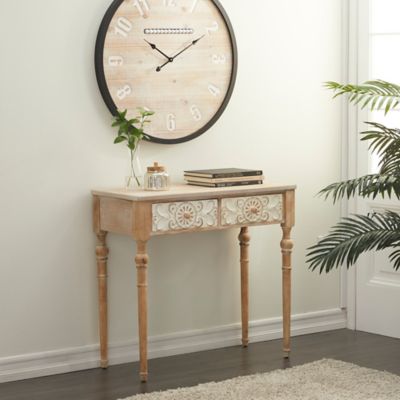
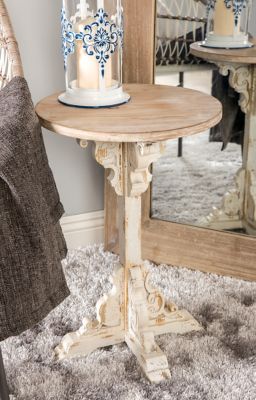
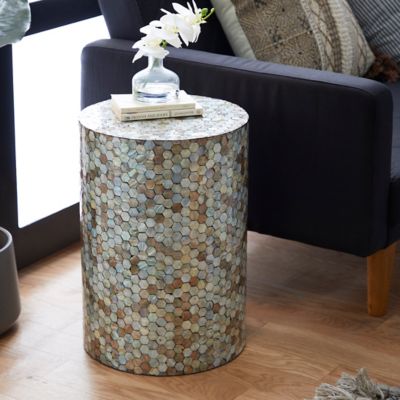
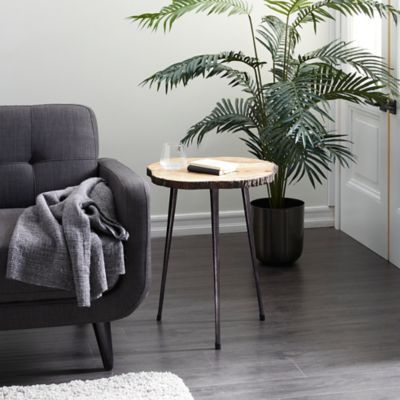
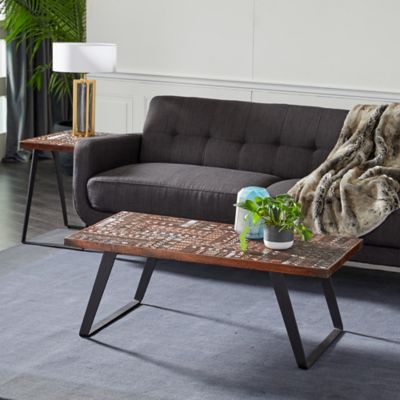
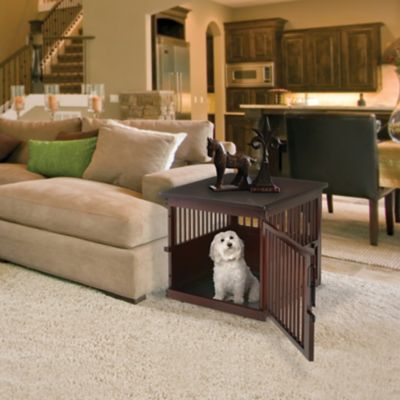
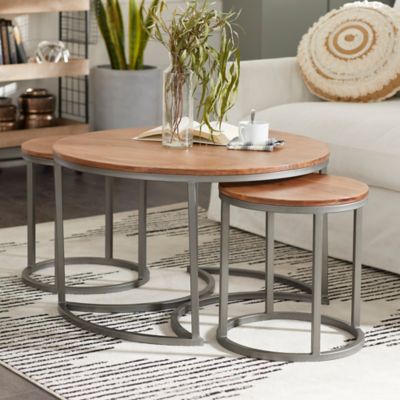
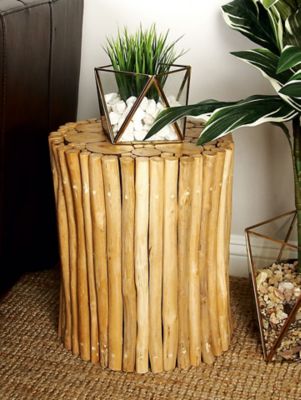
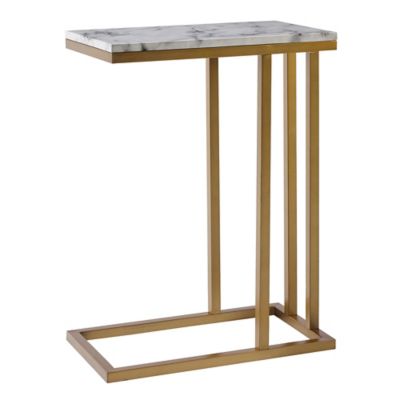
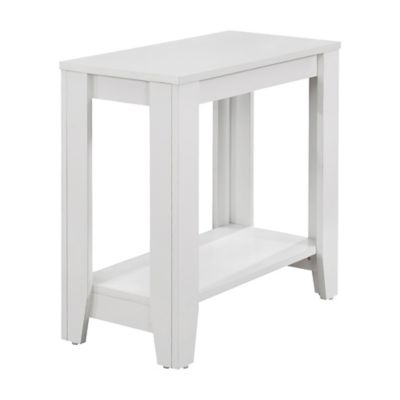
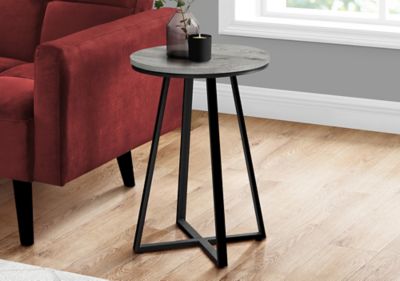
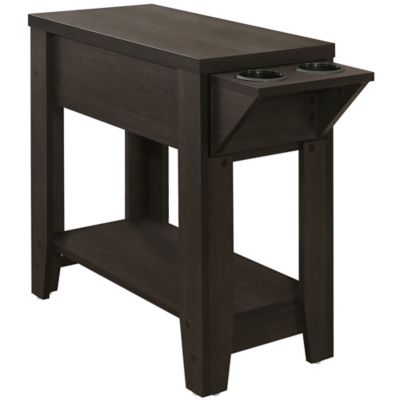
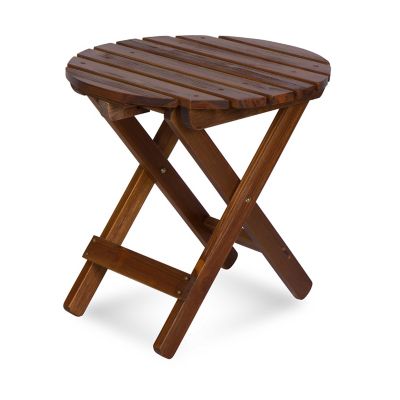
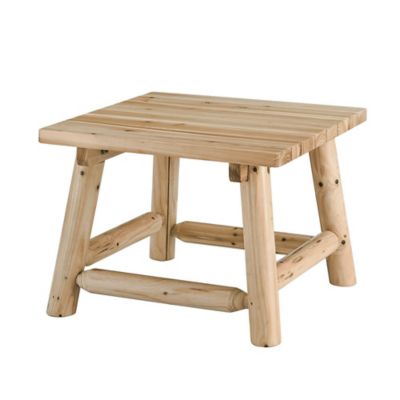
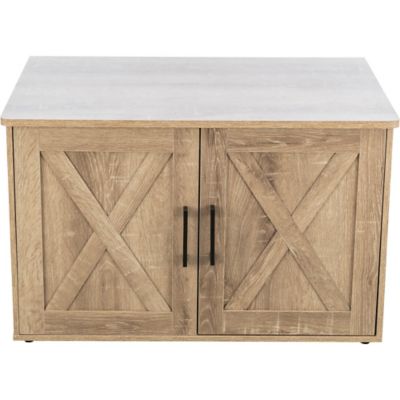
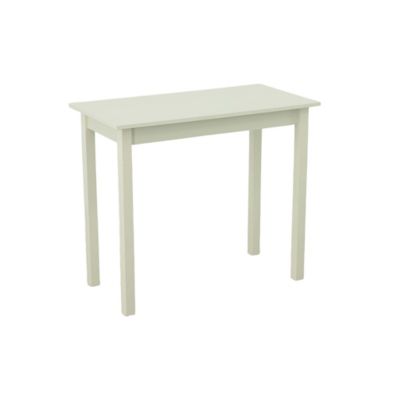
Brown end tables bring a grounded, easygoing feel to a room while giving everyday things a place to land. Beside a sofa, a favorite recliner, or a guest bed, a brown table can hold a reading lamp, a drink coaster, and the book that never quite makes it back to the shelf. The color works comfortably with leather upholstery, woven fabrics, painted furniture, and the wood tones already found in many country homes. Lighter shades of brown can keep a small sitting area from feeling crowded, while deep walnut and espresso tones add contrast against pale walls or cream cushions. Reddish browns tend to draw attention to warm colors nearby, and gray-brown finishes sit easily alongside stone, black metal, and muted fabrics. Matching every wood finish exactly isn't necessary; a shared undertone or a repeated detail, such as dark legs or a softly rounded edge, can help different pieces feel at home together. Brown end tables also span a range of looks, from simple square forms with straight legs to substantial pedestal shapes and open frames that leave more of the floor visible. A room with a large sofa and broad wooden beams may suit a table with some visual weight, while a tight corner beside an armchair often benefits from a slimmer profile. For a coordinated room without an overly matched appearance,
brown blinds can carry a similar color to the windows while allowing the table's grain and shape to stand on their own. These tables don't have to stay in the main living room, either. A compact table can make a reading corner more comfortable, give visitors a landing spot for glasses and a phone, or provide a convenient surface beside a bench in a roomy entryway. For someone settling into a first home or furnishing a guest room, an end table can make a thoughtful gift when its dimensions and finish fit the space.
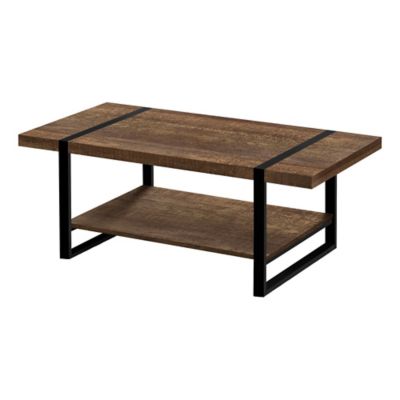
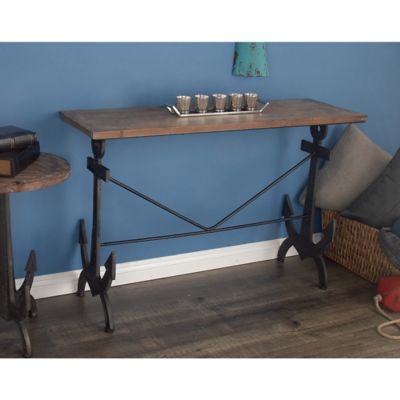
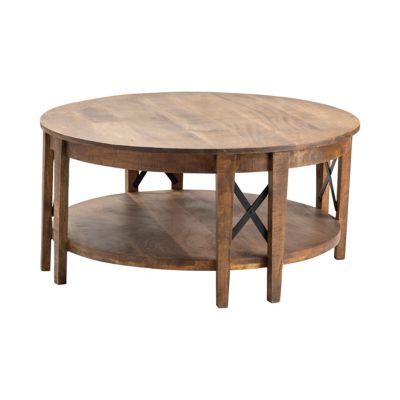
Materials and construction make a difference in how brown end tables look, feel, and stand up to everyday life. Solid wood often shows natural grain variation, knots, and changes in color that give the surface character. Depending on the finish and construction, it may also allow for refinishing down the road. Wood veneer offers a real wood surface over a supporting core, though its thin face calls for care around scratches and sanding. Engineered wood can provide a consistent appearance, but exposed edges and seams deserve attention because standing moisture may cause swelling. A brown finish doesn't always mean a table is made of wood; metal frames, laminate surfaces, and mixed-material construction each bring different care needs and visual effects. A wood-look top with dark metal legs, for example, can connect comfortably with iron hardware and other practical furnishings without adding much visual weight. For a table that will hold a heavy lamp or a stack of large books, check the stated weight capacity for both the top and any shelf. Secure joints, a steady base, and well-supported surfaces matter more than appearance alone. Storage details should suit what happens beside the seat. A drawer keeps remotes, charging cords, and reading glasses out of sight, while an open shelf makes a basket or a few books easy to reach. Open space below the tabletop can feel less crowded, though it leaves belongings more visible. In a busy family room, rounded corners may make the path past the sofa more forgiving, but no shape replaces sensible placement and supervision around children. Tall, narrow tables need particular attention to stability, especially where pets pass through or an uneven floor leaves a leg rocking. End tables are intended to support household objects, not serve as seats or steps. Keeping heavier belongings low and following the maker's load limits helps a table stay steady through the daily shuffle of a lived-in home.
Getting the fit right starts with the seat beside the table rather than the empty floor space alone. A tabletop near the height of a sofa or chair arm generally makes it easier to set down a mug without reaching too far up or down. With an armless chair, the best height depends on a comfortable seated reach and what the surface will hold. Measure the available width and depth, then leave enough room to walk past without turning sideways. A recliner needs clearance throughout its full movement, including the footrest and any side controls. Drawers need opening space, too, and a lower shelf should remain reachable once the table sits beside the furniture. Painter's tape on the floor can help show how a square, round, or rectangular footprint will affect a walkway before a table comes home. Think about the whole tabletop, not just its outside measurements: a broad lamp base may leave little room for a coaster, while a smaller lamp can preserve space for the things that get picked up and put down all evening. If cords run behind the table, keep them clear of walking paths and moving chair parts. Care is usually straightforward, but the right routine depends on the surface. A soft cloth handles routine dusting, and spills are best blotted promptly rather than left to settle around edges or hardware. Coasters and protective pads help limit water rings, heat marks, and scratches from rough-bottomed objects. Follow the manufacturer's cleaning directions before applying polish or cleaner, since a treatment suited to one finish may leave another cloudy or slick. Lift a table when moving it instead of dragging it across the floor, and check fasteners occasionally if the construction allows tightening. With the right proportions, useful storage, and a finish that fits daily habits, brown end tables earn their place quietly—keeping necessities close and helping a sitting area feel comfortable without getting in the way.