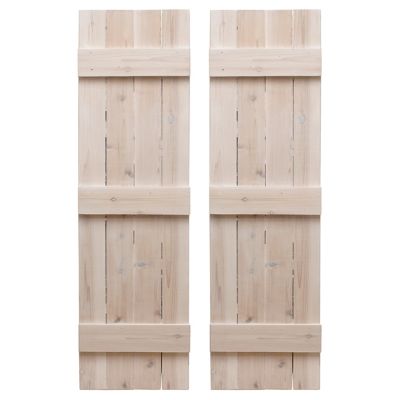
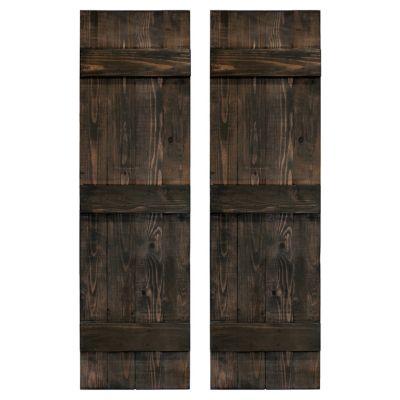
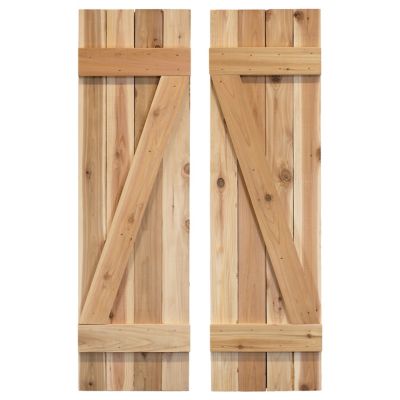
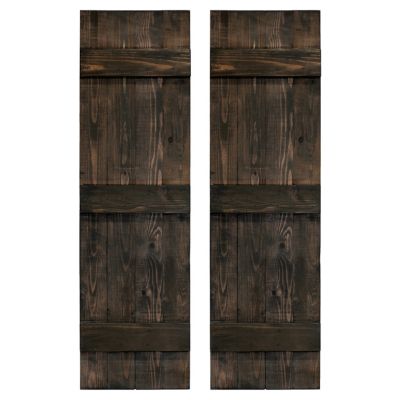
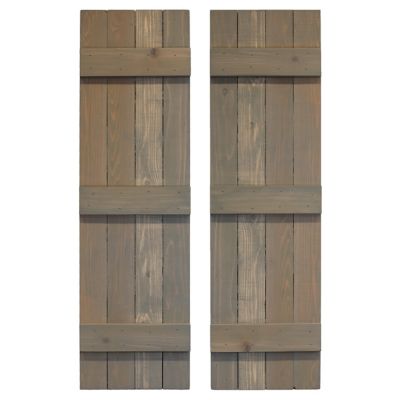
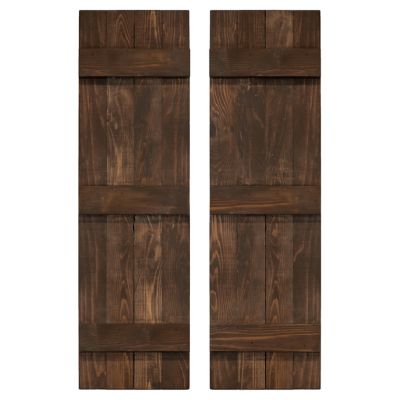
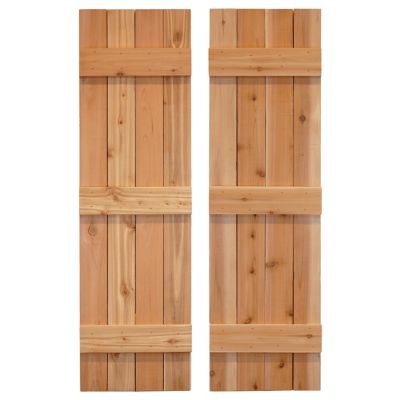
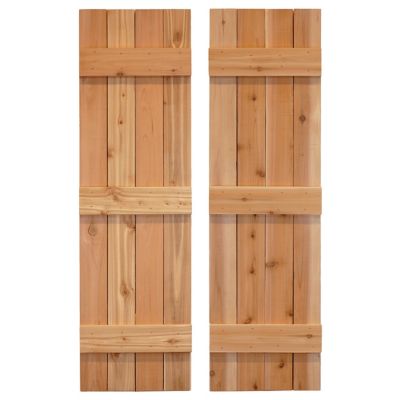
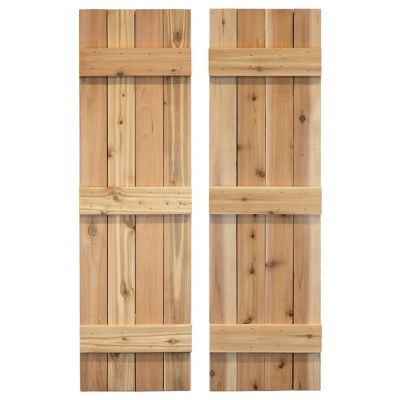
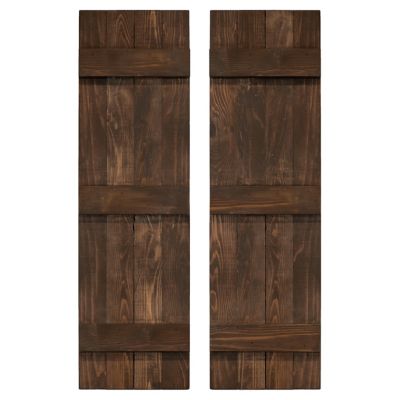
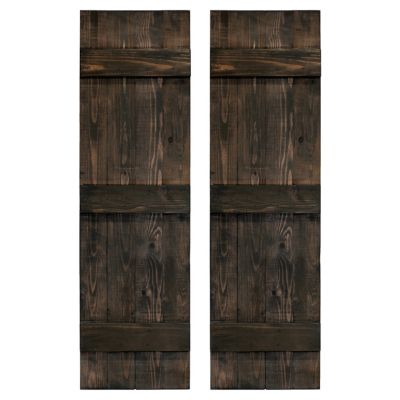
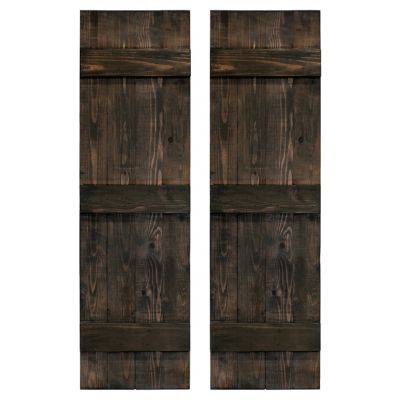
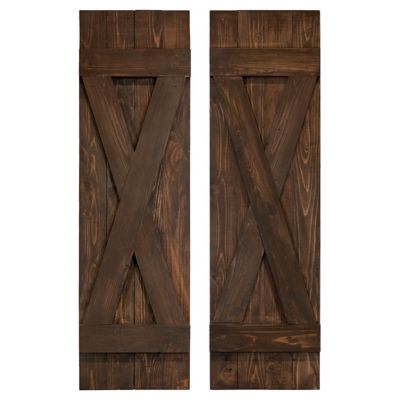
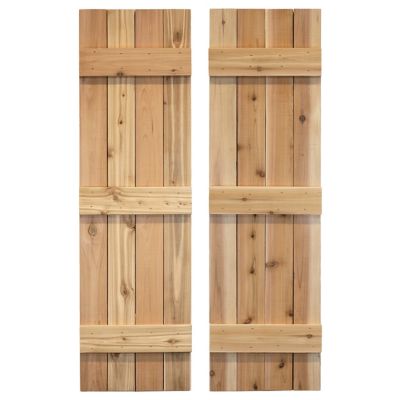
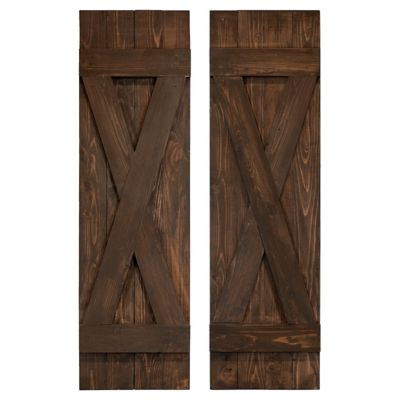
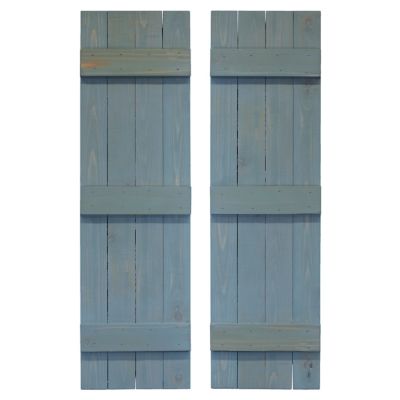
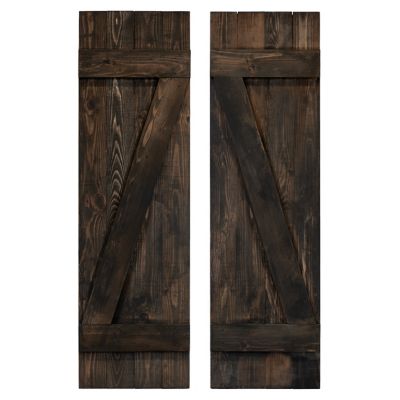
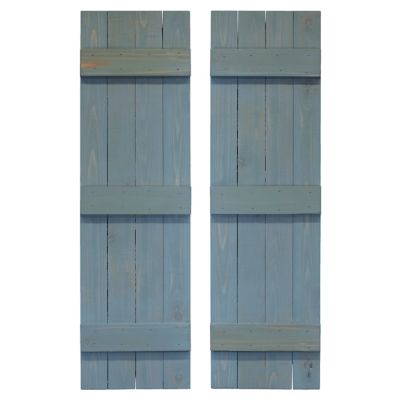
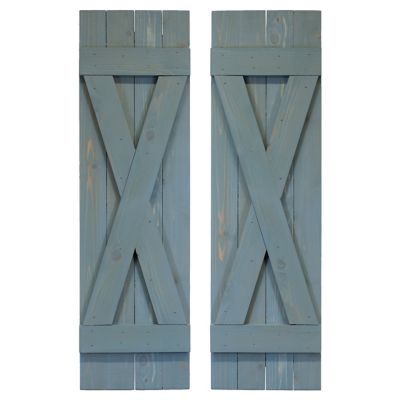
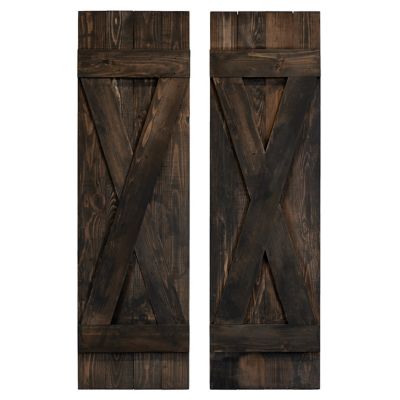
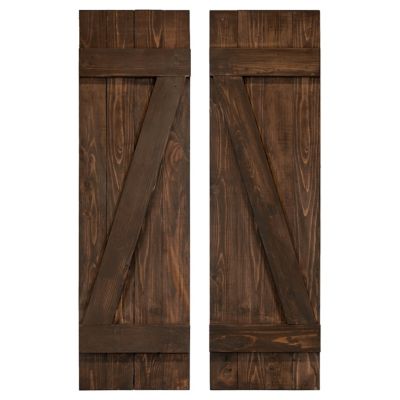
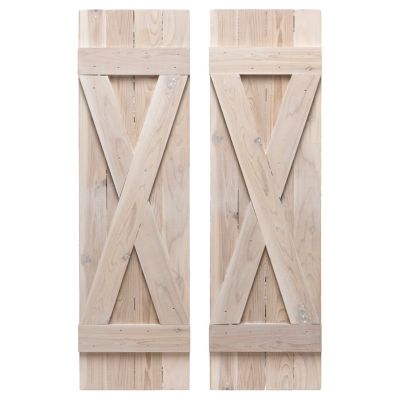
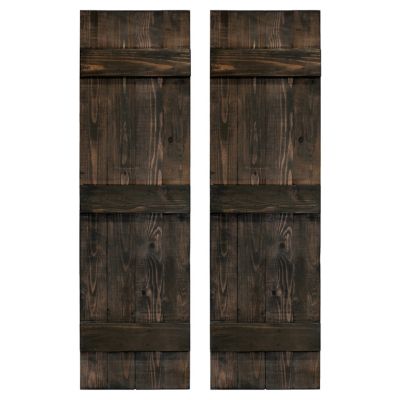
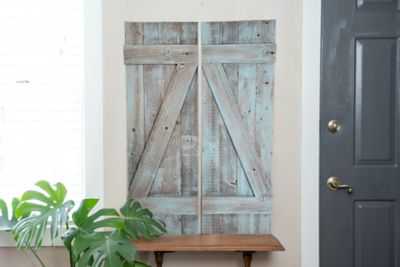
Board and batten shutters with hardware bring a sturdy, time-tested look to the outside of a home, garage, shed, workshop or outbuilding. Their simple vertical boards and horizontal battens fit right in with farmhouse, cottage, Craftsman and country-style homes, while the right hinges, pintels, shutter dogs and fasteners add the finished detail that makes the whole setup look intentional. Some shutters are made for decorative surface mounting, giving a window the appearance of traditional working shutters without opening and closing. Others are built for functional use, with operational hardware that lets the shutters swing outward and fold back against the wall when the weather is pleasant, then close over the window when you want extra shade, privacy or a little more protection from wind and flying debris. Materials play a big part in the look, upkeep and long-term value. Lightweight vinyl or polypropylene shutters are easy to handle and typically need very little maintenance, making them a practical choice for quick exterior updates. Wood shutters offer the natural grain, weight and character many folks want for a porch, farmhouse or older home, and unfinished options can be painted or stained to match trim, doors and outbuildings. For a wood-look finish with added resistance to warping, cracking and rot, composite or urethane construction may be worth considering, especially on elevations that take a steady beating from sun, rain or changing temperatures. For another wood-focused option, browse
Unfinished Wood Exterior Shutters and choose a finish that suits your place.
Before choosing board and batten shutters with hardware, measure carefully and decide whether the shutters are meant to be decorative or truly operational. Measure the window opening from top to bottom and side to side, then note the surrounding trim, siding, brick, stone or other mounting surface. Decorative shutters are often sized to look proportional to the window rather than cover it, and they may use hidden fasteners, clips or direct-mount screws. Working shutters need enough width to cover the window when closed, plus clearances for hinges, siding and nearby trim. A pair is generally sized so each shutter accounts for about half of the opening, though the exact fit depends on the window frame and the shutter design. Hardware also deserves a close look. Strap hinges and pintels create the traditional working-shutter appearance, while surface-mounted dummy hinges can deliver the same old-country character without requiring moving parts. Shutter dogs, sometimes called tiebacks, hold open shutters against the wall and add a small but noticeable historic touch. Look for hardware suited to exterior use, such as powder-coated metal or another finish designed to handle moisture and sunlight. Match the hardware finish to porch lights, door hardware, mailbox accents or fencing for a pulled-together look. Fasteners should be appropriate for the mounting surface; exterior screws for wood, masonry anchors for brick or block and the proper siding-safe approach for vinyl or other cladding help prevent loose hardware and unwanted damage. A level, drill, tape measure and a second set of hands can make installation much smoother, especially when positioning a long shutter beside an upper-story window.
These shutters are a good fit for homeowners refreshing curb appeal, landlords updating rental properties, and do-it-yourselfers adding character to a barn, garden shed, pool house or detached garage. They can also make a thoughtful housewarming gift for someone settling into a rural home, restoring an older place or putting the finishing touches on a new workshop. Painted shutters in a classic neutral can blend quietly with existing trim, while a deeper color can frame a window and give a plain exterior more presence. During the warmer part of the year, they can help add shade and give porches, guest houses and sunny rooms a more comfortable feel; during cooler, stormier weather, functional shutters can be closed for an added layer between the glass and the elements. Keep in mind that decorative shutters are primarily an appearance upgrade and should not be counted on for storm protection or security unless they are specifically designed and installed for those purposes. Wood may need occasional repainting, staining or sealing, while composite and synthetic materials generally call for simple cleaning with mild soap and water. Check hinges and mounting screws from time to time, especially after strong winds, and clear dirt from moving parts so hardware continues to work properly. With the right size, material, finish and mounting method, board and batten shutters with hardware can give a home that welcoming, settled-in look that feels just as natural beside a gravel drive or wraparound porch as it does on a neat suburban exterior.