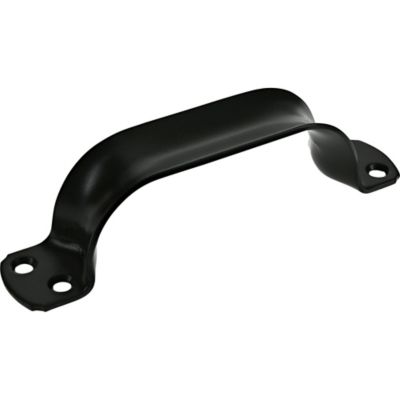
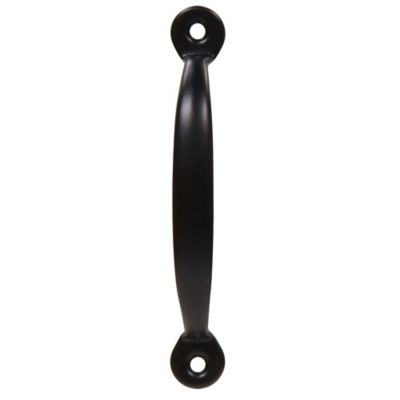
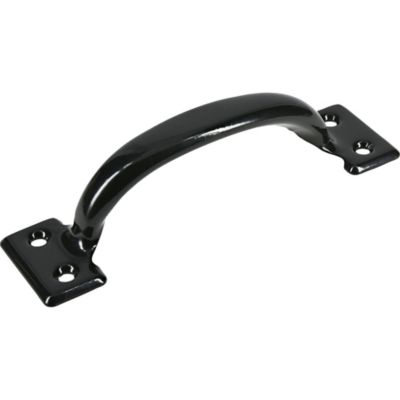
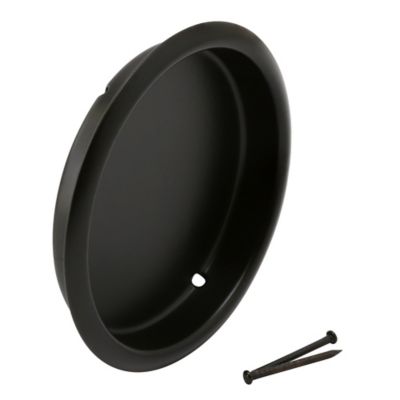
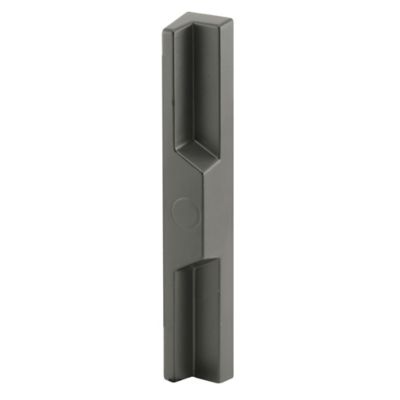
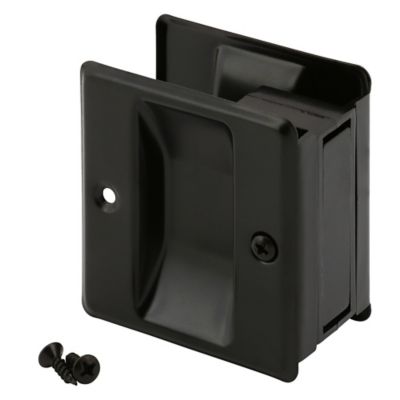
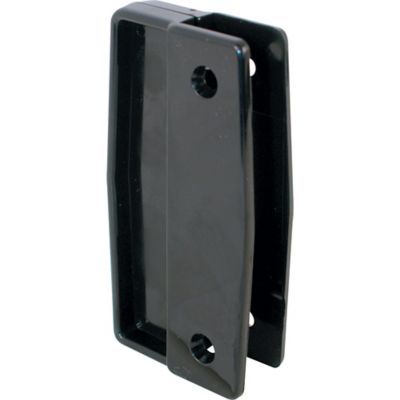
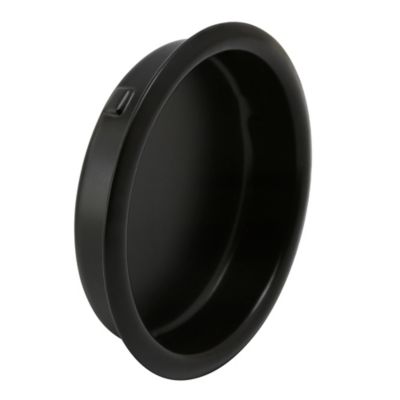
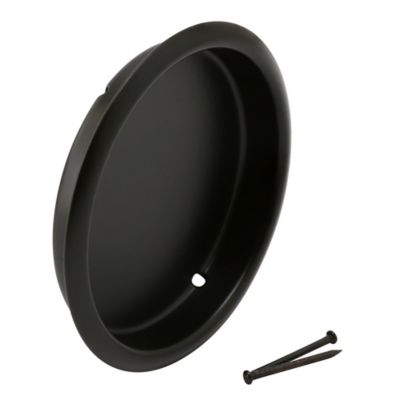
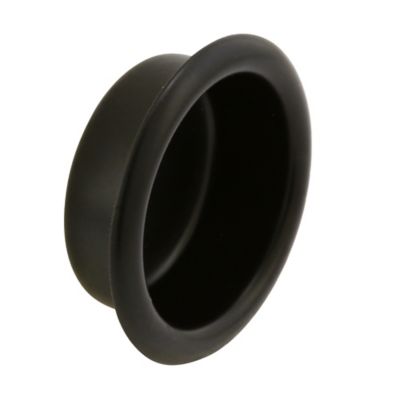
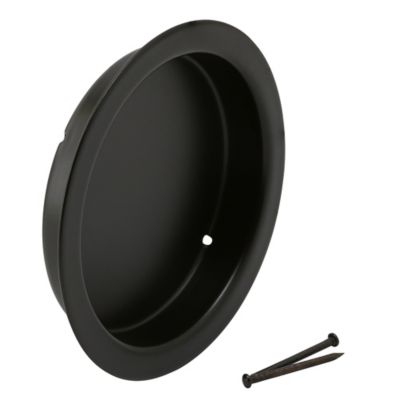
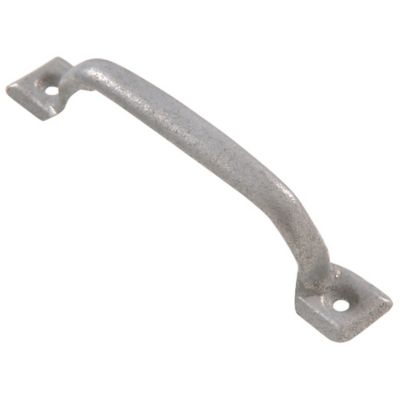
Black pulls are cabinet and drawer handles with a dark finish, bringing a clean, grounded look to kitchens, bathrooms, mudrooms, and workspaces. They give hands a firm place to grip while adding contrast to painted cabinets, natural wood, and metal storage. Against white cabinet fronts, black hardware stands out clearly; on oak, pine, or walnut, it picks up darker grain and knots without hiding the wood’s character. On dark cabinetry, the effect is quieter, with the handle’s shape doing more of the visual work. Common finish descriptions include matte black, flat black, brushed black, and black bronze, though the appearance can vary by manufacturer. Matte and flat finishes generally reflect less light, brushed finishes may show a directional texture, and black bronze can carry warmer brown undertones. Those differences matter when pulls sit near faucets, hinges, lighting, or door handles. Two finishes with “black” in the name may not look identical side by side. Shape makes just as much difference as color. Straight bar pulls suit simple cabinet fronts and offer an open grip, while curved handles soften the look of a room. Cup pulls have a covered profile that works well on drawers, and low-profile pulls keep the hardware closer to the cabinet face. A kitchen with broad drawers full of pots calls for a different grip than a small bathroom vanity or a shallow drawer holding keys. In a busy farmhouse kitchen, a comfortable handle earns its place every time someone reaches for a skillet, dish towel, or sack of flour. Black pulls can also help connect rooms without making every cabinet look the same: a similar finish can carry from the kitchen to the laundry room, while different handle shapes suit the work happening in each space. The result is practical hardware that feels at home alongside hard-working counters, wood floors, and everyday household gear.
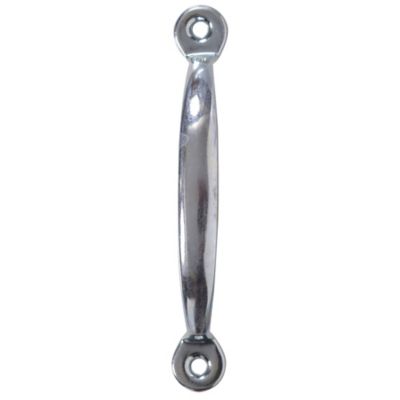
Fit starts with the mounting pattern, not just the handle’s overall length. For a pull with two mounting screws, center-to-center spacing is the distance between the centers of its screw holes. That measurement determines whether a replacement lines up with existing holes. Common spacings include 3 inches, 3-3/4 inches, and 5 inches, along with other inch and metric dimensions. Overall length includes any portion of the handle extending beyond those holes, so two pulls with the same mounting spacing can still have noticeably different proportions. A longer bar may look balanced on a wide drawer but crowded on a narrow cabinet stile. Projection—the distance the handle extends from the cabinet face—also affects everyday comfort. Enough clearance behind the grip makes room for fingers, while a handle that sits too far out may catch a pocket or apron in a tight walkway. Rounded ends and smooth edges can make a difference beside the sink, where people often lean against the counter. Cabinet doors near walls, corner drawers, and neighboring handles need room to open without bumping. Screw length matters, too, because drawer fronts and cabinet doors vary in thickness. Hardware needs secure attachment without a screw bottoming out inside the handle or extending where it should not. On a replacement project, the base of a new pull may cover old impressions, but it will not necessarily hide worn finish, extra holes, or marks left by a differently shaped handle. Matching hole spacing is only part of a good fit. Drawer weight and frequency of use also deserve attention: a deep drawer holding cast-iron cookware puts more demand on its handles than a small drawer of napkins. Wider drawers may work well with a longer pull or a thoughtfully spaced pair, depending on the cabinet construction. For households with stiff fingers or limited hand strength, a grip with generous clearance may be easier to manage than a small knob, though comfort depends on the person and the handle’s dimensions.
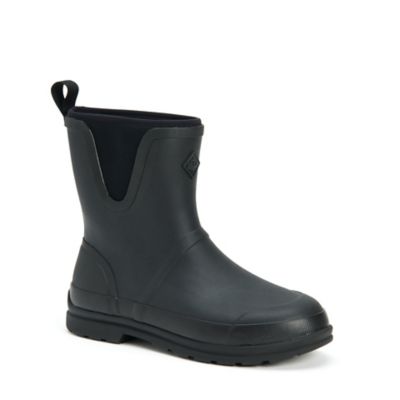
Materials and finish construction influence how black pulls feel in the hand and how they hold up to daily use. Steel, zinc alloy, aluminum, brass, and iron are among the materials found in cabinet hardware, with differences in weight, construction, and resistance to corrosion. A black surface may come from paint, powder coating, plating, or another finishing process; the color alone does not identify the underlying metal or its performance. Solid and hollow construction can also change the feel without being obvious from a photo. In a laundry room or bathroom, moisture resistance deserves a close look, especially around sinks where splashes can linger at the mounting points. In a shop cabinet, secure fastening and a comfortable grip may matter most when drawers hold tools or other heavy contents. Hardware should match the setting described by its manufacturer; indoor cabinet pulls are not automatically suitable for outdoor gates, exposed storage, or lifting loads. Care is usually straightforward, but the finish instructions should have the final say. A soft cloth, mild soap when appropriate, and prompt drying can help clear away cooking residue, handprints, and dust. Abrasive pads, harsh cleaners, and prolonged contact with moisture may damage some coatings. Textured or brushed surfaces can collect residue differently from smooth ones, and frequently handled edges may show wear over time. Checking for loose mounting screws helps keep handles steady and limits movement against the cabinet face. Beyond kitchens and baths, black pulls fit naturally on mudroom storage, laundry cabinets, and a sturdy bench with drawers for socks, gloves, and boot-care supplies. A spot to sit while pulling on
men’s black pull-on boots, with small essentials tucked into easy-reaching drawers, makes that entryway work harder without much fuss. Across these spaces, the best match comes down to comfortable handling, suitable construction, the right measurements, and a finish that belongs with the surfaces around it.