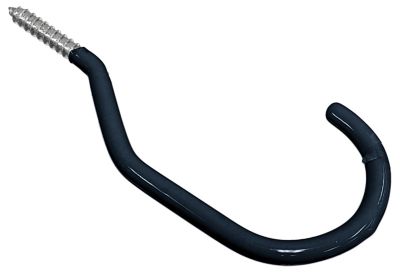
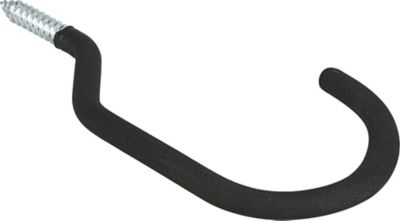
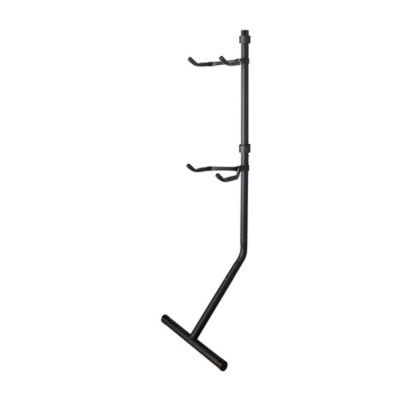
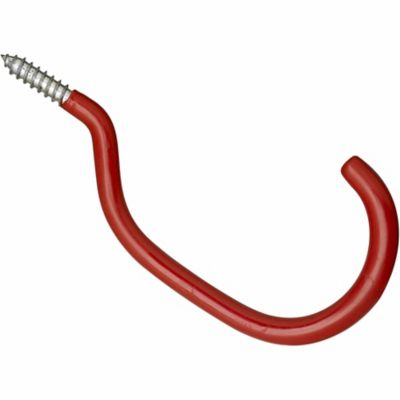
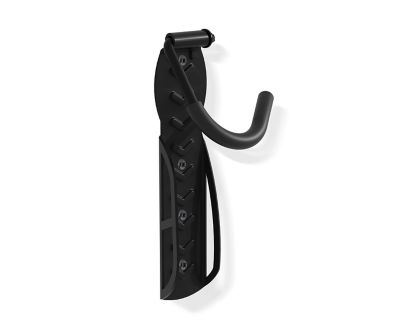
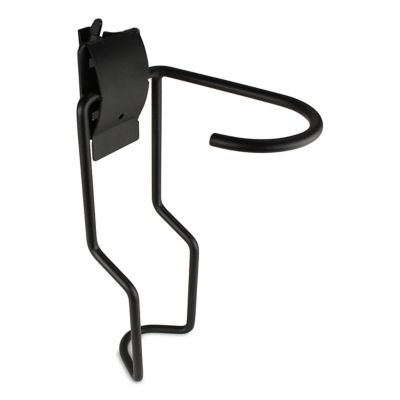
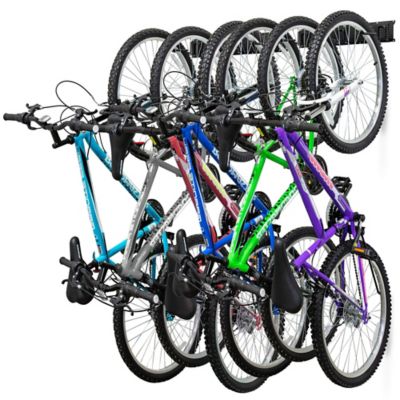
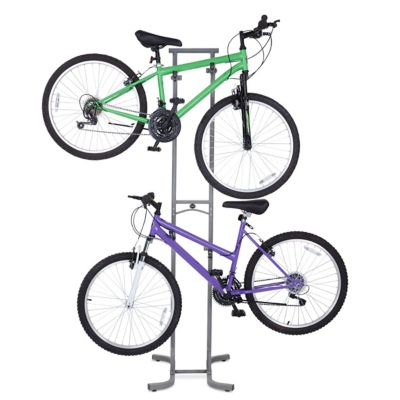
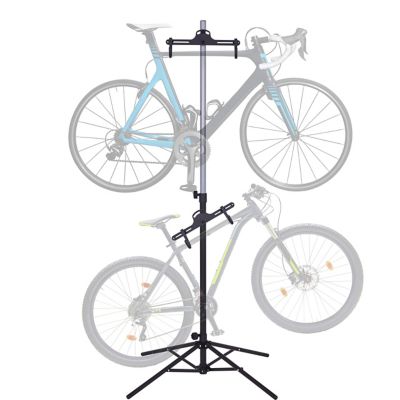
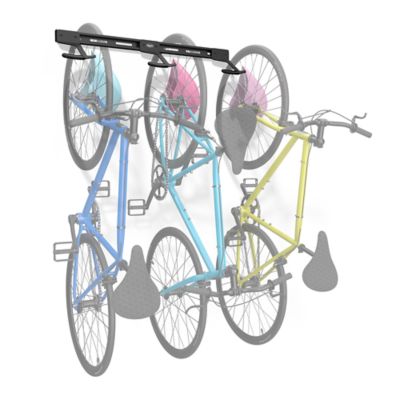
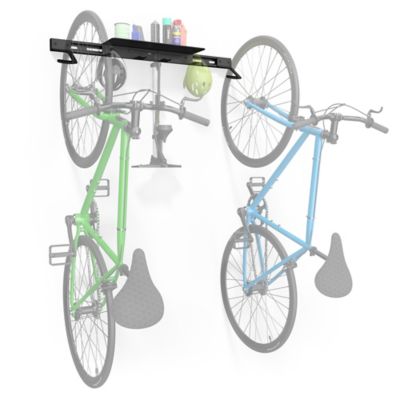
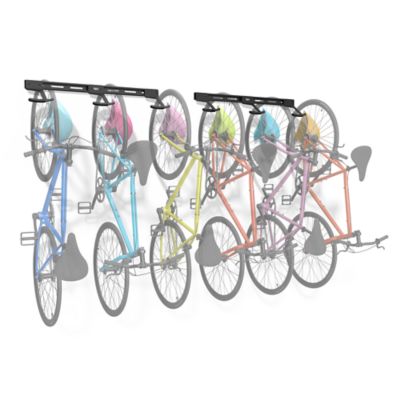
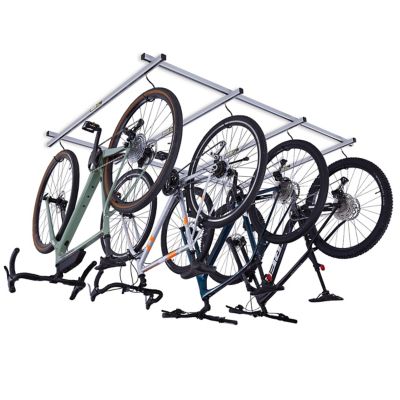
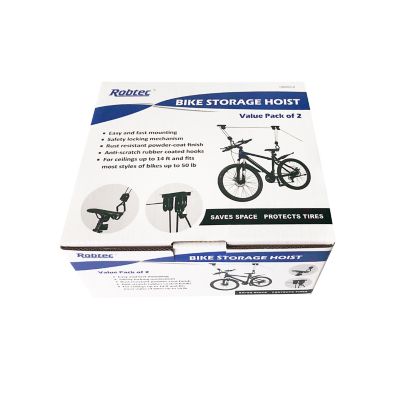
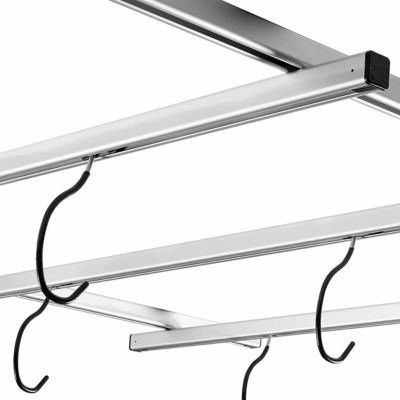
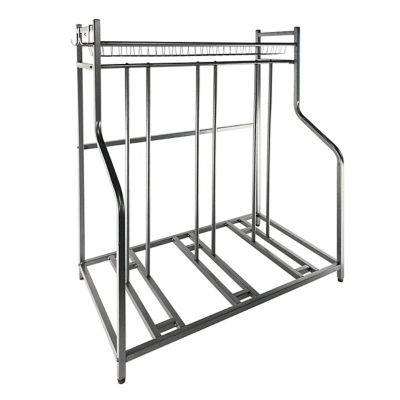
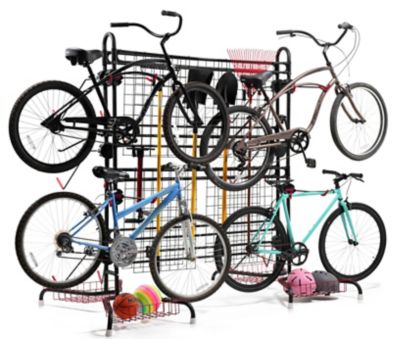
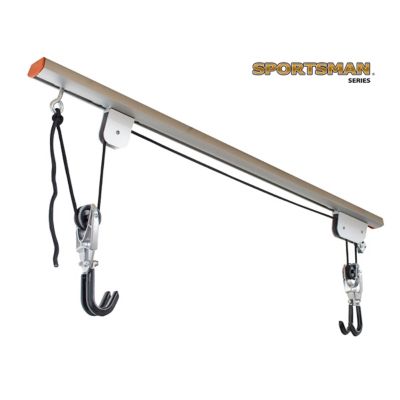
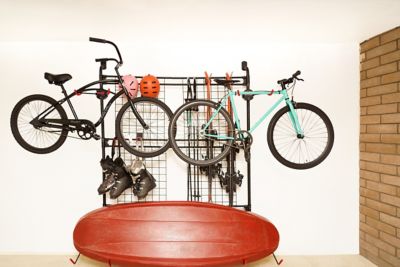
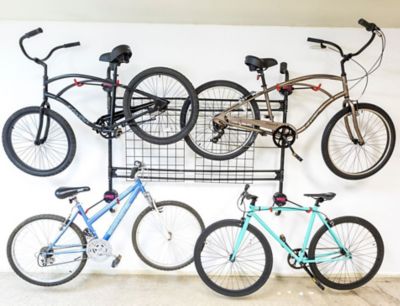
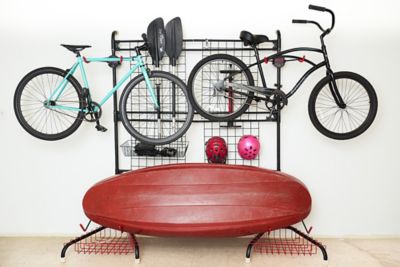
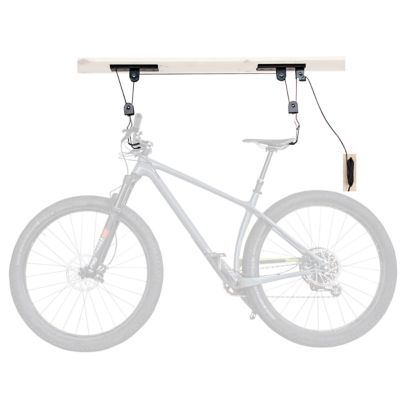
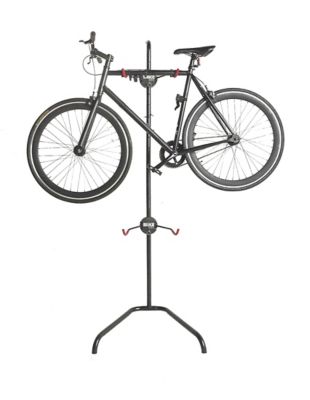
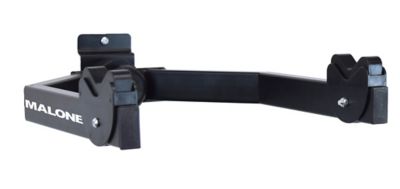
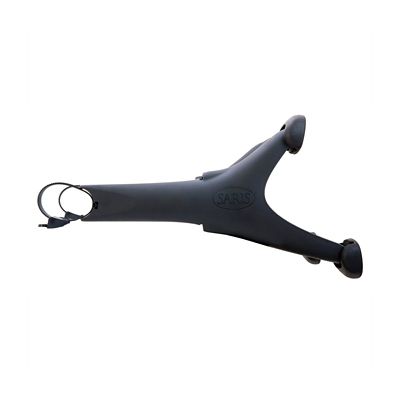
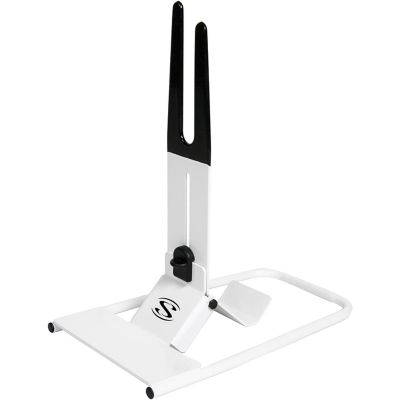
Bike hooks for garage storage give bicycles a place off the floor, leaving more room for the truck, mower, workbench, and everyday foot traffic. Instead of leaning bikes against a wall where handlebars catch jackets and pedals crowd the walkway, a hook setup keeps them in a more orderly spot between rides. The main styles include screw-in hooks for suitable wood framing, wall-mounted hooks secured with mounting plates, ceiling-mounted hooks, and hooks that attach to a compatible storage rail. Vertical arrangements generally hold a bicycle by one wheel, while horizontal arrangements support it alongside the wall at designated contact points. Some vertical designs let the lower tire stay on the floor; others hold the whole bike clear of it. That difference matters in a garage where a riding mower needs a clear parking space or a younger rider needs help lifting a bicycle. Simple screw-in styles can make sense for a small number of bikes and a suitable mounting surface, while rail-mounted systems offer more flexibility for spacing several bicycles when the system allows adjustment. The best fit depends on bicycle weight, tire width, wheel size, mounting surface, and how often someone needs to take the bike down. A narrow road tire and a wide mountain bike tire need different amounts of room inside the hook, and a heavier electric bicycle calls for particular attention to both load limits and lifting effort. For households weighing individual hooks against other storage arrangements,
Garage Bike Racks offers a related category to consider. Hooks are especially practical where wall space can take over a job the floor no longer has room for. They can keep a weekend trail bike near the garage entrance, separate the kids’ bicycles from yard tools, or hold a seldom-ridden bicycle out of the main traffic lane during the cooler months. Storage that matches the way a household actually rides is easier to keep orderly than a setup that makes every trip outdoors a wrestling match.
Materials and construction make a real difference in how bicycle storage hooks handle their job. Steel is common because it provides strength in a relatively compact shape, while protective finishes help limit corrosion in garages that see damp tires, muddy gear, and changing temperatures. Rubber or vinyl coverings cushion the contact area between the hook and the bicycle, helping reduce scratches when the bike goes up or comes down. A smooth coating matters, but so does the shape beneath it: the hook opening, curve, and depth all need to suit the part of the bicycle being supported. Wide tires need enough clearance to settle into place without being forced, and deep-section rims or specialty wheels may have storage restrictions from their manufacturer. Wheel-hanging arrangements should match the bicycle and wheel makers’ recommendations, particularly for carbon components, fenders, and other parts that could interfere with the hook. A coating alone does not make every hook suitable for every bicycle. Weight ratings deserve the same close attention. The stated capacity may apply to one hook, a pair of supports, or an entire rail assembly, so those figures are not interchangeable. The bicycle’s storage weight includes anything that stays attached, such as a rack, basket, lock, or loaded bag. An electric bicycle may need a higher-capacity arrangement than a lighter pedal bicycle, along with a position that does not require an awkward overhead lift. Mounting hardware and the supporting structure are part of that load-bearing setup, too. Wood studs, masonry, and finished walls call for different fastening methods, and drywall by itself is not a structural mounting point. A hook’s rating does not establish what the wall or ceiling can carry. Manufacturer instructions should specify suitable surfaces, fasteners, and installation requirements. In a working garage, that connection deserves as much attention as the hook itself, especially where people walk or park beneath stored equipment. Ceiling storage also needs clearance from lights, garage door tracks, and the full travel of the door.
Fit extends beyond whether a tire slips into a hook. Handlebars, pedals, saddles, and accessories determine how much space a hanging bicycle takes up once it is against the wall. A row of bikes can look tidy on paper but become frustrating when one handlebar traps the next bike in place. Adjustable spacing can help accommodate different bicycle shapes, while staggered mounting heights may reduce handlebar overlap when the storage system and available space permit it. There still needs to be enough room to lift, turn, and remove each bicycle without scraping a vehicle or knocking into a shelf. Horizontal storage can keep a bike closer to the wall, although it generally takes more wall width than a vertical arrangement. Vertical wheel storage trades some of that width for height and projects into the room, so the garage layout matters as much as the number of bicycles. Easy reach is worth considering for frequent riders, older adults, and anyone who would rather not lift a muddy bike above shoulder level after a long day. A floor-supported vertical design may reduce the lifting involved, but its suitability still depends on the bicycle and the storage hardware. Care is straightforward: dirt and grit should not build up where the hook touches a rim or frame, and damp bicycles benefit from drying before an extended stretch indoors. Occasional checks for loose hardware, bent metal, corrosion, or split protective coverings help spot trouble before the next ride. Damaged coatings can expose a rough contact surface, while movement at the mounting point may signal a fastening problem that needs attention before hanging the bicycle again. Hooks can also be a practical gift for a cyclist setting up a garage or a family making room for growing kids’ bicycles, provided the bike measurements and mounting needs are known. With a well-matched arrangement, bicycles have a steady home between gravel-road rides, trips around the neighborhood, and quieter stretches when other chores take priority.