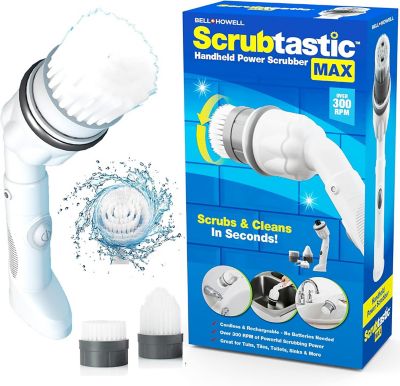
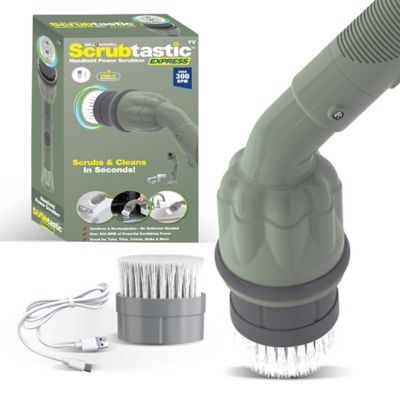
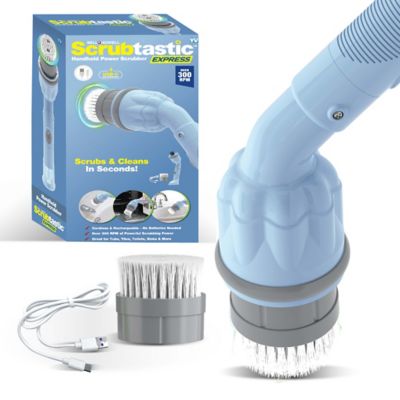
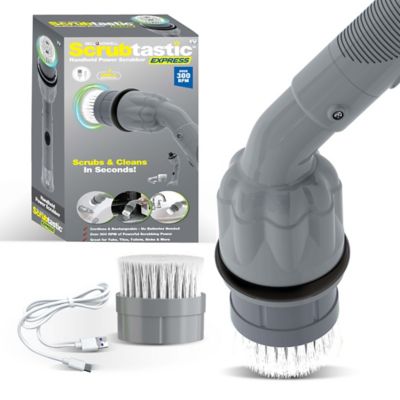
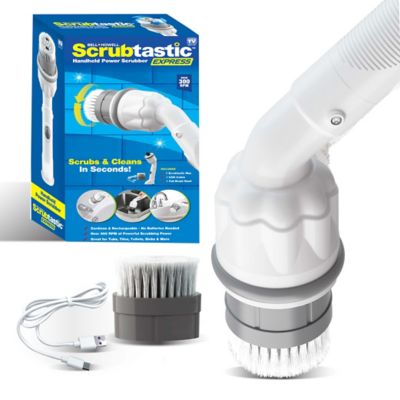
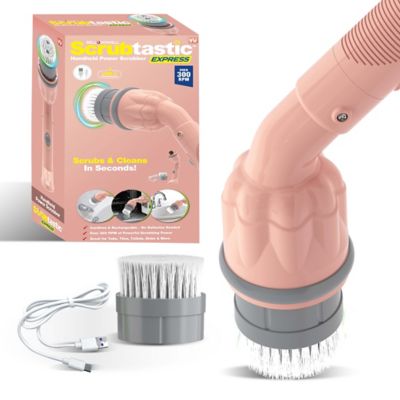
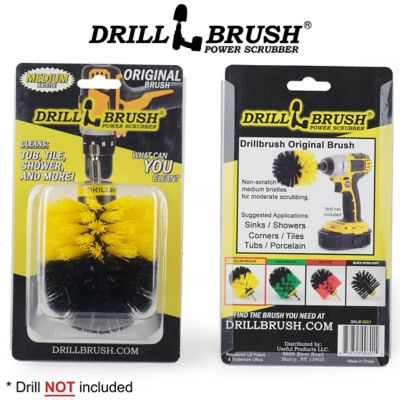
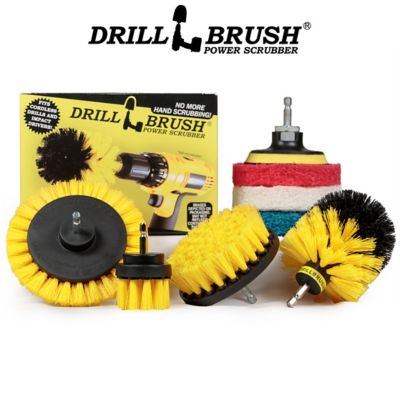
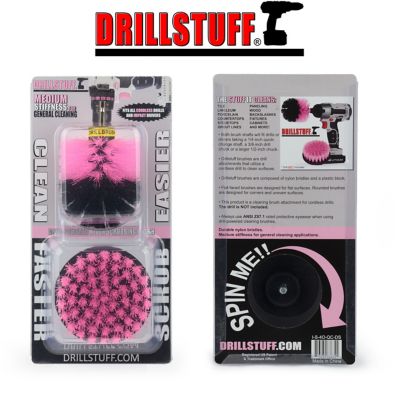
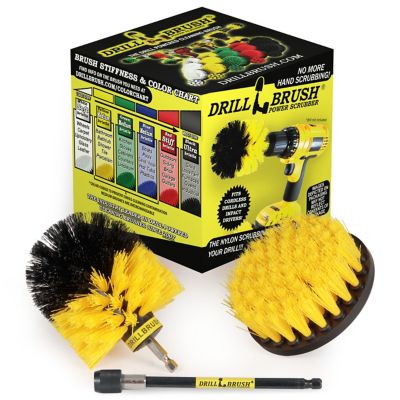
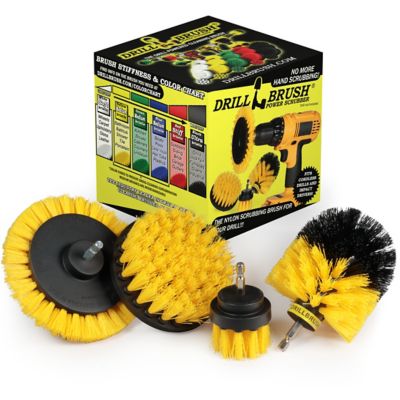
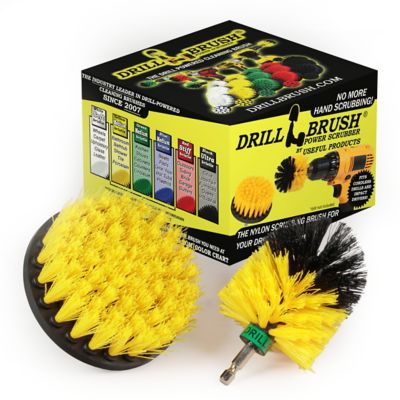
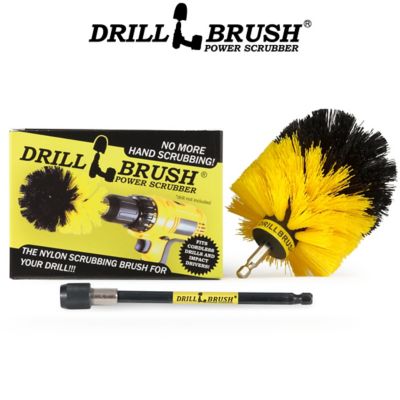
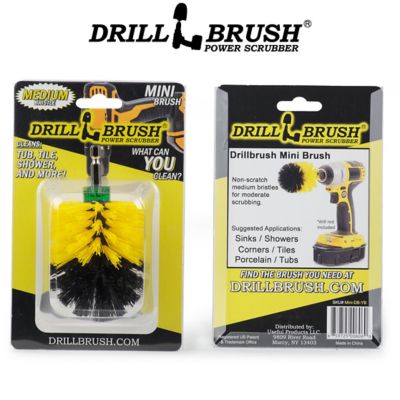
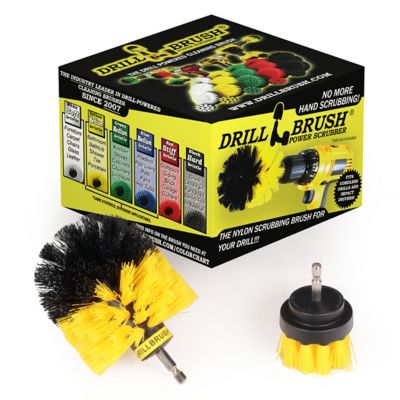
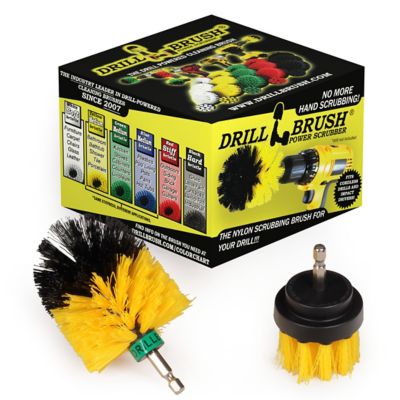
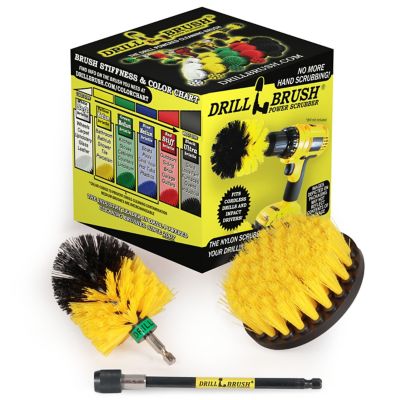
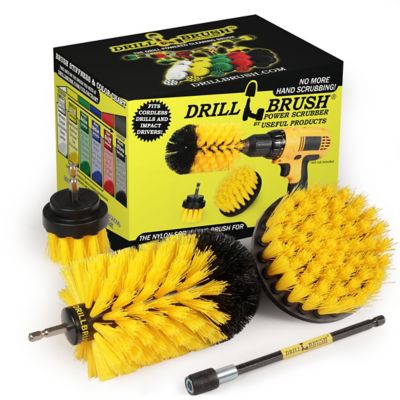
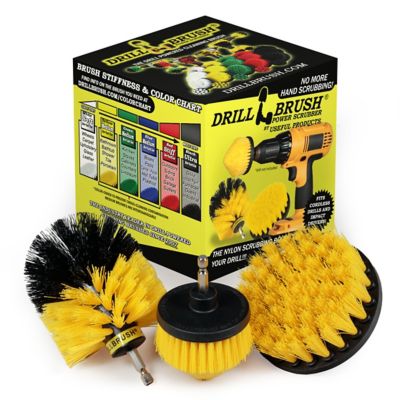
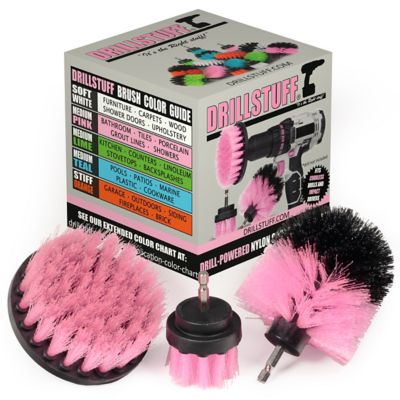
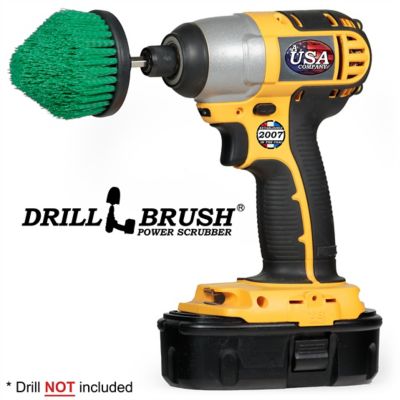
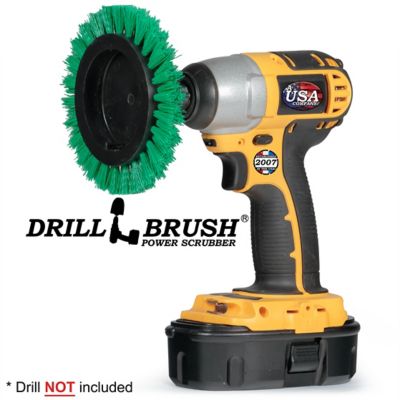
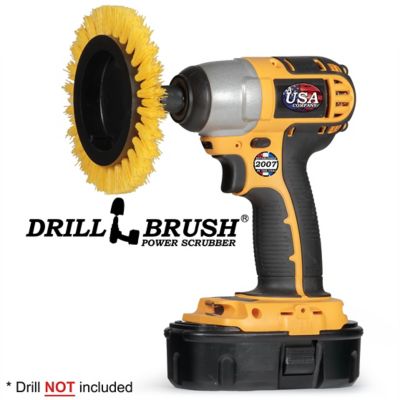
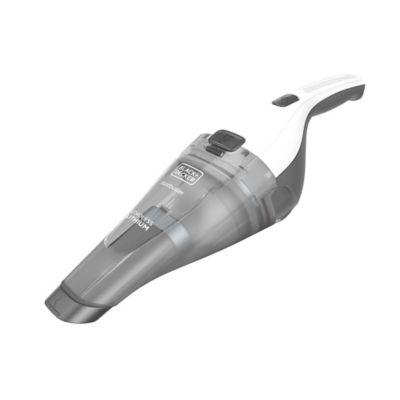
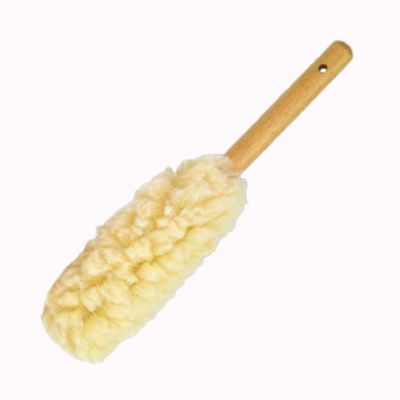
Bathroom scrubbers are brushes, pads, and powered cleaning tools that help loosen soap film, everyday grime, and buildup from tubs, showers, sinks, and other bathroom surfaces. The right shape and reach can make a real difference when tackling a ring around the tub, the narrow track of a shower door, or the corners behind a faucet. Handheld scrub brushes offer close control for small areas, while broad scrubbing pads cover flatter stretches of tile and tub wall. Long-handled bathroom scrubbers put more distance between the grip and the cleaning head, helping reach across a deep bathtub or down to the floor with less bending. Electric spin scrubbers turn a brush head, and oscillating models move the cleaning head back and forth, adding motion that can reduce repetitive hand scrubbing. Neither style replaces a surface-safe cleaner when a job calls for one, but both can help work it across the surface. In a busy household, the toughest spots are often where water, soap, and dirt settle together: around the drain, along the shower threshold, and where a tub meets the wall. A narrow brush can reach seams that a broad pad passes over, while a rounded head may follow the curve of a sink basin more easily. Flat heads generally suit open surfaces, and angled heads can help reach edges without forcing the wrist into an awkward position. Head size matters, too. A large brush may cover ground quickly but feel clumsy around fixtures; a smaller one takes more passes but offers better access. For households dealing with muddy hands after chores or grit carried in on work boots, having a scrubber matched to the mess helps keep bathroom cleanup manageable. The most useful choice is not necessarily the stiffest brush or the largest head, but the one that fits the surface, the space, and the person doing the cleaning.
Materials and surface compatibility deserve just as much attention as shape. Bathroom scrubber heads may have synthetic bristles, foam, microfiber, or nonwoven scrubbing material, and each behaves a little differently against a wet surface. Bristles reach into textured areas and shallow seams, while pads spread contact across a broader patch. Softer fibers can suit lighter cleanup on finishes that scratch easily, provided the tool is labeled for that surface. Stiffer bristles may help with stubborn grime on compatible tile, but extra stiffness is not a good match for every tub, coating, or grout joint. Acrylic and fiberglass tubs, polished fixtures, coated shower glass, and natural stone all call for particular care. Even a pad that feels soft in the hand may contain abrasive material, so its surface rating matters more than its color or appearance. A small test in an out-of-the-way spot helps check for scratching or dulling before tackling a larger area. Loose sand and grit can also drag beneath a cleaning head and mark a finish, making a preliminary rinse or pickup worthwhile. For grout lines, a slim brush provides targeted contact, though crumbling grout or damaged sealant needs attention beyond scrubbing. Hard-water deposits are another separate concern: mineral scale may need a cleaner specifically labeled for both the deposit and the underlying surface rather than harder scrubbing alone. Acidic cleaners can damage some stone and finishes, and abrasive powders may be unsuitable for certain tubs. The cleaner label and surface care directions should agree before the two meet. Around sinks and faucets, a compact head can work close to the base without knocking against handles. Along shower floors, textured surfaces may benefit from bristles that reach into the pattern instead of skimming across its high points. Toilet bowls call for their own dedicated brush, kept separate from tools for sinks, tubs, and shower walls. That separation matters more than having one attachment that seems to fit every corner.
Comfort, construction, and care help determine how a bathroom scrubber fits into the regular cleaning routine. A handle that feels secure with wet hands is easier to control, and a grip with enough room for the whole hand can be more comfortable than a narrow pinch grip. Extendable handles can help limit stooping or stretching, but the locking mechanism should hold its position under ordinary scrubbing pressure. A swiveling head may follow a wall or tub curve, while a fixed head can feel steadier on a small, stubborn patch. For someone with limited reach or reduced hand strength, overall weight and balance matter alongside handle length. A powered scrubber that feels light at waist level can feel heavier when held against a shower wall. Battery runtime, charging time, replacement-head compatibility, and the effort needed to change attachments are practical considerations for cordless models. Powered motion works best with the pressure described by the manufacturer; bearing down hard can stall some tools or wear the head sooner. Water resistance also varies. A tool intended for bathroom cleaning is not automatically safe to submerge, and any rinsing, charging, or battery care needs to follow its stated limits. Charging connections should stay dry, and power should be off before changing heads. For a broader look at compact cleaning options, browse
Handheld Cleaners. Between cleanups, thoroughly rinsed bristles and pads need room to drain and air-dry rather than sit in a puddle or a closed, damp container. Hanging holes and ventilated storage can help, especially where cabinet space is tight. Splayed bristles, torn pads, loose connections, or a handle that no longer locks are signs that a tool or replaceable part needs attention. Good airflow also matters while cleaning, and cleaners should never be mixed. Scrubbing removes soil; it does not automatically disinfect a surface. When disinfection is needed, a labeled disinfectant and its required contact time are separate parts of the job. With the right fit and a little upkeep, bathroom scrubbers can make routine cleanup less of a wrestling match.