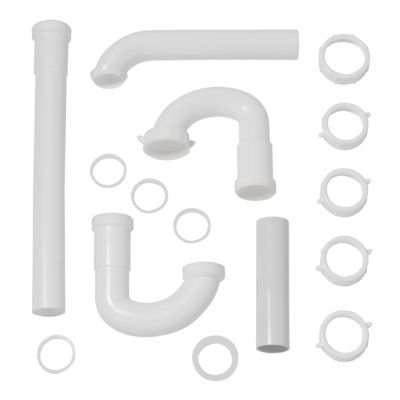
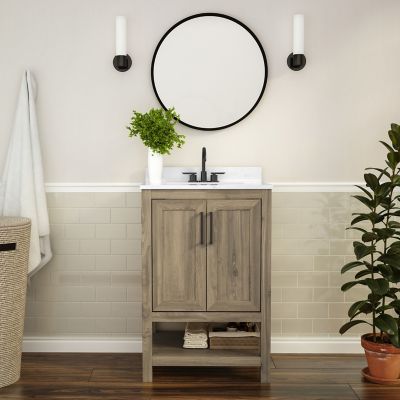
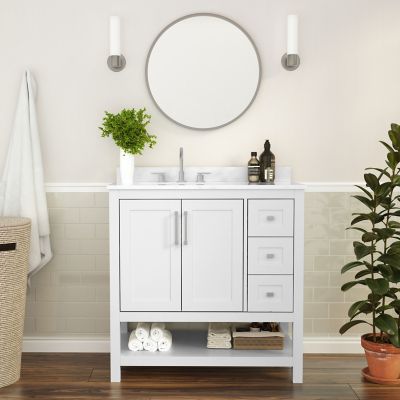
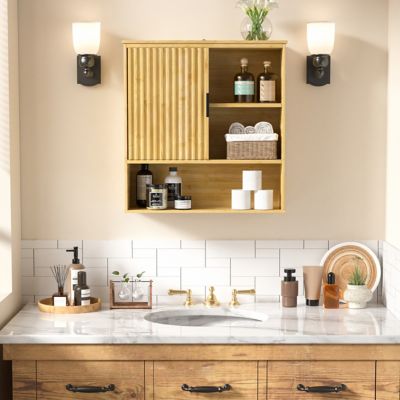
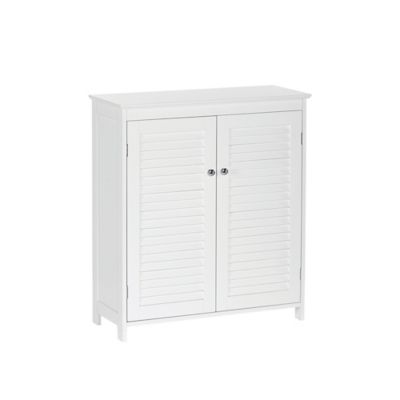
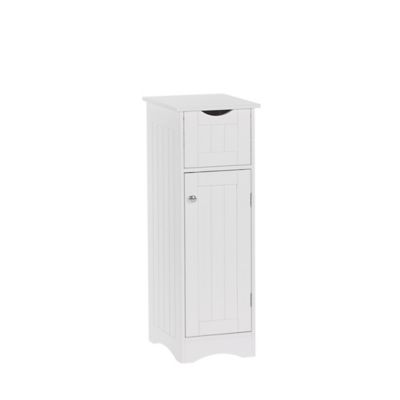
Bathroom renovation supplies cover the parts that help a washroom look put together and handle everyday life, from busy mornings at the sink to cleanup after a long day of chores. A family bathroom, a farmhouse guest bath, and a small washroom off the shop can have different needs, even when they share the same basic plumbing. Some projects center on replacing worn fixtures and refreshing surfaces, while others involve changing the layout or opening up walls to address plumbing behind them. Across those projects, fit matters just as much as appearance. Sink depth, faucet reach, cabinet width, and door clearance all affect how comfortable the finished room feels. A deeper basin can help contain splashes, but it also takes up space below the countertop. A wider vanity adds storage, though it still needs enough room around it for people to move without bumping into corners. Faucet mounting patterns, drain openings, supply connections, and the distance between plumbing connections and finished surfaces are important details when matching replacement components. Existing holes and pipe locations can narrow the choices, especially in an older house where previous repairs may have left a mix of materials behind the wall. Tub and shower dimensions deserve the same attention, including the opening, threshold, and space needed for a door or curtain. Even a small change in floor thickness can affect transitions, toilet installation, and clearance beneath a door. Bathroom renovation supplies also include less visible essentials that support the finished work, such as connection hardware, sealing materials, and mounting components. These parts may not catch the eye, but their compatibility with the surrounding plumbing and surfaces makes a real difference. A room that looks simple on the outside can involve several connection types underneath, so matching dimensions and intended applications helps keep a straightforward refresh from turning into a string of extra repairs. Clear access to shutoff valves and drain connections also leaves room for future service without taking apart the whole cabinet.
Materials shape both the look of a bathroom and the amount of attention it needs over time. Porcelain and ceramic surfaces offer a broad range of colors and textures, while stainless steel, brass, glass, and various countertop materials bring different cleaning requirements and installation considerations. Material names alone do not tell the whole story: a surface intended for a wall may not be suited to a floor, and a finish meant for occasional splashes may not belong inside a shower. Wet-area ratings, installation requirements, and care information help separate those applications. Bathroom cabinetry also has to contend with splashes, damp towels, and the occasional puddle beneath a sink. Sealed edges, protected joints, and a finish suited to the room help limit moisture exposure, although standing water still needs prompt attention. Solid wood and engineered wood components each have their own construction details to consider, particularly around cutouts and lower edges. Countertops vary, too. Some materials need periodic sealing, while others have restrictions on abrasive cleaners or prolonged contact with certain household chemicals. Tile and grout bring another set of considerations, including joint spacing, cleaning access, and the waterproofing system beneath the visible surface. Tile alone does not make a shower assembly waterproof. The backing, membranes, seams, and transitions all work together, and sealants need to match the surfaces and application. Underfoot, texture and wet-area suitability matter more than appearance alone; a polished surface that looks sharp on a wall may not be the right choice for a shower floor. Finish selection also affects everyday upkeep. Reflective surfaces can make water spots more noticeable, while textured surfaces may take a little more effort to wipe clean. Coordinated metal finishes can tie a room together without requiring every surface to look identical. For regular care, manufacturer-approved cleaning methods help protect coatings, seals, and exposed surfaces. Easy-to-reach corners and fewer tight gaps around fixtures can make that weekly wipe-down less of a chore.
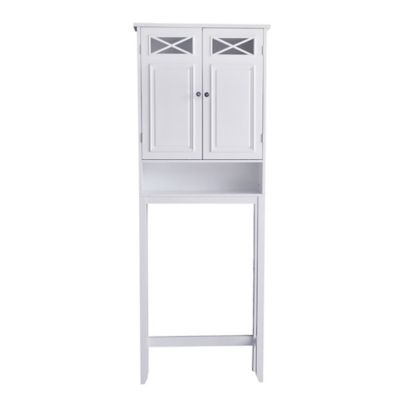
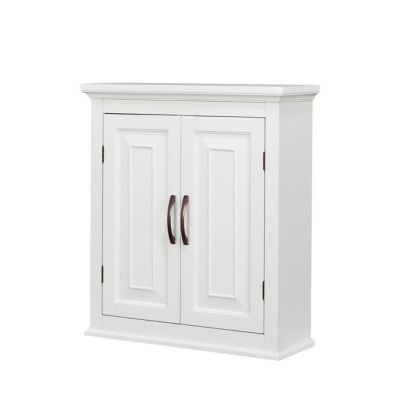
The best match for a bathroom renovation depends on who spends time there and what the room needs to handle. A household with children may place extra value on reachable storage, simple controls, and surfaces that wipe down without much fuss. A guest bath may need a spot for spare towels and toiletries more than a large stretch of countertop. In a working household, a washroom near an entry can benefit from room to wash up without crowding the sink with everyday supplies. Storage layout makes a difference in each setting: drawers keep smaller belongings within reach, doors leave room for taller containers, and open shelving needs enough clearance to avoid crowding the walkway. Comfortable use matters beyond storage, too. Lever-style controls may be easier to operate for someone with limited hand movement, and thoughtfully placed grab bars can provide support when installed with the proper backing and hardware. A towel bar is not a substitute for a support bar. Projects intended to improve accessibility also depend on clear floor space, approach room, fixture height, and applicable requirements rather than a single change alone. Lighting and ventilation belong in the bigger picture as well. Electrical components need ratings appropriate to their location, and work around water calls for the required circuit protection and installation practices. Ventilation helps manage everyday moisture, but it cannot make up for a leaking connection or an improperly built shower. Licensed tradespeople can address work that falls under local plumbing and electrical rules. Renovations in a shop restroom, office washroom, or another shared space may also involve
commercial plumbing supplies, with added attention to traffic, service access, and building requirements. Whether the job is a modest refresh or a larger rebuild, practical choices leave space for maintenance as well as daily routines. Reachable connections, replaceable components, and care requirements that fit the household help keep the finished bathroom working well long after the tools are put away.