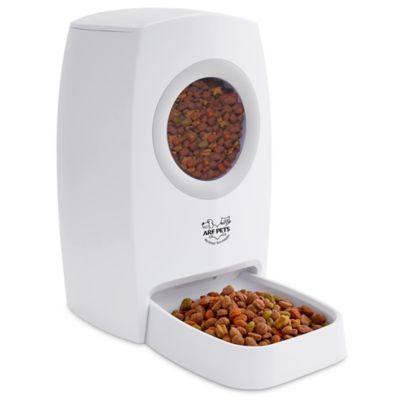
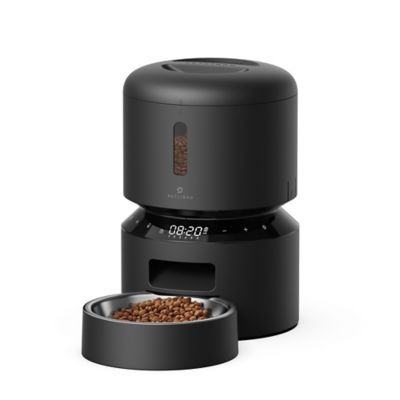
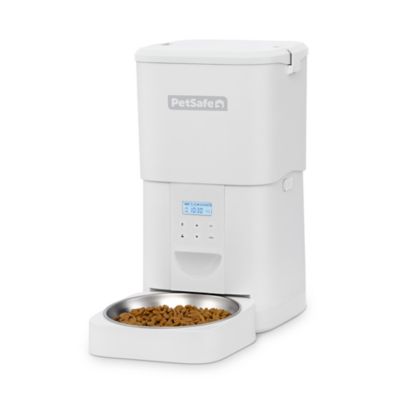
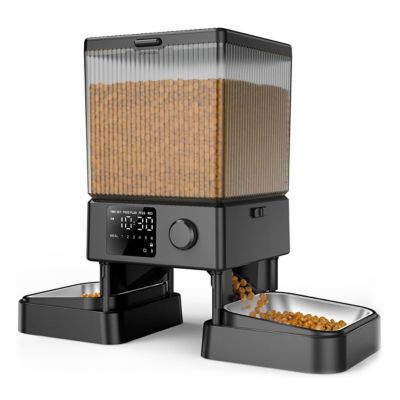
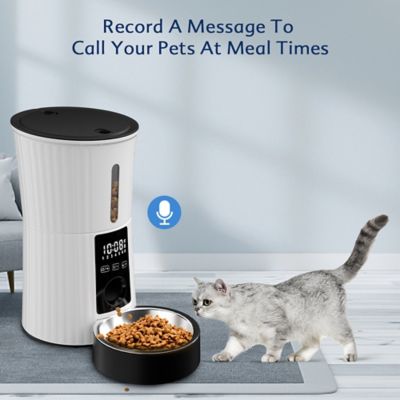
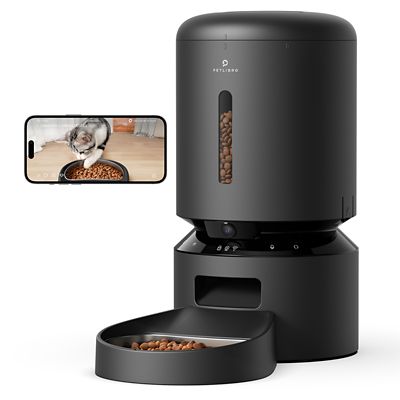
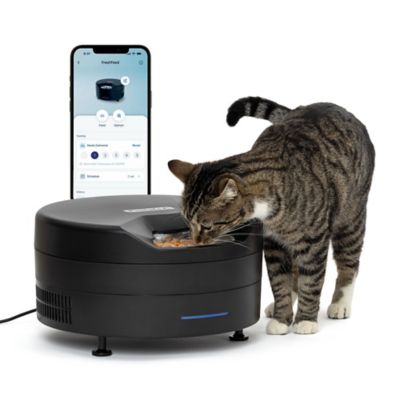
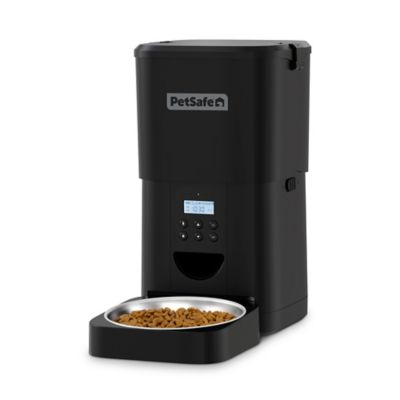
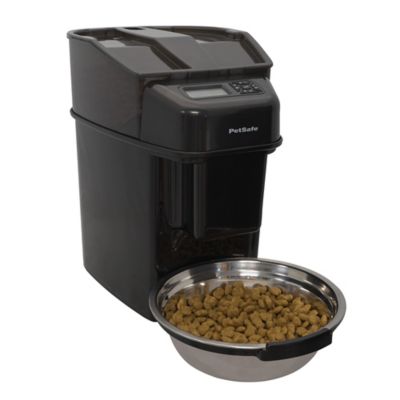
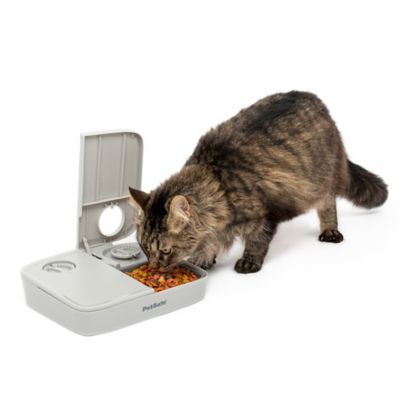
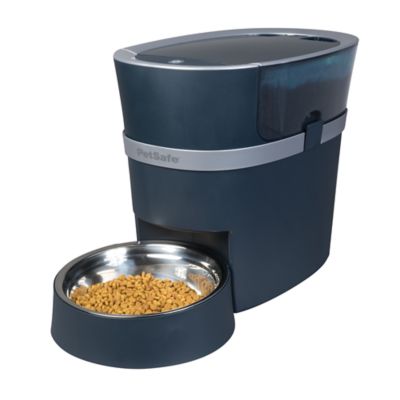
Automatic pet feeders with voice recorders serve scheduled meals and play a short recorded message to call a cat or dog to the bowl. Many allow a recording of about 10 seconds, though message length and playback settings vary by model. A familiar “Time for supper” can give a pet a recognizable cue when food arrives, whether the household is up before daylight or someone is finishing chores out by the barn. These feeders help keep mealtimes consistent around work shifts, errands and everyday responsibilities without making every feeding depend on someone standing beside the bowl. The recording is a mealtime signal, not a two-way conversation; live talk requires a separate two-way audio feature. Some feeders run from buttons and a display on the unit, while connected designs offer scheduling through a compatible phone app. Wi-Fi requirements matter with app-controlled feeders, since some connect only to a 2.4 GHz network. Camera access, remote feeding and recording controls also differ, so those features should not be assumed from the presence of a voice recorder alone. An onboard timer can be a practical fit for a household that wants straightforward scheduling without another app. For connected models, whether saved meals continue during an internet outage depends on the design. Power arrangements deserve the same attention: a wall adapter, batteries or a combination may keep the feeding mechanism running, but battery backup does not necessarily support every connected feature. Battery replacement, clock settings and the behavior after a power interruption all affect day-to-day operation. A clear display and easy-to-reach controls make adjustments less of a chore when a veterinarian changes a pet’s feeding plan. For a timid cat or a dog that startles at unfamiliar sounds, adjustable playback volume or an option to turn the message off can make the feeder a better fit. A quiet introduction with someone nearby gives the pet time to get comfortable with the motor, falling kibble and recorded voice before scheduled feedings become part of the routine.
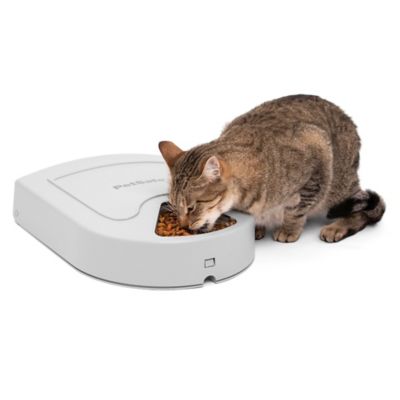
Food compatibility, serving size and bowl fit matter just as much as the recording feature. Most hopper-style automatic pet feeders with voice recorders are intended for dry kibble, with a storage bin that feeds into a dispensing mechanism. The maker’s stated kibble size and shape limits help determine which foods can pass through properly. Oversized pieces, irregular shapes and soft or sticky foods may interfere with dispensing, even when the hopper has plenty of room. Wet food belongs only in a feeder specifically designed for it, with handling and holding times that follow the food label and feeder instructions. Hopper capacity describes how much food the container holds, not how long a pet can safely go without a person checking in. A smaller cat and a larger dog can empty the same container at very different rates. Scheduled meal counts and portion settings also vary, and a programmed portion is not necessarily a standard cup or tablespoon. Measuring several dispensed servings with the pet’s regular kibble helps establish how the settings translate into the daily amount recommended by a veterinarian or food label. Treats and any hand-fed meals still count toward that total. Food-contact plastic is common in feeder bodies and hoppers, while removable stainless steel bowls offer a smooth surface for washing away food residue. Plastic bowls need regular checks for scratches and chewing damage, and any bowl should sit securely without rocking as the pet eats. Bowl depth, opening width and feeding height affect comfort: a broad-muzzled dog needs enough room to reach the food, while a small cat may find a deep, narrow bowl awkward. The feeder’s overall footprint matters in a kitchen corner, mudroom or other indoor feeding spot. A level surface, a steady base and a cord routed away from paws and teeth help keep the setup orderly. Secure lids and sturdy connections are worth attention when a determined pet likes to nose into the food supply between meals.
Regular care keeps an automatic feeder ready for the next serving. Removable bowls, accessible food paths and a hopper that comes apart without a struggle make routine cleaning more manageable. Dishwasher-safe claims apply only to the parts named by the manufacturer; the motor housing, speaker, display and electrical connections generally need to stay out of the sink. Washed food-contact parts should be fully dry before refilling, since moisture can leave kibble clumped around the outlet. Crumbs, food dust and oily residue can collect near the dispensing gate, so that area needs inspection rather than just another scoop poured on top. Sealed lids and desiccant compartments, where included, help manage exposure to air and moisture, but they do not replace food-storage directions or regular cleaning. Desiccant packets must stay secured away from pets and be replaced as directed. Checking the bowl after a scheduled meal helps confirm that food reached the pet and that the pet actually ate; an empty hopper alert or app notification cannot tell the whole story. Multi-pet homes bring another consideration, since two bowls do not necessarily keep a fast eater from taking a slower pet’s serving. Split outlets may divide the food, but individual intake can still call for separate feeding spaces or supervision. Automatic feeders are not a substitute for fresh water, medication management, exercise or a person checking on an animal’s health. For a household already working toward steadier mealtimes, an
automatic dog feeder holiday gift can be a thoughtful addition when it suits the dog’s food, size and routine. Easy cleaning, understandable controls and a voice message the pet recognizes often matter more in everyday life than a long list of extra functions. The best fit supports the feeding plan already in place, leaving room for the hands-on care and attention that every cat or dog still needs.