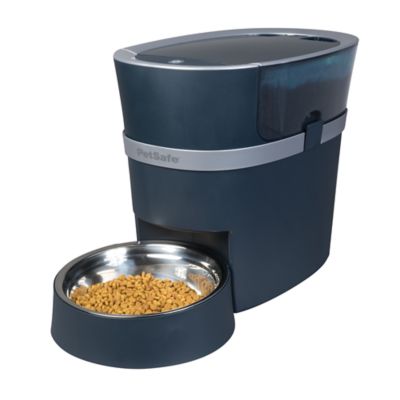
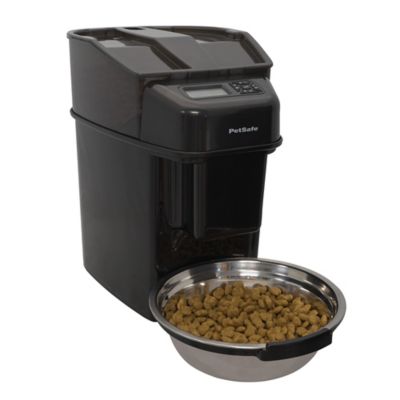
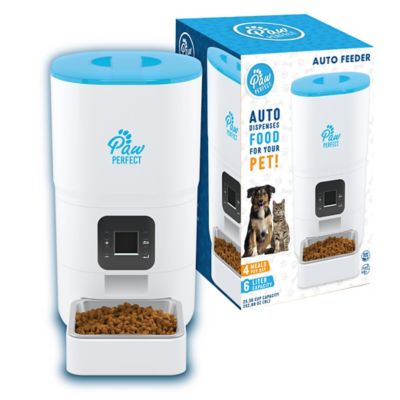
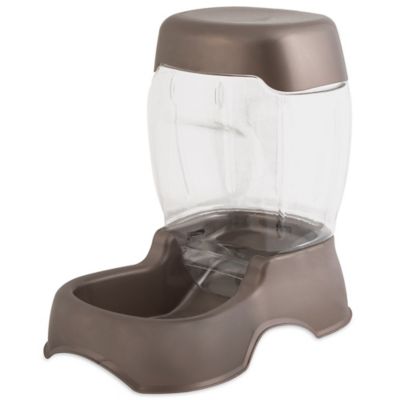
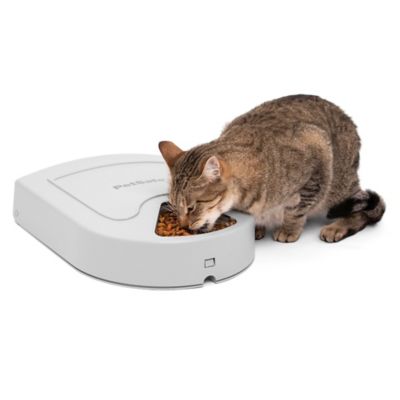
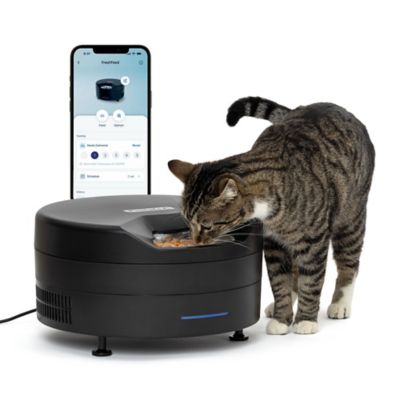
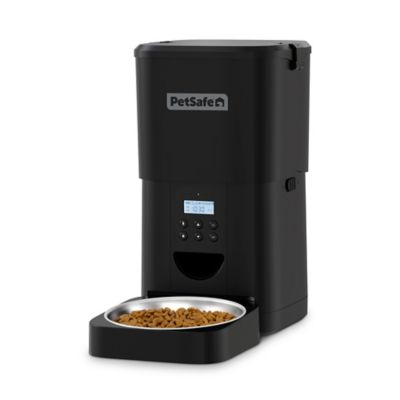
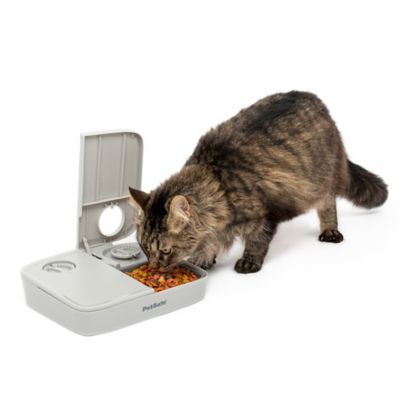
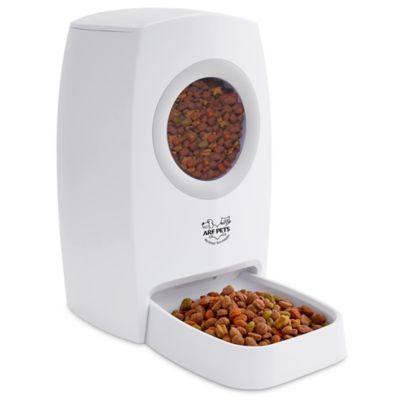
Large-capacity automatic dog feeders keep several meals’ worth of food close at hand, helping take one daily task off a busy household’s list. Programmable feeders dispense set amounts at scheduled times, while gravity feeders let kibble move into the bowl as a dog eats. That difference matters: a gravity feeder keeps food accessible but does not manage meal timing or limit how much a hungry dog can eat. For dogs on measured meals, a timed automatic dog feeder offers more control over the feeding routine. A bigger hopper can mean fewer refills between morning chores, work, and trips to town, but storage capacity and serving size are separate features. A hopper rated at 14 to 15 liters represents roughly 59 to 63 U.S. cups by volume; the weight of food it holds depends on the kibble’s density, and usable capacity depends on the feeder’s design. As a simple example, 60 cups would cover about 15 days for a dog eating four cups daily. That is a refill estimate, not a recommendation to leave a dog unattended or keep every type of food in a hopper that long. Feeding amounts still depend on the dog’s age, weight, activity level, food, and veterinary recommendations. Large-capacity feeders can suit Labrador-sized appetites, but they also make sense for smaller dogs whose owners prefer fewer trips to the food bin. The right fit comes down to how much the dog eats and how the household handles meals, not breed size alone. Some programmable designs divide a daily ration into several smaller servings, while others offer fewer scheduling options. Clear controls and a readable display make those differences easier to manage, especially when more than one person handles feeding. A schedule everyone can check also helps prevent a second breakfast when one family member feeds the dog before heading out and another comes along later.
Kibble compatibility is just as important as hopper size. Large pieces, irregular shapes, and oily coatings can affect how food moves through a dispensing mechanism. The manufacturer’s stated food-size range matters more than a broad claim that a feeder suits large dogs. Wide chutes and anti-jam mechanisms may help food pass through, but no design makes every kibble shape suitable. Freeze-dried pieces, soft food, and mixed textures need explicit compatibility rather than an assumption that they will flow like dry kibble. Portion settings also deserve a close look because a numbered “portion” on a display may represent a small dispensing increment rather than a measuring cup. Comparing several dispensed servings with a measuring cup or kitchen scale helps establish what a setting delivers with a particular food. A change in kibble can call for another check. Materials affect everyday upkeep, too. Food-contact plastic hoppers keep the contents visible on some designs, while removable stainless steel bowls offer a smooth eating surface that is easy to wash. Smooth corners and accessible chutes make it easier to clear crumbs and residue before they build up. Dishwasher suitability varies by component, so a removable bowl or hopper should only go in the dishwasher when its care directions allow it; motors, plugs, and control housings need to stay dry. Snug lids and fitted seals help limit exposure to air and discourage a curious nose, but they do not keep food fresh indefinitely. Smaller refills may make more sense than filling a large reservoir to the brim when a dog eats slowly through its supply. Keeping the original food packaging preserves the feeding directions, expiration date, and lot information. For an enthusiastic dog that noses the bowl across the floor, a broad base, secure lid latch, and suitable nonslip footing can matter as much as capacity. Suction feet need a compatible surface, while a heavy feeder still needs a spot where it cannot tip from a step or raised platform.
Power options and placement help determine how comfortably an automatic feeder fits into daily life. Plug-in designs need an outlet within safe reach, with cords routed away from chewing and foot traffic. Battery backup can help a compatible feeder continue dispensing during an outage, though its functions and operating time vary. Some battery modes support scheduled meals without maintaining a wireless connection, so app access and food delivery should not be treated as the same thing. Built-in timers keep controls at the feeder, while connected designs may offer remote schedule changes, feeding records, or low-food alerts. Those extras are helpful only when the connection, app requirements, and household routine work together. A dispensing notification does not confirm that a dog ate, and a full hopper does not replace fresh water, exercise, bathroom breaks, or a caregiver’s daily attention. A quiet kitchen corner or clean mudroom can provide a settled feeding spot, away from swinging doors, boots, and other animals crowding the bowl. There should be enough room for the dog to stand comfortably and reach the food without squeezing between furniture. Bowl height should suit the individual dog rather than follow a blanket rule that bigger dogs need raised dishes; a veterinarian can advise on feeding position when health concerns are involved. Dogs that bolt their food may need a compatible slow-feeding bowl or another veterinarian-recommended approach, since timed dispensing alone does not control eating speed. In homes with two or more dogs, separate stations and supervised introductions help show whether each animal is getting its own serving instead of helping itself to a companion’s meal. Households feeding both dogs and cats can also explore
Best Automatic Cat Feeders for cat-focused options. Across these setups, the most practical large-capacity automatic dog feeder is one with suitable food storage, manageable cleaning, secure construction, and controls that make the everyday feeding routine straightforward.