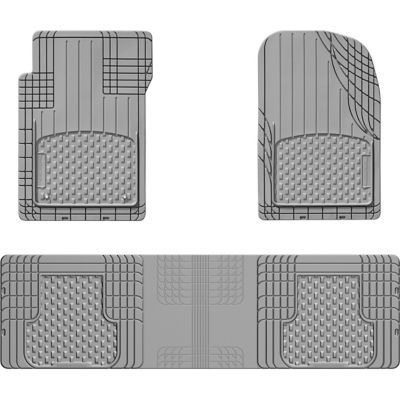
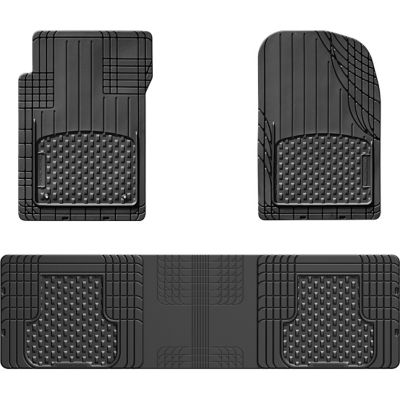
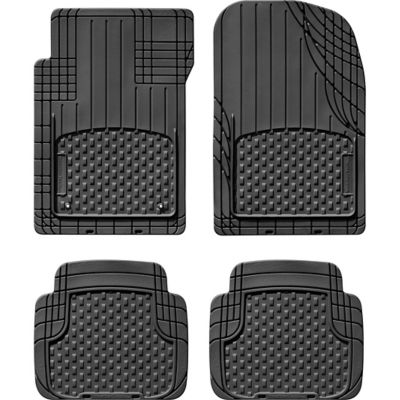
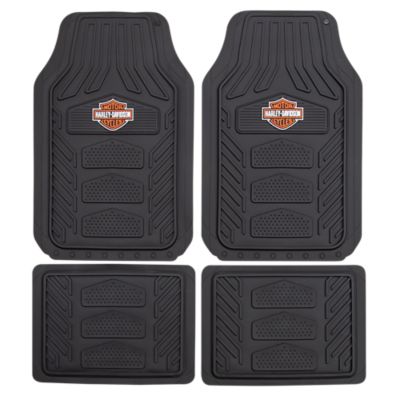
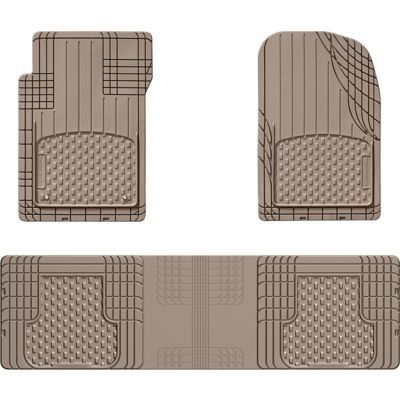
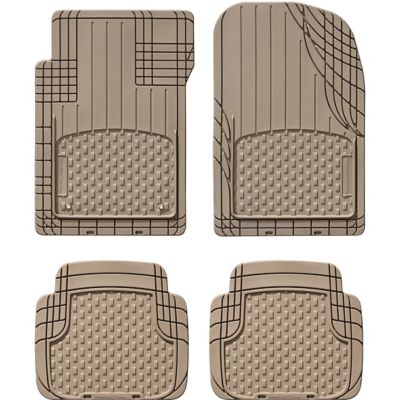
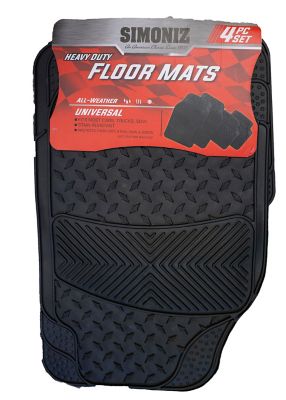
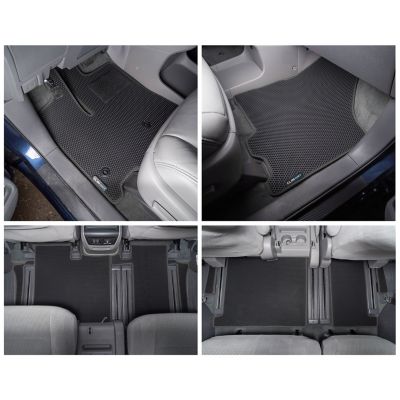
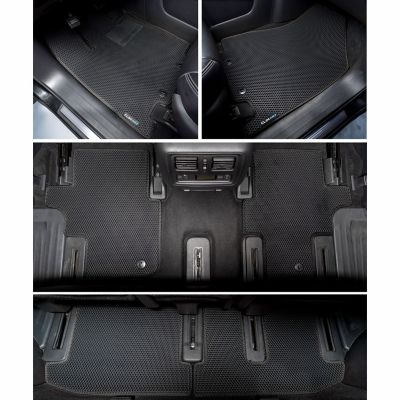
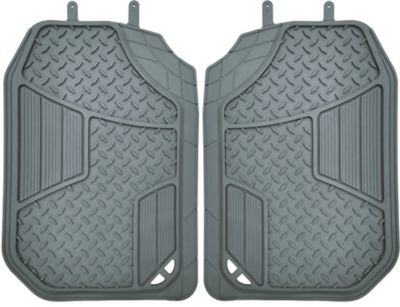
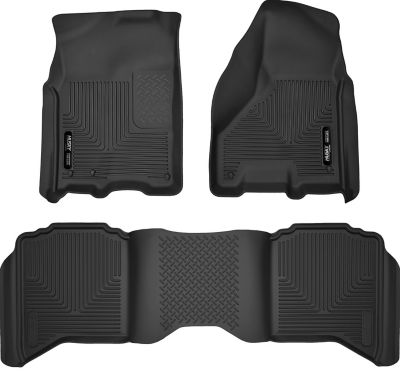
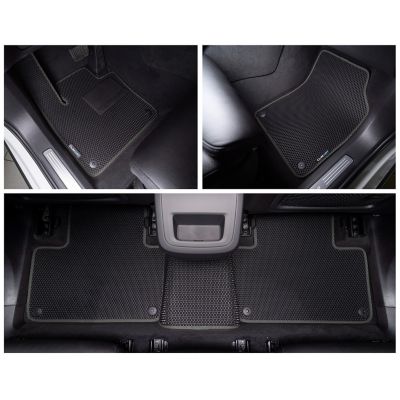
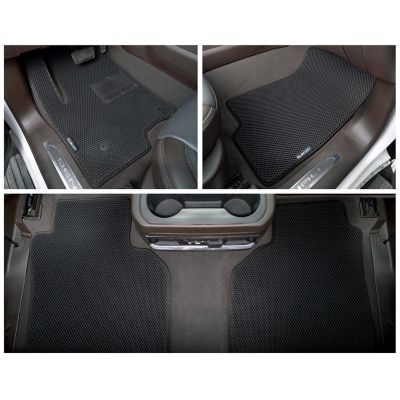
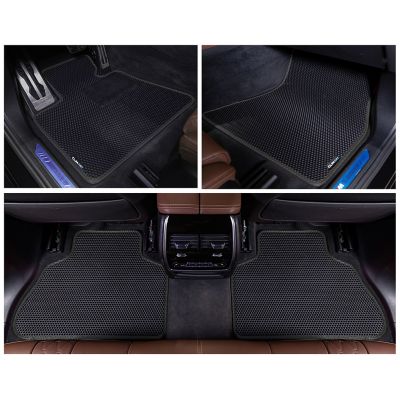
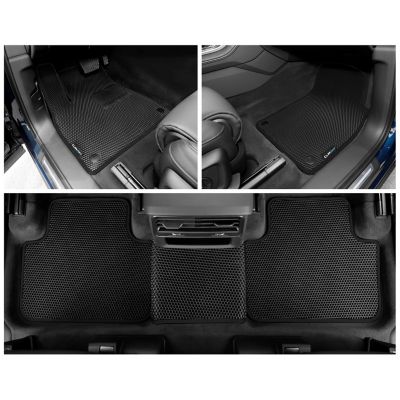
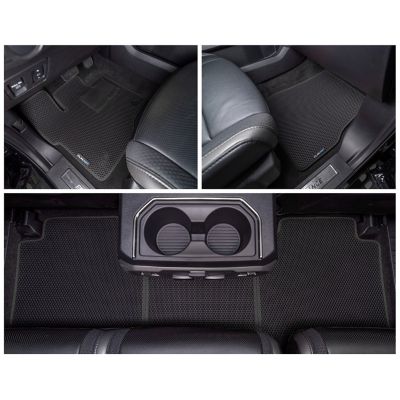
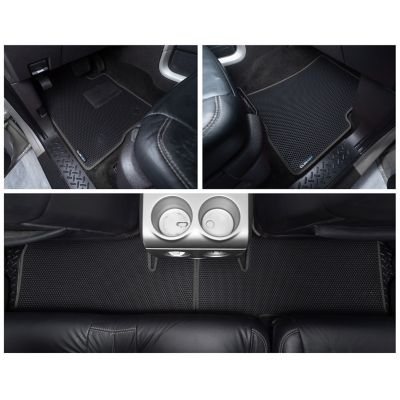
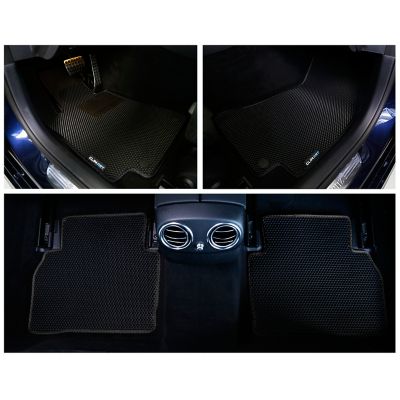
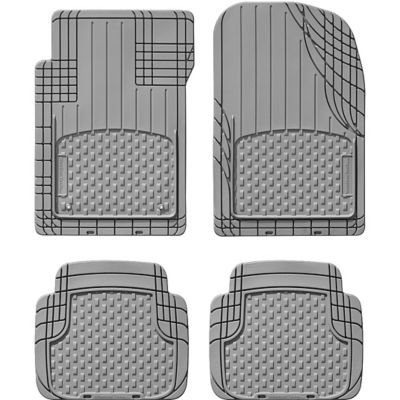
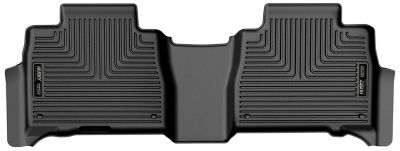
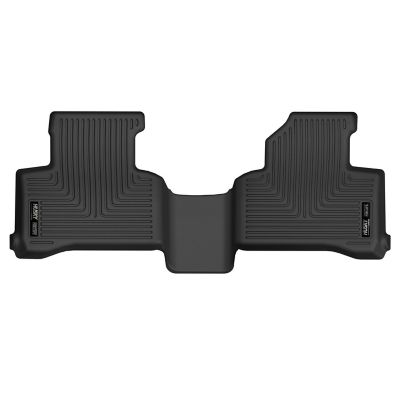
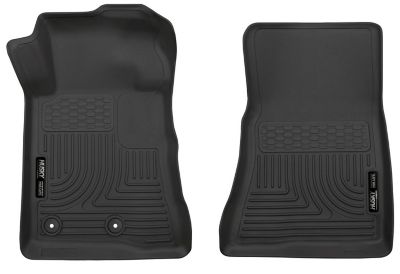
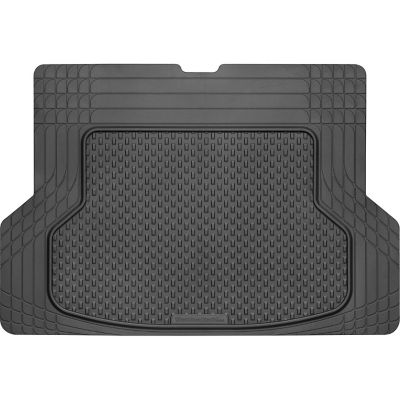
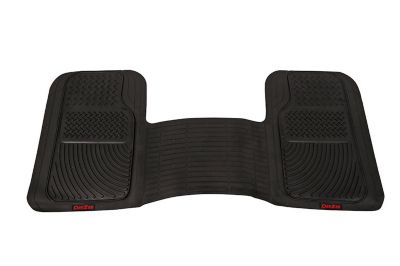
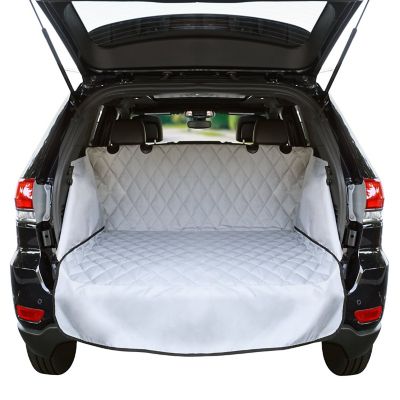
Auto mats help keep a vehicle’s floor protected from the everyday mess that comes with work, travel, pets, and changing weather. A good set can catch road grit, spilled drinks, muddy boots, grass clippings, sand, and moisture before they settle into the carpet or soak beneath the floor lining. That makes auto mats a practical choice for pickup trucks, cars, SUVs, work vans, and family vehicles alike. They can be especially handy for folks who spend time on gravel roads, farm lanes, construction sites, hunting properties, or outdoor job sites, where a clean pair of shoes rarely stays clean for long. They also come in handy for families with kids, dog owners, commuters, and anyone who uses a vehicle for hauling supplies during the week and errands on the weekend. When shopping, start with the vehicle’s exact year, make, and model, since floor shapes, anchor points, seat tracks, and center humps can vary even between similar vehicles. Custom-fit mats are measured to follow the contours of a particular cabin and generally provide more complete edge-to-edge coverage, while universal and trim-to-fit mats are made to work across a wider range of vehicles and can be adjusted with careful cutting. A universal mat may leave small gaps around the edges, but it can be a useful, budget-friendly choice for an older vehicle, a secondary truck, or a quick replacement. Whichever style you choose, check that the driver-side mat has a secure retention system, such as built-in hooks, nibs, or compatible anchors. A mat should stay flat and firmly in place, without creeping toward the pedals or bunching underfoot. It is also worth comparing the front, rear, and cargo-area coverage included in a set, especially for vehicles that carry passengers, pets, feed sacks, tools, or muddy gear.
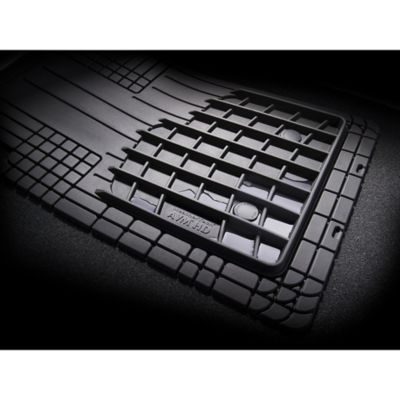
Material plays a big part in how auto mats look, feel, and hold up. All-weather mats made from rubber or thermoplastic materials are a solid fit for wet, dusty, and muddy conditions because many have raised edges and deep channels that help contain water, slush, soil, and other debris. They are often easy to remove, rinse, and put back once they dry, which is a welcome convenience when the truck floor is covered in red clay or the family SUV comes home with a load of wet leaves. These mats can also be useful during cooler months when rain, frost, and road salt make their way into the cabin. Carpet mats offer a softer, more finished appearance and can complement a clean, well-kept interior. Dense looped carpet tends to handle regular foot traffic, while plush styles provide a more comfortable feel underfoot. Carpet is generally better suited to dry conditions or drivers who do not expect frequent spills and mud, though routine vacuuming and occasional shampooing can help keep it looking its best. Some mats combine a carpeted surface with a protective backing, giving the cabin a finished look while helping limit moisture from reaching the vehicle’s original flooring. For heavy use, look for sturdy construction, a nonslip underside, reinforced edges, and enough depth to hold ordinary messes without feeling bulky. For a work truck, a washable rubber or thermoplastic option may be the practical match; for a daily commuter or a vehicle used for church, school, and family gatherings, carpet may offer the appearance you prefer. Color is another consideration. Dark shades can help hide dust and everyday scuffs, while lighter shades may coordinate with a lighter interior but often show mud more quickly. Auto mats can make a thoughtful gift for a new driver, a college student, a parent with a busy family vehicle, or someone who just bought a used truck and wants to freshen up the cabin. They are useful for anyone who spends long hours behind the wheel, and a properly fitted set can feel like a small upgrade that gets appreciated every day.
Taking care of auto mats is fairly simple, but the right cleaning method depends on the material. For rubber and thermoplastic mats, remove them from the vehicle, shake or brush off loose dirt, then rinse with water and wash with mild soap as needed. Let them dry fully before putting them back so moisture is not trapped beneath the mat. Carpet mats usually benefit from regular vacuuming, followed by spot cleaning for coffee, mud, or road grime. Avoid putting a wet mat back in place, and inspect the underside from time to time for trapped dirt or signs of wear. It is also smart to check the fit after cleaning, particularly around the driver’s seat, pedals, and factory anchor points. A mat that is curled, cracked, badly worn, or no longer stays secured should be replaced rather than folded or layered with another mat. During the cooler months and other wet stretches of the year, a second set can be convenient: one set can dry while the other is in use, helping keep the vehicle ready for the next trip to town, the feed store, or a job site. Auto mats work well alongside other basic vehicle-care supplies, including the practical roadside support offered by
Automotive Air Pumps. Together, everyday maintenance items can help drivers feel more prepared for long back-road drives, changing road conditions, and the unexpected errands that come with rural life. A little floor protection will not replace regular vehicle care, but it can preserve the original carpet, make cleanup less of a chore, and keep the cabin more comfortable through muddy drives, dusty roads, and busy seasons.