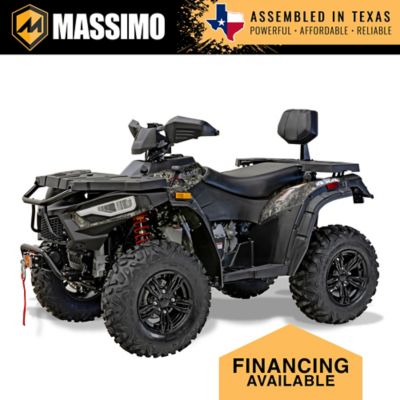
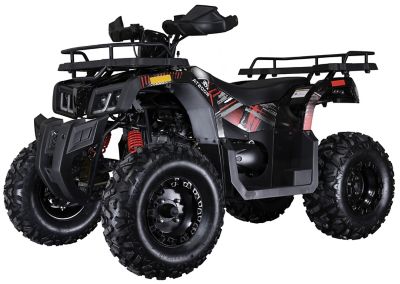
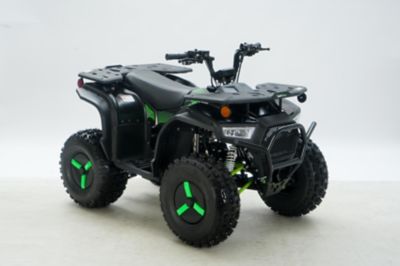
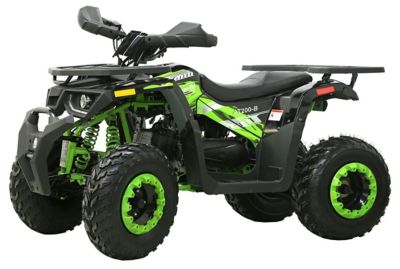
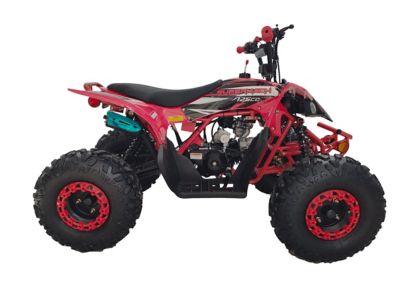
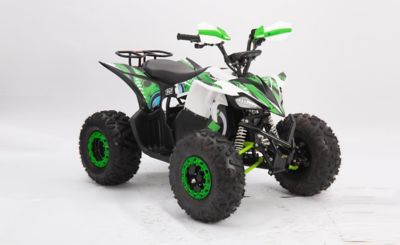
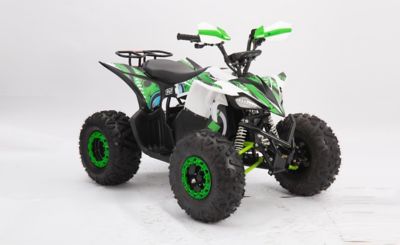
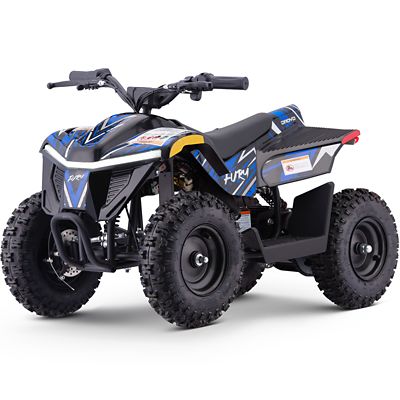
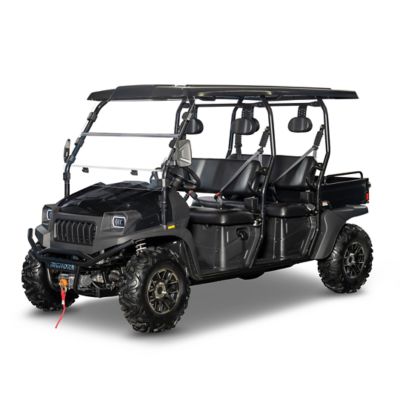
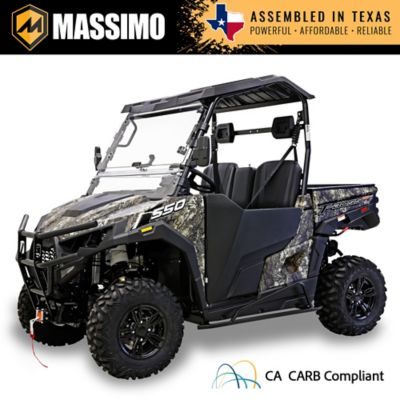
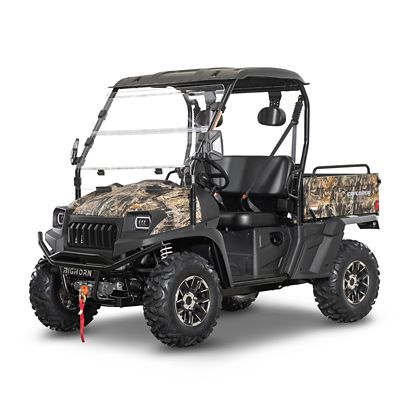
ATVs for agricultural land management are utility-focused all-terrain vehicles that help with fence inspections, livestock checks, light hauling, and compatible implement work across farms and ranches. Their compact size makes them practical for getting through orchard lanes, following pasture boundaries, and reaching gates where a larger machine would be awkward to turn around. A trip to check a water trough might also mean carrying a small toolbox, a few replacement fittings, and fencing supplies, all secured within the vehicle’s load limits. Utility ATVs generally emphasize carrying capacity, towing capability, ground clearance, and controlled power delivery rather than recreational performance alone. Four-wheel drive can help maintain traction on loose ground, while selectable drive modes and low-range gearing, where equipped, can support slow, deliberate work. Engine size tells only part of the story: transmission design, braking, suspension, rack ratings, and the manufacturer’s operating limits all affect how well a vehicle fits the job. A larger engine does not automatically mean a higher towing rating or permission to carry more weight. For landowners, livestock keepers, and farmhands, the right fit starts with the routes traveled and the chores repeated most often. Narrow passages between trees call for attention to overall width and turning space; rutted access lanes make ground clearance and tire selection worth a close look. Rider fit matters just as much. Comfortable reach to the handlebars, throttle, and brakes helps support control, and the rider should have room to shift body position as the terrain requires. An ATV typically has a straddle seat and handlebars, while a utility side-by-side generally has a steering wheel and side-by-side seating. Side-by-sides often offer larger cargo areas and designated passenger seats, but dimensions and capacities vary by model. That distinction matters when the regular job involves moving another worker or carrying a load that exceeds an ATV’s ratings. For one-person rounds across acreage, a properly matched utility ATV can keep essential tools close without bringing a larger vehicle along for every stop.
The working value of an agricultural ATV also depends on how its racks, hitch, and attachment connections match the tasks around the property. Rack dimensions and load ratings determine whether tools and supplies can ride securely without blocking controls, crowding the operator, or interfering with steering. Steel racks and frames provide structural support, while molded body panels and composite cargo surfaces may offer practical storage shapes and straightforward cleaning. Material alone does not establish capacity; the stated rating for each rack, mounting point, and hitch remains the deciding factor. An
ATV for hauling small loads on farms can make sense for moving fencing supplies, feed, or tools between nearby work areas, provided the load stays within every applicable limit. Depending on the manufacturer’s definitions, payload calculations may include the rider, cargo, accessories, and trailer tongue weight. Trailer weight, hitch compatibility, braking requirements, and the route itself also matter. A loaded trailer can change stopping distance and handling, especially on slopes or uneven ground, so a tow rating is not a promise that every route is suitable. Keep loads low, balanced, and firmly secured, and follow the vehicle and trailer instructions. Beyond transport, some utility ATVs can work with compatible spreaders, sprayers, and light ground-engaging implements. These combinations may suit seed distribution on a small plot, targeted vegetation management, or light surface work where the equipment and soil conditions allow. Spreader output depends on calibration, travel speed, and the material being applied; sprayer setup calls for compatible mounts, sufficient electrical capacity, and attention to the chemical label. An implement that attaches to the hitch can still exceed the ATV’s capabilities once it begins pulling against the soil. Heavy cultivation, deep tillage, and substantial earthmoving belong with equipment rated for those demands. Across pasture edges, garden plots, and field access lanes, matching the attachment to the vehicle keeps the focus on manageable chores rather than asking a small machine to take on tractor-sized work.
Long service life comes from a vehicle built for its intended work and care that keeps pace with that work. Farm travel exposes tires, suspension joints, racks, and underbody components to gravel, crop residue, abrasive soil, and repeated vibration. Protective skid plates, accessible service points, sturdy mounting hardware, and finishes that resist corrosion are worth considering alongside engine specifications. Tire tread and construction should suit the terrain and the manufacturer’s requirements, with inflation maintained at the specified pressure rather than guessed by appearance. Oversize tires or other changes can affect clearance, handling, gearing, and load limits, so compatibility matters more than an aggressive look. Routine care includes checking engine oil and other specified fluids, inspecting the air filter, looking over brake components, and checking fasteners and attachment mounts at the intervals in the owner’s manual. A rack that carries a toolbox across rough ground needs attention at its mounting points, just as a trailer connection needs inspection before another trip along the fence line. Cleaning away packed soil and plant material makes damage easier to spot; follow washing instructions around electrical connections, bearings, and air intakes. Secure storage and prompt attention to worn components help keep the machine ready for everyday rounds. Safe operation belongs in the same conversation as carrying capacity and convenience. Agricultural work does not remove the need for hands-on rider training, an appropriate helmet, eye protection, gloves, over-the-ankle boots, and protective clothing. Adult-size ATVs belong with riders who meet the manufacturer’s age and size requirements, and a passenger belongs only on a vehicle specifically designed and rated for one. ATVs are intended for off-road operation, with route choices and slope limits governed by the owner’s manual. Near livestock, controlled speed and enough space help prevent startling animals or crowding a gate. Whether the regular route runs between a barn and a back pasture or along a long stretch of boundary fence, the best match is a vehicle whose fit, capacity, and operating limits line up with the work.