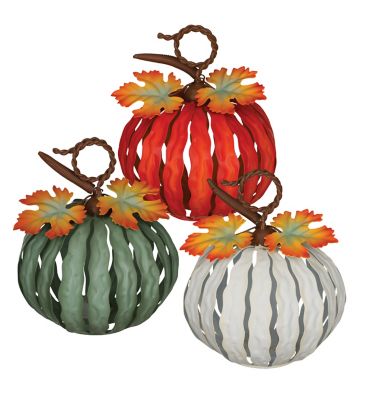
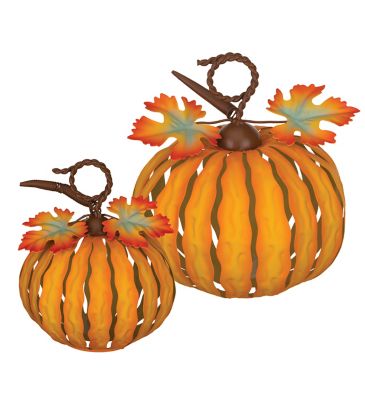
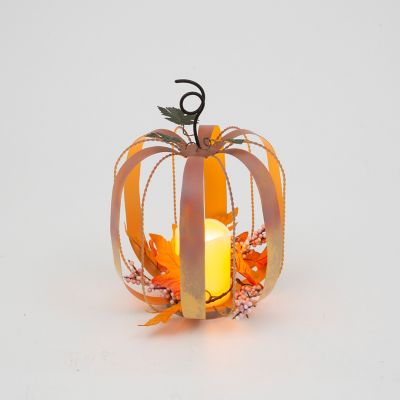
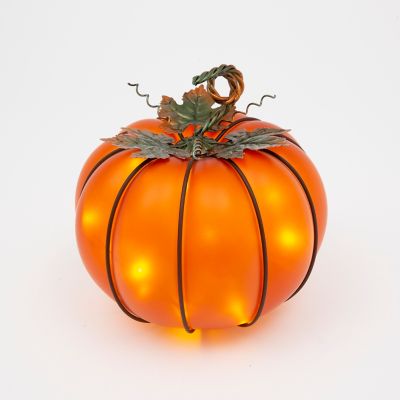
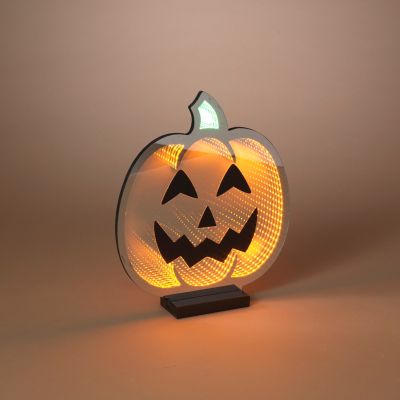
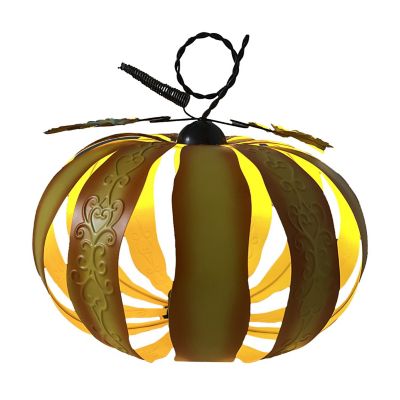
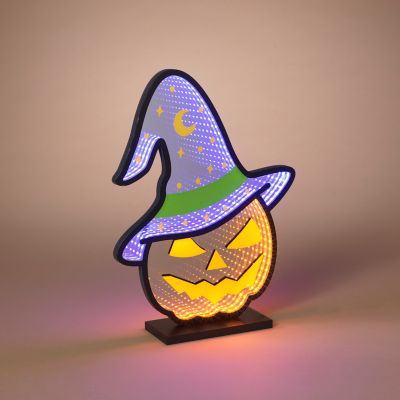
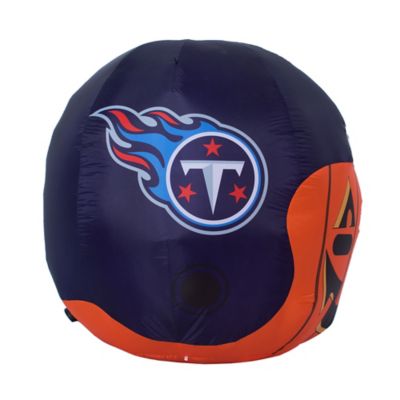
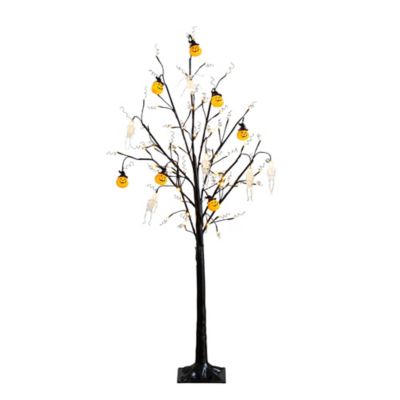
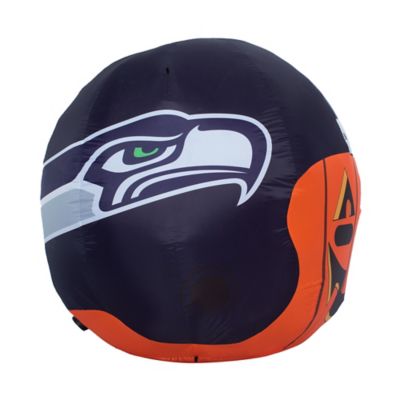
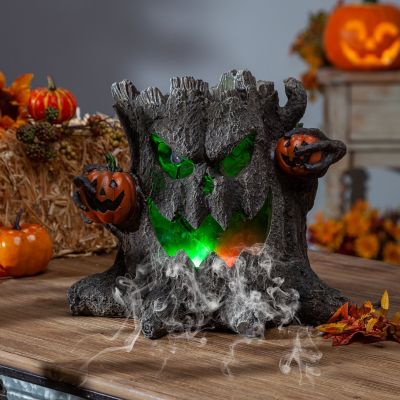
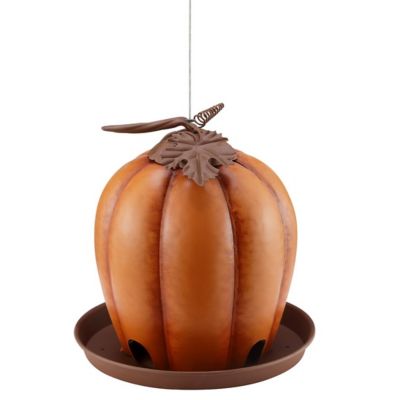
Lighted pumpkins are pumpkin-shaped displays with built-in or enclosed lights that add a glow to Halloween setups and fall gatherings. They range from small tabletop accents and illuminated jack-o’-lanterns to yard figures, pathway stakes and inflatable shapes. Some feature grinning faces that stand out after dark, while others keep the familiar pumpkin shape without a face, making them a good fit for harvest displays that stretch beyond Halloween. A softly glowing pumpkin on an entryway table brings a different feel than a big, bright figure beside the front gate, so size, shape and light color all play a part. Warm white light gives a gentle, lantern-like effect; orange light emphasizes the pumpkin shape; and changing colors or flashing effects create a livelier Halloween scene. LEDs are common in lighted pumpkins and generally draw less electricity and give off less heat than incandescent bulbs, though brightness and power needs depend on the design. Battery-operated pumpkins allow placement on shelves, mantels and tables without a cord running to an outlet. Plug-in styles suit displays where access to electricity is convenient, while solar-powered designs need daylight to recharge and can have shorter lighting times when sunlight is limited. Timers and remote controls, when included, make it easier to manage lights tucked into a display or positioned across the yard. Materials also shape the look: molded plastic and resin can show raised stems, curved ribs and carved-looking faces, while metal frames and fabric coverings create lighter, more open silhouettes. Glass and ceramic styles often suit indoor tables and shelves, where their weight and finish can be appreciated without exposure to rain or rough handling. For a home with a narrow entry, a smaller footprint leaves room for boots and everyday traffic. In a broad front window or on a deep porch, a larger pumpkin can be easier to see from the driveway. The best fit balances the glow people want with the space, power source and setting they have.
For an outdoor display, lighted pumpkins need more than a look that suits the porch. An outdoor rating matters for the whole setup, including the lights, power supply and any extension cord. A roof overhead does not make an indoor-only pumpkin suitable for a porch where blowing rain or damp air can reach it. Shoppers comparing
Outdoor Pumpkin Lights can consider how each style fits along a walkway, beside porch steps or near a yard entrance. Ground stakes help position smaller shapes along a path, while freestanding pumpkins need a level spot and enough support to stay upright. Soil conditions matter, too: loose ground may not hold a stake as firmly as packed soil, and gravel can make placement trickier. Larger figures and inflatables need the anchors or tie-downs specified for their design, with lines kept out of walking routes. Many inflatable styles need continuous electricity for a blower as well as their lights, so their placement depends on both outlet access and room for airflow. A clear area around the blower helps keep leaves from blocking the intake. Cords should stay away from steps, vehicle routes and places where a gate or door could pinch them, and outdoor electrical connections need protection according to the manufacturer’s directions. An outdoor outlet with ground-fault protection is an important part of the setup. For solar styles, a sunny patch along the drive may work better than a shaded corner beneath a porch roof; the panel needs exposure to daylight even when the pumpkin itself looks best elsewhere. Construction deserves a close look as well. A broad base, sound seams and protected electrical parts can matter as much as the outer material. Metal finishes can need attention if scratched, fabric coverings may need drying before storage, and plastic or resin pieces still require the handling described for that design. Pumpkin lights add atmosphere rather than replace proper lighting for stairs, uneven ground or a long walk back to the house.
Indoors, lighted pumpkins can make a kitchen counter, fireplace mantel or entry table feel ready for a fall get-together without carving a fresh pumpkin or lighting a candle. A cheerful face near the front door suits a household welcoming trick-or-treaters, while a plain pumpkin shape can sit comfortably among harvest colors at a Thanksgiving gathering. Scale makes a difference in these spaces: a tall stem needs clearance beneath a shelf, a wide base needs room beside serving dishes, and a bright light can become distracting when it sits close to where people gather. On a dining table, a lower profile helps keep conversation open across the place settings. On a mantel, a stable base and a cord route away from the fireplace are more important than filling every inch. Battery compartments should close securely, especially in homes with children or curious pets, and small batteries need to stay out of reach. Glass and ceramic pieces belong on steady surfaces where a wagging tail or passing elbow is less likely to send them over the edge. Care is usually straightforward, but the material and electrical design determine what is safe. A soft cloth can lift dust from many surfaces; soaking, spraying cleaners into seams or immersing electrical parts can cause damage. Disconnecting power before cleaning and following the care directions helps protect both the finish and the lighting components. Before packing pumpkins away, let any damp surfaces dry, inspect cords and connections, and remove batteries when the instructions call for it. Padding around stems and fragile faces helps prevent chips or cracks, while keeping stakes, adapters and remotes together saves searching when the display comes out again. Lighted pumpkins also make thoughtful gifts for someone who enjoys hosting Halloween gatherings, setting up a welcoming porch or bringing a little harvest color into the house. A manageable size, a suitable power source and a style that fits the recipient’s space make the gift easier to enjoy year after year.