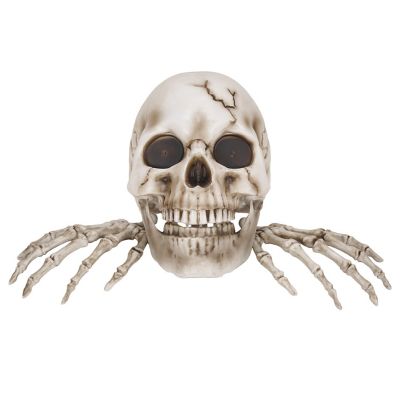
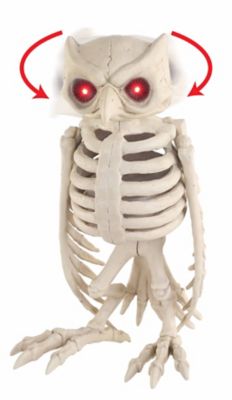
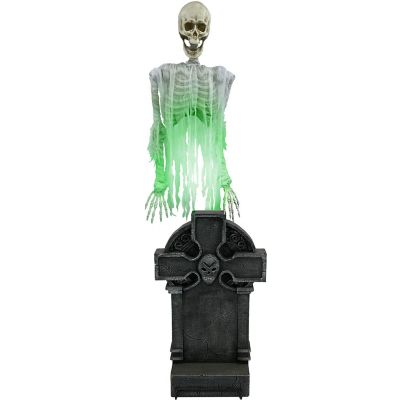
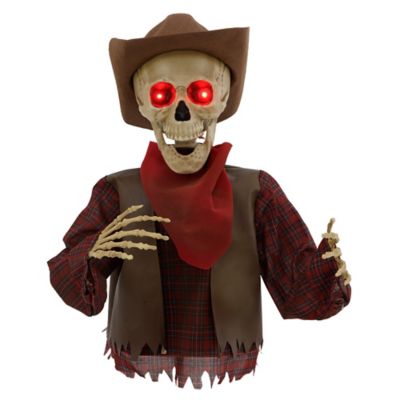
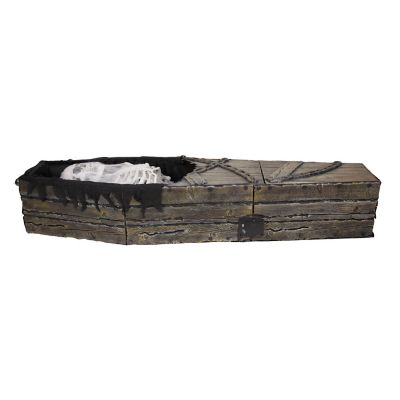
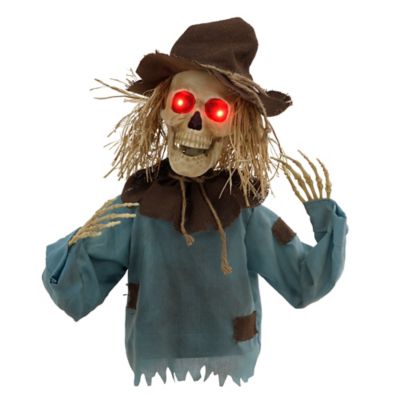
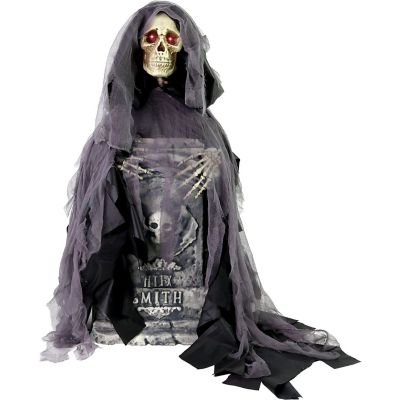
Animated skeletons are Halloween figures with powered mechanisms that move parts of the body, often paired with glowing eyes, sound effects or spoken phrases. A turning skull, lifting arm or shifting jaw gives a bony figure the appearance of coming to life. This physical movement is different from skeletal animation in computer graphics, where a digital framework of bones and joints controls a character’s surface. For a Halloween display, the appeal is the moment a still figure suddenly stirs as someone approaches the porch or walks past a darkened window. The effect can feel playful, eerie or downright startling, depending on the movement, sound and setting. Some designs activate through motion or sound sensors, while others operate through a switch, timer or push-button control; the listed features explain how each type works. That distinction matters around a busy entry, where constant movement might suit a party but become distracting during everyday trips through the door. A slow-moving figure can add atmosphere to a gathering without delivering a big jump scare, while a talking or lunging design calls for more space and a crowd comfortable with surprises. Families welcoming young trick-or-treaters may prefer gentler movement and quieter effects, where those settings are offered. Size also shapes the experience. Overall height is only part of the fit: shoulder width, base dimensions and the full reach of moving arms affect how much room a figure needs. A skeleton that fits neatly beside a doorway while standing still may reach into the walking path once its animation begins. For a porch, covered entry or indoor party space, enough clearance for doors, railings and passing guests helps the movement remain part of the fun rather than an obstacle. Viewing distance matters, too, since a small head turn reads differently from across a yard than it does beside a candy bowl. These figures generally serve as display pieces rather than playthings, with adult setup and attention to any stated age guidance especially important around curious children.
Materials and construction affect both the look of an animated skeleton and how it handles repeated setup. Molded plastic can give skulls, ribs and hands their familiar bony shape without the weight of a solid figure, while metal supports may provide structure beneath larger bodies. Fabric clothing, gauze or other coverings can soften the outline or give the figure a weathered appearance, though loose material needs room to stay clear of hinges and moving joints. Pale bones stand out against a dark background, while darker finishes and recessed eye sockets can create shadows under porch lighting. Close-up settings tend to draw attention to the face and hands; displays seen from the driveway depend more on silhouette and broad movement. Connections, joint stops, base design and support points are worth considering alongside appearance, particularly when a figure will be assembled and packed away each year. The intended location should match the manufacturer’s indoor, covered-outdoor or outdoor rating. A sheltered porch is not automatically a dry space, and an outdoor rating does not mean every electrical connection or fabric section can sit in standing water. Power requirements also affect placement. Battery operation avoids a cord running to an outlet, but access to the battery compartment still matters when the figure is positioned near a wall. Plug-in designs need a suitable power source and cords arranged away from foot traffic, with outdoor-rated electrical equipment wherever the instructions require it. Sensor placement can make just as much difference as power access. A sensor facing a railing, thick fabric or an awkward approach angle may not respond as expected, and activation range varies by design. Sound controls, when included, help match the effect to the setting without competing with conversation or carrying farther than intended. Stable footing and any specified anchors or supports help keep the figure positioned as its parts move. Wind exposure and uneven ground deserve particular attention for taller figures, even when the body itself feels lightweight.
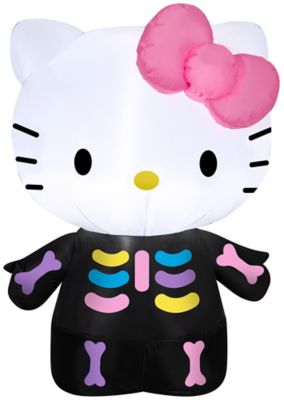
Animated skeletons fit naturally into Halloween scenes at home, from a single bony greeter near the porch steps to a gathering arranged along a fence line. They can also suit a farm-themed party, community Halloween event or indoor get-together when the location and operating conditions match the product instructions. The strongest display does not have to fill every corner. A clear sightline to a moving skull or waving hand often creates more impact than several effects competing for attention. Nearby lighting can reveal the movement without shining directly into guests’ eyes, and a little open space helps people see the figure before stepping within its moving range. For a broader scene,
Inflatable Skeletons can add a larger silhouette alongside a mechanical figure, provided both have the clearance and support their instructions call for. Pathways, gates and exits should remain open, with cords and supports outside the route people take to the door. Pets may react to sudden motion or unfamiliar sounds, so a spot away from their regular path can make the setup easier on everyone. As a gift, an animated skeleton can suit a Halloween enthusiast who enjoys putting together a porch display, especially when its size, power needs and sound effects fit the recipient’s space. Storage room is part of that fit as well. After the celebration, gentle cleaning according to the care directions helps protect painted finishes, fabric and electrical parts. Motors and control boxes should stay dry unless the manufacturer specifically states otherwise, and moving joints should not be forced by hand. Removing batteries for extended storage, allowing components to dry fully and keeping small hardware together can make the next setup smoother. A clean, dry storage area and packaging that supports the head, limbs and base help prevent bent connections or pressure on moving parts between Halloween celebrations.