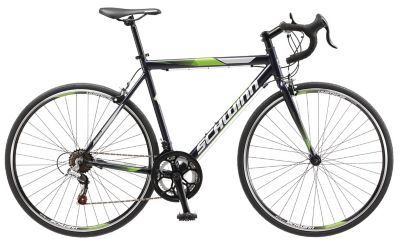
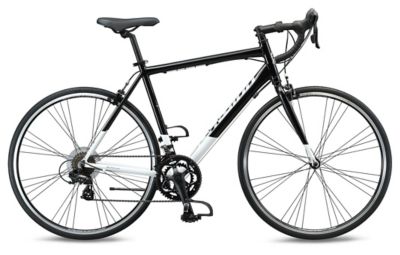
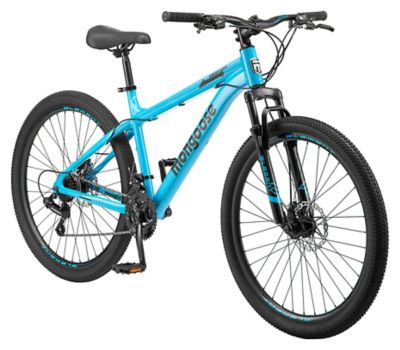
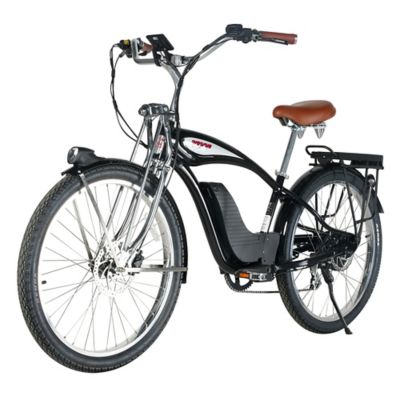
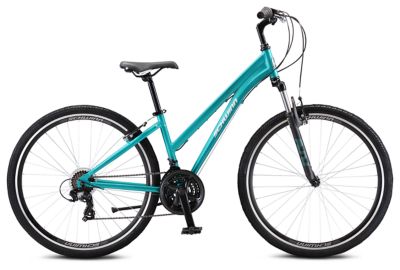
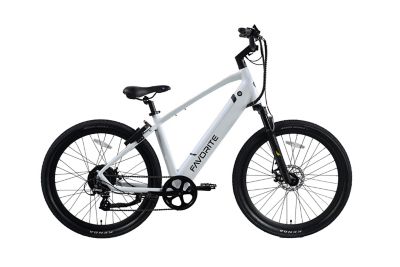
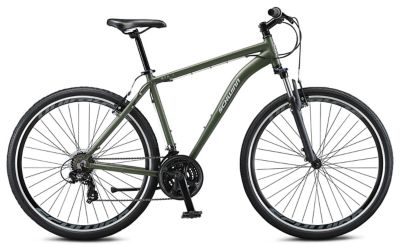
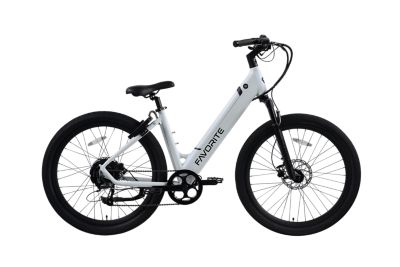
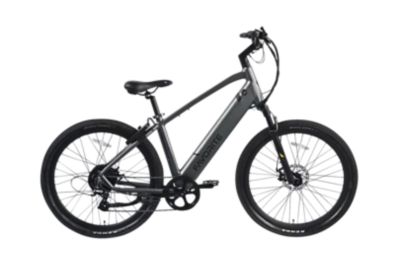
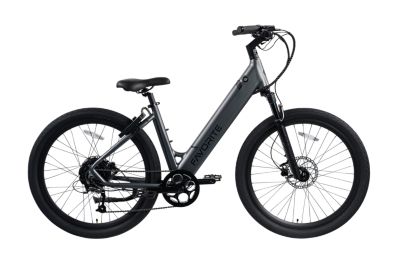
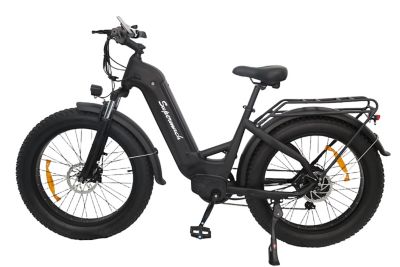
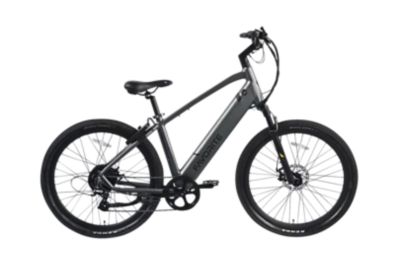
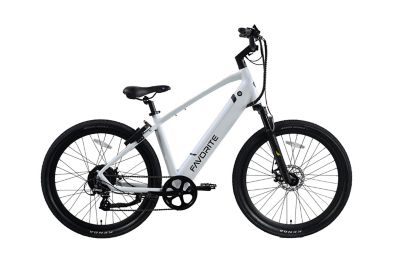
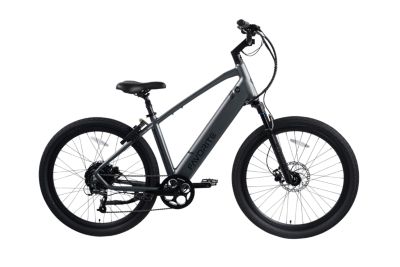
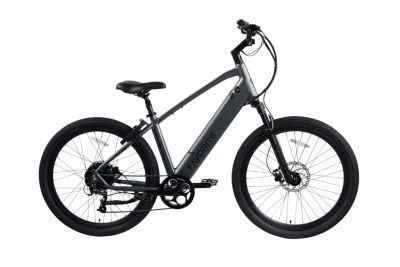
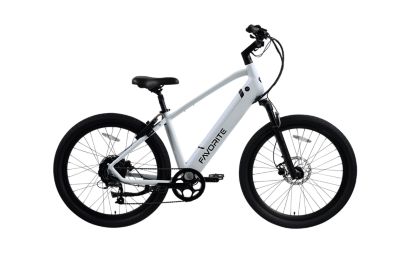
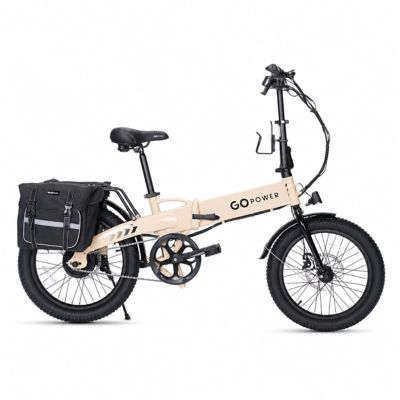
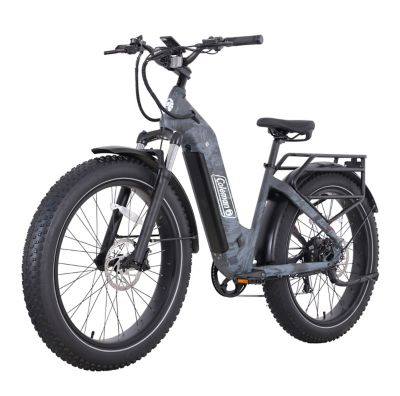
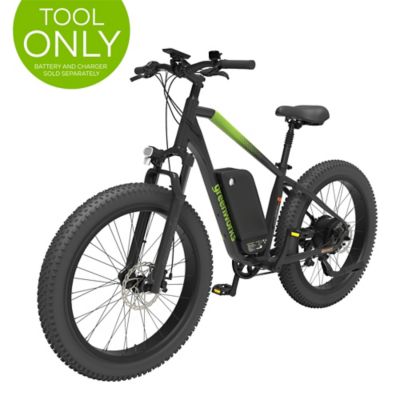
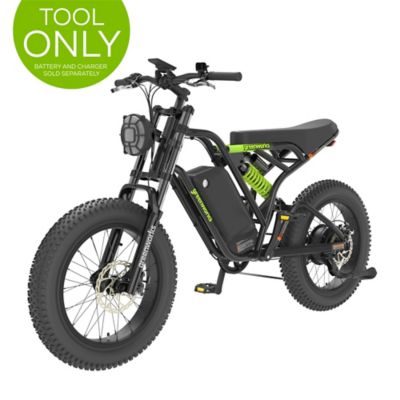
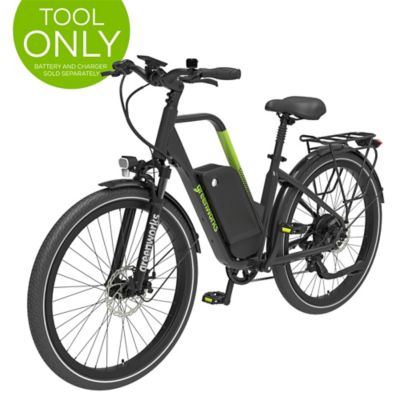
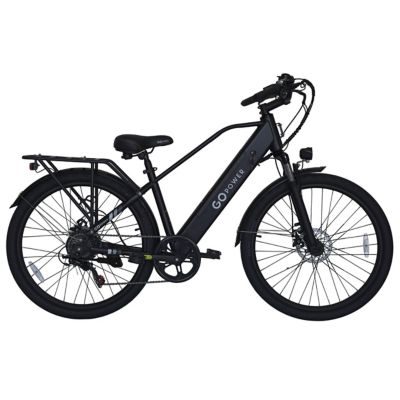
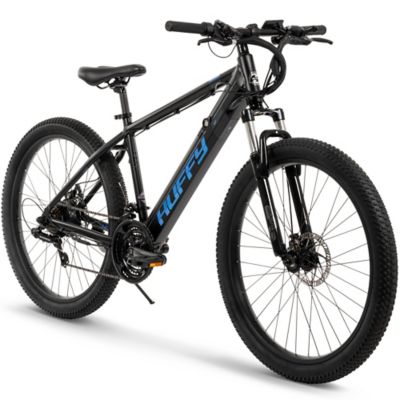
An aluminum frame bike is a bicycle built around an aluminum alloy frame, a structure that balances relatively low weight with stiffness for everyday riding, exercise, and recreation. Aluminum frames appear on road bikes, mountain bikes, hybrids, comfort bikes, and electric bicycles, but frame material alone does not determine where a bike belongs. Geometry, tires, brakes, gearing, and suspension all help shape the ride. A bike for paved roads may have narrower tires and a stretched-out riding position, while one intended for trails may have wider tires, more ground clearance, and suspension suited to uneven ground. For a rider making a few miles into town, circling the campground, or following a gravel lane, matching the bike to the route matters more than choosing by frame material alone. Aluminum can help keep a bicycle manageable when lifting it onto a rack or moving it around the garage, although the weight of the complete bike depends on every component. An electric bike, for example, carries the added weight of a motor and battery even when its frame is aluminum. Frame design also affects how the bicycle feels under power. A stiff frame can feel responsive when pedaling away from a stop or climbing a hill, but comfort depends heavily on riding position, tire volume, tire pressure, and any suspension. A larger tire at an appropriate pressure can soften the chatter of a gravel surface without changing the frame itself. Aluminum alloy tubing can be shaped and sized to support different riding goals, so two aluminum bicycles may feel quite different beneath the same rider. That makes the intended riding surface, preferred posture, and expected distance useful starting points when comparing aluminum frame bikes. A short ride down a smooth neighborhood street asks different things of a bicycle than a long stretch of rough trail, even when both frames share the same basic material.
Fit makes a difference whether the bike is for a new rider, someone returning to cycling, or a person who spends plenty of time in the saddle. Frame size should suit the rider’s height and inseam, but those measurements are only part of the picture. Reach to the handlebars, room above the top tube, saddle adjustment, and the ability to operate the brakes comfortably all affect control. Wheel diameter is not a substitute for frame sizing; bicycles with the same wheel size can fit different riders. A more upright position may suit relaxed rides and frequent stops, while a lower position may appeal to riders covering longer distances on pavement. Step-through frames can make getting on and off easier, especially when stopping often, though their suitability still depends on the rider and the bike’s dimensions. For children, a manageable frame and controls that fit smaller hands matter more than extra room to grow. An oversized bicycle can be awkward to steer, stop, and steady. As a gift, an aluminum frame bike makes the most sense when the recipient’s measurements, riding habits, and preferred riding position are known. Beyond fit, the components should match the work ahead. Lower gears help on climbs, brakes should suit the bike’s intended terrain, and tires should have a tread and width appropriate for the route. Suspension can help on rough trails, but it also adds weight and maintenance that may not serve a rider staying on smooth paths. Carrying a bag of groceries, a picnic, or other cargo brings rack compatibility and total load limits into the decision. Rider weight, luggage, and attached accessories all count toward the manufacturer’s stated limits. Mounting points also matter: racks, fenders, child seats, and trailers need approval for the particular frame and attachment method. Aluminum also appears in
aluminum alloy wheels for other equipment, where dimensions, mounting requirements, and load ratings likewise need to match the intended application.
Looking after an aluminum frame bike is mostly about keeping it clean, checking wear, and catching damage before another ride. Aluminum does not develop iron-based rust, but it can corrode, and a bicycle’s steel fasteners, chain, bearings, and other parts have their own care needs. Dirt trapped around joints and fittings can hide problems, so a gentle wash followed by drying makes inspection easier. High-pressure spray can force water past bearing seals and into places that are difficult to dry. Chain lubrication belongs on the drivetrain, with excess wiped away, and lubricants should stay clear of brake rotors, pads, and rim-braking surfaces. Tire pressure should remain within the applicable tire and rim limits and suit the rider’s load and terrain; the highest permitted pressure is not automatically the most comfortable choice. Loose hardware, shifting trouble, rubbing brakes, or a new creak deserve attention rather than another few rides of guesswork. Aluminum frames also need care around clamps and fasteners. Excessive tightening can damage tubing or components, making the manufacturer’s torque specifications important for assembly and adjustment. A repair stand should hold the bicycle at an approved clamping location, not simply wherever the frame is easiest to grab. After a hard impact or crash, dents, cracks, distorted tubing, or changes around welds call for an assessment by a qualified bicycle mechanic. A damaged frame is not something to straighten at home and keep riding. Storage helps, too: a secure spot away from knocks and chemical exposure protects the bicycle between outings, while a properly fitted transport rack limits rubbing and unwanted movement on the road. Before heading out, functioning brakes, secure wheels, sound tires, and a properly fitted bicycle helmet support a better ride. With the right fit, components, and routine care, an aluminum frame bicycle can serve a wide range of everyday riding needs, from an easy loop close to home to longer miles on routes suited to its design.