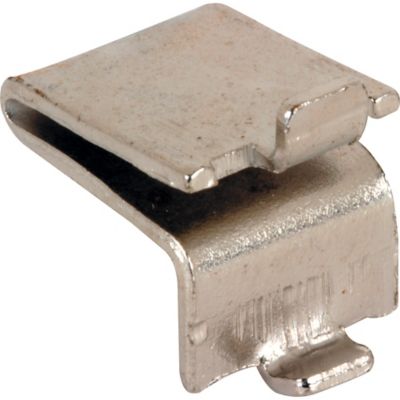
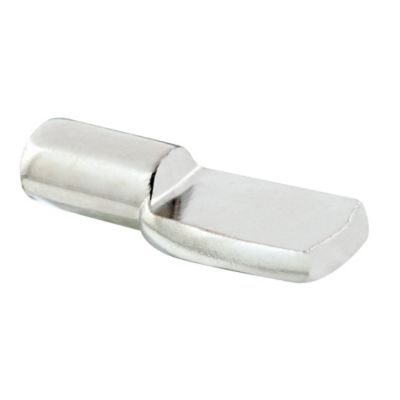
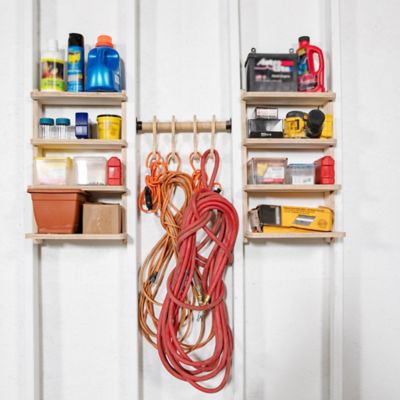
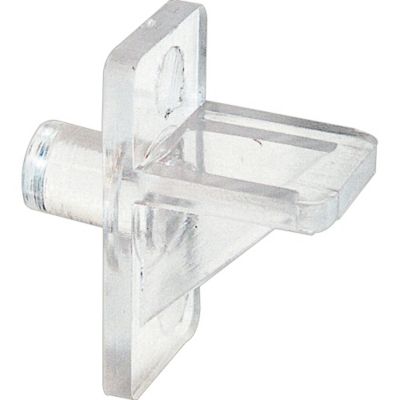
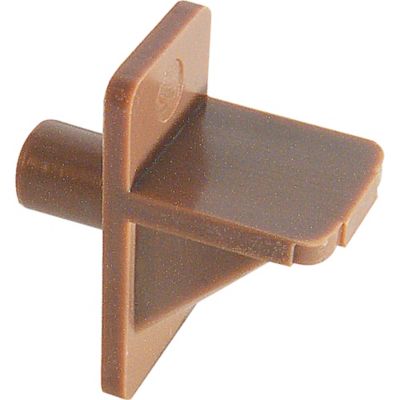
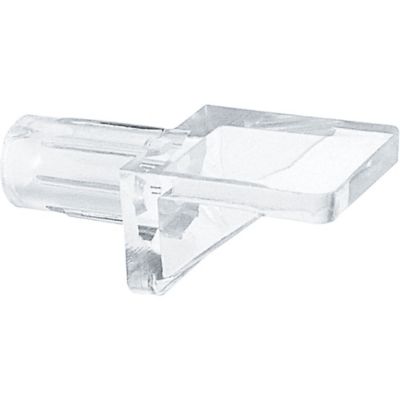
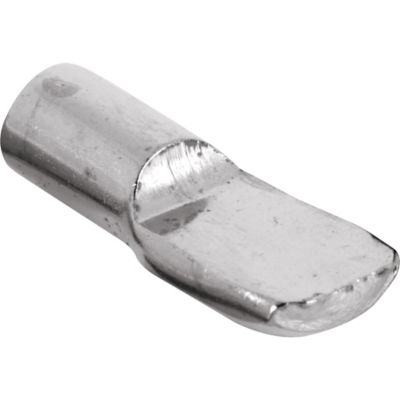
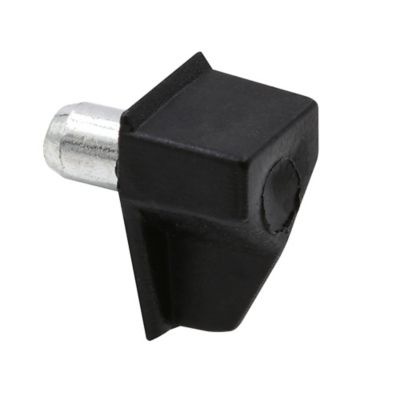
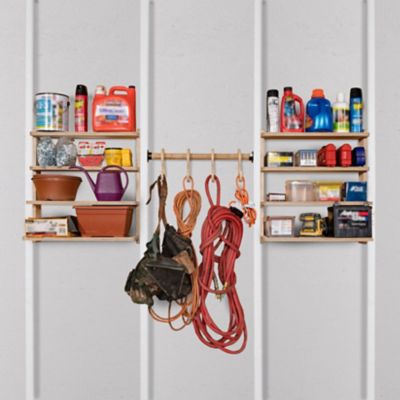
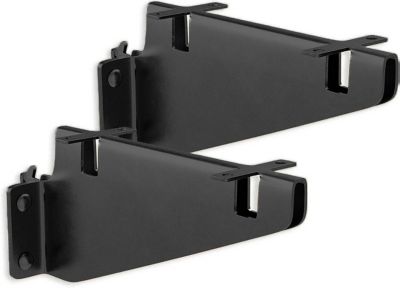
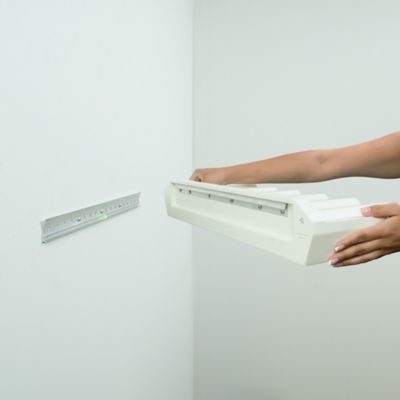
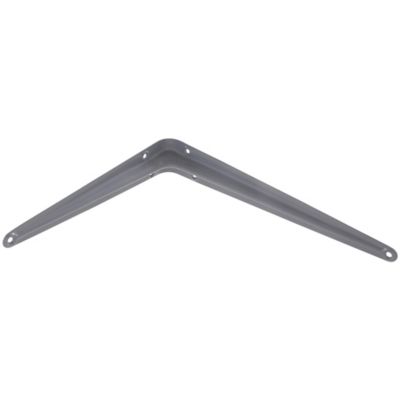
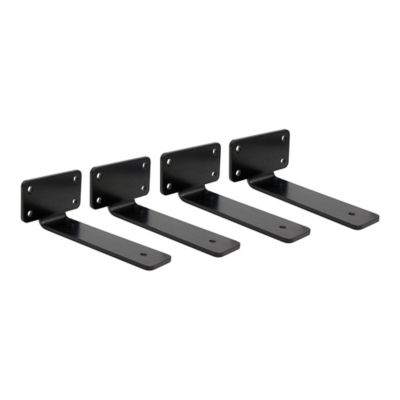
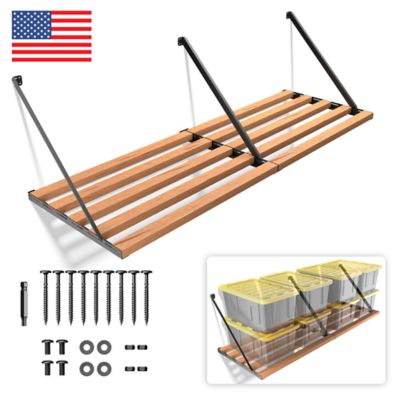
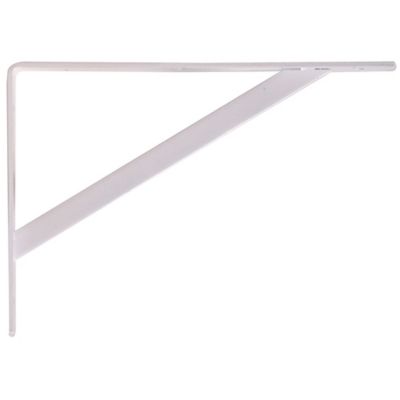
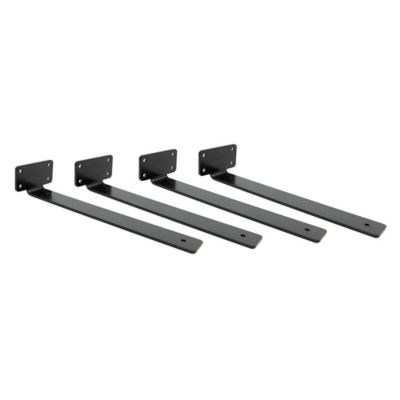
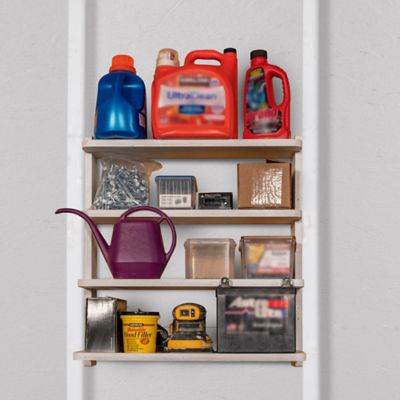
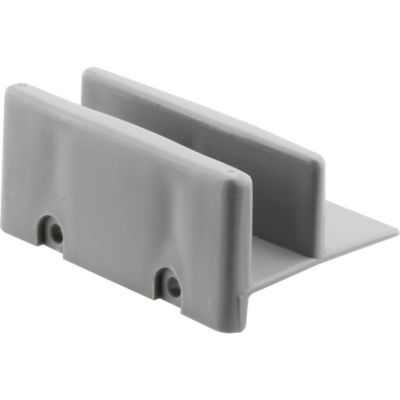
Adjustable shelving hardware supports shelves at different heights, making it easier to fit storage around the things that actually need a home. Shelf pins fit into rows of holes inside cabinets and bookcases, while wall standards and brackets create adjustable storage along an open wall. Pilaster strips pair narrow, slotted rails with matching clips, giving cabinet shelves another way to move up or down. Each setup serves the same basic purpose: changing the space between shelves without rebuilding the whole storage area. That flexibility comes in handy when a short row of paint cans gives way to taller containers, a pantry needs room for a countertop appliance, or a shop shelf needs to clear a tool case. Cabinet shelf supports keep most of the hardware tucked along the sides, leaving the shelf surface open. Wall-mounted systems make more sense where exposed brackets are no trouble, such as a garage, utility room, workshop, or tack room. Some concealed shelf supports offer adjustment for alignment or leveling, though that does not necessarily mean the shelf can move freely between different heights. The kind of adjustment matters as much as the appearance. A bracket that shifts between slots offers a different range of movement than a support with a small leveling screw. Shelf depth also changes how a setup works in everyday life. Shallow shelves keep small containers within easy reach, while deeper shelves make room for larger supplies but place more leverage on the supporting hardware. For folks organizing a farmhouse pantry, straightening a workbench area, or making better use of a small laundry room, adjustable shelf supports leave room for storage needs to change. A practical arrangement can keep frequently reached-for supplies close at hand while leaving enough clearance to lift a container off the shelf without scraping the shelf above it.
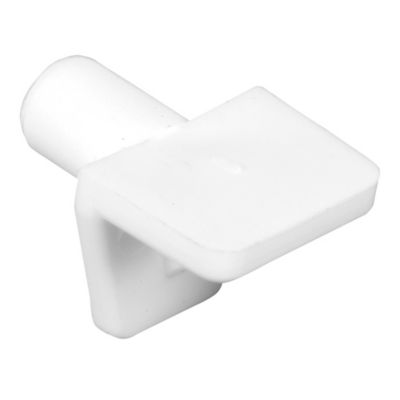
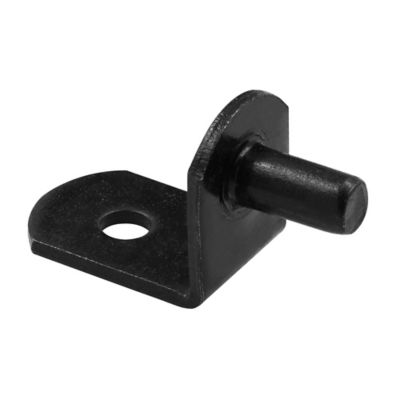
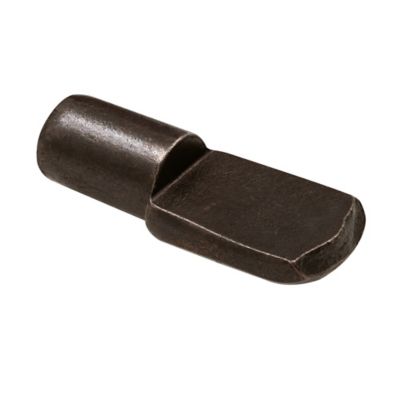
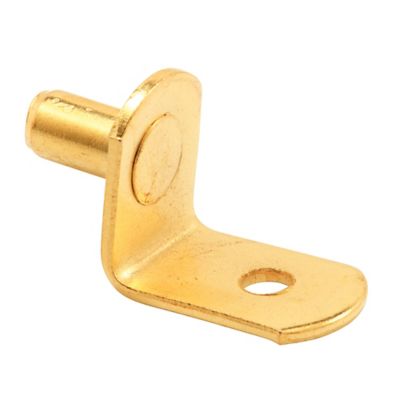
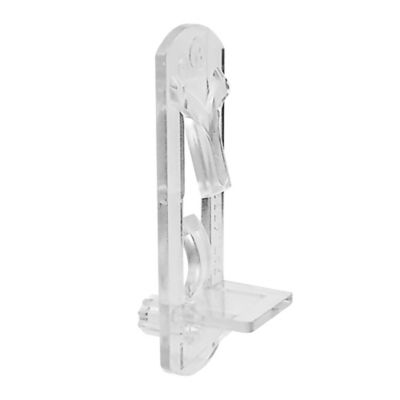
Fit starts with the connection between the hardware, the shelf, and the surface holding everything up. Shelf pins commonly come in 5 mm and 1/4-inch diameters, and those sizes are not interchangeable. Hole diameter, pin shape, and the amount of support beneath the shelf all affect the fit. Some supports have a flat resting surface, while others include a retaining feature intended to help keep a compatible shelf from shifting. Glass shelves may call for supports with protective contact surfaces, and wood or manufactured-wood shelves need support suited to their thickness and span. With track-style hardware, bracket compatibility depends on more than whether a hook slips into a slot. Slot spacing, hook shape, rail configuration, and the manufacturer's stated system compatibility all matter. Single-slot and double-slot standards should not be treated as interchangeable systems. Pilaster clips likewise need to match the rail profile rather than simply look close enough. Steel is a common material for standards and brackets, with painted, powder-coated, or plated finishes helping protect the surface. Stainless steel and certain other corrosion-resistant materials may suit spaces where moisture is a concern, depending on the application. Plastic and nylon supports can serve lighter cabinet applications when their ratings allow it. Load capacity belongs to the complete setup, not just the strongest-looking bracket. The shelf material, distance between supports, mounting fasteners, wall construction, and distribution of weight all play a part. A shelf carrying a few cleaning cloths asks something different of its supports than one holding dense containers or a row of books. Manufacturer load ratings may assume specific installation conditions and evenly distributed weight, so they should not be read as a promise for every arrangement. Wall-mounted storage needs fastening appropriate to the wall structure and stated load; drywall alone is not equivalent to attachment into framing. In a cabinet, sound side panels and properly fitting holes matter just as much as the small supports themselves. Keeping heavier supplies lower also makes everyday lifting easier and helps limit the consequences of a dropped container.
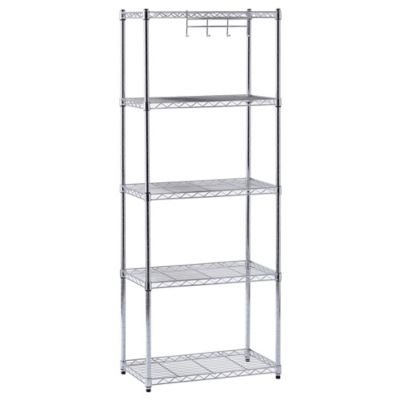
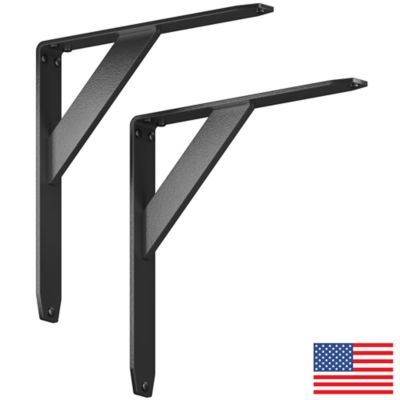
Good shelving hardware earns its place through ordinary chores: putting tools away after a repair, finding the right jar without moving three others, or clearing a work surface before the next job. Adjustment spacing makes a difference in those moments. Closely spaced holes or slots offer more choices when a tall bottle needs just a little extra headroom, while wider spacing may leave more open air above shorter supplies. Bracket shape matters, too, especially where an angled brace could interfere with containers on the shelf below. A shelf near a doorway needs enough clearance for people carrying buckets, baskets, or tool bags, and storage over a workbench should leave room for the tasks happening underneath. Matching support heights helps shelves sit level, while a shelf material suited to the unsupported span helps limit sagging. Care is generally straightforward, but it depends on the material and finish. Dust and shop grit can collect in slots and around clips, so an occasional wipe makes those connection points easier to inspect. Cleaning products should be compatible with the finish, and excess moisture should not sit on metal hardware or soak into shelf edges. Bent brackets, loose fasteners, damaged coatings, cracked supports, or holes that no longer hold pins snugly deserve attention before more weight goes onto the shelf. Adjustable does not mean movable under load; clearing a shelf before changing its position keeps the job more manageable and reduces the chance of a support slipping free. Where wall attachment is not the right fit,
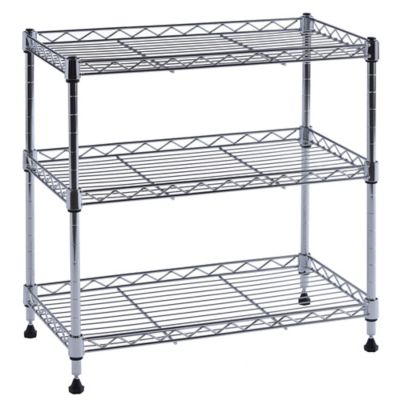
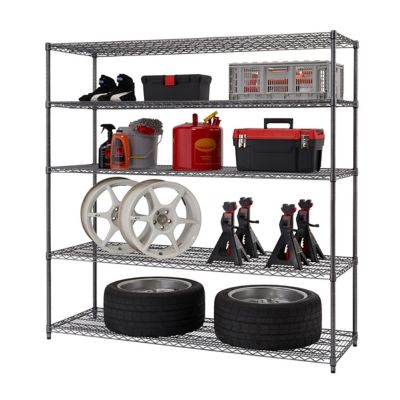
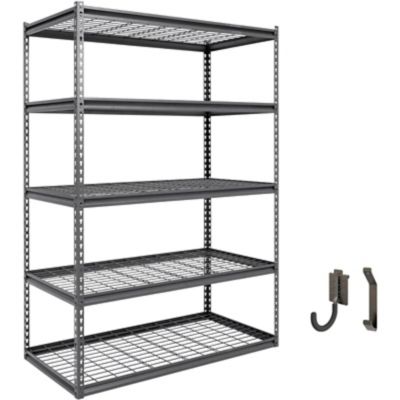
Adjustable Wire Shelving Units offer a freestanding approach, with shelf adjustment and weight limits determined by their own design. For cabinet interiors or wall-mounted storage, compatible adjustable shelving hardware keeps the focus on usable space. The right combination leaves room for tall supplies, keeps smaller things from getting buried, and gives a busy shop or household storage that can change along with the work.