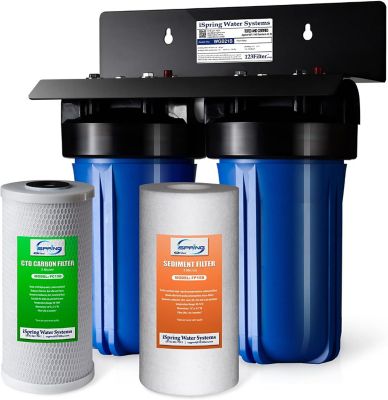
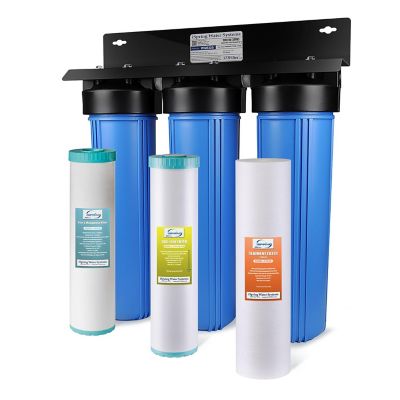
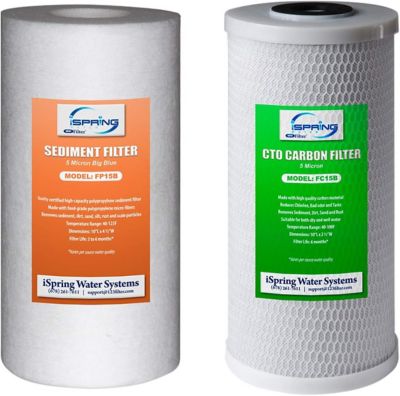
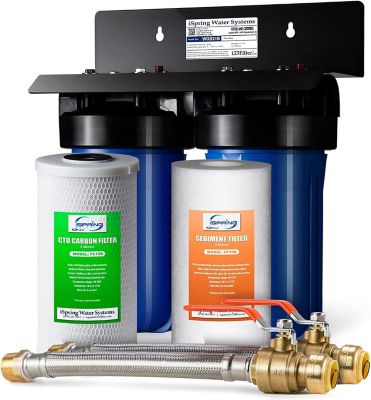
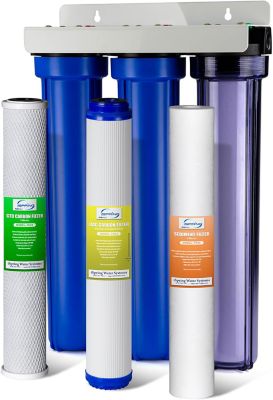
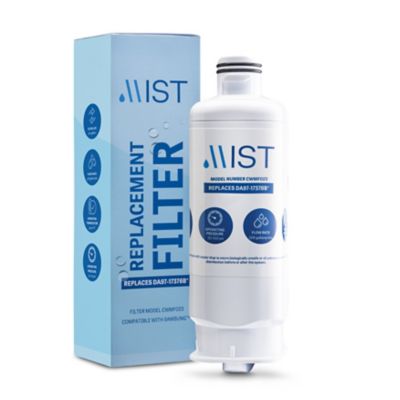
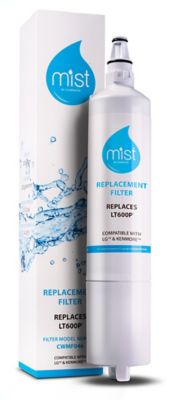
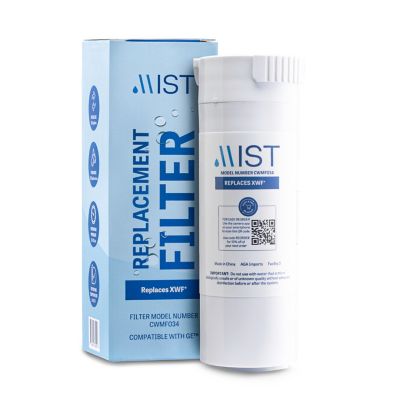
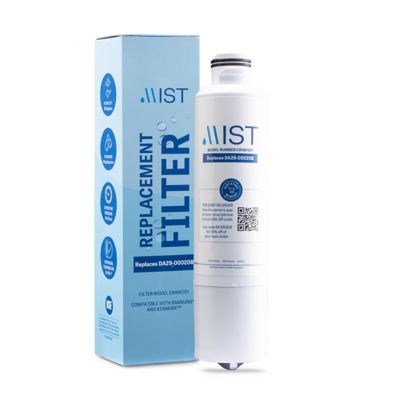
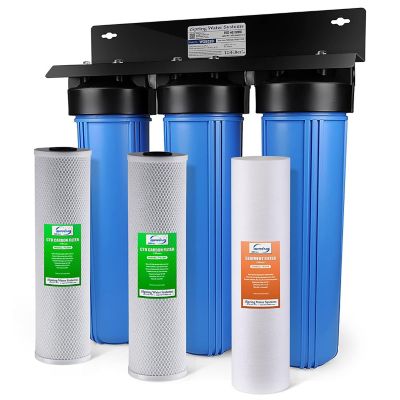
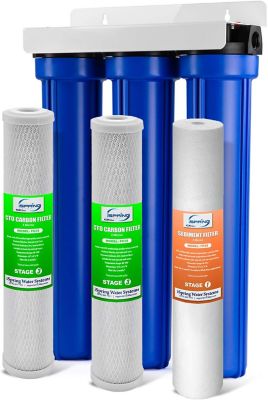
A 5-micron whole house water filter catches fine sediment as water enters a home's plumbing, helping keep sand, rust flakes, and other suspended particles from traveling to faucets, showers, and water-fed appliances. Installed on the main supply line, this type of filtration serves the connected household rather than just one drinking-water tap. That makes it a practical fit for a farmhouse on a private well, a country home with municipal service, or a property where grit keeps turning up in faucet screens. A micron is one-millionth of a meter, so a 5-micron rating describes filtration at a scale far smaller than the width of a human hair. The rating alone, though, does not tell the whole story. Nominal ratings describe removal of a stated proportion of particles at the rated size, while absolute ratings generally indicate a higher, defined removal efficiency under specified test conditions. Manufacturer performance information is the best basis for comparing those claims. Sediment cartridges in this category target physical particles, including some silt, but finer clay and dissolved substances can pass through. A sediment filter does not soften hard water or, by itself, make water safe to drink. Carbon-based cartridges may also reduce chlorine taste and odor when their performance specifications support that purpose. For a household dealing with both grit and chlorine, sediment and carbon filtration can work together in a multistage setup. For well water, testing helps distinguish ordinary sediment from concerns such as dissolved iron, manganese, nitrates, or bacteria that call for other treatment. The everyday benefit of properly matched sediment filtration is straightforward: less particulate debris reaching the places where water does its work. That can mean less sand collecting in an appliance inlet screen or less rust settling in a bathroom faucet aerator. It is a useful layer of protection for household plumbing, without treating one filter as the answer to every water problem.
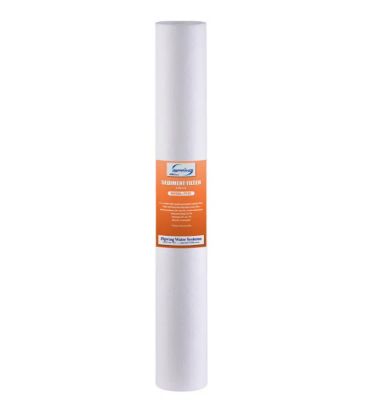
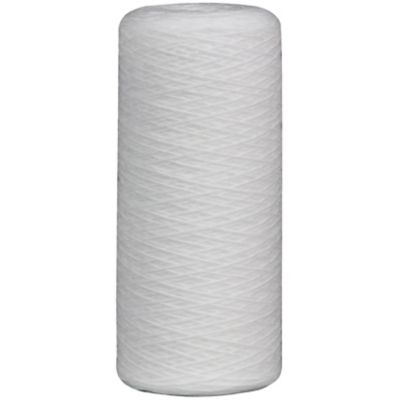
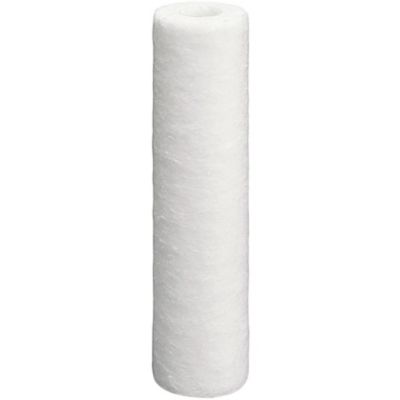
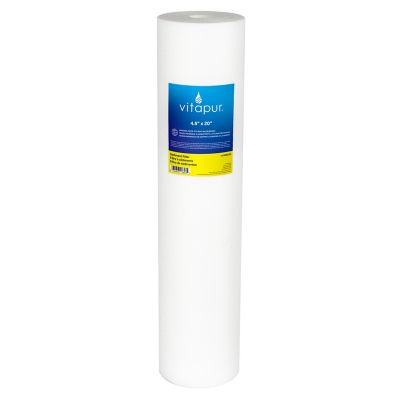
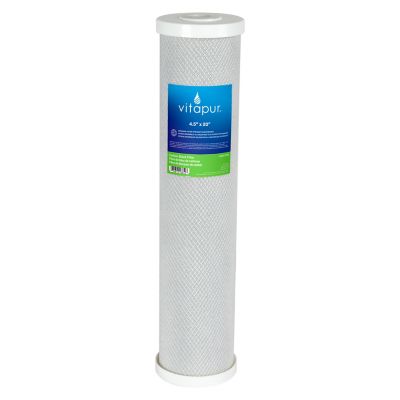
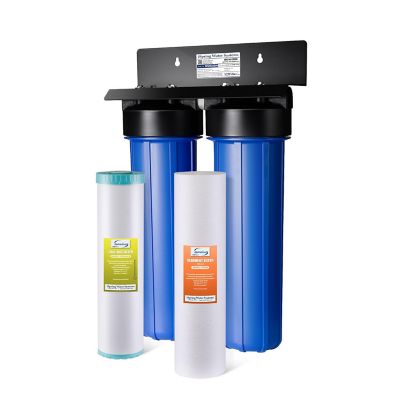
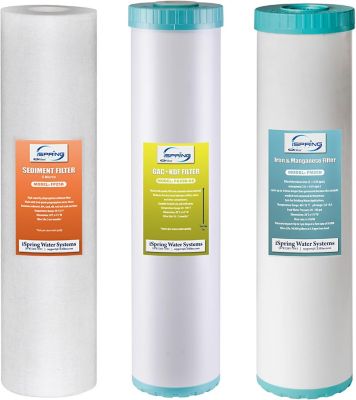
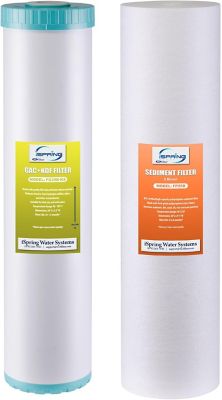
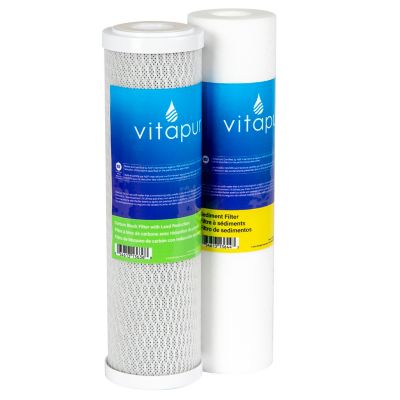
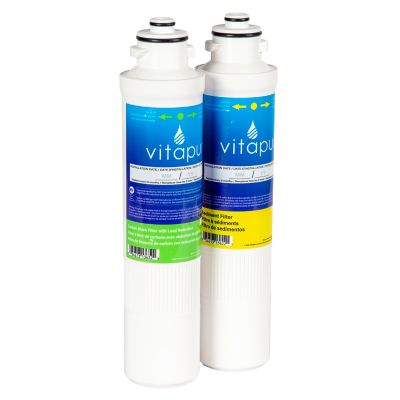
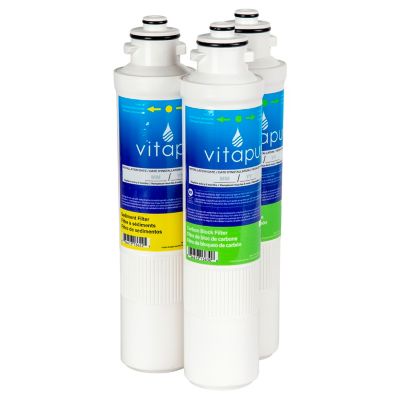
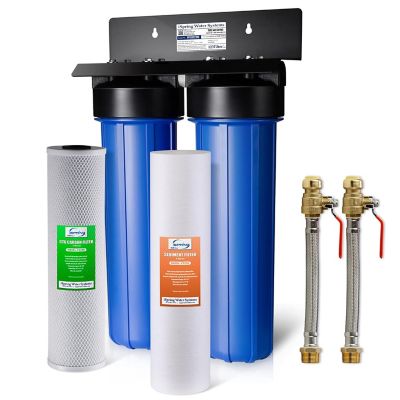
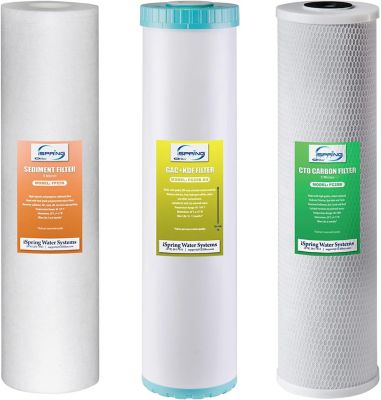
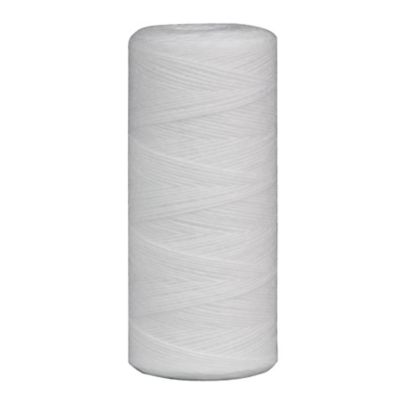
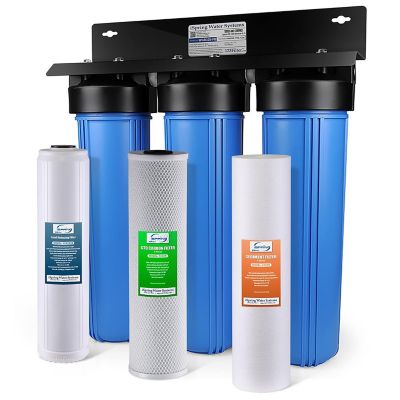
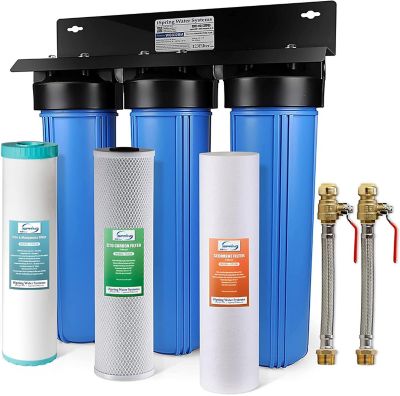
Filter material and construction make a difference in how 5-micron whole house water filters handle that workload. Melt-blown polypropylene cartridges have a depth-filter structure that captures particles within the material, with some designs using progressively finer layers toward the center. String-wound cartridges trap sediment within layers of wound fibers, while pleated cartridges provide a folded surface for collecting debris. Some pleated designs permit cleaning, but many replacement elements are disposable; washability should come from the manufacturer's directions, not from how sturdy a cartridge looks. Carbon block cartridges combine a formed carbon element with particle filtration and may address chlorine taste and odor as well as sediment. Their treatment capacity and service flow deserve separate attention, since catching grit and reducing dissolved chemicals are different jobs. Fit is just as important as filter media. Cartridge length, outside diameter, end style, and sealing surfaces all need to match the housing. Two cartridges described with the same general size can still differ in ways that affect installation or allow water to bypass the filtering material. A selection of
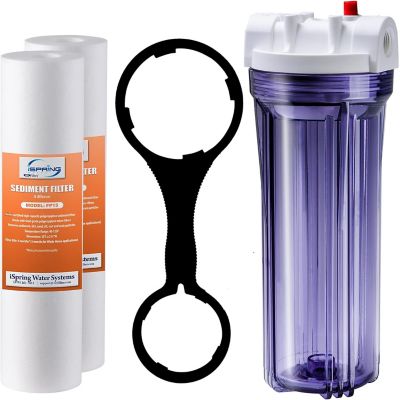
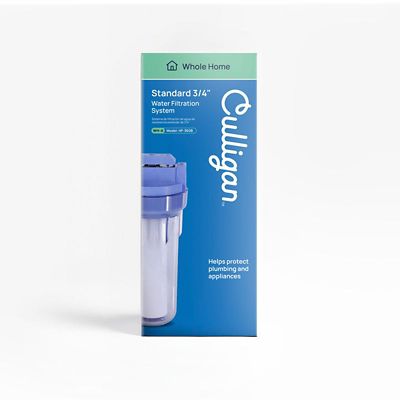
Whole House Water Filter Cartridges can help homeowners compare replacement formats with the dimensions and requirements of an existing system. For a complete housing assembly, inlet and outlet connections, pressure limits, temperature limits, and materials rated for the intended water service also matter. Many household filter housings are intended for cold-water lines, not hot-water plumbing. Enough clearance beneath the housing makes future cartridge changes easier, especially in a tight utility room or basement corner. Housing construction and seal condition also affect service life: damaged threads, a cracked sump, or a worn O-ring can cause leaks even when the cartridge fits. On a rural property, the installation location determines whether filtration serves only the house or also supplies outbuildings and outdoor taps. Sending irrigation water through a household cartridge can add considerable sediment and water volume to its workload, so the plumbing layout deserves attention along with the filter itself.
Water demand helps determine whether a 5-micron whole house filter feels like a good match once the laundry, shower, and kitchen sink are running together. A micron rating does not establish a filter's gallons-per-minute capacity or guarantee a particular water pressure. Flow depends on the cartridge's dimensions and media, the housing and pipe connections, incoming pressure, and how much sediment has already collected. A larger filtering area may support greater flow or hold more debris, but rated performance is what matters for the complete setup. This is especially relevant in a busy household where chores overlap, or where a well pump already delivers modest pressure. As a cartridge fills with sediment, pressure loss across the filter generally increases. Pressure gauges before and after the housing can help show that change, while a noticeable reduction in flow may signal a need for inspection. Replacement timing varies with water consumption, sediment load, cartridge capacity, and the manufacturer's service limits. Three to six months is a common interval for some sediment cartridges, but heavy grit can shorten that period substantially; a calendar alone cannot establish when a filter needs changing. Carbon cartridges also have treatment-capacity limits, and chlorine reduction may decline before a major pressure change becomes noticeable. Where incoming water carries plenty of coarse sand, a suitable prefilter ahead of the 5-micron stage can help keep the finer cartridge from filling too quickly. Routine care includes shutting off the supply, relieving pressure before opening the housing, and cleaning or sanitizing components as directed. Seals need inspection, and replacement cartridges need any required flushing before normal service resumes. During cooler weather, housings in pump houses, crawl spaces, and other exposed locations need protection from freezing within their installation requirements. For homeowners keeping a busy place running, the right combination of filtration, fit, flow, and upkeep makes this category a practical part of everyday water-system maintenance.