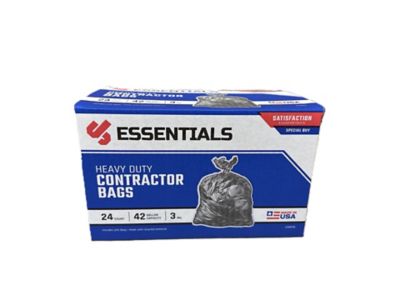
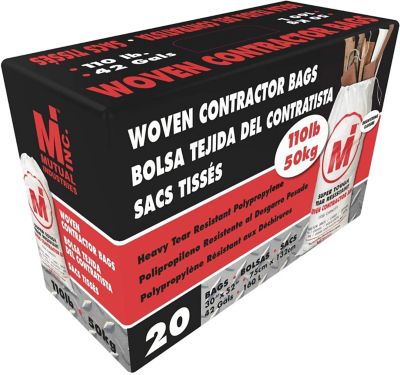
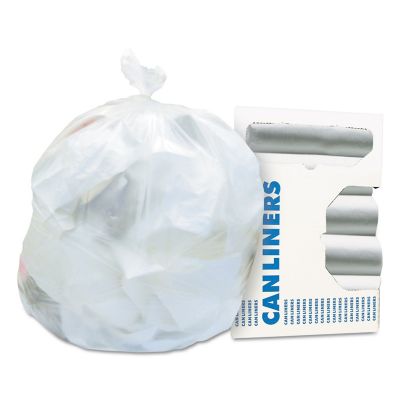
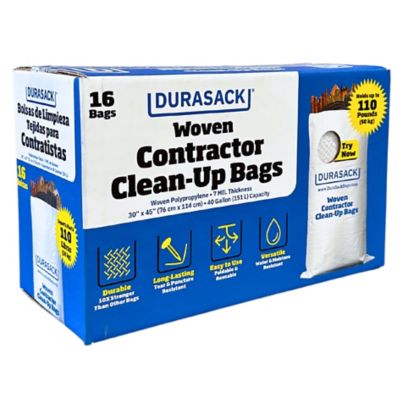
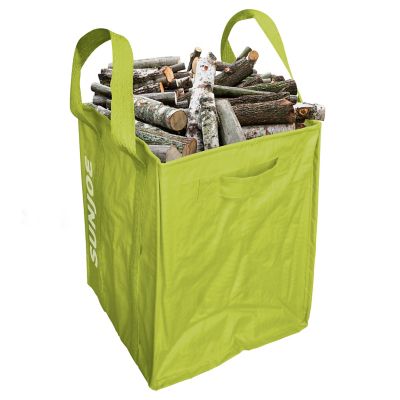
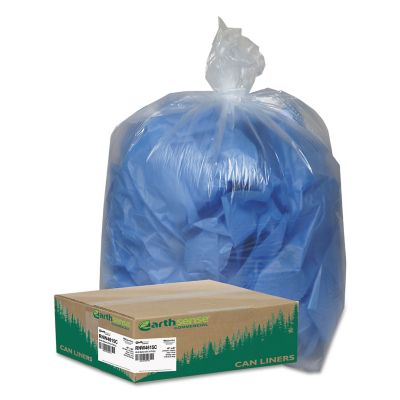
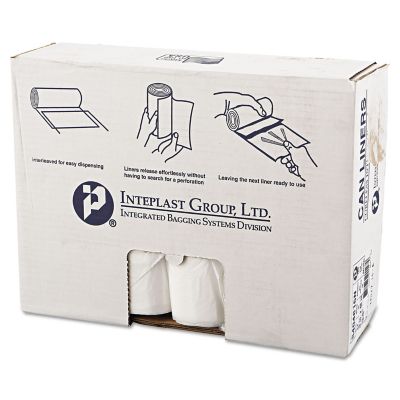
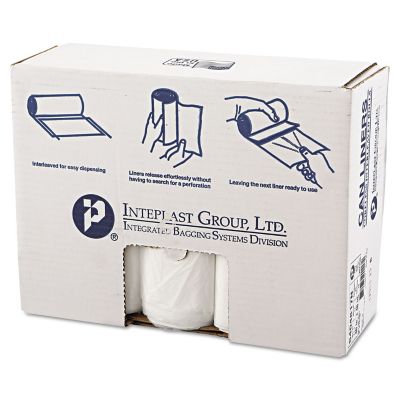
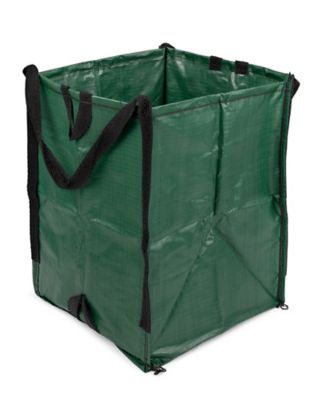
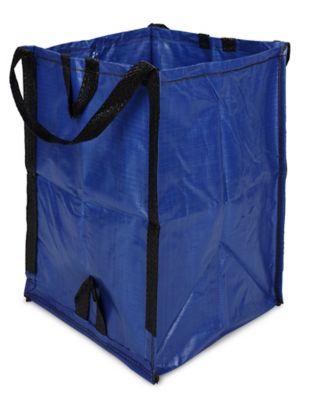
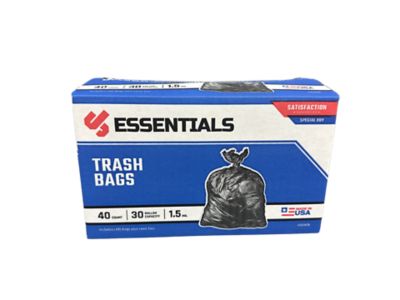
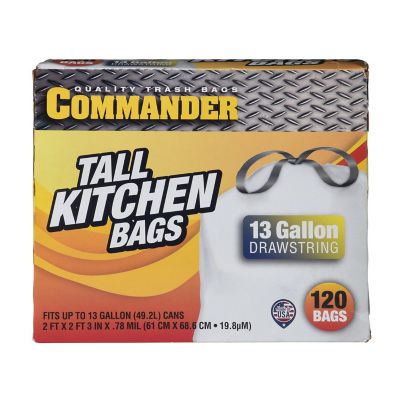
42 gallon contractor bags are made for the big, messy jobs that call for more than an ordinary kitchen bag can handle. With room for bulky debris and a heavier build, they’re a practical choice for contractors, ranchers, farmers, property owners, maintenance crews, and do-it-yourselfers tackling cleanup around the house or outbuildings. A 42-gallon bag commonly measures about 32 to 33 inches wide and 45 to 48 inches high, giving it enough capacity for rolled-up cardboard, torn-out flooring, worn bedding, dry leaves, grass clippings, and other large loads. Many are made from low-density polyethylene, a flexible plastic that can stretch around uneven materials without splitting as easily as thinner household liners. Recycled content may also be part of the material, depending on the bag, so checking the package details can help you choose an option that fits your preferences. For jobs with ordinary household and yard debris, a standard heavy-duty contractor bag can make cleanup faster and less frustrating. For renovation work or sharp, jagged material, look for a thicker bag. Thickness is measured in mil, with 1 mil equal to one-thousandth of an inch. Bags around 2 mil can work for lighter cleanup, while 3 mil is a common heavy-duty choice for construction debris and general property work. A 6 mil bag offers extra reinforcement for especially rough loads, though even a thick bag should not be treated as puncture-proof. Broken tile, nails, screws, splintered wood, wire, and sharp metal edges can damage any plastic bag, so wrap or pad those items when possible and lift from the bottom instead of dragging a full bag across concrete.
These large contractor bags can come in handy anywhere a busy property collects more waste than a regular trash can can hold. During the cooler months, they’re useful for clearing leaves from around barns, sheds, fence lines, and driveways, gathering dead garden plants, or hauling out old straw and non-hazardous bedding. A homeowner working through a basement, garage, attic, or storage shed can use them to consolidate empty feed sacks, worn textiles, packing material, and household clutter before making a donation or disposal run. They also fit naturally into remodeling projects, whether the work involves removing drywall, pulling up carpet, replacing cabinets, or cleaning out a room before painting. On a jobsite, keep bags close to the work area so scraps go straight into the liner instead of piling up underfoot. Drywall chunks, wood offcuts, insulation, and light demolition debris are common uses, but local disposal rules may limit what can go in the same load. Check with the transfer station or waste hauler before bagging paint, solvents, treated lumber, roofing material, pesticides, batteries, or other regulated waste. For yard cleanup, avoid overfilling the bag with wet soil, stones, or freshly soaked leaves; heavy moisture adds weight quickly and makes the bag harder to move. A simple rule is to leave enough room at the top to gather the opening without stretching the plastic tight. True-tie flaps, when included, are long extensions of the bag that can be pulled together and tied securely. They help keep lighter debris contained and make a full bag easier to close, carry, or stage for pickup. If tie flaps are not part of the design, twist the top several times and secure it with a sturdy tie or cord, while keeping the closure loose enough to avoid tearing.
When choosing 42 gallon contractor bags, match the bag to the material, the distance it must be carried, and the conditions at the cleanup site. A large capacity is helpful, but a bag packed until it is too heavy to lift is not an efficient load. For a long walk from a back pasture, barn, or backyard, several smaller loads may be safer than one overloaded bag. If the debris is damp or likely to shift, extra thickness and a strong closure can make a noticeable difference. A dispensing box or roll format can also save time when a crew is moving from one task to the next, especially on a busy farm or renovation site. Clear bags may be useful when the contents need to be identified for sorting, while darker bags help conceal ordinary trash and yard debris; always follow local rules for color-coding and recycling. Store unused bags in a dry place away from direct sunlight, heat sources, fuel, and sharp tools. Keeping a roll in the garage, workshop, truck, or utility room means it’s ready when a storm drops branches, a fence repair creates a pile of scraps, or a long-overdue cleanout finally gets underway. They can also be paired with a sturdy can, dolly, or wheeled cart for easier handling, though the liner should fit the container without being stretched over rough edges. For lighter household cleanup or loads that do not need a contractor-grade build, explore
Extra Large Trash Bags for another roomy option. A dependable supply of properly sized bags is one of those small preparations that pays off in real time: less loose debris blowing across the yard, fewer trips with armfuls of scraps, and a cleaner work area from the first pass to the final sweep.