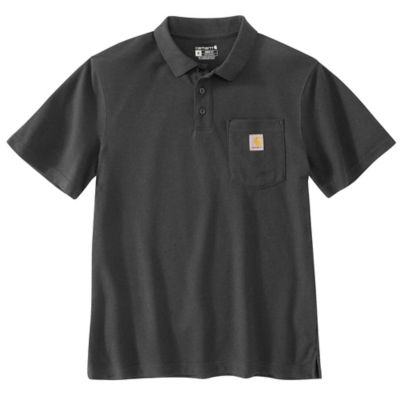
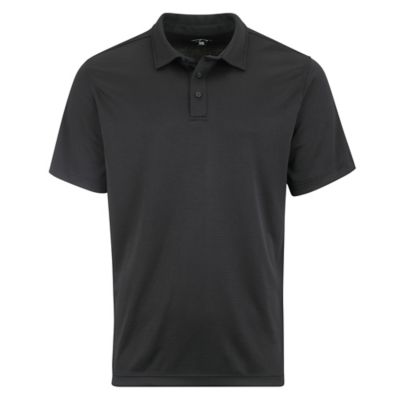
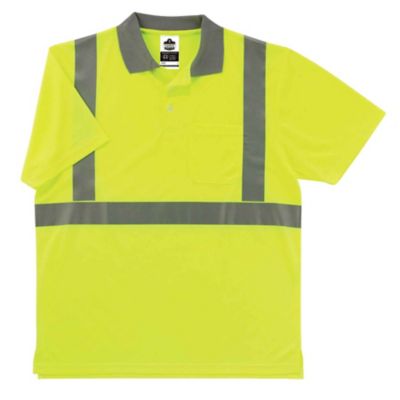
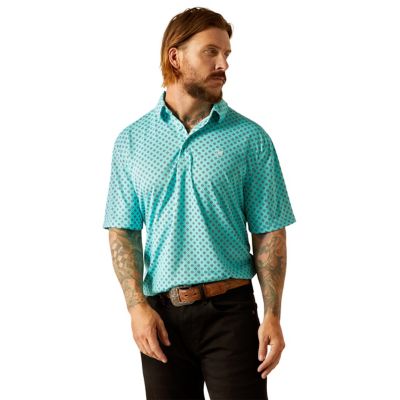
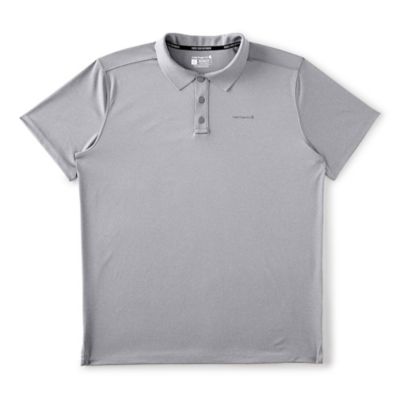
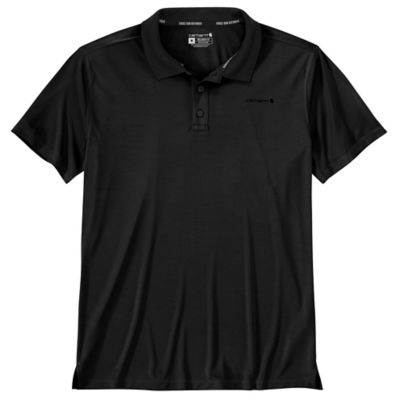
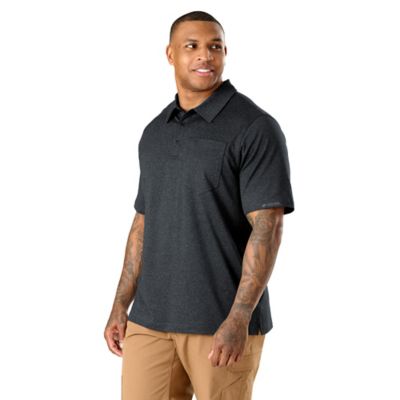
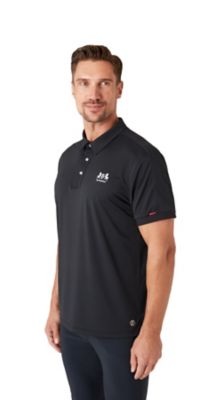
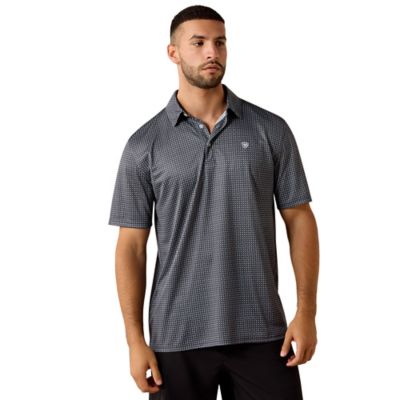
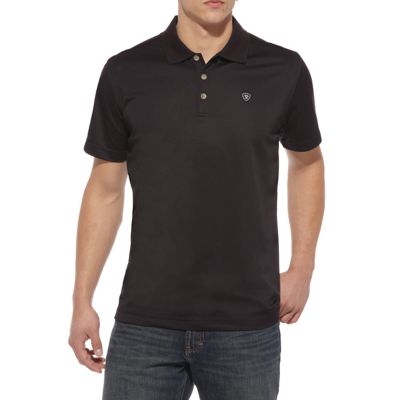
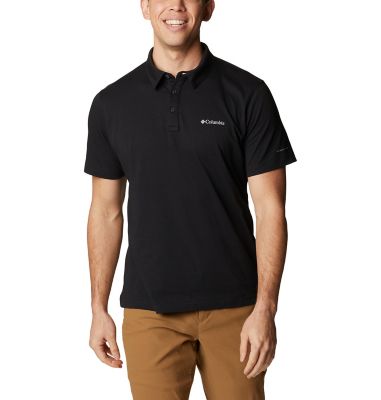
Work polo shirts combine a collared, put-together look with the freedom of movement needed for hands-on jobs. They bridge the gap between a basic T-shirt and a button-front work shirt, making sense for days that include both physical tasks and face-to-face business. A farm manager might check a delivery, meet with a supplier and handle paperwork without changing shirts between stops. A service technician might go from loading tools into a truck to walking a property with a client. The collar and short button opening give a polo its recognizable shape, while knit construction generally allows more give than a traditional woven shirt. Fabric makes a noticeable difference in how that shirt feels through a full shift. Cotton offers a familiar, soft feel and absorbs moisture, though it can stay damp longer than some synthetic fabrics. Polyester often dries faster and helps a shirt keep its shape through repeated washing. Cotton-polyester blends bring those characteristics together, with the balance depending on the fabric percentages and construction. A small amount of stretch fiber can add give when reaching across a workbench or climbing into a truck cab. Fabric texture matters, too. Piqué knit has a lightly raised surface, while jersey knit tends to feel smoother against the skin. Neither texture alone tells the whole story about fabric weight, airflow or resistance to snagging. Those details depend on how the material is made. Moisture-wicking treatments help move perspiration across the fabric so it can evaporate, but not every work polo has that feature. Stain-release finishes may help certain marks wash out more readily, without making a shirt stainproof. For work that involves frequent contact with rough surfaces, resistance to abrasion and pilling deserves attention alongside softness. A shirt that feels right at the feed counter may face different demands on a delivery route, around shelving or at an equipment service desk.
Fit affects both appearance and how comfortably a work polo moves through everyday tasks. Shoulder seams that sit near the shoulder edge help the sleeves hang naturally, while enough room across the back makes reaching forward less restrictive. A shirt should allow bending and lifting without pulling hard across the chest or riding up at the waist. Extra fabric is not always helpful, either; an overly loose torso can bunch beneath a belt or catch against nearby objects. Straight cuts leave more room through the middle, while shaped cuts follow the body more closely. Size labels alone do not show those differences, so garment measurements and fit descriptions offer a better basis for comparison. Body length matters for anyone who keeps a shirt tucked in, especially when leaning over a fence rail or reaching into a pickup bed. A straight hem or a hem with side vents can sit differently when worn untucked, and longer back hems may provide more coverage during movement. The familiar neckline of
Three Button Polo Shirts offers a little adjustment at the collar without the full button front of a woven work shirt. Collar construction also changes the look: a firmer collar holds a more defined outline, while a softer knit collar feels less structured. Sleeves need enough room for the upper arm without binding at the opening. Short sleeves leave the forearms free, while long sleeves provide more coverage where the task allows it. Chest pockets can keep a pen close at hand, though pocket contents should not interfere with bending or equipment operation. Seams, tags and embroidery placement can also affect comfort beneath a shoulder strap. For crews who work directly with clients, a consistent color and fit can create a coordinated appearance without the formality of dress shirts. Darker shades may make some marks less noticeable, but they still need the same attention to cleaning as lighter colors.
Repeated wear and laundering are part of the job for work clothing, so care requirements belong in the decision alongside fit and fabric. The care label gives the proper washing and drying directions for the particular fiber blend, finish and construction. Separating heavily soiled workwear from lightly worn clothing helps keep grease and ground-in dirt from spreading through the load. Prompt treatment of a spot can make a difference, but the treatment needs to suit both the fabric and the stain. Scrubbing hard at one small area can roughen the surface or leave a visible patch. Fabric softener can interfere with moisture-management finishes on some shirts, making label directions especially important for performance fabrics. Excessive dryer heat may contribute to shrinking or affect stretch fibers, while removing a shirt promptly after drying can reduce wrinkles and help the collar settle into shape. Fastened hook-and-loop closures, exposed zippers and rough laundry companions can snag knit fabric, so keeping them away from polos during washing helps protect the surface. Between shifts, checking button attachment, side seams and pocket edges can catch small problems before they become bigger tears. Rotating shirts spreads wear across the wardrobe rather than putting every wash cycle on the same garment. Intended use remains just as important as upkeep. An everyday work polo is not a substitute for required protective clothing, and a bright shirt is not automatically certified high-visibility apparel. Jobs involving flame hazards, electrical exposure, chemicals or moving machinery call for the clothing and protective equipment specified for the task. Within those boundaries, polos fit plenty of everyday roles, from farm office work and equipment sales to property maintenance estimates and delivery stops. They can also make practical gifts for a family member starting a new job, managing a small business or taking on a crew-lead role. Knowing the recipient’s measurements, preferred fit and workplace dress requirements makes that gift more likely to become a regular part of the workweek.