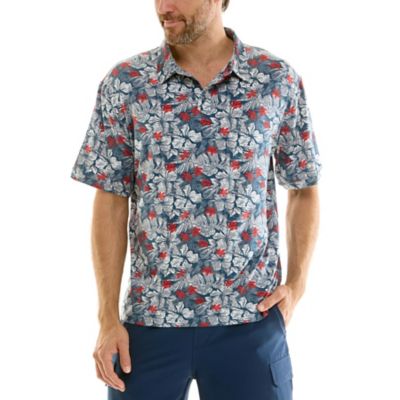
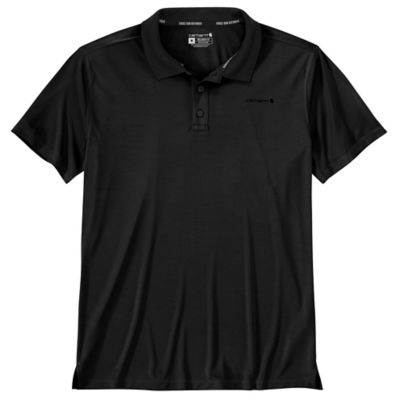
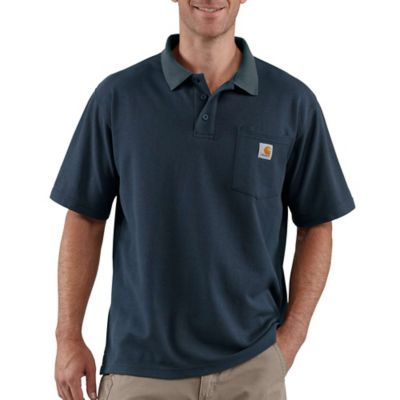
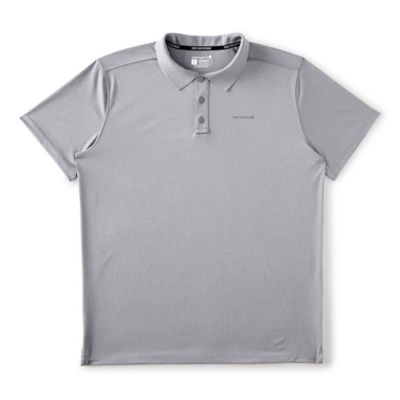
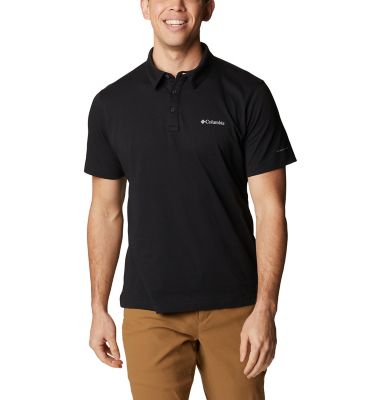
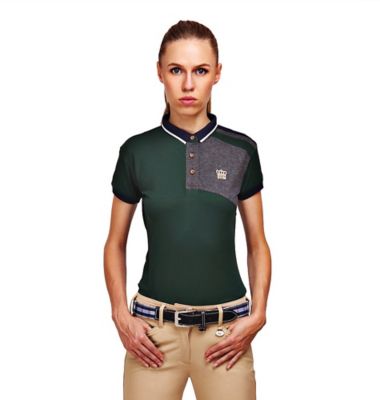
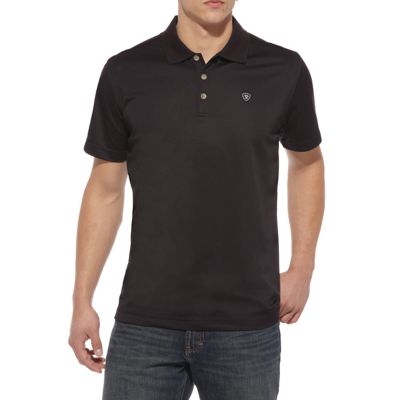
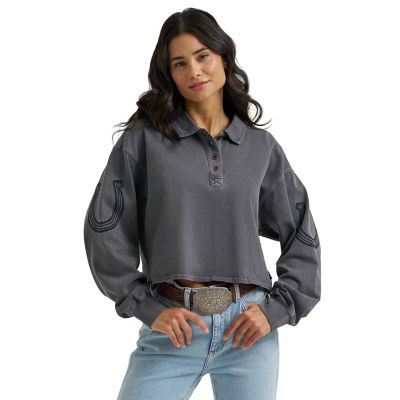
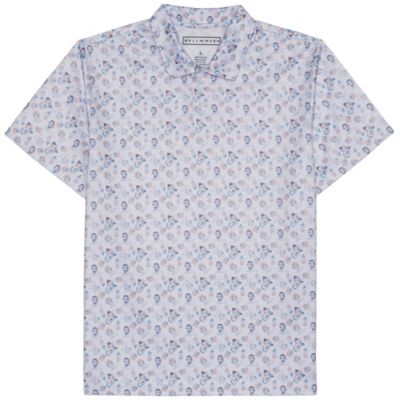
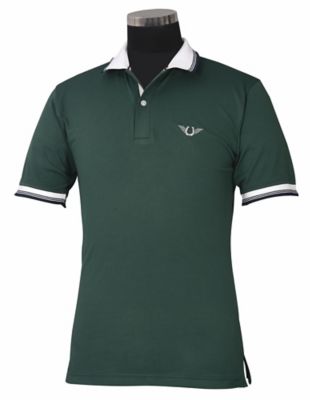
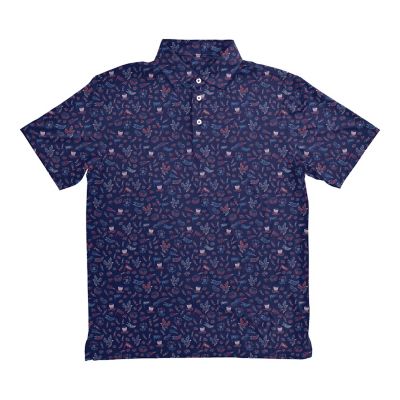
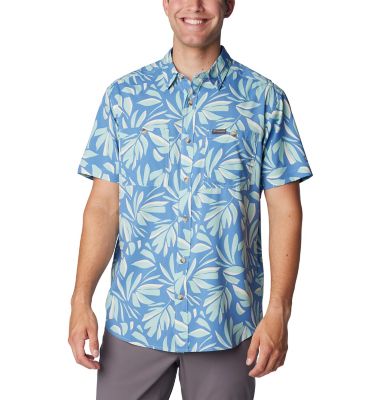
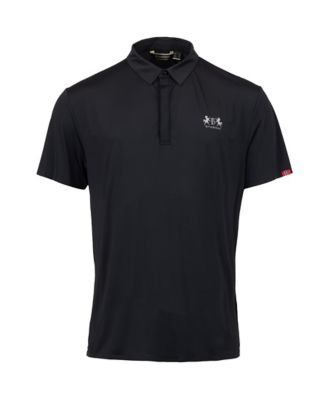
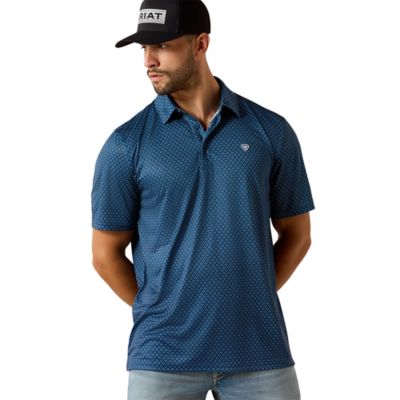
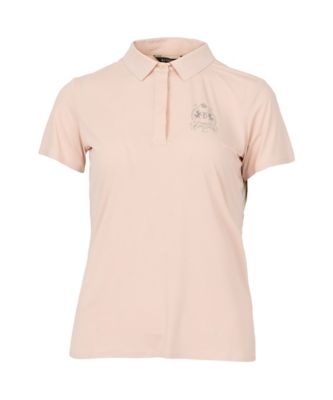
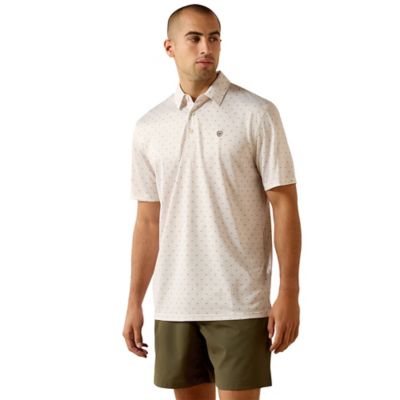
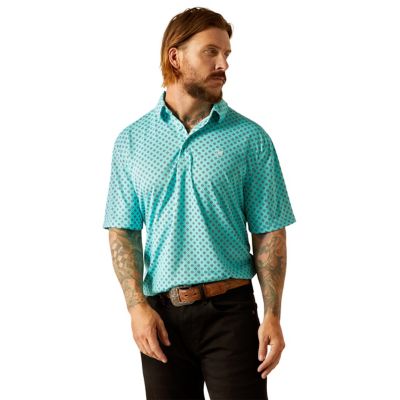
Three-button polo shirts pair a folded collar with a short front opening, called a placket, secured by three buttons. That simple construction lands between a T-shirt and a button-front shirt: easygoing enough for everyday errands, yet tidy enough for many business-casual settings. Fastening more of the buttons gives the neckline a closer, more finished look, while leaving the top button open keeps it relaxed. The button count describes the neckline, not the fabric or fit, so two three-button polos can feel quite different once they’re on. A cotton polo often has a soft, familiar feel that works well for trips into town, church suppers, and afternoons spent catching up with neighbors. Piqué knit has a lightly raised texture, while jersey knit has a smoother surface and generally drapes more like a T-shirt. Polyester and cotton-polyester blends bring other possibilities, including fabrics designed to dry faster or resist wrinkles. Those features depend on the shirt’s construction and finish, rather than the three-button design alone. Stretch blends can provide extra give across the shoulders and back, which comes in handy when reaching for a shelf or climbing into a pickup. Fabric weight matters, too: a lighter knit tends to fall closer to the body, while a more substantial knit can provide greater coverage and a firmer shape. Neither is automatically the better choice; the right feel depends on the wearer and the job at hand. Solid colors give the collar and placket a clean, simple outline, while stripes, small patterns, and contrasting trim bring a little more character to the same familiar shape. A chest pocket adds a handy spot for a pen or folded note, though a pocket-free front keeps the shirt more streamlined. These details make three-button polos a practical option for folks who want something neater than a tee without dressing up in a full button-front shirt. They work with jeans, chinos, and suitable work pants, making it easy to put together an outfit without much fuss.
Fit has a lot to do with whether a polo stays comfortable through a full day. On a traditional set-in sleeve, the shoulder seam should sit near the edge of the shoulder rather than pulling toward the neck or hanging far down the arm. Across the chest, the fabric should lie smoothly enough that the placket stays flat instead of spreading between the buttons. A little room through the middle makes sitting, bending, and reaching easier, especially for someone moving between a desk, a service counter, and light tasks around the property. Relaxed cuts allow more space through the body; closer cuts follow the torso more closely. Those labels vary, so garment measurements and size charts tell more than the size letter alone. Sleeve openings should leave room for movement without squeezing the upper arm, and long sleeves should allow the elbow to bend freely. Length deserves a look as well. A polo worn untucked generally sits best when it covers the waistband without hanging so low that it bunches when sitting. For a tucked-in outfit, a longer body can help keep the hem in place through repeated reaching. Side vents and stepped hems can change how the shirt sits over the hips, so the back length matters as much as the front. Three-button polo shirts suit plenty of everyday roles, from a farm office and equipment sales desk to a school meeting or volunteer event. For jobs that call for a coordinated shirt rather than a full uniform, the
Work Polo Shirts collection is another useful place to browse. Workplace requirements still come first: an ordinary polo does not take the place of task-specific protective clothing. For everyday wear, a flat collar, comfortable armholes, and a placket that stays straight can make more difference than extra trim. A shirt that looks tidy while standing should feel just as comfortable when settling into a chair or reaching across a counter.
Regular wear puts the collar, cuffs, seams, and button attachments to the test, so those small construction details deserve attention. Even stitching, neatly finished seams, and firmly attached buttons help a polo stand up to repeated wear and laundering. A collar with enough structure to lie flat keeps the neckline looking put together, while a stable placket helps prevent twisting or puckering around the buttons. No fabric stays at its best without suitable care, and the garment label is the best starting point. Cotton can shrink under some washing and drying conditions, while blends and performance finishes may have their own care requirements. Following the listed wash settings, separating colors when needed, and treating stains promptly can help protect the fabric’s appearance. Turning a shirt inside out may reduce surface rubbing during washing, and keeping it away from exposed hook-and-loop fasteners can help prevent snags. Some moisture-managing fabrics call for avoiding fabric softener, so that detail is worth checking rather than assuming every polo belongs in the same load. Taking shirts out of the dryer promptly and smoothing the collar and placket can cut down on stubborn creases. If ironing is permitted, the heat setting should match the fabric, with extra care around printed details and trims. A loose button is easier to secure before it comes off, and a small snag is less trouble when it isn’t pulled into a longer thread. These everyday habits help a favorite shirt stay presentable for more than just its first few outings. Three-button polos also make practical gifts for someone who likes comfortable clothes with a bit of polish, whether that’s a parent, a graduate starting an office job, or a family member who spends plenty of time helping at community events. Matching a familiar fit and preferred fabric is usually a better bet than guessing from color alone. With the right proportions and a feel the wearer enjoys, a three-button polo can earn a steady place beside the jeans and work pants already doing their share.