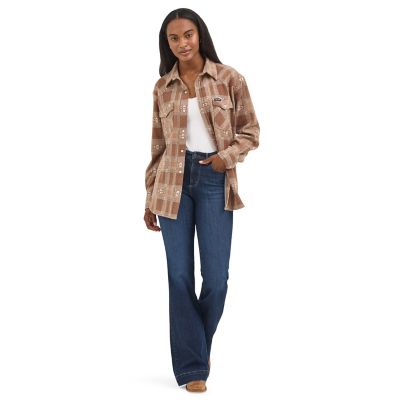
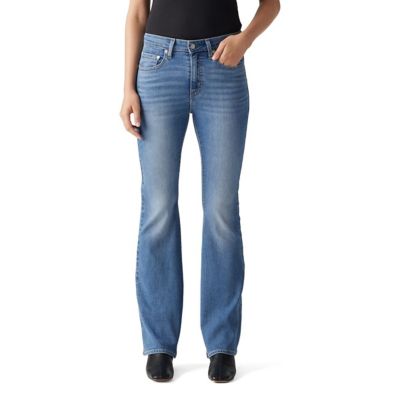
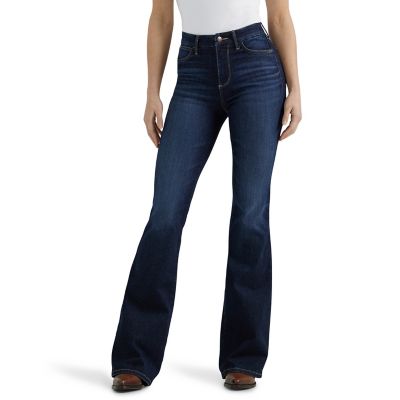
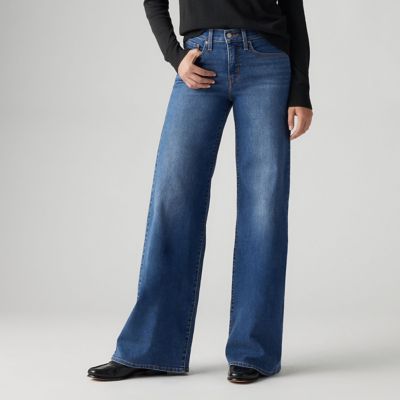
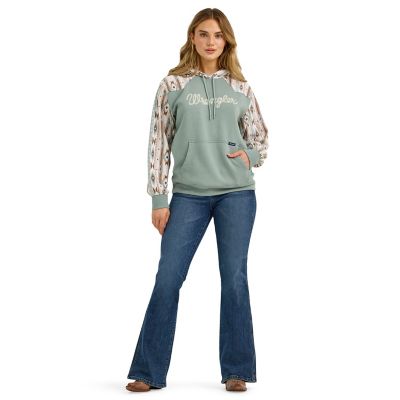
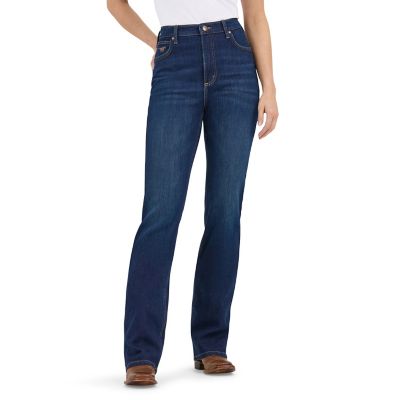
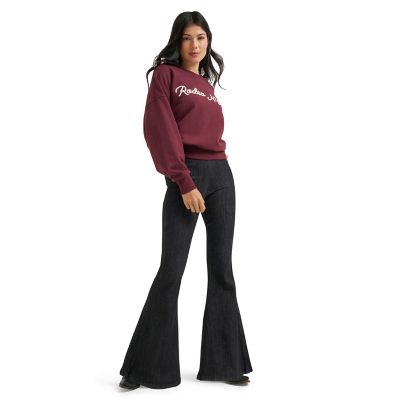
Women's stretch flare jeans are denim pants with added stretch, a closer fit through the hips and thighs, and legs that widen from around the knee to the hem. That shape brings a little swing to an everyday outfit while leaving room around the lower leg for boots. The stretch comes from fibers such as elastane, also called spandex, blended with cotton denim. Some blends also include polyester or other fibers that affect softness, drape, and how well the fabric returns to shape after wear. Cotton gives jeans their familiar denim feel, while stretch helps with everyday movements like stepping into a pickup, bending to tie a boot, or settling into a chair. The amount of stretch matters, but the fiber percentage alone doesn't tell the whole story. Fabric weight, weave, and construction also influence how a pair feels after several hours. A lighter fabric may drape more loosely through the flare, while a heavier denim can give the leg a more structured outline. Neither feel is automatically better; it comes down to whether the preference is for an easy, flexible fit or a firmer denim feel. Rise is another part of that comfort. A high rise sits near or above the natural waist, a mid-rise sits between the waist and hips, and a low rise sits farther down toward the hips, though the exact placement varies by body and design. Higher waistbands can pair neatly with tucked shirts, while a lower rise changes where the jeans sit beneath a longer top. A comfortable waistband stays put without pinching when seated, and the seat and thighs should allow movement without pulling hard at the seams. Stretch should add ease, not make up for a size that feels too tight. Pockets, belt loops, stitching, and closures round out the feel of the jeans, especially for anyone who likes a belt, carries small essentials, or spends much of the day on the move.
The flare itself can range from a gentle widening below the knee to a broad bell-shaped opening, so women's stretch flare jeans can suit several different looks without losing their everyday usefulness. A modest flare works easily with a plain tee, a snap-front shirt, or a tucked blouse, while a wider leg opening makes more of a statement with a simple top. Full-length jeans create a long line over boots or heeled shoes, while cropped flares finish higher on the leg and put more attention on the footwear. Inseam is especially important with this cut because the hem can land very differently over a flat shoe than over a taller heel. A length that rests neatly over a boot may drag on the ground with sneakers, picking up dirt and wearing down along the back edge. For a pair meant for regular wear, the shoes worn most often are a useful reference for where the hem should fall. The knee placement matters, too: when the fitted part of the leg ends near the wearer's knee, the flare generally falls more naturally. Petite, regular, and tall proportions can differ in more than inseam, so shortening a much longer pair may also change the intended shape. Flare and bootcut jeans share a fitted upper leg, but a flare generally opens wider below the knee, while bootcut has a smaller opening designed to fall over boots. A curvy fit addresses a different part of the equation, allowing more room through the hips and thighs in relation to the waist. For a gentler leg opening with that fit approach,
Women's Curvy Bootcut Jeans offers a related silhouette to consider. Wash and finishing details affect the overall look as well. Darker, evenly colored denim tends to look more dressed up, while lighter washes and faded areas bring a more relaxed feel. Clean hems give a tidy finish; raw hems bring a softer, frayed edge that may change with washing and wear.
Stretch flare jeans fit naturally into days that cover a little of everything: a feed-store run, lunch in town, an afternoon at a friend's place, or an evening out with boots and a favorite shirt. Their appeal is the mix of familiar denim and room to move, with a leg shape that feels different from straight or skinny jeans. For light everyday tasks, freedom through the seat and knees can make a real difference, though flared hems need to stay clear of moving machinery and anything that could catch loose fabric. They're everyday clothing rather than a substitute for task-specific protective workwear. Good construction helps jeans stand up to regular wear, with even stitching, secure pocket attachments, and a closure that lies comfortably at the waist. Areas that rub against boots, chair edges, or the ground tend to show wear first, making a well-placed hem just as practical as it is flattering. Care also plays a part in keeping the fit comfortable. The garment's care label takes priority because denim blends and finishes vary, but turning jeans inside out and washing with similar colors can help limit surface fading and color transfer. Cold water and a gentle wash setting are often suitable when the label allows them. Excessive dryer heat can affect stretch fibers and shrink some fabrics, so lower heat or air drying may help preserve the intended fit. Freshly washed stretch denim can feel snug at first and ease with wear; a waistband or knee that stays noticeably stretched out may point to a fit or fabric recovery issue. Between wears, airing jeans out and treating small spots can reduce unnecessary washing. For gifting, stretch flare jeans make the most sense when the recipient's preferred rise, size, inseam, and leg shape are already known. Someone who reaches for boots and fitted denim may enjoy the silhouette, but familiar measurements matter more than guessing from appearance. The best everyday pair feels comfortable sitting, walking, and bending, falls neatly over the intended shoes, and fits the way its wearer actually spends the day.