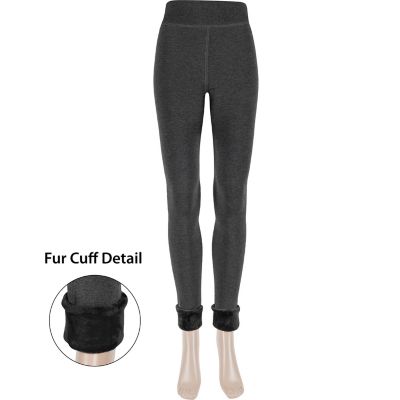
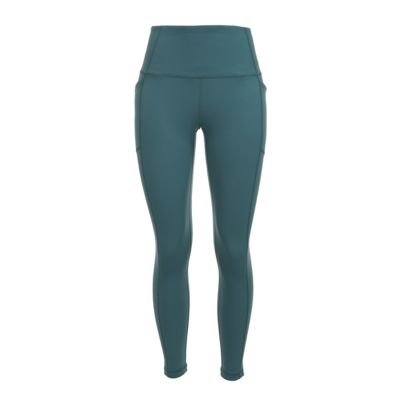
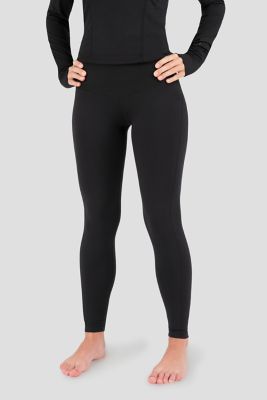
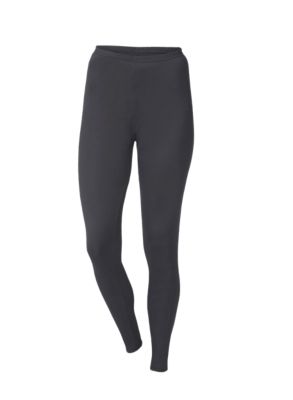
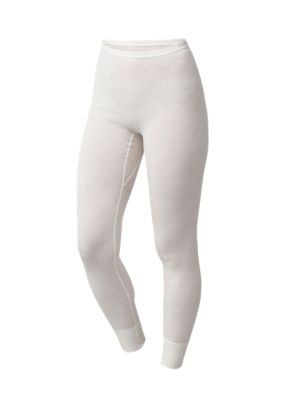
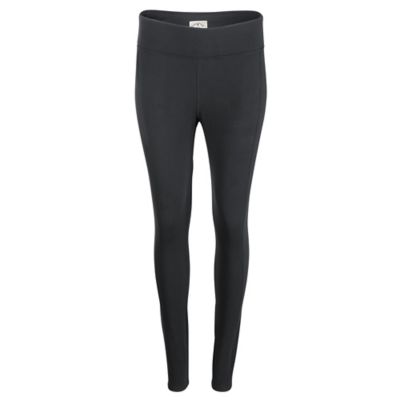
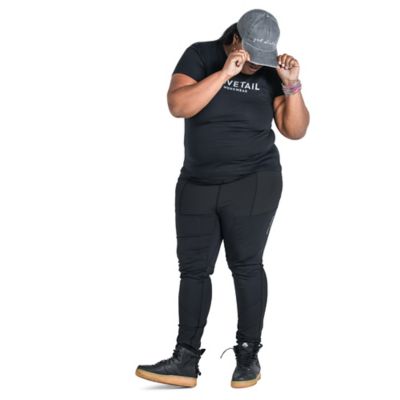
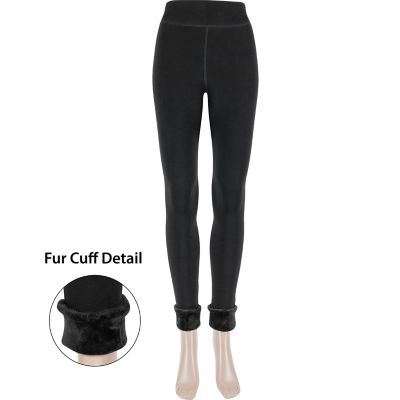
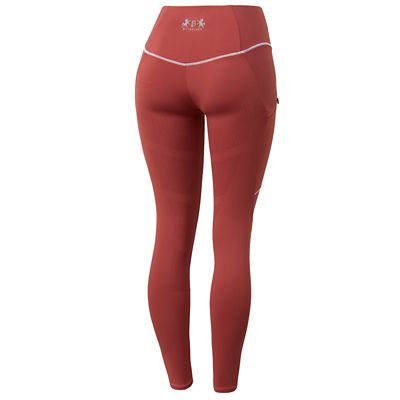
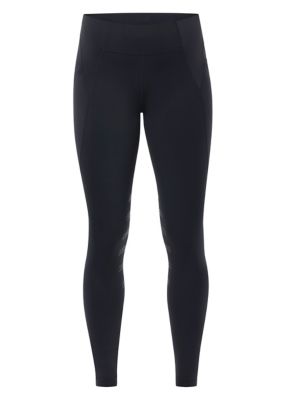
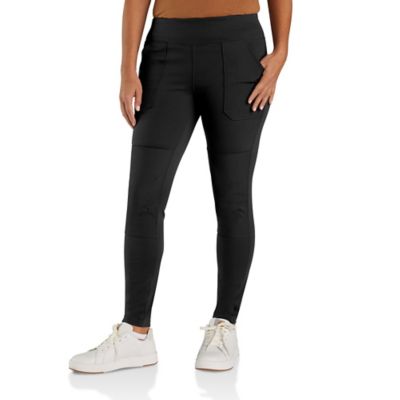
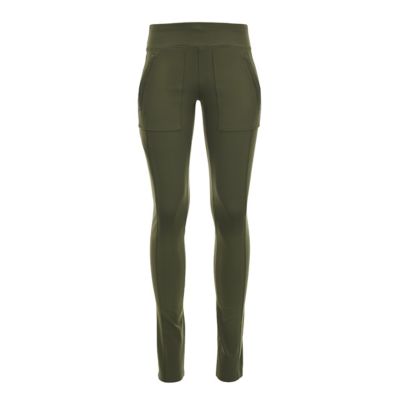
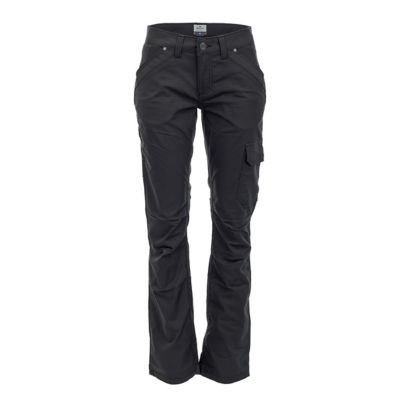
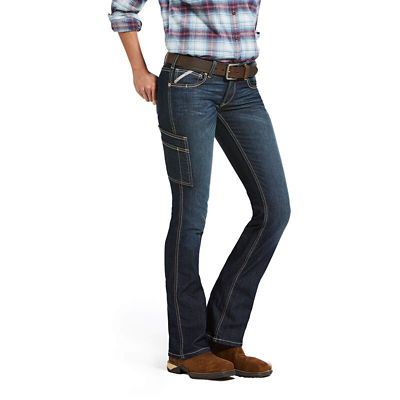
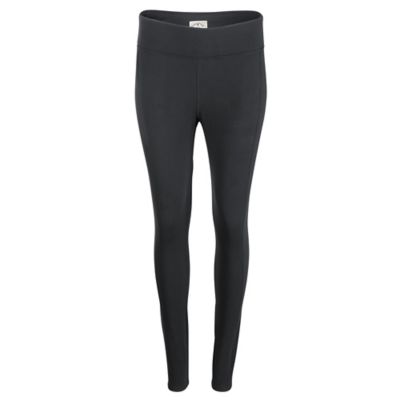
Women’s leggings for cycling generally fall into two groups: padded cycling tights with a built-in chamois for saddle cushioning, and unpadded leggings for casual rides, everyday movement, or layering over padded cycling shorts. The right choice depends on time in the saddle, the bike’s riding position, and whether the leggings need to work beyond the ride. A chamois is a shaped pad, often made with foam and sometimes gel, that sits between the body and the saddle. Its purpose is to cushion contact points and help manage friction, not simply add thickness. Pad shape, placement, and density matter more than a bulky feel, especially when leaning forward over the handlebars. Unpadded leggings have a simpler feel for a short trip down a country lane, a paved trail loop, or a ride into town. They also make sense for riders who already have padded shorts and want an outer layer with a close fit. Neither style replaces a saddle that suits the rider, but each serves a different kind of outing. Fabric plays a big part in how either option feels. Nylon or polyester blended with spandex, also called elastane, can provide the stretch needed for repeated pedaling while helping the fabric hold its shape. Moisture-wicking construction moves perspiration away from the skin, while breathable panels can help limit a clammy feel during sustained effort. Those features vary by garment, so a cycling label alone does not tell the whole story. Cotton-rich leggings may feel soft for everyday wear, but they tend to hold moisture longer than many synthetic blends. For riders moving between a stationary bike, an outdoor route, and errands afterward, the balance of stretch, moisture management, and saddle comfort is worth paying attention to. The best match feels natural through a full pedal stroke rather than comfortable only while standing still.
A cycling fit needs room to move without loose fabric bunching behind the knees or shifting across the seat. A waistband that stays settled when the rider bends toward the handlebars can make a noticeable difference on a longer route. Higher rises and wide waistbands may provide more coverage in that position, while an internal drawcord can offer another way to fine-tune the fit. Firm support should not mean pinching at the waist, restricted breathing, or deep pressure marks at the cuffs. Fabric that becomes overly stretched across the hips may also lose opacity, so coverage matters in a riding position as well as in front of a mirror. Four-way stretch allows movement both across and along the fabric, and shaped panels can help the leggings follow bent knees and hips. Seams deserve attention, too. Low-profile seams and smooth inner surfaces can reduce rubbing, especially along areas that meet the saddle or move against one another with every pedal stroke. Padded cycling leggings are generally designed for the chamois to sit directly against the skin; an extra underwear layer can introduce seams and hold moisture against the body. Unpadded leggings follow a different approach and can work with everyday undergarments or over cycling shorts, depending on the design and the rider’s comfort. Full-length legs provide more skin coverage, while cropped cuts leave less fabric around the lower leg. Either way, a close-fitting cuff helps keep fabric clear of the chain and crank. Pockets can be handy for a house key or phone, but placement matters when the hips stay bent for miles. A loaded pocket should not pull the waistband down or put pressure along the thigh. Reflective details can add visibility when caught by light, though they do not replace bike lights or other riding precautions. These practical details matter whether the route is a steady fitness loop, a rail-trail outing with friends, or a few miles between home and town.
Construction and care help determine how well women’s cycling leggings hold up to repeated rides and washing. Dense, resilient fabric, well-finished seams, and secure stitching at pockets and waistbands can help a pair maintain its shape through regular movement. The seat and inner thighs take repeated friction, so those areas deserve particular attention when considering fabric weight and construction. Rough saddle covers, hook-and-loop fasteners, and sharp edges can snag or wear stretch fabric, even when the leggings feel substantial. A heavier knit is not automatically a better fit for every rider; lighter fabric may feel less restrictive, while a more substantial knit may offer a firmer feel and greater coverage. Care needs also differ between padded and unpadded designs. The garment’s care label is the best reference, especially when a chamois, bonded seams, or specialized fabric finishes are involved. Prompt washing after a sweaty ride helps keep perspiration and body oils from lingering in the fibers. A gentle wash with mild detergent is a common approach, and skipping fabric softener can help preserve the performance of moisture-managing fabrics. Air-drying away from direct heat can be easier on elastic fibers, and padded leggings need enough drying time for the chamois as well as the outer fabric. For someone whose week includes jogging, walking, and bike rides,
Women's Running Leggings offer another category to consider for movement off the saddle. Running and cycling leggings can share stretchy fabrics and practical pockets, but running styles generally do not include cycling-specific padding or panel placement. That distinction also helps when choosing a gift for a rider: an experienced cyclist may have strong preferences about chamois shape, waistband height, and fit, while someone taking short recreational rides may prefer the flexibility of an unpadded pair. Leggings that suit the rider’s actual routine, from a quick spin after chores to a longer weekend route, are more likely to earn a regular place in the riding drawer.