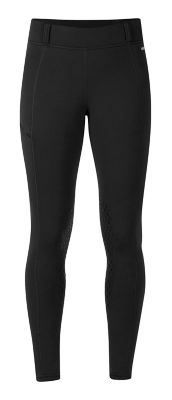
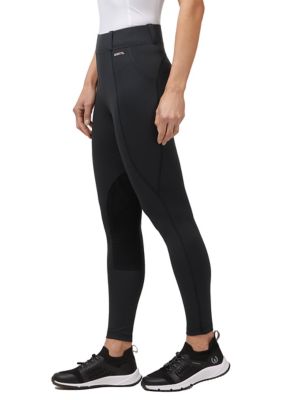
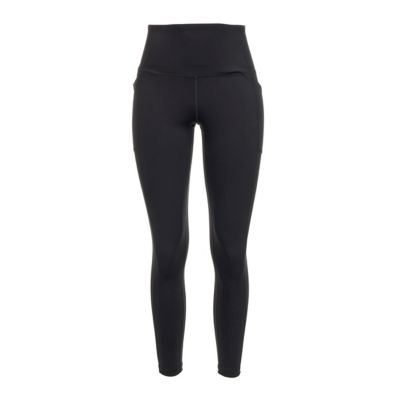
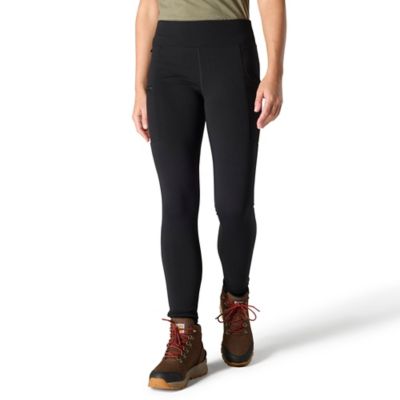
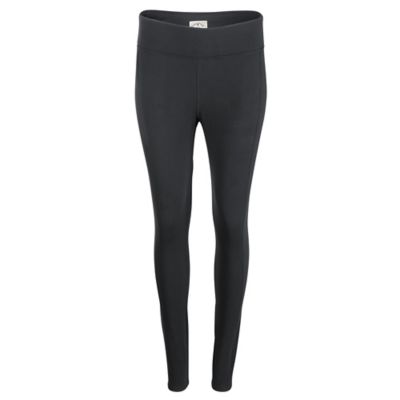
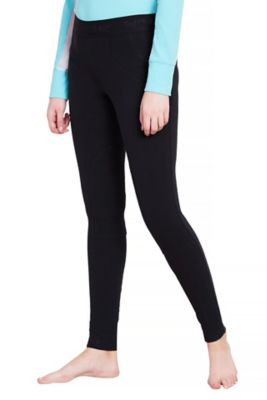
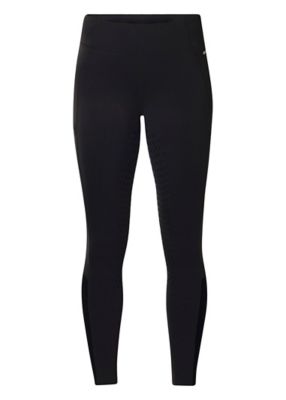
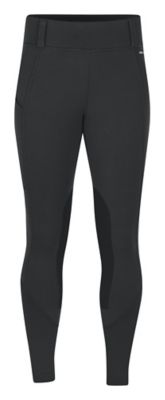
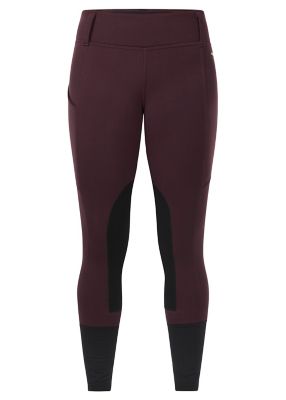
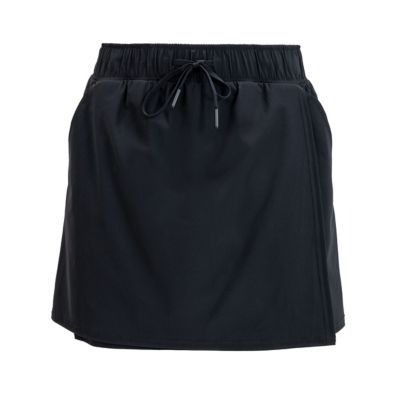
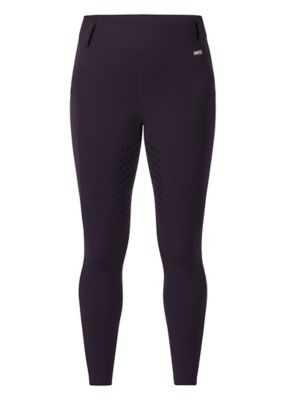
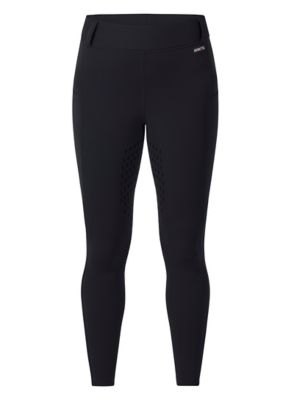
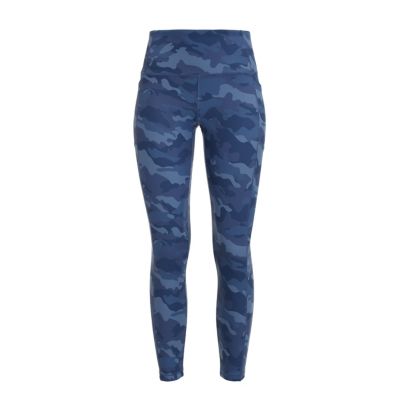
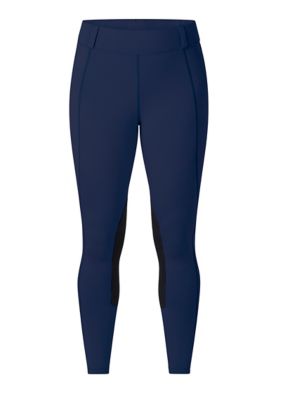
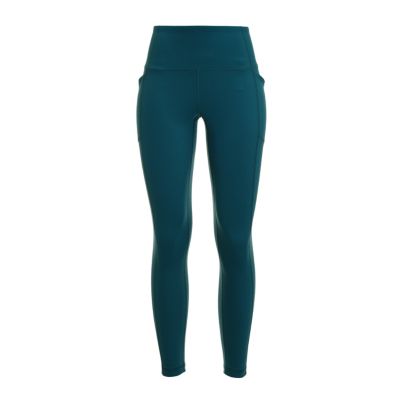
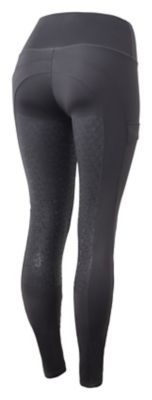
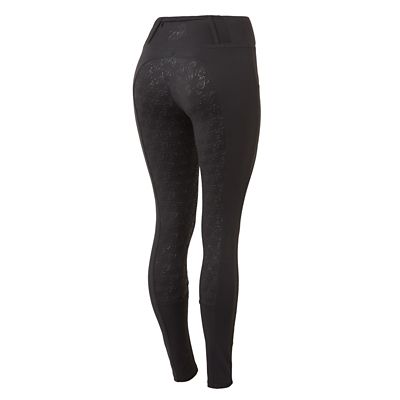
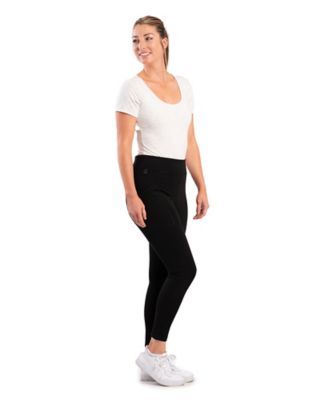
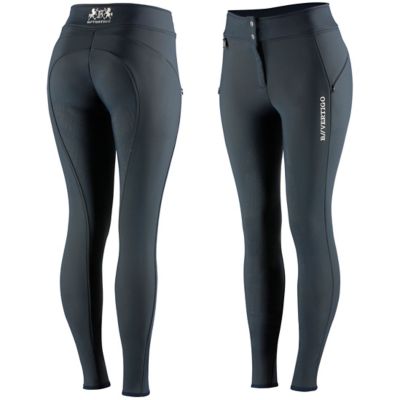
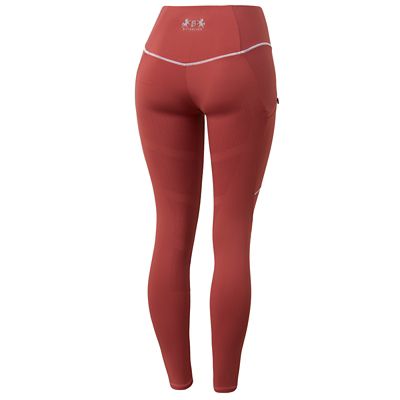
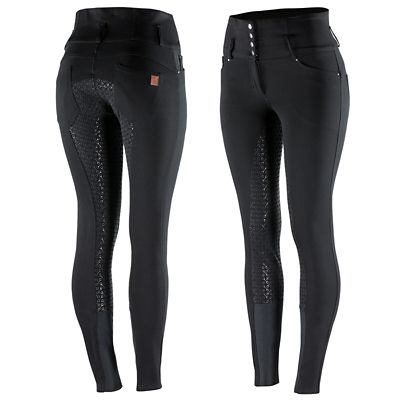
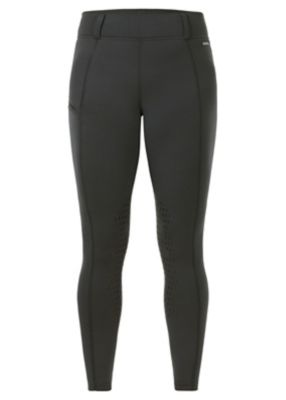
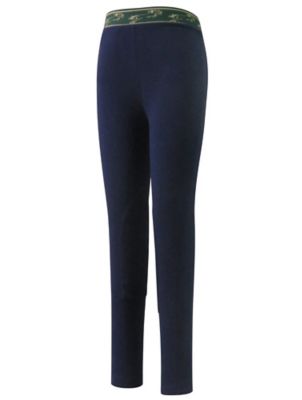
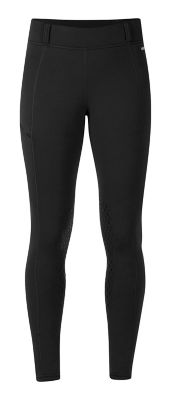
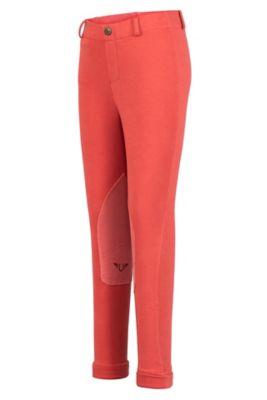
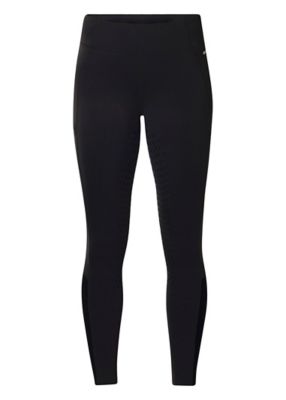
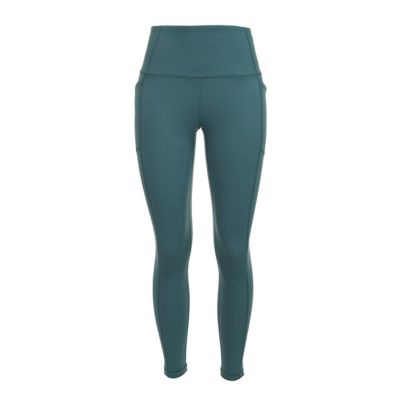
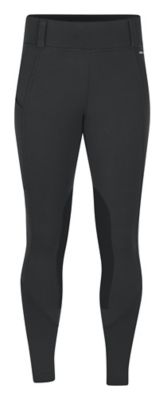
Women’s bike tights with pockets pair close-fitting leg coverage with built-in storage for small essentials, making them a practical choice for country-road rides, paved trails, indoor cycling and trips into town. Unlike loose pants, cycling tights stay close to the body as the pedals turn, with less extra fabric around the knees and ankles. Pockets add a handy place for a phone, house key or small snack without putting everything in a jacket or handlebar bag. The details matter when a ride stretches past the mailbox and out toward the next stretch of open fields. Deep thigh pockets can keep a phone within reach during a stop, while mesh cargo pockets offer flexible space for lighter belongings. A zippered pocket may be better suited to a key or card that needs a more secure closure. Pocket depth, opening width and placement all affect how belongings sit against the leg. A phone that fits standing up may press into the hip when leaning over the handlebars, so storage should work with a bent riding position as well as an upright one. Heavy or overfilled pockets can tug at the fabric, and even a snug pocket is not necessarily waterproof. Electronics may need a separate protective pouch when the forecast looks unsettled. Full-length tights provide coverage from waist to ankle, while cropped lengths leave more of the lower leg uncovered. Both can suit riders who prefer the feel of stretchy, streamlined clothing over loose layers. For someone riding a few miles before chores, taking a leisurely loop with family or building up to longer weekend routes, the right combination of coverage and storage helps keep small necessities close without making the outfit feel loaded down. Secure belongings before setting off, and save reaching for a phone or snack for a safe place to stop.
Fabric, fit and padding make the biggest difference in how women’s cycling tights with pockets feel over the course of a ride. Nylon-and-spandex or polyester-and-spandex blends combine stretch with a smooth fit, though the feel and performance depend on the knit, fabric weight and construction rather than the fiber names alone. Fabric that stretches in several directions can follow the hips and knees through repeated pedal strokes. Moisture-wicking materials help move perspiration away from the skin so it can spread and evaporate, but breathability still matters, especially on a steady climb or an indoor trainer. During the cooler months, a brushed interior or fleece-backed knit can provide more warmth than a thin, unlined fabric. Wind-resistant panels may help on exposed roads, although added weather protection can also change how freely a garment releases heat. A chilly start at the barn and a sunny uphill stretch can feel quite different in the same pair of tights. The fit should be snug enough to limit shifting without pinching behind the knees, digging into the waist or restricting a comfortable pedal stroke. A broad waistband can distribute pressure, while a higher rise may offer more coverage when leaning forward. Bib-style tights have shoulder straps instead of relying solely on a waistband, a distinction that affects layering and restroom stops. Inseam length is worth checking, since extra fabric at the ankle can bunch above socks or shoe closures. Padded cycling tights include a chamois, a shaped insert intended to cushion contact with the saddle and help manage friction. Pad shape, placement and thickness should suit the rider’s anatomy and riding position; the thickest option is not automatically the most comfortable. Cycling chamois pads are generally designed to sit directly against the skin, without underwear seams between the pad and body. Unpadded tights offer more flexibility for walking and everyday activity, or they can serve as an outer layer over padded cycling shorts if the fit leaves room without squeezing or bunching.
Construction and care help determine how well bike tights hold up to regular miles, repeated stretching and trips through the wash. Smooth, low-profile seams can reduce raised edges against the skin, especially along the inner thighs, while well-finished pocket openings are important wherever a phone or keys add weight. Stretch fabric should return toward its original shape after movement rather than stay baggy at the knees or seat. Thin, airy material may feel comfortable during a hard effort, but it can be more vulnerable to snagging on rough wood, hook-and-loop fasteners or thorny brush. Cycling tights are made for movement, not protection from briars or heavy farm work. Reflective details can help catch light in dim conditions, but they do not replace bicycle lights or other visibility measures. For regular wear, care labels take priority over any general laundry routine. Washing after sweaty rides helps clear away perspiration and residue, particularly around a padded seat. Cool water, a gentle cycle and mild detergent are common care recommendations, while high dryer heat can be hard on elastic fibers and some fabric finishes. Fabric softener may interfere with moisture management, so it is often best left out when the label advises against it. Empty pockets before washing, secure zippers and keep tights away from rough fasteners in the same load. Air-drying out of direct heat can help preserve stretch, and a chamois should be fully dry before the next ride. These details matter for commuters, recreational riders and anyone who likes having a ready-to-go outfit for an hour outdoors. Bike tights with pockets can also make a thoughtful gift for a cyclist when size, preferred coverage and padding needs are already known, since those choices are personal. For days that call for walking fence lines or heading down a footpath rather than pedaling,
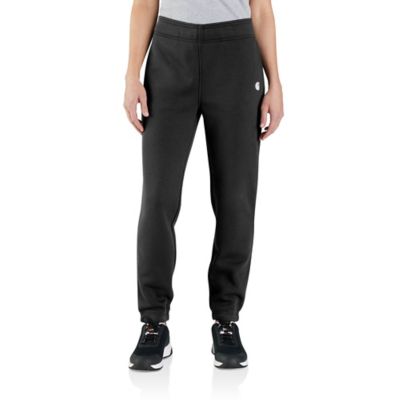
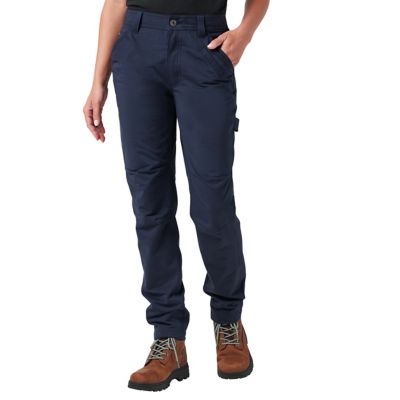
Womens Hiking Pants With Pockets offer a different style of outdoor legwear to consider. Keeping riding clothes matched to the activity, the weather and the belongings coming along makes getting out the door a little simpler.