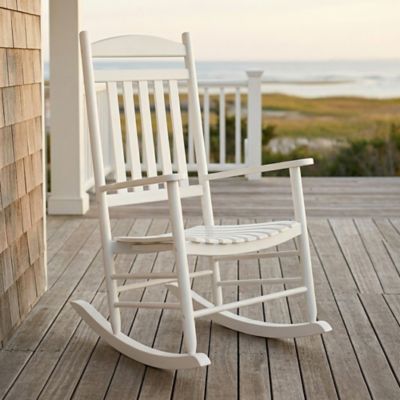
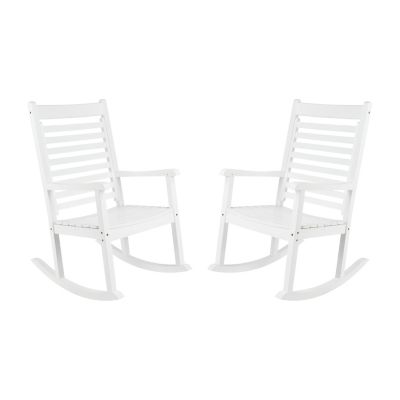
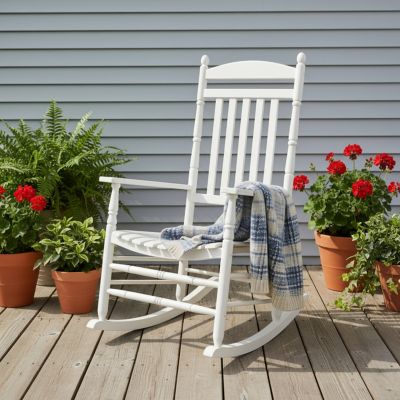
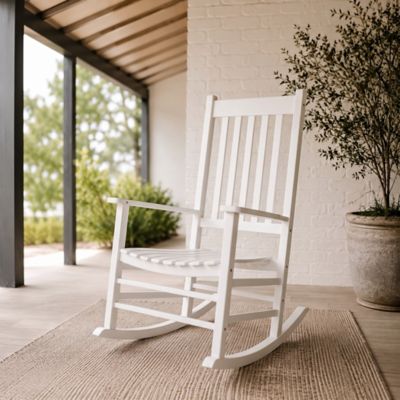
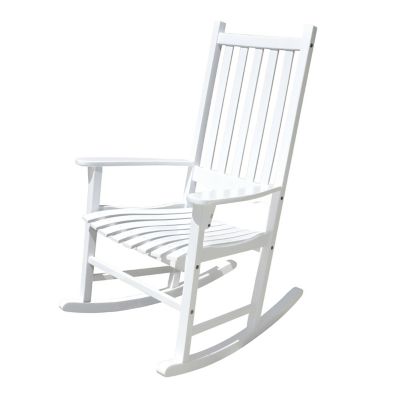
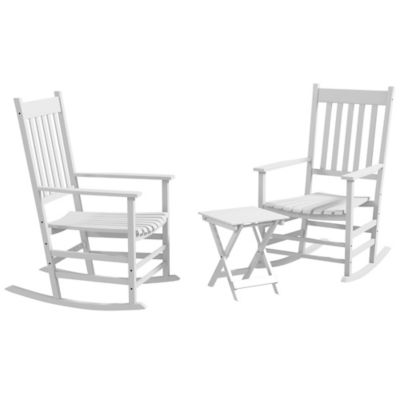
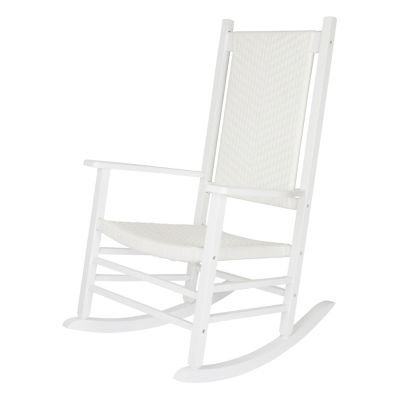
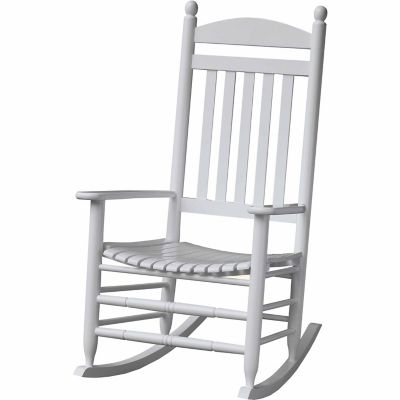
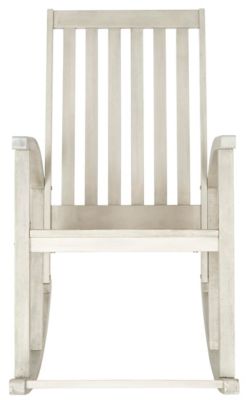
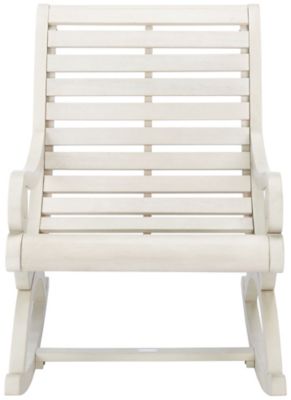
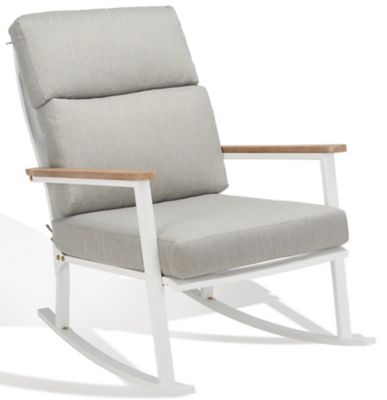
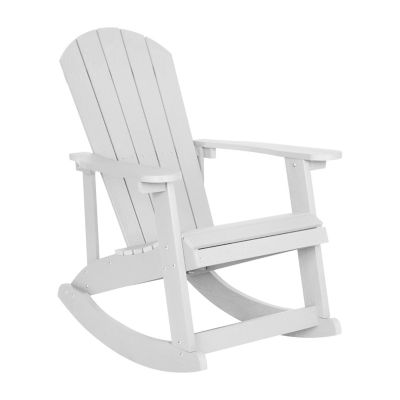
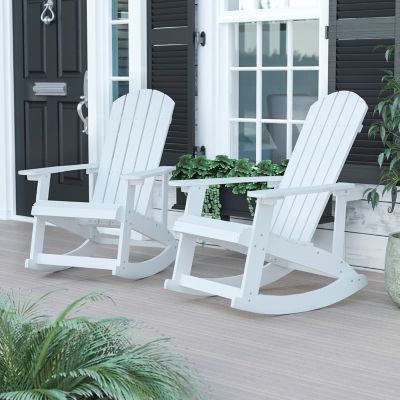
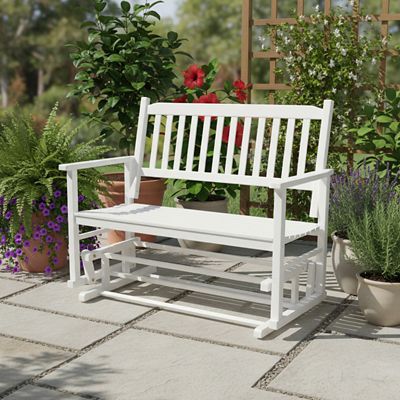
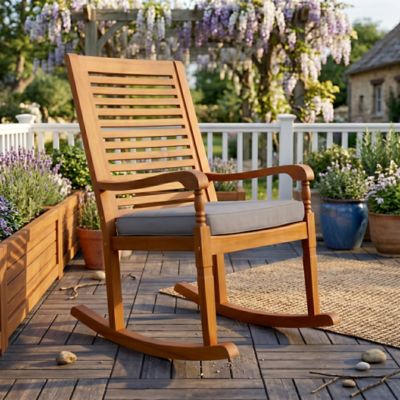
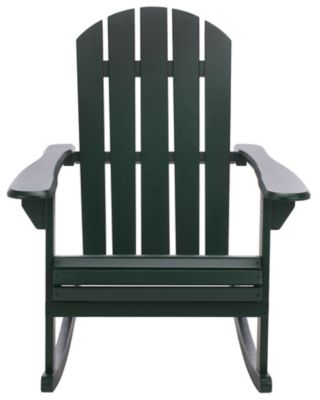
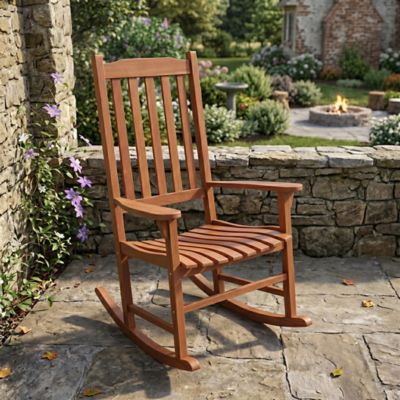
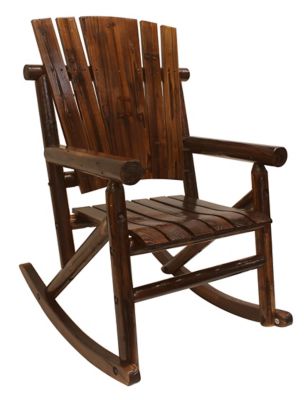
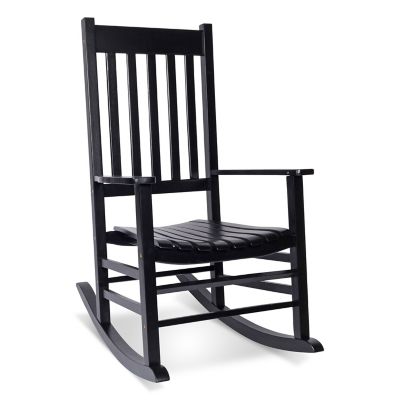
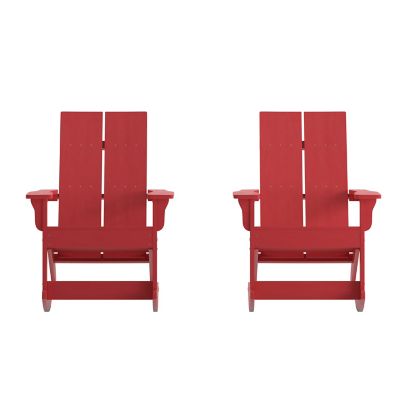
White wooden rocking chairs bring together a wood frame, a white finish and curved runners for an easy back-and-forth motion. They fit naturally on a covered porch, beside a living room window or in a quiet sitting area where there’s room to settle in without crowding the walkway. That familiar shape can feel right at home beside farmhouse siding, a brick wall or a simple wooden side table. White helps the frame stand out against darker flooring and works with everything from plain canvas cushions to checked fabrics. Beyond appearance, the main differences among wooden rockers come down to wood type, frame construction, seat dimensions, finish and intended setting. Some are meant strictly for indoor spaces, while others have finishes and construction suited to outdoor placement. A white coating alone does not establish outdoor suitability, so the manufacturer’s intended-use information matters more than the color. Wood species also vary in weight, grain and care needs. Poplar, acacia and other woods may appear in rocking chair construction, but the species name tells only part of the story. Joint design, hardware, finish coverage and proper assembly all affect how a chair holds together over time. Slatted seats and backs give a rocker an open appearance, while shaped seats and gently angled backs can change how it feels during a longer sit. Broad arms offer a place to rest forearms, and a taller back may provide support farther up the shoulders. Turned spindles and shaped rails create a more traditional outline; straight slats and simpler frames give the same white wooden rocking chair a cleaner, less detailed look. Those differences make it possible to match the feel of the space without giving up the familiar comfort of a wooden rocker. For a porch seating area, a matching pair can create an easy place for conversation, while a single chair can make a reading corner feel complete.
Comfort depends on how the chair fits the person sitting in it, not just how inviting it looks in a picture. Seat width and depth matter, especially for anyone who prefers a little extra room at the hips or plans to add a cushion. A deep seat can suit a taller person but leave someone shorter perched forward, while a seat that sits too high can make it harder to keep both feet comfortably on the floor. The relationship between the seat, armrests and back matters, too. Arms should offer support without forcing the shoulders upward, and the back angle should suit the way the chair will be enjoyed, whether that means reading a few chapters or taking a short break after feeding the animals. The listed weight capacity is another important consideration and should never be assumed from the thickness of the wood alone. Overall dimensions deserve just as much attention as seat measurements because a rocker needs open space behind and ahead of its runners. A chair that fits neatly against a wall while still may bump it once someone starts rocking. Firm, level flooring helps the runners move as intended; uneven boards, loose rugs and thick carpet can interrupt that movement. Nearby tables should sit within easy reach without entering the rocking path, and little hands, pet tails and loose cords need to stay clear of the runners. Cushions can soften a firm wooden seat, but their thickness changes the sitting height and available back support. Ties or another suitable fastening method can help keep them from shifting. These practical details also matter when a rocking chair is a housewarming, wedding or retirement gift. Knowing the recipient’s available space, preferred seat height and indoor or outdoor plans makes the choice more personal than selecting by color alone. For someone who enjoys porch visits, needlework or a quiet cup of coffee, the right proportions can make a familiar piece of furniture part of an everyday routine.
The bright finish on white wooden rocking chairs looks its best with straightforward care and attention to the places that take the most contact. Armrests, seat edges and the lower portions of the runners tend to collect marks from hands, shoes and flooring. Regular dusting and a soft cloth lightly dampened with a manufacturer-approved cleaning solution can help lift everyday dirt without rough treatment. A separate dry cloth helps remove leftover moisture, particularly around joints and hardware. Abrasive pads and harsh cleaners can scratch or dull a painted surface, so cleaning directions should guide what touches the finish. Spills are easier to manage before they settle into seams, and standing water should not remain on the seat or around the feet. Small chips deserve attention because a break in the coating can leave bare wood exposed. Any touch-up coating should be compatible with the original finish and appropriate for the chair’s intended setting. Assembly and occasional hardware checks matter as well. Bolts and screws should follow the maker’s tightening instructions, with no rocking or sitting in the chair until assembly is complete. If a joint begins to move, a runner cracks or the chair develops an unfamiliar wobble, it belongs out of service until the issue is addressed. Cushions need their own care routine, including cleaning according to their labels and keeping them dry before storage. Felt pads or other floor protection should only be added when suitable for the rocker, since changing the runner surface can affect its movement. For a seating area with darker accents,
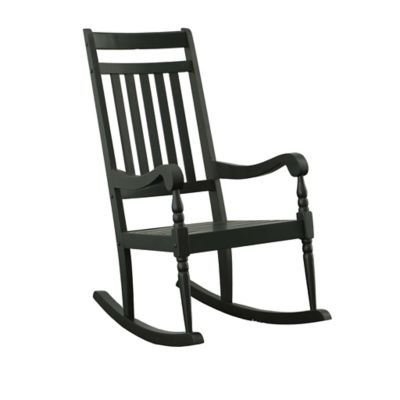
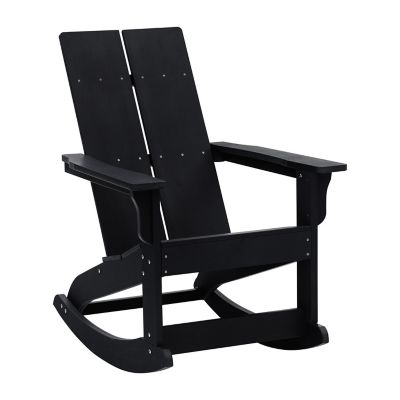
Black Outdoor Rocking Chairs offer another color direction to consider alongside white finishes. Either color benefits from the same thoughtful attention to fit, placement and upkeep. A well-chosen white wooden rocker brings a familiar place to pause, whether it sits beside the front door for neighborly conversation or indoors with a book resting on the arm.