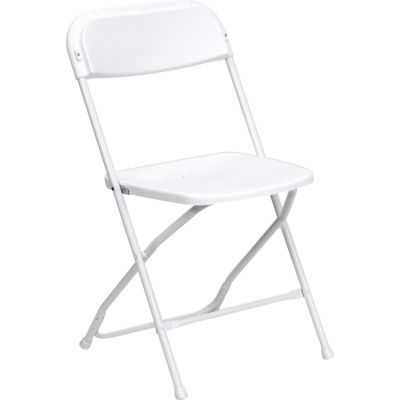
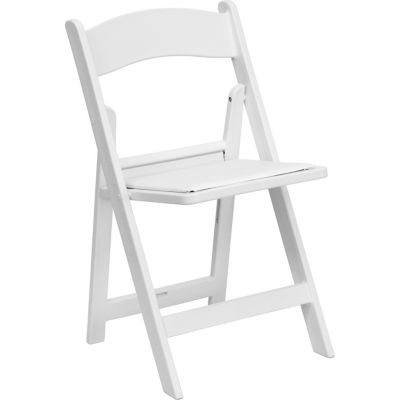
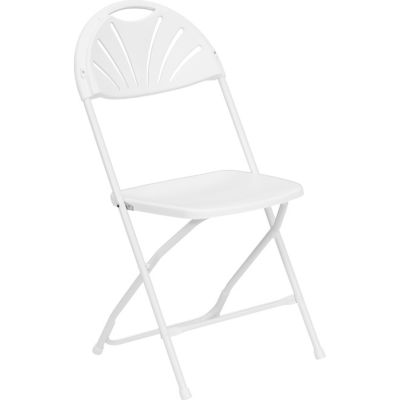
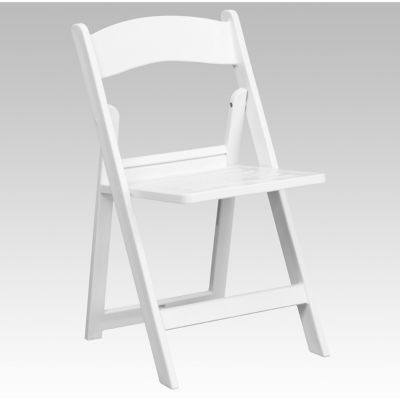
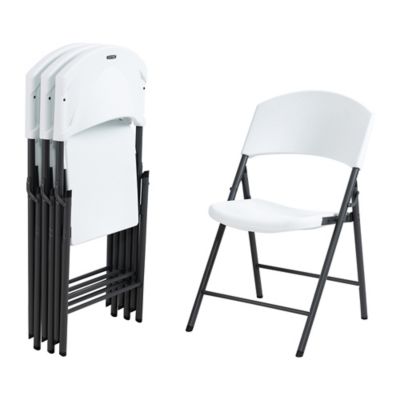
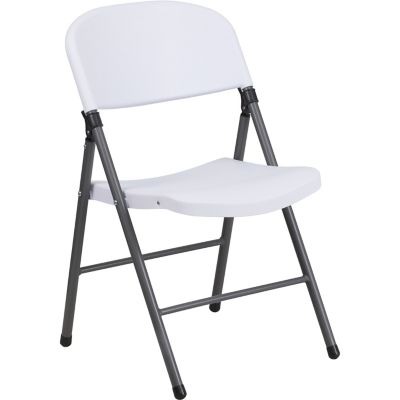
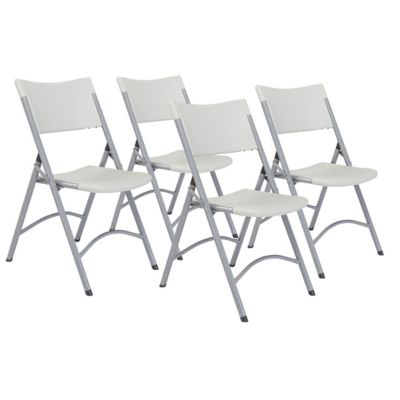
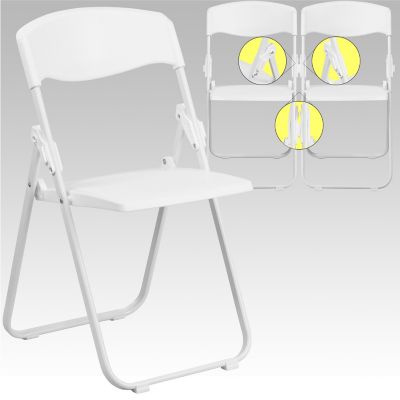
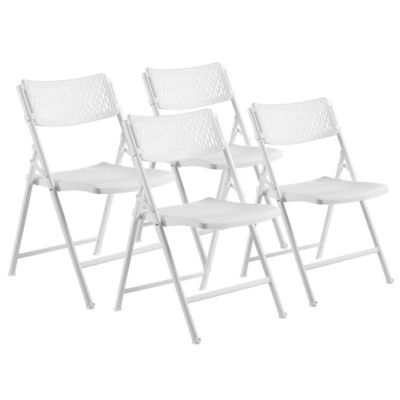
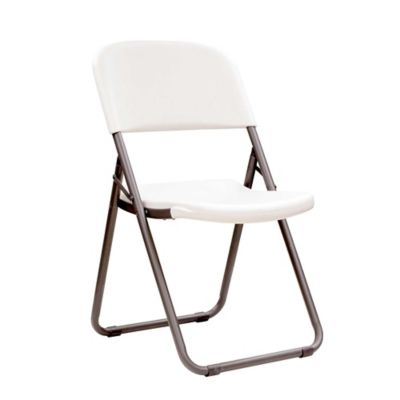
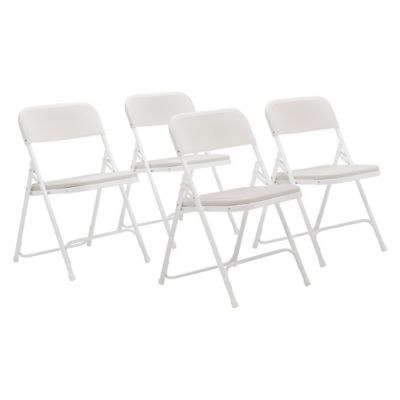
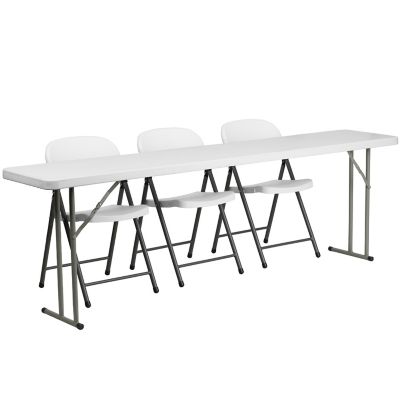
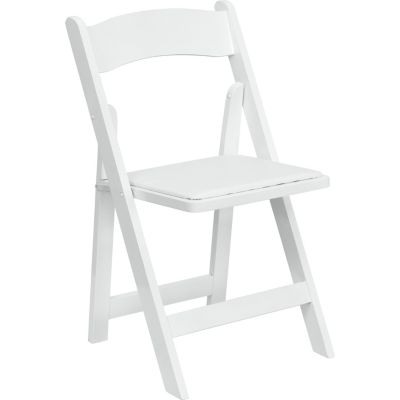
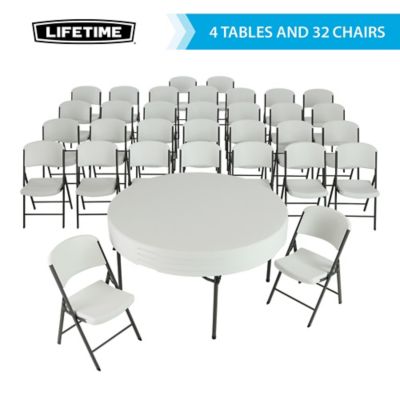
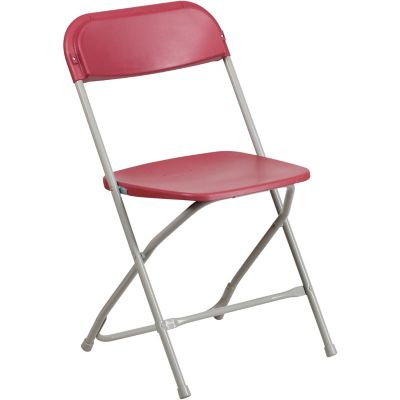
White plastic folding chairs make room for the extra folks who turn a small gathering into a full house. They fit naturally around tables at a family reunion, along the wall of a community hall, or in neat rows for a wedding ceremony. The white finish keeps the look simple and pairs easily with wood tables, plain linens, colorful tablecloths, and just about any setting where the people matter more than the furniture. For households that host Sunday dinners, church groups that organize potlucks, and property owners who need occasional event seating, folding chairs offer a practical middle ground between permanent furniture and borrowing seats from every room. Their appeal goes beyond having somewhere to sit: a folding frame lets the seating area return to everyday use once the last plate is cleared. Plastic seats and backs also provide a smooth surface that is generally straightforward to wipe down after cake, punch, or a busy meal. Within this chair category, construction can vary, with molded plastic seating supported by metal frames or other designs that balance carrying weight and support. Some have a gently shaped back and a contoured seat, while others favor a flatter profile that packs closely for storage. Those differences matter when a chair will serve through a long meeting rather than a quick stop at a registration table. White seating can help a mixed arrangement feel more pulled together, too, whether the tables are set inside a fellowship hall or beneath an event pavilion. For a household that only needs extra seating a few times a year, the folded footprint may be the biggest benefit. For a volunteer crew setting out several rows before a fundraiser, manageable chair weight and easy handling can make a bigger difference. The best match depends on how the chairs will fit into the gathering, the space, and the routine that follows when everyone heads home.
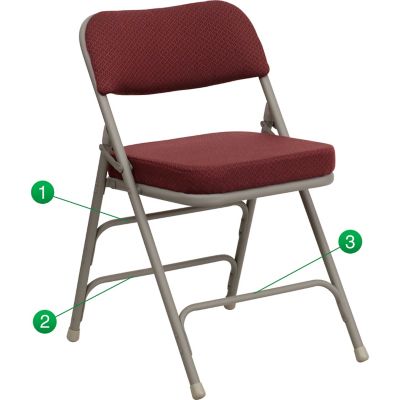
The details behind a white plastic folding chair tell more about its everyday usefulness than its color alone. Seat width, seat depth, back shape, and seat height all affect how comfortable the setup feels, especially at a dining table where guests need room for their knees and elbows. Overall chair width matters just as much when several seats share one side of a long table; a chair that fits by itself may feel tight once every place setting has someone sitting behind it. Armless styles can make it easier to move closer to the table, while the shape of the front seat edge can influence comfort during a meal or program. Molded contours may offer a more settled sitting position, though comfort still depends on the person and the length of the event. Frame construction deserves attention as well. Leg bracing, hinge design, and the way the chair holds its open position all contribute to stability when the chair is set up according to its instructions. Stated weight capacity belongs to the individual chair design, so appearance alone cannot establish how much a seat will support. For seating needs that call for a higher stated capacity,
Heavy Duty Plastic Folding Chairs provide another category to consider alongside dimensions, frame details, and intended use. Floor contact points are another small feature with a real purpose. Leg caps or glides may help limit marks on suitable indoor flooring, but their condition and compatibility with the surface still matter. On firm, level ground, a properly opened chair should rest evenly rather than rock from one leg to another. Soft ground, uneven gravel, and sloping spots can interfere with stable placement, making the location part of the seating decision. Clear paths between tables and rows also leave guests room to get settled without bumping knees or catching a foot on a chair leg. A little breathing room is especially helpful when someone is carrying a plate, assisting a child, or moving with a mobility aid.
Storage, cleanup, and repeated handling are where the practical side of folding seating really shows. A chair may spend more time tucked away than standing at a table, so folded thickness and overall folded dimensions matter for a closet, utility room, or designated storage area. Some designs nest closely together, while others require more space between frames; stacking and transport arrangements should follow the chair maker’s directions rather than assumptions based on a similar-looking seat. Carrying several chairs across a hall also puts the focus on weight, grip points, and hinges that stay clear of fingers during opening and closing. For groups that set up larger gatherings, a compatible chair cart can help organize transport, provided the cart fits the chair dimensions and load requirements. White plastic makes food smears, dust, and scuff marks easier to spot, which can be helpful when preparing a row of seats for the next event. Routine care generally starts with a soft cloth and a mild cleaning solution approved for the material, followed by drying before storage. Abrasive pads and harsh chemicals can affect the finish, so cleaning instructions are worth keeping with other event supplies. Metal frames need attention, too, particularly at joints, fasteners, and areas where the finish has been scratched. A quick check for cracks, loose connections, missing leg caps, or bent frame parts helps catch problems before guests take their seats. Chairs with damage that affects support belong out of service, not at the end of a row where the problem might go unnoticed. Service life depends on construction, handling, cleaning, and keeping each chair within its intended conditions and capacity. Standing on a folding chair or leaning back on two legs puts it outside its role as seating. With sensible care and a storage spot that prevents frames from being knocked around, white plastic folding chairs can remain a useful part of household and community gatherings. They are the sort of practical seating that earns its place when cousins bring friends, a meeting draws a bigger crowd, or another table gets pulled into the room.