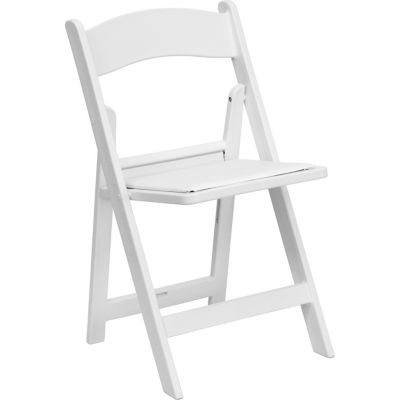
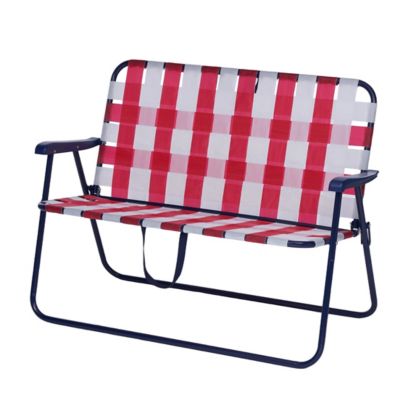
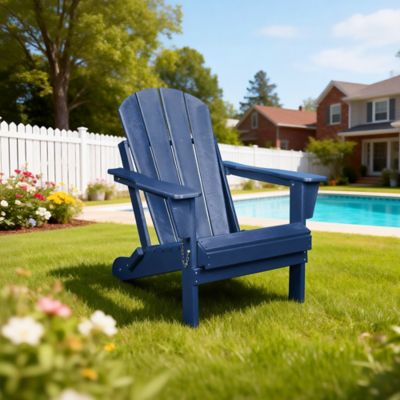
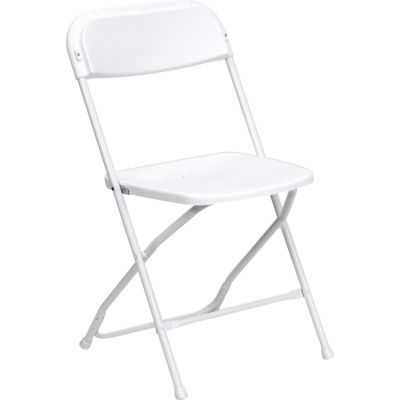
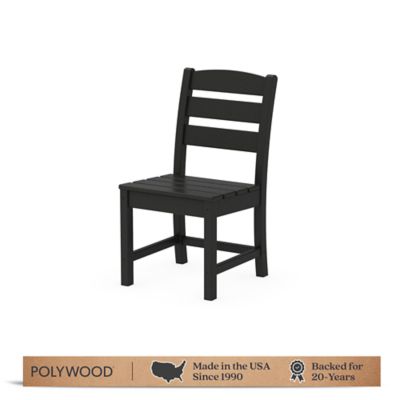
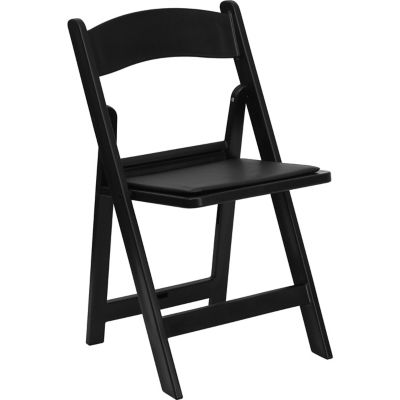
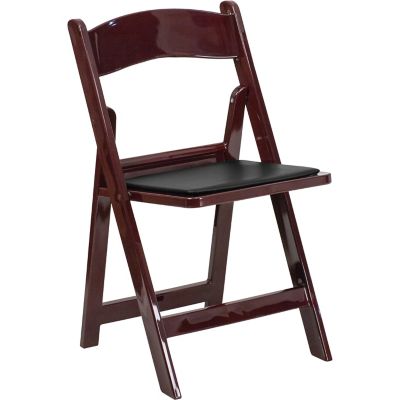
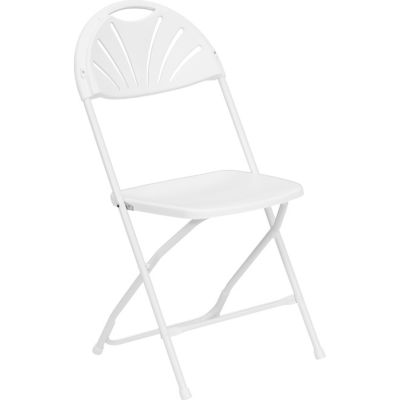
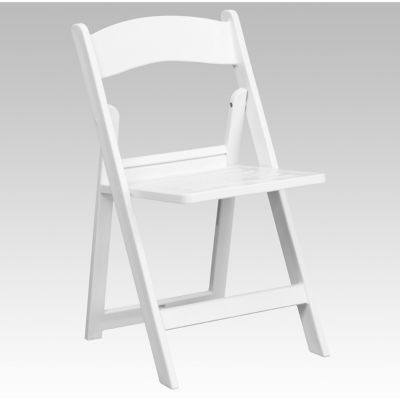
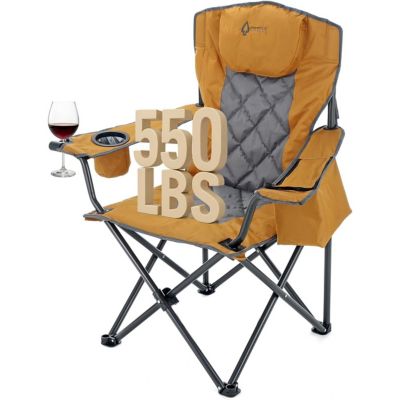
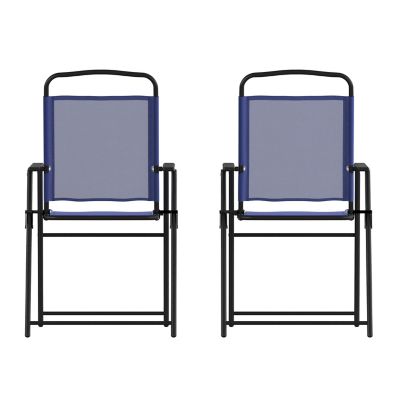
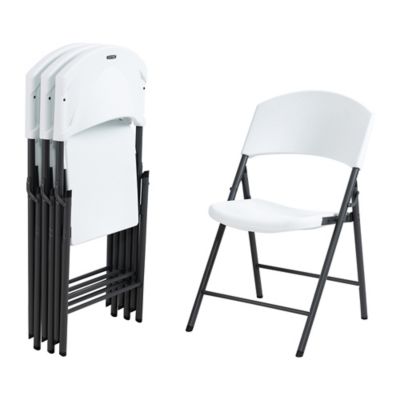
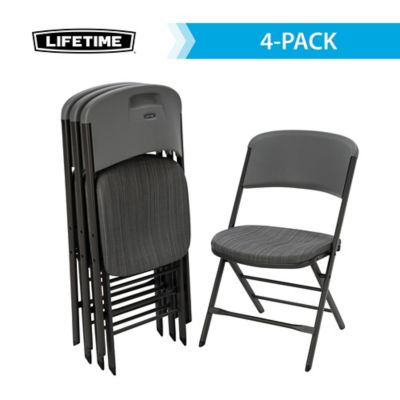
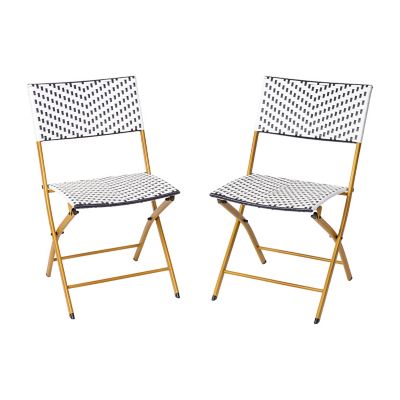
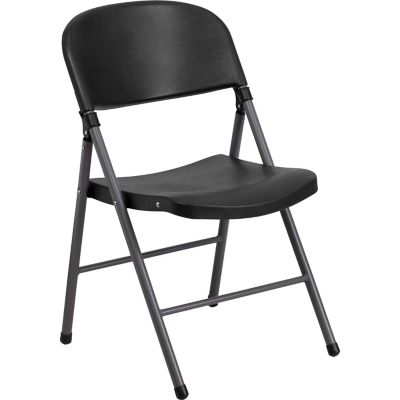
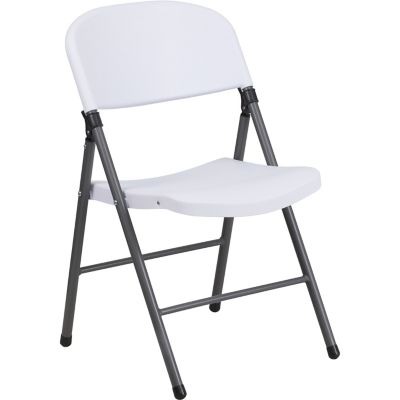
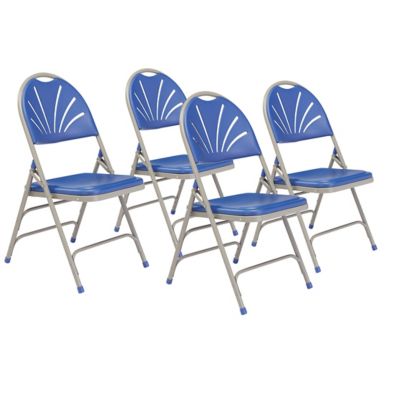
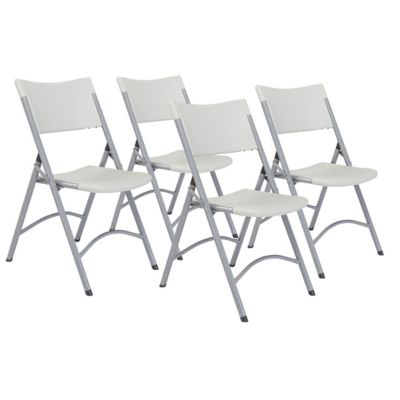
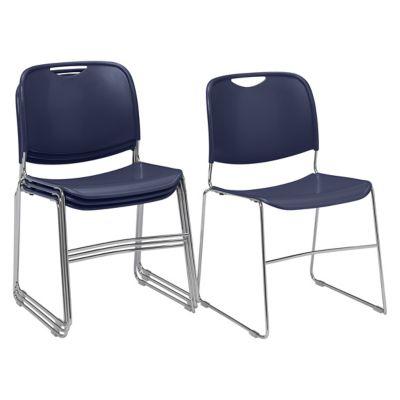
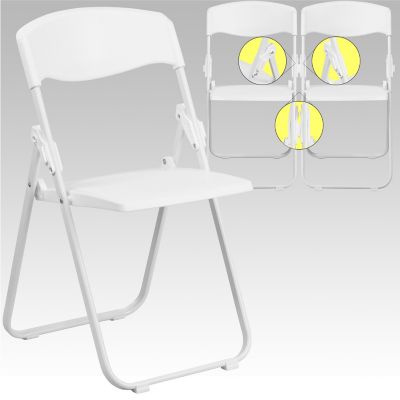
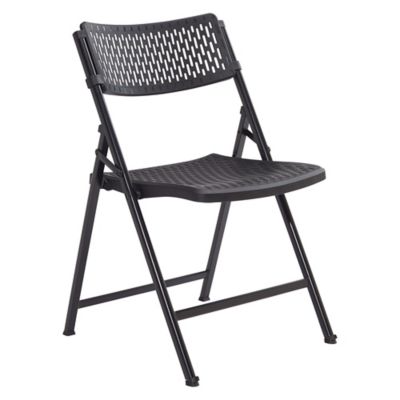
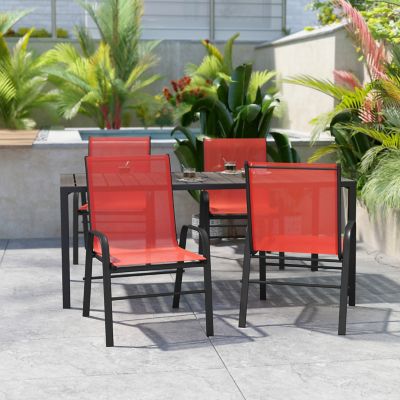
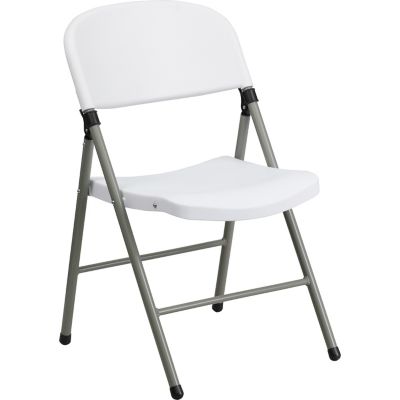
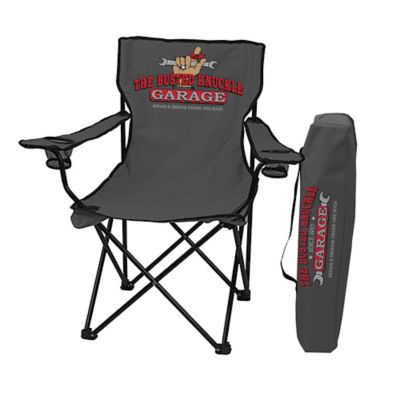
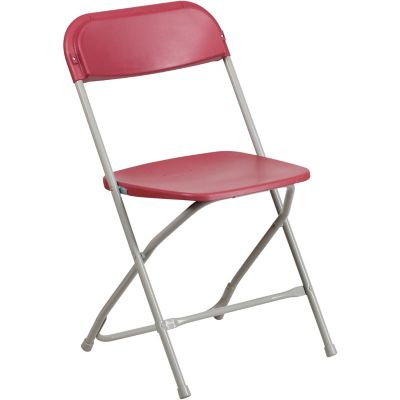
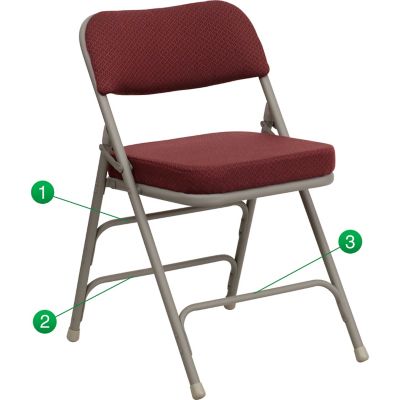
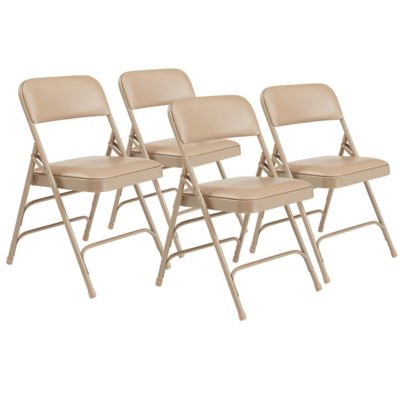
Outdoor plastic folding chairs make room for a few more folks without turning the porch, patio or shed into a permanent seating area. They suit the everyday rhythm of country living, from a quiet break outside after chores to a full table when family comes over for supper. Set them around a picnic table, line them up beneath a covered pavilion or bring them out when neighbors stop by to watch the kids play in the yard. Their folding design keeps seating flexible, especially where the same space needs to serve several purposes throughout the day. Plastic seats and backs offer a smooth surface that is generally easy to wipe down after dusty boots, spilled cider and the usual mess of an outdoor meal. Construction varies, though, and the material beneath the seat matters just as much as the surface on top. Molded plastic seating may be paired with steel or aluminum framing, with each chair’s weight, finish and design affecting how it handles regular carrying and outdoor exposure. Steel frames can add heft, while aluminum frames tend to keep carrying weight lower; the complete chair’s specifications tell the fuller story. Frame coatings help protect metal, but scratches and exposed hardware still deserve attention when chairs spend time outside. For seating that moves from the kitchen table to the covered porch,
Indoor Outdoor Folding Chairs offer another way to think about flexible gathering spaces. Whatever the setting, outdoor suitability should come from the chair’s stated application rather than from its plastic surface alone. A chair meant for occasional outdoor gatherings may need shelter between outings, while another may have materials intended for longer exposure. That distinction matters beside a barn doorway, on an uncovered deck or anywhere rain can blow in. Matching construction to the spot where the chair will spend most of its time helps keep extra seating ready for meals, visits and a well-earned spell off your feet.
Comfort starts with how a folding chair fits both the person sitting in it and the space around it. Seat width, seat depth and back shape can make a noticeable difference during a quick coffee break versus a long evening around the table. A gently shaped seat and a supportive back may feel better over time than a flatter profile, though personal preference and body size both play a part. Seat height deserves a close look when chairs will sit around an existing dining or picnic table. There needs to be room for legs beneath the tabletop, along with enough clearance to pull the chair out without catching a crossbar or neighboring seat. Armrests can provide a place to rest elbows, but they also take up space and may not slide beneath every table. For family gatherings with several generations at the same table, a steady chair with a comfortable height can make sitting down and standing back up less awkward. Always check the stated weight capacity for each chair, and keep in mind that a weight rating does not replace proper setup on a suitable surface. Broad feet may spread contact over a larger area, but no foot design makes every patch of ground appropriate. A firm, level patio or pavilion floor is a better setting than soft soil, loose gravel or a sloping lawn where legs can settle unevenly. Open the chair fully and engage any locking feature before anyone takes a seat. Keep folding joints clear of fingers, particularly when children want to help with setup after supper. For hosts, tailgate regulars and families who gather outside often, these practical details matter more than looks alone. A neutral color can blend easily with existing tables and porch furniture, while a darker surface may become warmer in direct sunshine. Where cushions are compatible, a properly fitting outdoor cushion can add comfort, provided it stays secure and does not interfere with the chair’s folding mechanism.
The convenience of plastic folding chairs carries through to cleanup and storage, two jobs that count when a gathering ends and there are still animals to check before dark. For ordinary dirt, a soft cloth or sponge with mild soap and water is often enough, followed by rinsing and drying as directed by the manufacturer. Grit caught near hinges and folding braces deserves attention because it can interfere with smooth movement. Harsh cleaners, abrasive pads and strong solvents can damage some plastic surfaces or frame finishes, so the care instructions should set the limits. After rain or a washdown, let chairs dry before folding and putting them away, paying particular attention to joints and places where moisture can collect. Plastic does not rust, but metal legs, fasteners and hinges may still need protection from damp conditions. Before each gathering, look over the seating surfaces for cracks, check the feet for missing caps and make sure the frame opens without binding or wobbling. Loose hardware should be addressed according to the manufacturer’s directions, and a chair with a cracked seat or bent support should stay out of service. During the cooler months, covered storage helps limit exposure to rain, frost and repeated temperature changes. Some plastics can become more brittle in low temperatures, making sheltered storage and careful handling worth the effort. Keep chairs away from fire pits, patio heaters and other heat sources, observing the equipment manufacturer’s clearance requirements. Folded dimensions also matter when seating has to fit beside feed bins in a dry shed or along a garage wall. Check the space needed for the entire group of chairs, not just one, and stack or hang them only in ways their design permits. Leave walkways clear and secure stored chairs so they cannot tip into a doorway. For a practical housewarming gift, extra folding seating can suit someone settling into a place with a porch or backyard, especially when storage room and table height are known. From small family meals to bigger get-togethers under a shelter, the right fit brings useful seating within reach without giving over the whole space to furniture.