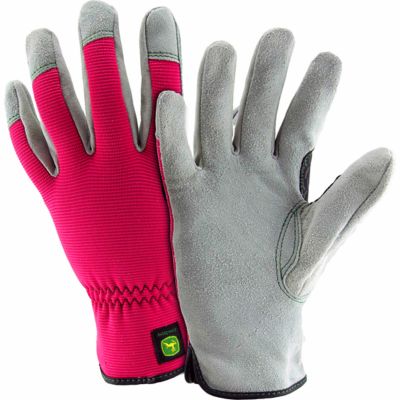
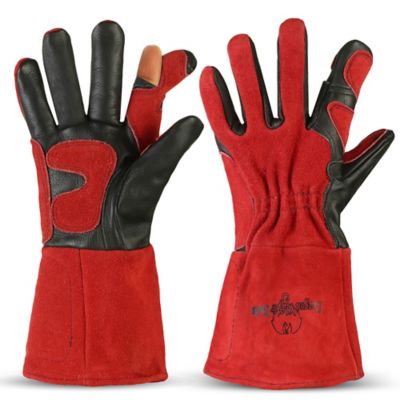
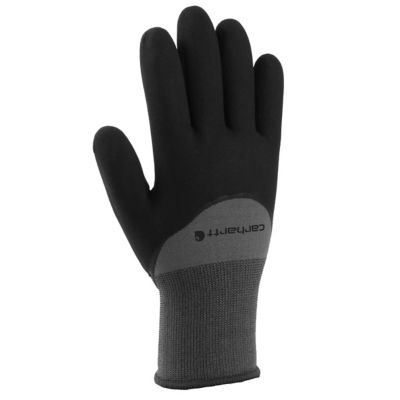
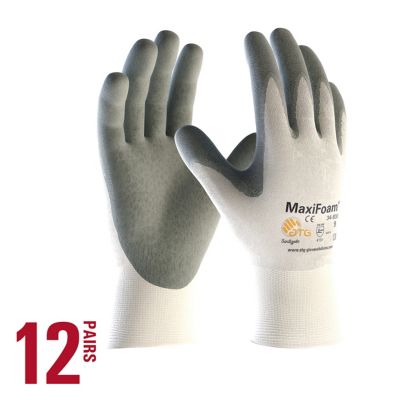
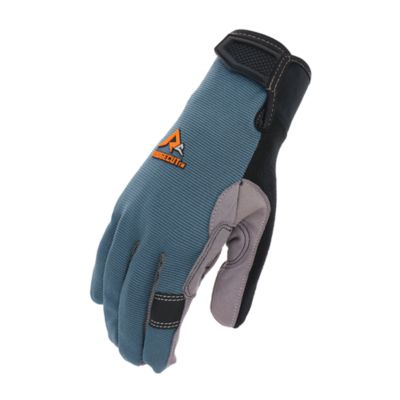
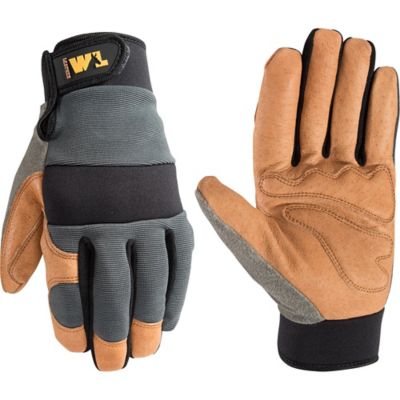
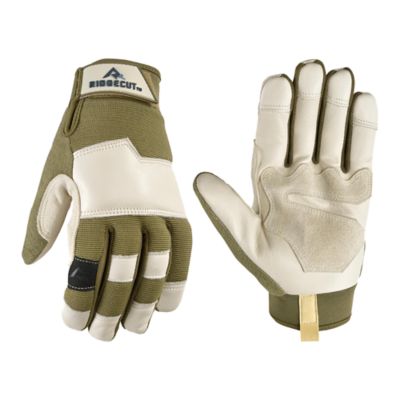
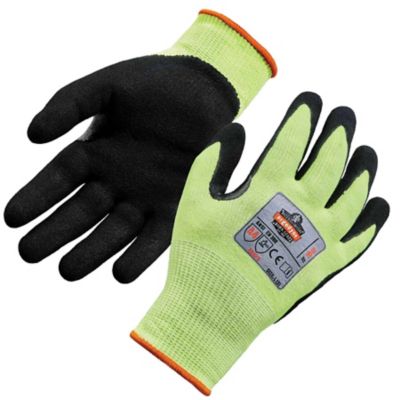
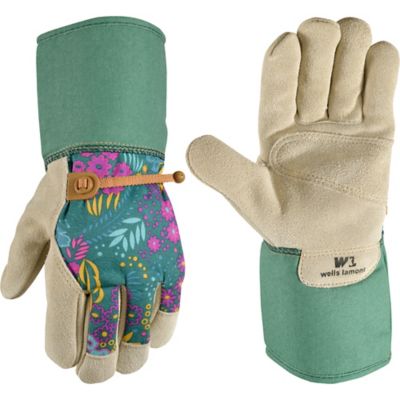
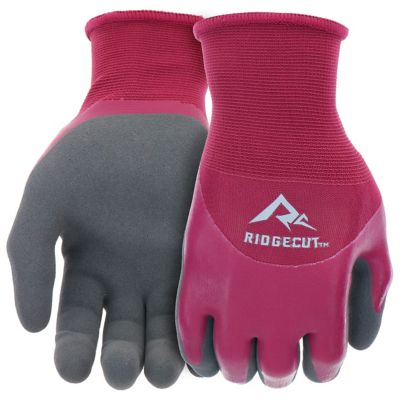
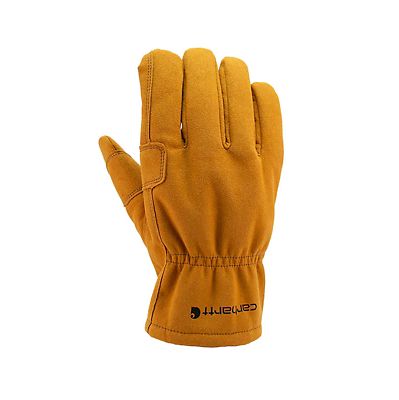
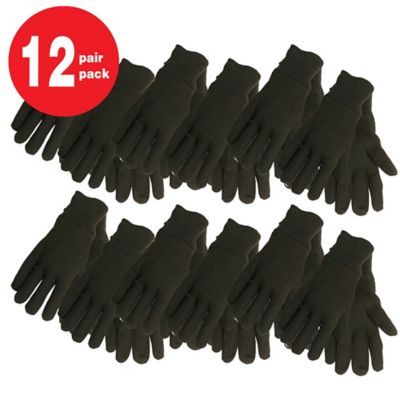
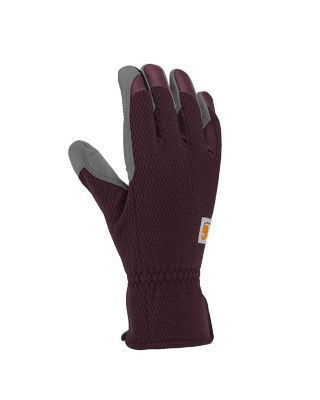
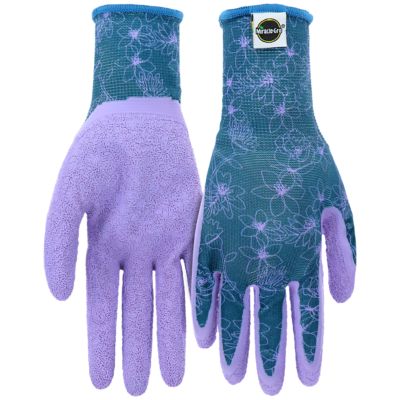
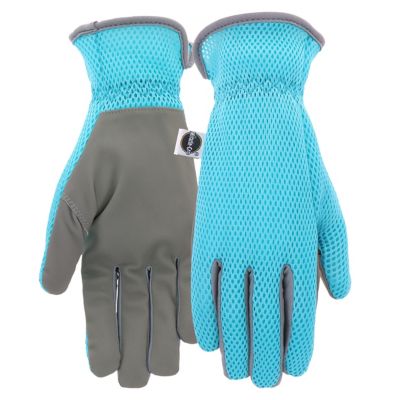
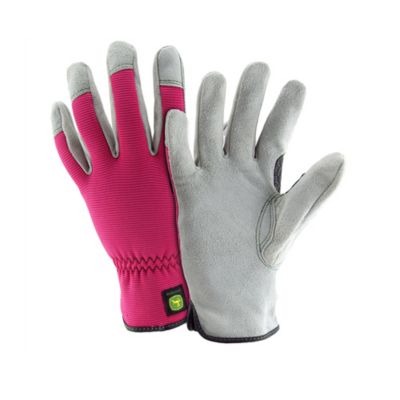
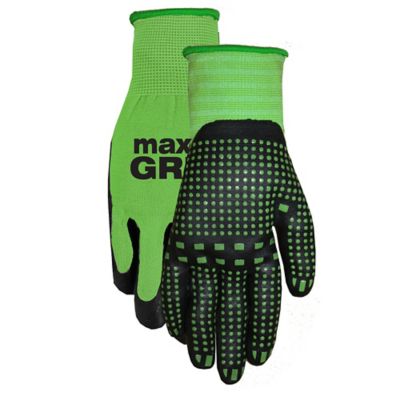
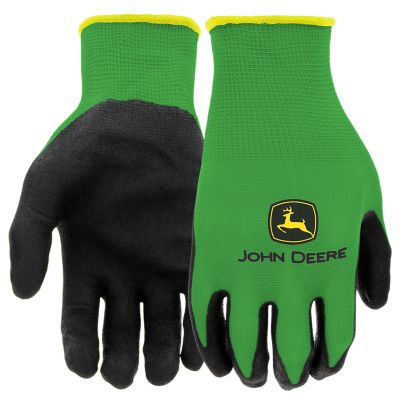
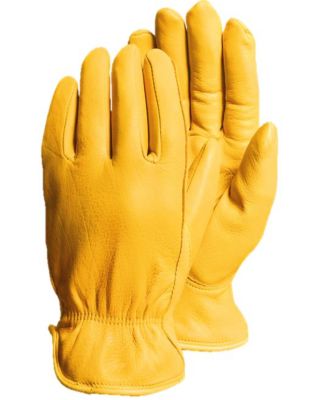
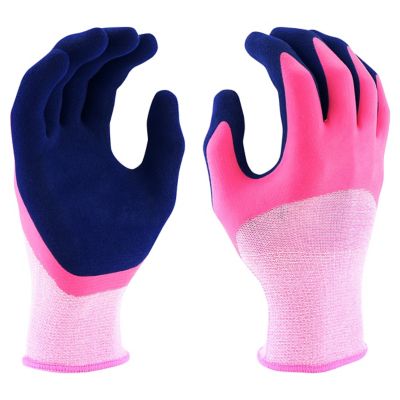
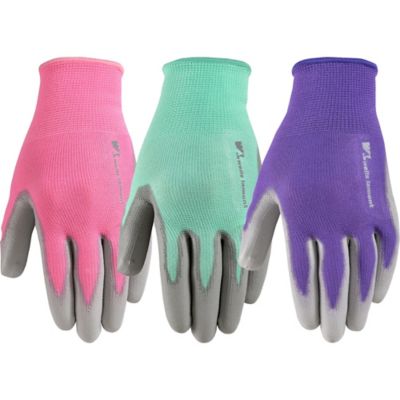
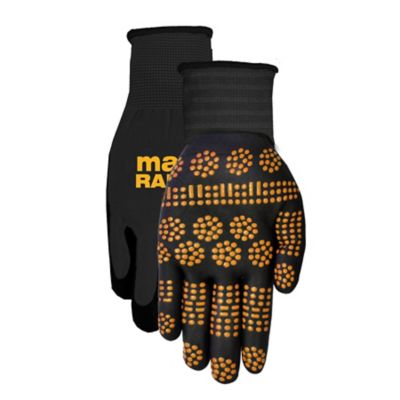
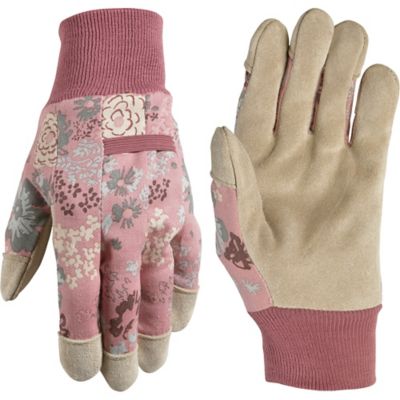
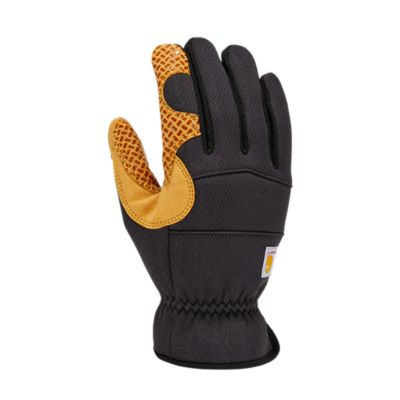
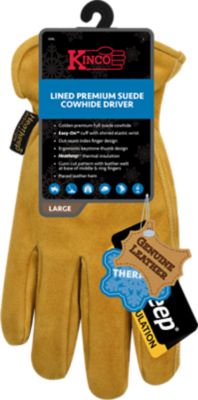
Weed pulling gloves help make garden cleanup more comfortable, especially when a quick hand weeding job turns into an afternoon spent around flower beds, fence lines, raised beds, or the vegetable patch. The right pair keeps soil from packing under your fingernails, helps protect against rough stems and hidden burrs, and gives you a better grip when a weed comes up with a stubborn root. For everyday weeds such as crabgrass, chickweed, purslane, and dandelions, look for lightweight gloves that fit close to the hand without feeling tight. A flexible knit or breathable fabric back helps release heat during warm-weather yard work, while a nitrile, rubber, or latex-coated palm adds traction when you are working in damp soil or pulling weeds after watering. Thin, form-fitting gloves are especially handy when you need to pinch small stems, move seedlings out of the way, or work around young plants without crushing them. Finger movement matters more than a bulky feel for this kind of work, so check that the fingertips are not too long and that the palm does not bunch when you make a fist. A snug wrist can also help keep loose dirt, grass clippings, and tiny bits of mulch from getting inside. Some gardeners prefer soft bamboo or other moisture-wicking materials for long stretches of work, since they help manage sweat and stay comfortable as the weather warms. These lightweight styles are useful for routine maintenance and can be rinsed clean after handling dusty soil. For heavier pulling, choose a glove with reinforced areas or a more durable palm. Soft goatskin or deerskin leather can offer a practical balance of protection and flexibility when you are clearing rough growth, handling woody stems, or working near plants with small stickers. Leather naturally develops a broken-in feel over time, making a pair of
Leather Gardening Gloves a dependable choice for gardeners who want more coverage without giving up finger movement. Keep in mind that leather gloves may need more careful drying and storage than washable fabric styles, and they generally should not be left wet in a tool bucket or shed corner. A pair with longer cuffs or a gauntlet-style design is worth considering when weeds are mixed with blackberry canes, rose branches, thistles, or other prickly growth. Extra length helps cover the wrist and part of the lower arm when you reach deep into a brushy edge, under shrubs, or along a fence. For ordinary garden beds, shorter cuffs are often easier to put on and take off, especially when you are moving between planting, pulling, and carrying yard waste.
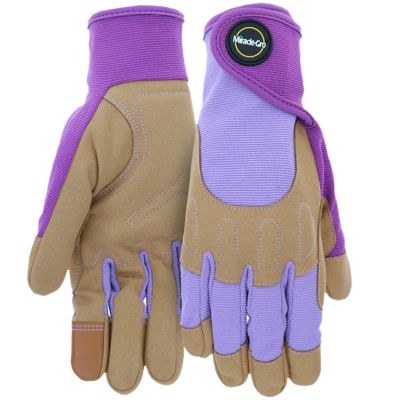
When choosing weed pulling gloves, think about the work you actually do and the plants around your home rather than focusing on one feature alone. A gardener tending neat rows of vegetables may value a soft, washable glove with good fingertip sensitivity, while someone reclaiming an overgrown corner of the property may need thicker material, a textured palm, and added wrist coverage. If you regularly work in wet ground, a coated palm can help prevent slippery stems from twisting out of your grasp, but fully coated gloves may feel warmer than breathable fabric. If you spend time in dry soil, a close-fitting knit glove can keep your hands comfortable while still allowing you to feel small roots and weeds tucked between established plants. Consider sizing carefully, since an oversized glove can snag on stems and make delicate work frustrating, while a glove that is too small may split at the seams or leave your fingers cramped. Look for secure wrist closures when you want a more customized fit, and check the care instructions before washing. Many fabric and coated gloves can be rinsed under a hose and air-dried, but leather should be allowed to dry naturally away from intense heat so it does not become stiff or cracked. It is also useful to keep more than one style on hand: a lightweight pair for quick touch-ups near the porch, a tougher pair for clearing fence rows, and a longer glove for thorny brush. Weed pulling gloves make a thoughtful gift for new homeowners, backyard gardeners, community garden volunteers, and anyone who enjoys time outdoors with their hands in the soil. They fit easily into a garden basket with hand tools, seed packets, kneeling pads, or a sturdy bucket for hauling pulled weeds. They can also be useful for older gardeners who want a little more hand protection during routine chores, or for children learning to help with garden cleanup when a properly sized pair is available and an adult is nearby. Before putting gloves to work, clear away large sticks and check the area for sharp wire, broken glass, insects, or other hazards that garden gloves are not designed to stop. Pull weeds close to the base and lift steadily when the soil is moist, using a hand tool for deep or firmly rooted plants instead of forcing your fingers. Shake loose dirt outdoors, rinse gloves when needed, and store them in a dry place where they are ready for the next round of garden work. From late-summer cleanup through the cooler months, a well-fitting pair keeps hands cleaner, helps reduce scratches and blisters, and makes the simple job of pulling weeds feel far more manageable.