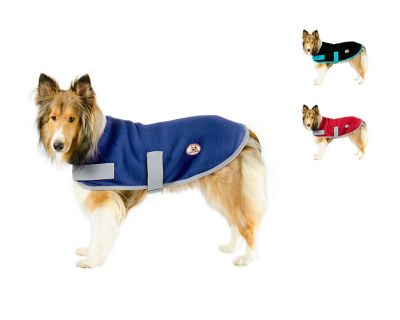
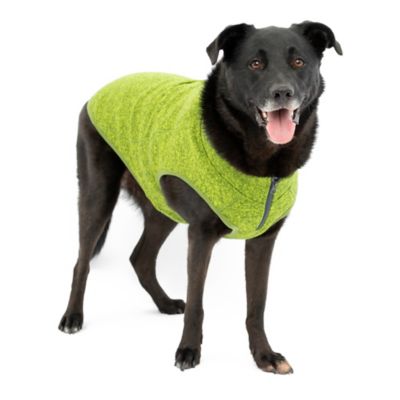
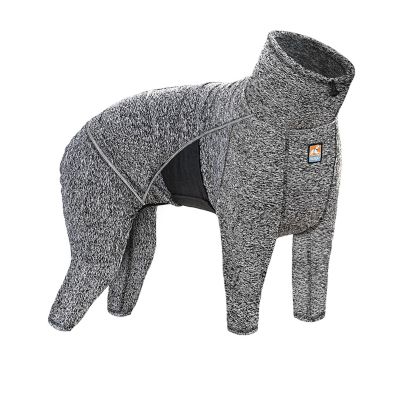
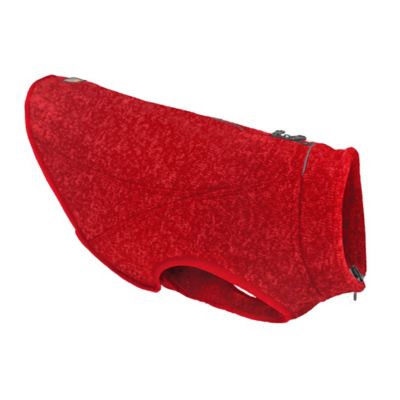
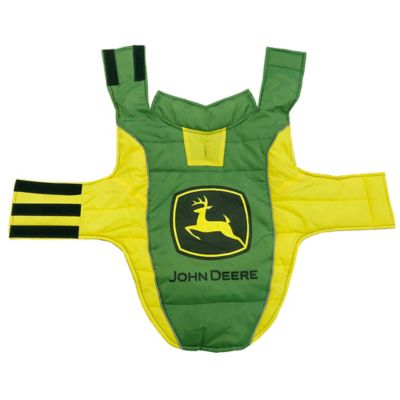
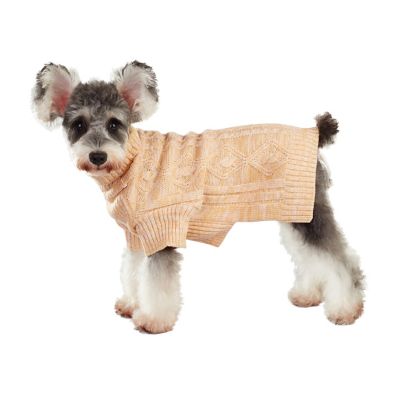
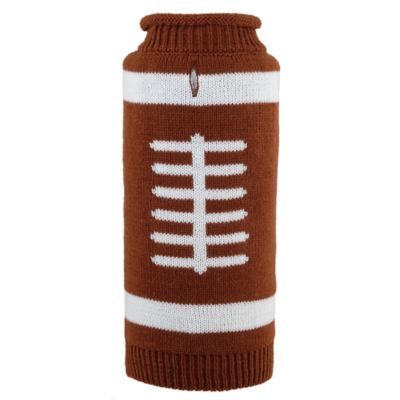
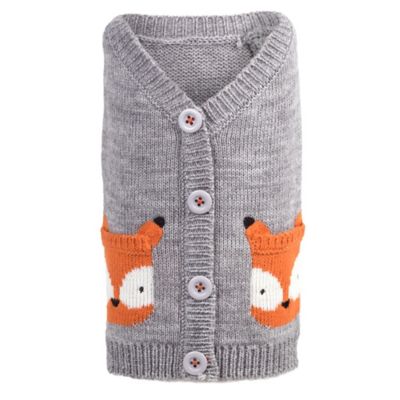
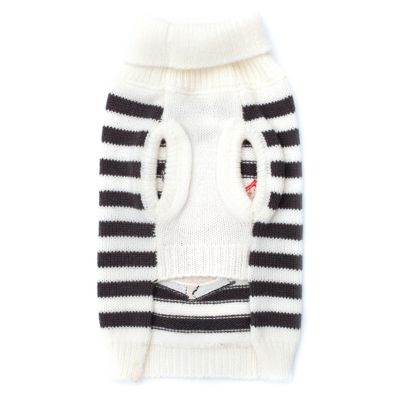
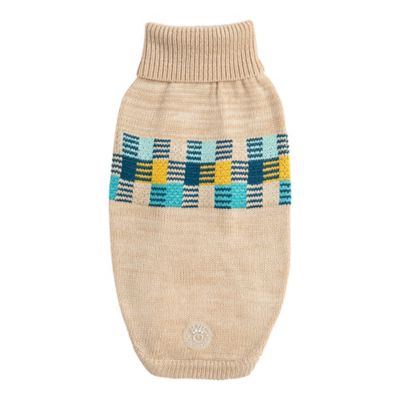
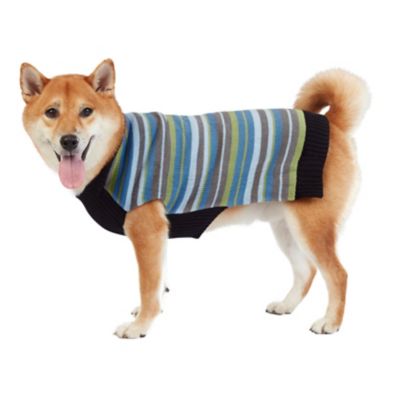
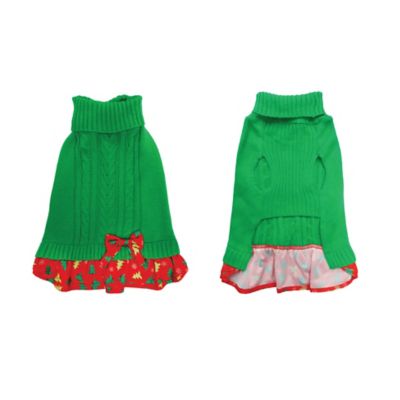
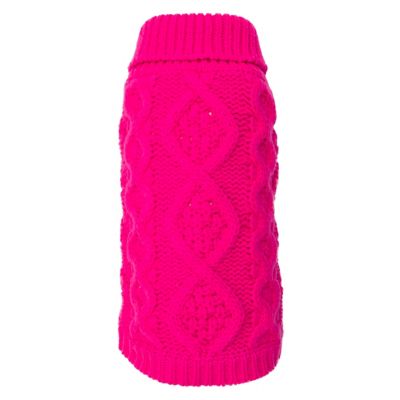
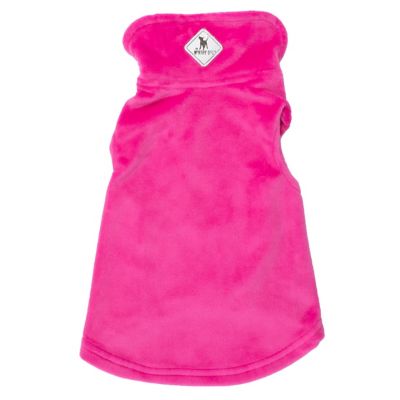
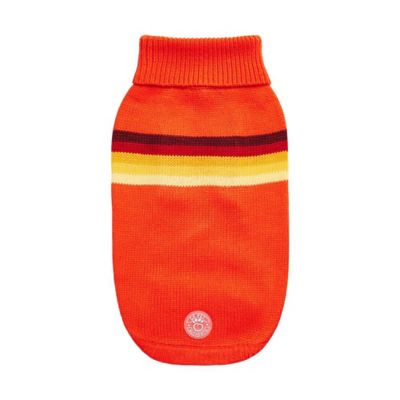
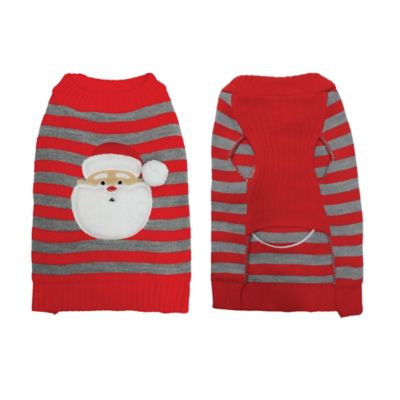
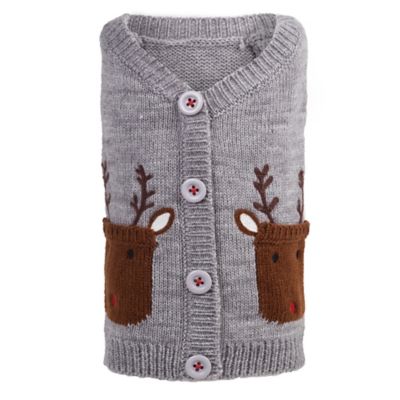
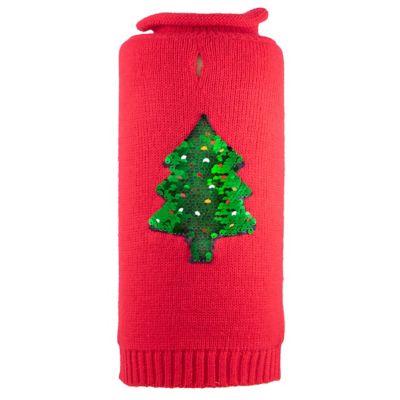
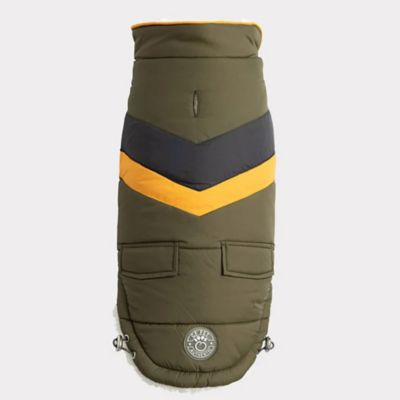
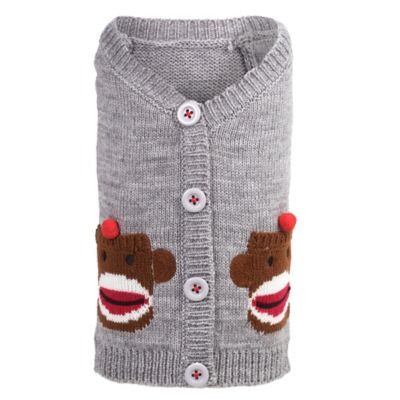
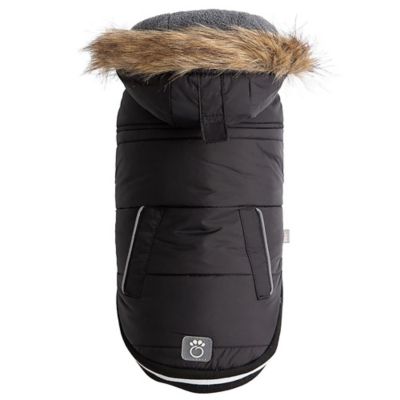
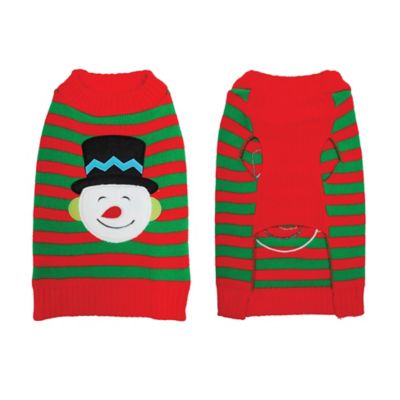
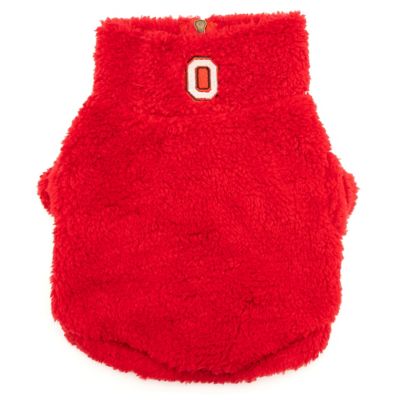
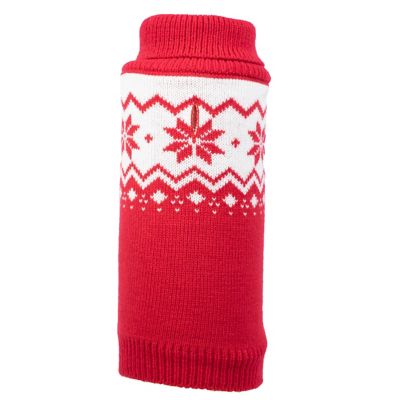
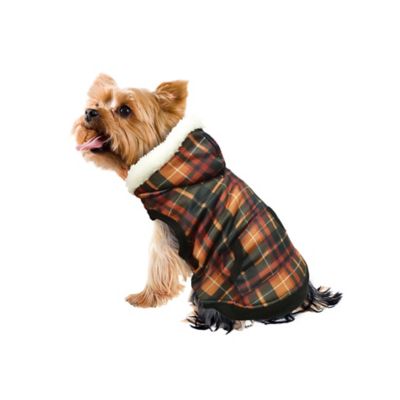
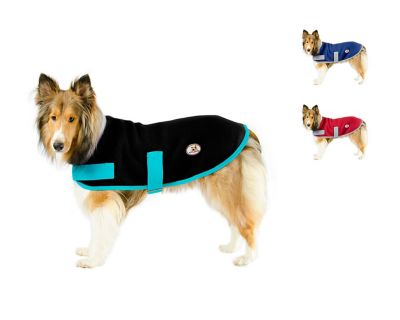
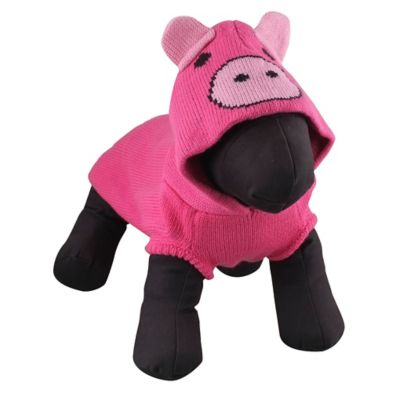
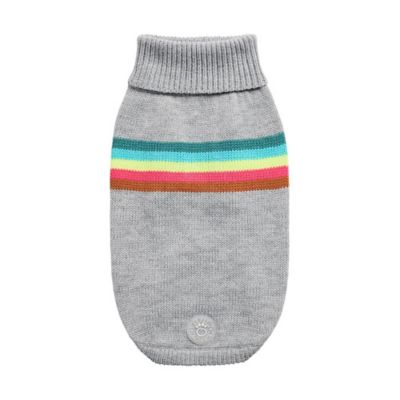
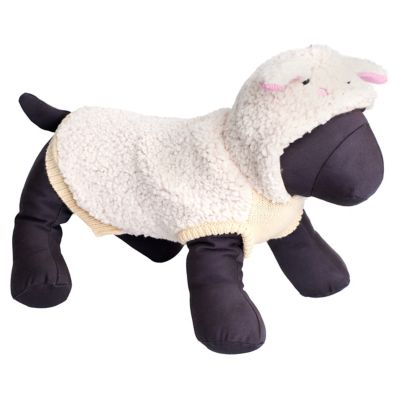
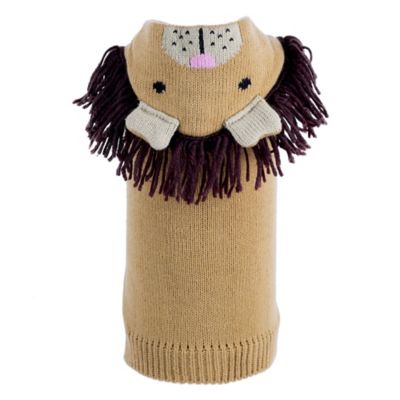
Warm dog sweaters come in handy on Halloween nights when there’s as much standing around as there is walking. A dog might trot along just fine down the driveway, then spend a good stretch waiting at the sidewalk while the kids make their way up to the porch. A light layer can take the edge off the chill for a short-haired dog, a little dog that walks close to the ground or an older dog that likes to take things slow. A dog with a thick coat that keeps moving may need less warmth, especially if the route is a quick loop around the block. Fabric makes a difference in how a sweater feels on that walk. Soft fleece can hold warmth without much weight, while a stretchy knit gives a little at the shoulders when a dog steps over a curb. A tighter knit is less likely to catch on a splinter along a porch step or a twig at the edge of the yard than one with big, open loops. Cotton blends can be comfortable on a mild evening, though cotton can stay damp if the dog’s belly brushes wet grass. A sweater adds warmth, but it won’t keep a dog dry through a steady drizzle. For a dog that won’t put up with a costume, a sweater in Halloween colors or a simple seasonal pattern can look right at home alongside the treat buckets without a hat slipping over one ear. A dog that likes to sniff along fence lines or nose through piles of leaves may do better in a plain knit than in a sweater with long ties or loose trim that can snag. And for a dog that would rather watch the visitors from the porch, a soft layer can be plenty festive without anything dangling or rustling each time the dog settles down.
Fit matters most once a dog gets moving. Two dogs of about the same weight can fill out a sweater differently, especially if one has a broad chest and the other has a long, narrow build. A size chart that takes chest girth, neck girth and back length into account gives a better starting point than weight alone. A sweater should rest close to the body without pulling across the chest or bunching behind the front legs. A wide or stretchy neck opening can make dressing easier for a dog that ducks its head when fabric brushes its ears. The back can cover most of the torso without riding up at the shoulders or pressing against the base of the tail, and the underside needs to leave room for a bathroom break. A few laps around the kitchen can show what standing still won’t: whether the leg openings rub, whether the hem shifts when the dog turns and whether the dog can sit down without the sweater tugging at the neck. For dogs that walk in a harness, a sweater with an opening in the right spot can make the leash clip easier to reach. The leash still clips to the harness, not to the sweater itself. A bright sweater may stand out nicely under the porch light, but a low-slung dog can be hard to see from a car once it steps beyond that patch of light. Reflective details can help when headlights catch them, especially where the sidewalk gives way to a gravel shoulder. Once the trick-or-treat rounds are over and the dog is back inside, the sweater can come off so the dog doesn’t get too warm while the kids sort their candy.
A Halloween sweater can earn its spot by the back door long after the treat buckets are put away. A straightforward knit works for a chilly trip out to the mailbox or a slow lap around the yard before bed, particularly for a dog that likes to stop at every fence post. For those everyday outings, the
Fall Dog Sweater page offers another place to browse for a warm layer. How well a sweater holds up depends in part on its construction and how often it needs washing. Cuffs that spring back after stretching help keep the openings from sagging, and flat, smooth seams can make a difference under the front legs, where fabric shifts with every step. After a walk, a quick look at the chest and belly can turn up burrs or bits of leaf stem before they work their way farther into the knit. Care labels are worth a look, especially on blends: some sweaters can go in the washer on a gentle cycle, while others call for hand washing. Laying a knit flat to dry, when the label calls for it, helps it keep its shape instead of stretching under the weight of the wet fabric. It’s worth letting the sweater dry all the way before folding it up or putting it back on the dog. A warm sweater can also make a thoughtful gift for a family with a short-haired dog, a neighbor whose small dog tags along for the evening walk or someone taking a new dog out with the kids for Halloween. Knowing the dog’s measurements makes it easier to give a layer that fits from the first outing. A simple pattern and an easy fit can carry it from a night of porch lights and treat buckets to the ordinary walks that make up most of a dog’s week.