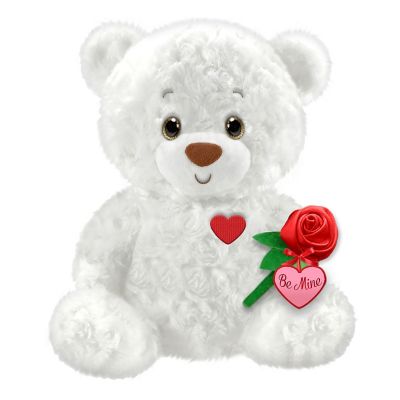
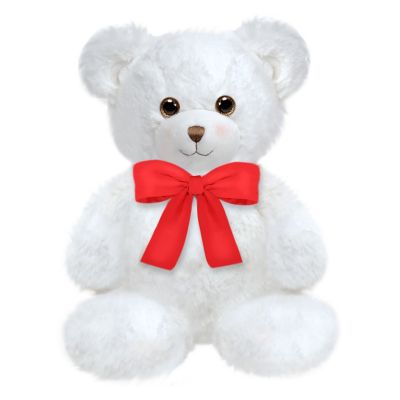
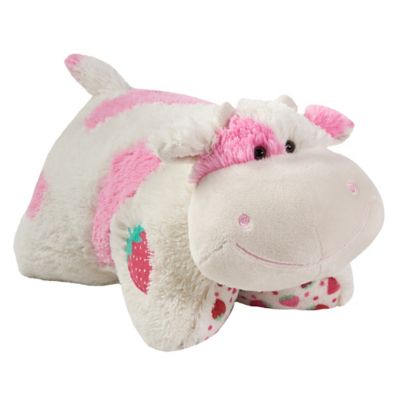
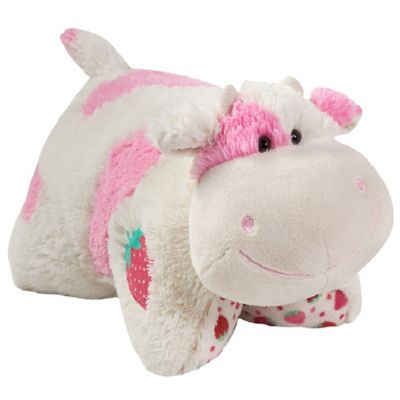
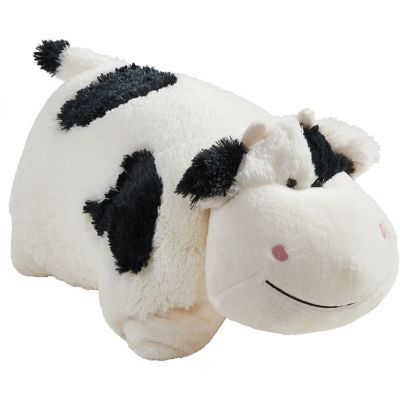
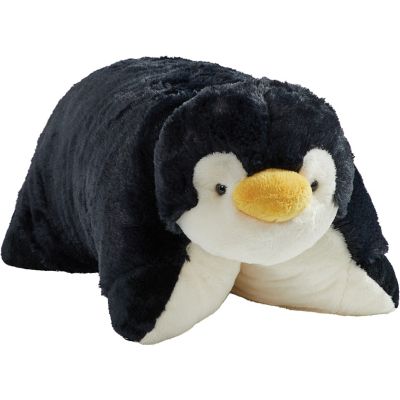
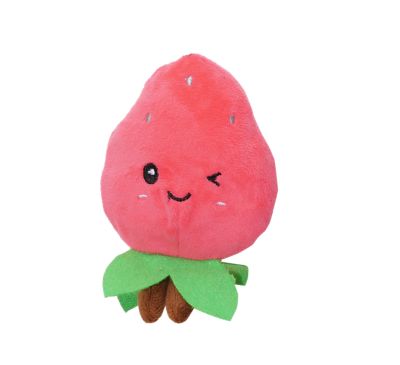
Valentine’s plush gifts for kids ages 5 and up bring a soft, cheerful touch to a holiday built around showing somebody they matter. A stuffed companion can turn a simple exchange of cards into a gift that stays close long after the paper hearts come down. For a child who carries a favorite toy from the bedroom to the couch, that familiar softness can be part of everyday play, quiet reading, and winding down after a busy day. Animal shapes, friendly expressions, and heart-themed touches give Valentine’s plush its playful character, while different sizes suit different ways of enjoying it. Smaller plush toys are easier to carry on a trip into town or tuck beside a book in a backpack, provided school rules allow toys from home. Larger sizes offer more to hug but also need more room on a bed, chair, or shelf. Measurements tell more than a photo alone, especially when the gift needs to fit inside a particular bag or join an already crowded collection of stuffed friends. Children in this age range often have clear favorites, whether that means a certain animal, a favorite color, or a preference for silly faces over sweet ones. Those little preferences can make a Valentine’s gift feel thoughtful without needing an elaborate presentation. Some kids enjoy making up names and stories for every new plush friend; others like having one familiar companion nearby while they draw, build, or listen to a bedtime story. A gift from a parent, grandparent, sibling, or family friend can fit any of those routines. Valentine’s colors and heart details mark the occasion, but a shape and feel that match the child’s interests help the toy remain part of play well beyond the holiday. For older children within the age range, a plush gift can also be a lighthearted keepsake that sits beside books or joins a collection rather than traveling everywhere. The best match depends less on making a big statement and more on understanding how that child likes to play.
The feel of a plush toy comes from both its outer fabric and its filling. Short-pile fabrics tend to have a smoother surface, while longer fibers create a fluffier look and a different feel against the hands and cheek. Polyester is common in plush fabrics and fiberfill, though material details vary, so the label is the place to check the actual fiber content. Fabric names alone do not tell the whole story: the amount of filling, the shape of the body, and the construction of the limbs all affect whether a toy feels floppy, springy, or more firmly stuffed. A floppy companion may drape easily over an arm, while a firmer shape may sit more upright during pretend play or on a bedroom shelf. Seams and attachment points deserve attention because children often carry stuffed animals by an arm, leg, or ear, even when a full-body hug would be gentler. Secure stitching helps keep filling contained through ordinary handling. Embroidered features offer a different construction from attached eyes, noses, bows, or other trims, and any loose part calls for a closer check before play continues. The manufacturer’s age recommendation should match the recipient, with extra thought given to younger siblings who might reach for the same toy. A gift intended for a child age 5 or older is not automatically suitable for a toddler sharing the room. Care instructions matter just as much when a plush friend is likely to tag along through snacks, car rides, and afternoons on the living room floor. Some fabrics and constructions allow machine washing, while others call for surface cleaning only. Following the care label helps protect the fabric, filling, shape, and attached details. After cleaning, the toy needs to dry fully before returning to a child’s arms or a storage bin. Strong heat, vigorous scrubbing, or a wash cycle that the label does not permit can change how a plush toy looks and feels, so an easy-care match is worth considering for a child who takes a favorite companion everywhere.
A Valentine’s plush gift does not need a complicated setup to feel special. A handwritten card beside a soft companion gives a child something to read and something to hold, with room for the message to be sweet, funny, or plainspoken. For families giving gifts to several children, the same general theme can still leave space for different colors, sizes, and personalities rather than matching every detail. A child who loves make-believe might bring a new stuffed friend into a pretend classroom or give it a place at an imaginary supper table. Another might prefer to keep it beside a pillow, ready for the next chapter of a favorite book. Those everyday scenes help explain why intended use matters: a toy that travels often has different practical demands from one that mostly stays in a bedroom. Lightweight shapes are easier for smaller hands to manage, and fewer projecting details can make packing simpler. Oversized plush can be fun to settle beside on the floor, but it should not crowd walkways or get in the way of a properly fastened seat belt during travel. For classroom celebrations, any gift needs to fit the teacher’s exchange rules and the space children have for carrying things home. At home, a basket or open shelf gives stuffed companions a place to land between adventures, while regular checks for split seams or loose trim help keep play on track. Pets need their own gifts rather than access to children’s plush toys, which are not made for chewing or tugging. Families including the four-legged crew in the celebration can explore
Pet Bed Gifts For Valentine's Day for a separate part of the occasion. For the kids, the lasting appeal is straightforward: a friendly face, a comfortable feel, and a gift that fits naturally into their day. Whether it joins a lively cast of pretend-play characters or becomes the quiet companion carried from room to room, Valentine’s plush offers a simple way to make a child feel remembered.