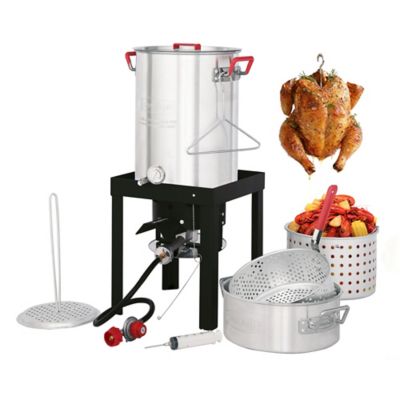
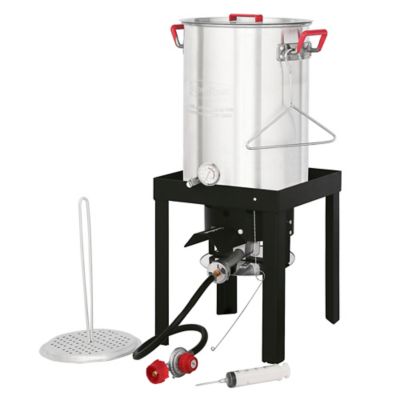
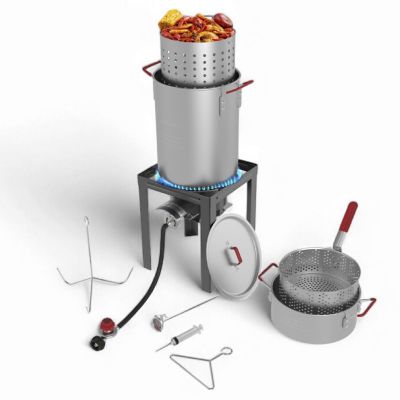
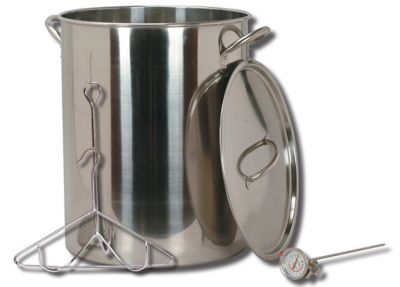
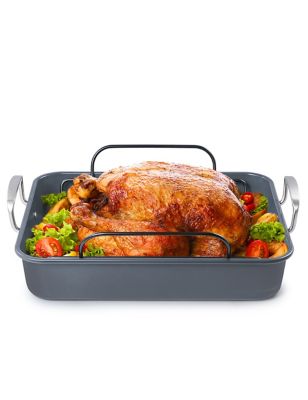
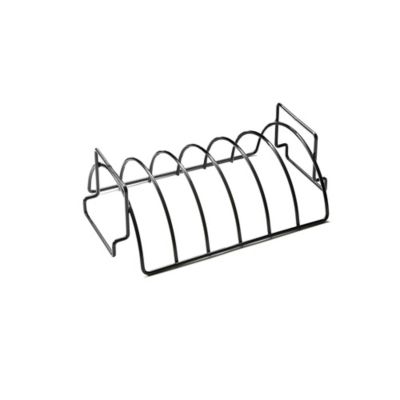
Turkey racks are handy kitchen tools for anyone who wants a more evenly roasted bird and less mess in the bottom of the pan. Set inside a roasting pan, a rack lifts the turkey above the cooking surface so hot air can move around the sides and underside. That extra airflow helps the skin brown, keeps the bottom from sitting in grease and juices, and can make the finished meat easier to remove when dinner is ready. The drippings collect beneath the rack instead of pooling around the bird, giving you a cleaner base for gravy, broth or pan sauce. Turkey racks come in a few useful styles. A V-shaped rack cradles the turkey and helps keep it steady while it roasts, which is especially useful when handling a larger bird. Flat racks provide a simple raised surface and may work well for turkey, chicken, roast beef or other cuts of meat. Adjustable racks can be repositioned or folded to better fit different sizes of poultry and roasting pans, making them a practical choice for cooks who prepare a range of meals throughout the year. When browsing turkey racks, look for a sturdy frame that can support the weight of a fully dressed turkey without bending or wobbling. Stainless steel and other oven-safe metal construction are popular choices because they hold up to high heat and can be used season after season. Check the rack’s dimensions against the roasting pan you plan to use, leaving enough room for the rack to sit flat and for air to circulate around the bird. A rack that fits snugly but does not press against the sides of the pan is easier to position and less likely to shift when you move it in and out of the oven.
A good turkey rack should also make the cooking process easier from start to finish. Raised sides, a stable base and built-in handles can help keep the turkey secure and give you a better grip when lifting the bird from the pan. Handles are particularly helpful after roasting, when the turkey is heavy, hot and covered in flavorful juices. If you cook with a deep roasting pan, make sure the rack sits high enough to keep the turkey from touching the bottom while still leaving adequate clearance inside the oven. For smaller birds or other roasted meats, an adjustable design can help you avoid buying a separate rack for every pan and recipe. Flat wire racks are often easy to store in a cabinet, while folding styles can be tucked away when the kitchen is busy with baking supplies, serving dishes and cookware. Before using any rack, confirm that it is intended for oven use and follow the care instructions provided with it. A rack that is dishwasher safe may save some scrubbing, though a quick soak in warm, soapy water can loosen cooked-on drippings from most metal surfaces. Avoid placing a hot rack directly on a countertop or table; set it on a heat-safe surface and use sturdy oven mitts when handling it. For cooks who also need durable metal storage or support solutions around the home, farm or workshop,
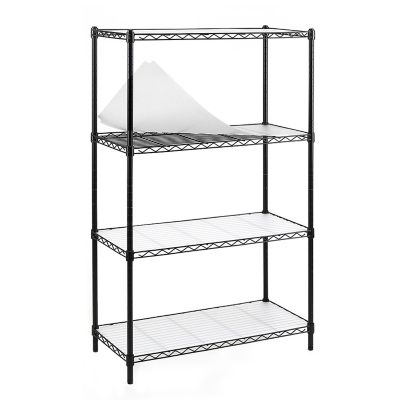
Steel Racks can be useful for keeping supplies organized and off the floor. The right rack, whether used in the kitchen or elsewhere, should be strong, steady and sized for the job.
Turkey racks are a practical addition to a home kitchen, a hunting camp, a family farm kitchen or any place where a hearty meal is shared around a crowded table. They can be especially useful during the cooler months, when oven-roasted meals and long Sunday dinners have a way of bringing everybody in from the yard. A rack makes sense for the cook who hosts a large gathering, prepares poultry for a work crew, or likes to turn one roasting pan into several different meals. It can also be a thoughtful gift for a new homeowner, a first-time holiday host, someone building a collection of dependable cookware or the friend who always gets called on to bring the turkey. Consider the size of the birds and roasts the recipient usually prepares, the style of pan they already own and whether easy cleanup matters most. A compact flat rack may suit a smaller kitchen, while a larger V-shaped or adjustable rack may be better for frequent family meals. Some cooks use the open space beneath the turkey to hold thick-cut onions, carrots, celery or other sturdy vegetables, allowing them to pick up flavor from the drippings while helping keep the bird elevated. Always leave room for heat to circulate, avoid overcrowding the pan and use a reliable meat thermometer to check that the turkey reaches a safe internal temperature. Once the turkey comes out of the oven, let it rest before carving so the juices can settle. A well-fitted rack helps make that whole routine smoother: the bird roasts above the pan, the drippings stay available for gravy, and cleanup is more manageable after the plates are cleared. Whether you roast poultry for a big gathering or simply want better airflow and easier handling for everyday meals, choosing a sturdy turkey rack sized to your cookware can make a noticeable difference.