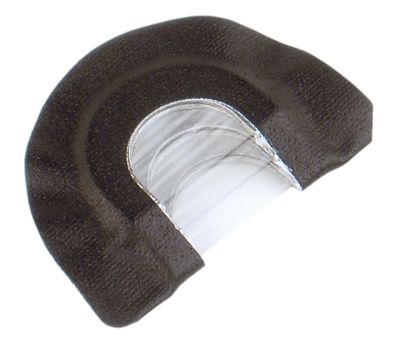
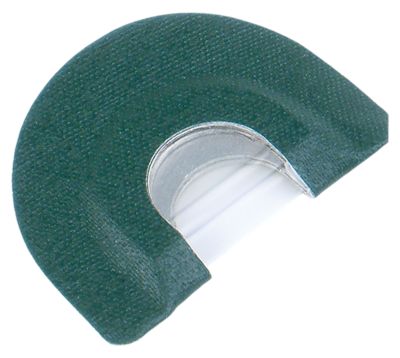
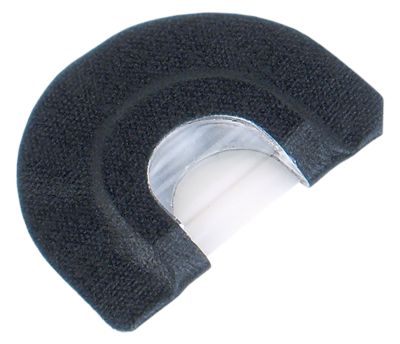
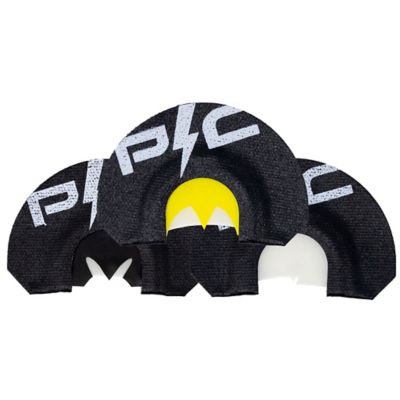
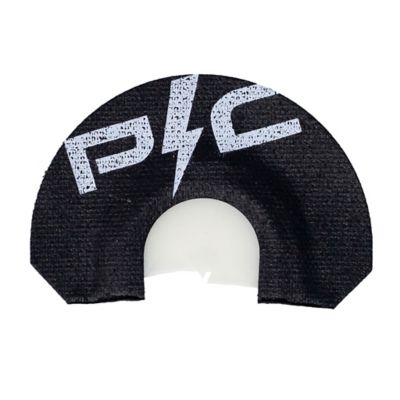
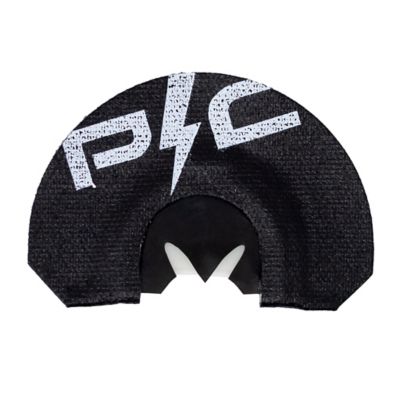
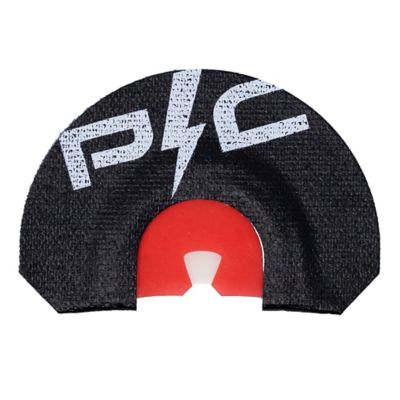
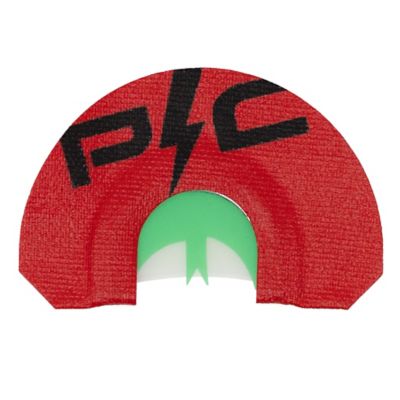
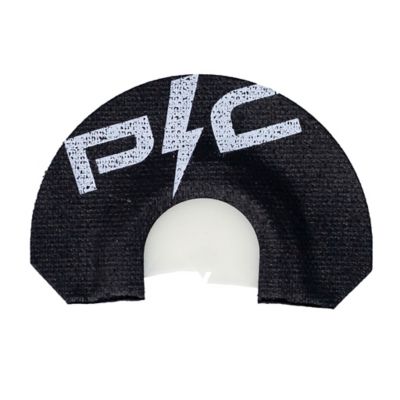
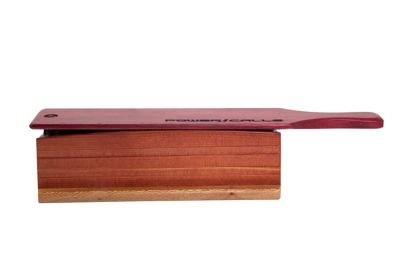
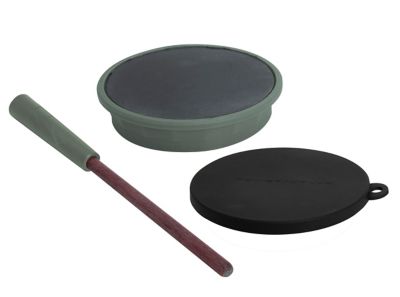
Turkey hunting mouth calls put a range of turkey sounds in a small, hands-free package, leaving a hunter’s hands free to hold a shotgun steady or keep a bow ready. Also called diaphragm turkey calls, they sit against the roof of the mouth and make sound when controlled air passes over thin, stretched reeds. That setup lets a hunter call with little visible movement, a real advantage when a bird is easing through open timber and looking for the hen it heard. Most mouth calls have three main parts: a horseshoe-shaped frame, one or more flexible reeds, and an outer tape skirt that helps the call fit and seal against the palate. Frames may be metal or plastic, while reeds are commonly latex; material details matter for anyone with a latex sensitivity. The tape gives the call a broader contact surface and affects how it feels in the mouth. Unlike a box call or a pot-and-striker call, a diaphragm does not need hand movement to produce each note. It also takes up very little room in a vest, making it practical as a primary call or a backup alongside other calling styles. Mouth calls can produce yelps, clucks, purrs, cutting, and other turkey vocalizations, though the range and character depend on the call’s construction and the hunter’s control. A plain yelp may do the talking across a pasture edge, while softer clucks can suit a bird working closer along a fence line. The appeal is not simply loudness or rasp. A mouth call gives hunters room to vary rhythm, pitch, and volume without reaching for another tool every time the situation changes. For someone who spends long stretches tucked against a tree, that combination of small size and low movement can make a diaphragm a useful part of a turkey hunting setup.
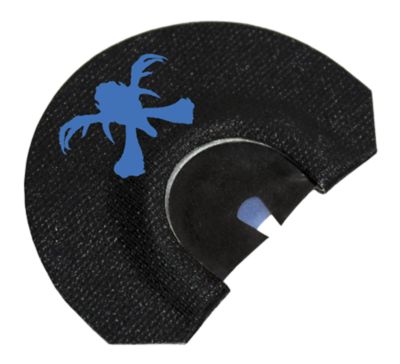
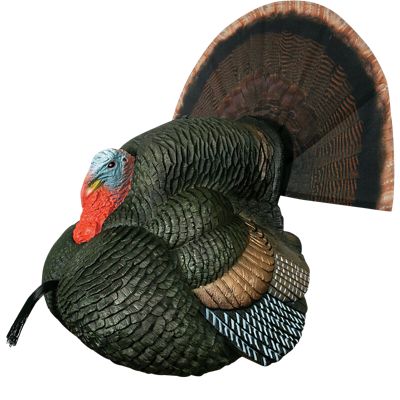
Reed count, reed tension, and cut shape are the main construction details that help separate one diaphragm style from another. Single- and double-reed calls often appeal to newer callers because many take less air and tongue pressure to get started, although reed stretch and overall design matter just as much as the number of layers. Three- and four-reed designs can offer a fuller sound and more texture, but they may demand more control. More reeds do not automatically make a call better, and a practiced caller can get plenty of expression from a simpler design. Cuts in the top reed change how sections of the reed vibrate, shaping the transition from a clear note into a rougher, raspier sound. Ghost cuts are often chosen for clear notes, softer calling, and kee-kee sounds. Split-V cuts commonly support a distinct high-to-low break in a yelp, while batwing and combo cuts can bring a stronger raspy edge. Those names are helpful starting points, not promises that every call with the same cut will sound alike. Frame width, reed arrangement, stretch, and the way the call sits in the mouth all affect the result. A hunter who likes a clean, higher-pitched hen sound may favor a different diaphragm than someone who prefers a lower, gravelly voice. Calling distance matters, too: projecting a yelp across an opening is a different job from keeping a quiet conversation going with a bird just beyond a brush pile. The most useful choice is one that responds comfortably at the volume and pitch the hunter can control. Mouth calls can also work alongside
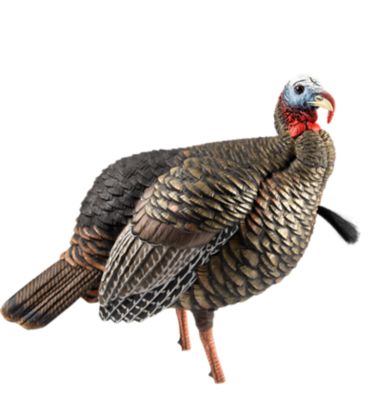
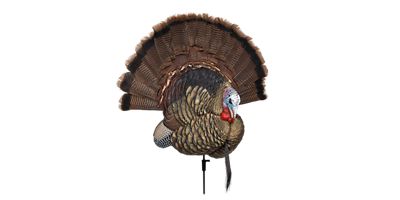
hen turkey decoys, pairing a hen’s voice with a visible presence where decoys are legal and suitable for the setup. Sound and placement serve different roles, and neither takes the place of watching how a bird responds. For hunters building out a calling kit, a few distinct sound profiles can be more practical than several diaphragms that feel and sound nearly the same.
Fit deserves as much attention as reed design, especially for a hunter buying a first turkey mouth call. A frame that feels too wide can press against the sides of the mouth, while excess tape may feel intrusive farther back on the palate. Smaller-frame designs may suit a narrower palate, but comfort depends on mouth shape rather than a hunter’s age or experience alone. A good fit helps create a seal without forcing the jaw or tongue into an awkward position. Some tape skirts allow careful trimming according to the maker’s directions, though cutting too much can spoil the seal, and bending the frame can change reed tension. Hunters who already know their preferred frame size and cut usually have an easier time choosing another call with a familiar feel. For a newcomer, a simpler reed arrangement and a comfortable frame are sensible priorities before chasing a wide range of sounds. Diaphragms also make practical gifts for turkey hunters, especially when the recipient’s preferred size and calling style are known. A protective case can be a useful companion, keeping these small pieces of gear from disappearing into a vest pocket with loose shells and leaves. Care matters because thin reeds and tape face repeated moisture, pressure, and handling. Following the maker’s cleaning directions, allowing the call to dry as directed, and storing it away from heat and direct sunlight can help preserve its response. A closed, damp container encourages problems that a clean, ventilated storage setup helps avoid. Sharing mouth calls is best avoided for hygiene, and a call with torn reeds, peeling tape, or persistent odor needs replacement. Reed surfaces that stick together or lose their original tension can also change the sound and make a once-familiar diaphragm harder to control. A case that protects the frame without crushing the reeds helps prevent damage between hunts. Whether the goal is a first steady yelp or a softer finishing cluck, turkey hunting mouth calls earn their place through comfortable fit, controllable sound, and the ability to keep movement down when a watchful bird gets close.