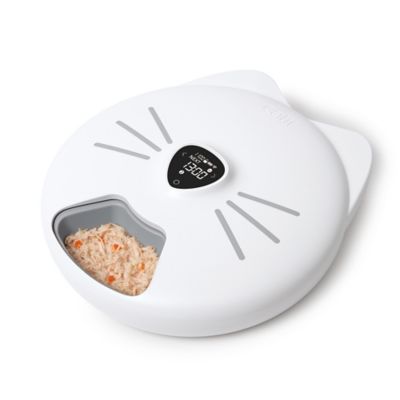
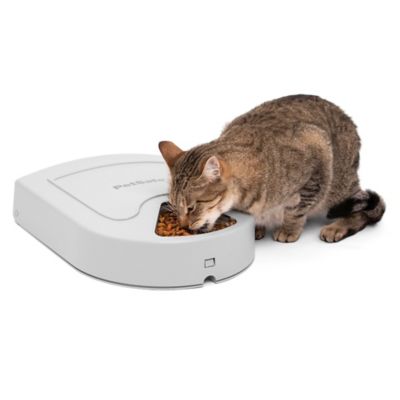
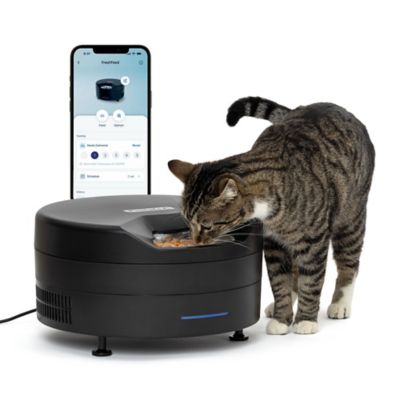
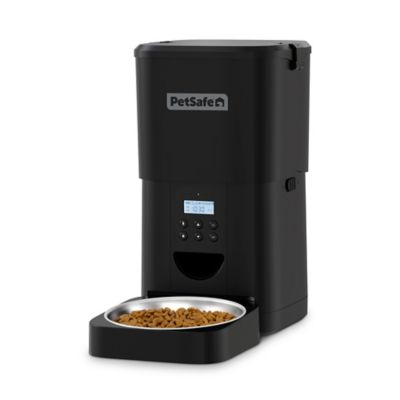
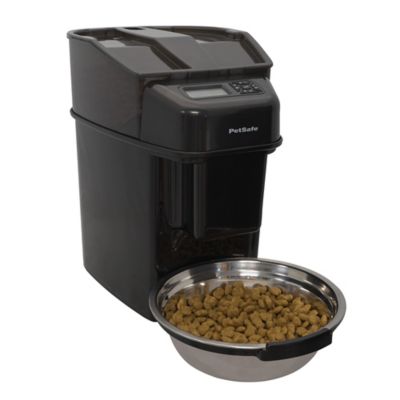
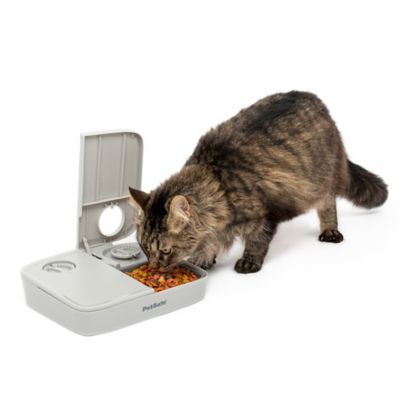
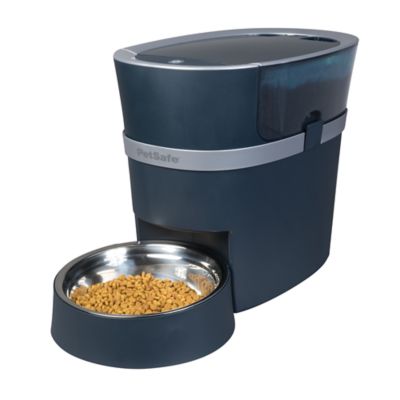
Timed wet food feeders serve preportioned meals on a set schedule, helping cats and dogs stick to a feeding routine when their people are handling barn chores, working a long shift, or sleeping past an early breakfast call. Unlike hopper feeders built to release dry kibble, these feeders generally hold wet food in separate compartments beneath a rotating cover or individual lids. A timer exposes the next serving at the selected time, while the remaining portions stay covered. Cooling, when included, comes from frozen ice packs or a powered cooling system; the timer itself does not keep food cold. That distinction matters when comparing automatic pet feeders for wet food, since scheduled access and food storage are two separate jobs. Compartment count tells part of the story, but serving size matters just as much. A tray with several sections may suit a cat eating small meals throughout the day, while a pet with larger portions needs enough room in each section without food reaching the lid or rotating mechanism. Capacity may be listed by volume rather than weight, and a serving of chunky food can occupy space differently than a smooth pâté. Shallow, open feeding areas can make food easier to reach, while the height of the base should suit the animal’s size and mobility. Food-contact trays may be plastic or stainless steel, depending on the design. Smooth surfaces, rounded corners, and removable inserts make everyday cleanup more manageable, especially with gravy or soft food that settles into edges. A sturdy base, nonslip feet, and protected controls are worth a look for pets that nudge bowls across the kitchen floor or paw at a lid before mealtime. In a home with more than one animal, a timed opening does not reserve the serving for a particular pet. Separate feeding spaces or supervision may still be necessary when one cat eats slowly and another cleans every bowl in sight.
Cooling features deserve close attention because covered wet food is not the same as refrigerated wet food. Ice-pack feeders depend on fully frozen packs, the feeder’s construction, and the conditions where the unit sits. Their cooling performance changes as the packs thaw, so a stated meal capacity should never be read as a promise that every serving can safely wait that long. Powered systems may provide more consistent cooling, but performance varies, and active cooling does not automatically equal the storage conditions inside a household refrigerator. The manufacturer’s directions should explain compatible foods, loading requirements, operating limits, and how long meals can remain in the tray. Pet food labels supply another important piece of the picture, including refrigeration instructions after opening. Neither a closed lid nor an app notification can confirm that food is safe to eat. Leftovers exposed during a meal also need attention; a feeder that advances to another compartment does not turn yesterday’s uneaten portion into a safe later serving. For everyday routines, the most practical setup is one that matches the length of the feeding gap and allows regular checks, pack changes when required, and prompt cleanup. A feeder sitting near a sunny window, heating vent, or appliance may face different conditions than one on a shaded kitchen floor, so placement should follow the operating instructions. Pets that graze slowly need particular consideration because the food can remain exposed after the lid opens. Feeding schedules for kittens, older animals, or pets with medical needs should follow veterinary advice rather than a feeder’s maximum number of settings. Measured portions can support an established meal plan, but the machine cannot judge appetite, notice discomfort, or decide whether a missed meal needs attention. For longer absences, someone checking the animal, water, feeder operation, and leftover food remains an important part of care.
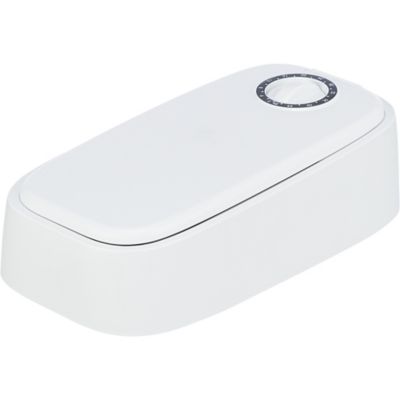
Controls and maintenance often determine how comfortably a timed wet food feeder fits into daily life. Some designs run from batteries and keep scheduling simple, while others plug into an outlet and may depend on household power for cooling. Backup power, when provided, may support the clock or lid movement without supporting every feature, so those details deserve a careful read. A clear display, straightforward meal settings, and a lid that closes securely make the routine easier for anyone sharing feeding duties. Households that want to adjust meal times from a phone can also explore
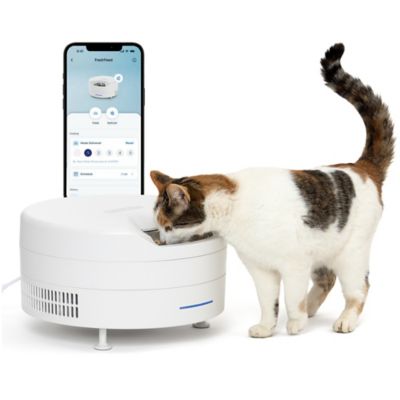
App-Controlled Pet Feeders, with the understanding that remote features, connection requirements, and wet-food compatibility vary by design. Notifications can report an opening or a device issue, but they do not necessarily confirm how much a pet ate. A supervised trial at home helps reveal whether the tray turns freely, the portions fit, and the animal is comfortable approaching when the mechanism moves. That is especially helpful for a cautious cat that backs away from unfamiliar sounds or a dog inclined to push a feeder into the nearest cabinet. Cleanup should be just as workable as programming: removable bowls and trays need washing after meals, with dishwasher cleaning only where the care directions allow it. Electrical bases, motors, and control panels generally require separate care rather than a trip through the sink. Food caught beneath a tray, along a lid seal, or beside a rotating joint can interfere with movement and make thorough washing harder. Regular checks for cracked bowls, damaged cords, worn latches, and ice packs that leak help keep the setup fit for feeding. A flat, stable spot with enough clearance for the lid or tray to move also matters, along with a cord arrangement that keeps chewing and tripping risks in mind. The right fit is a feeder whose meal capacity, cooling method, bowl shape, and cleaning routine match the pet’s actual day—not simply the one with the most settings. Alongside fresh drinking water and regular human check-ins, it can take one recurring task off a busy household’s plate while keeping mealtime familiar.