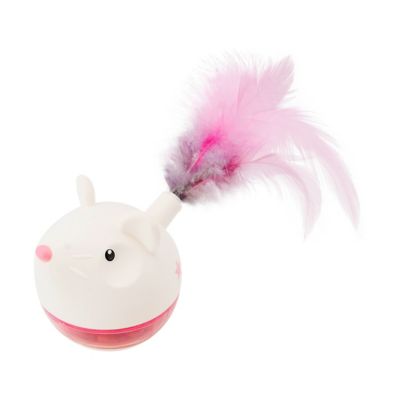
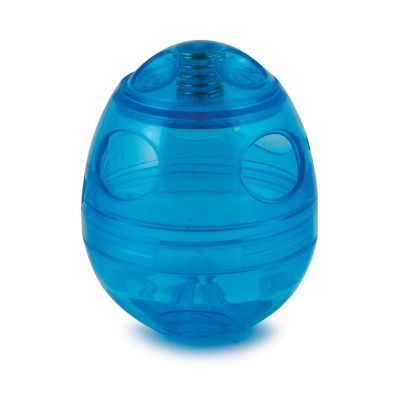
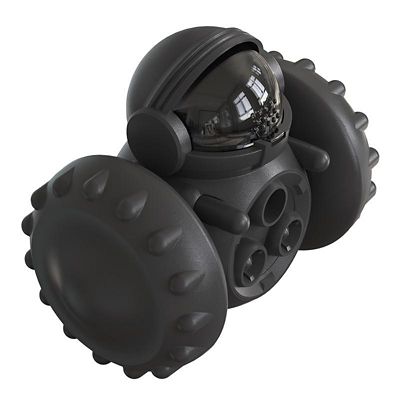
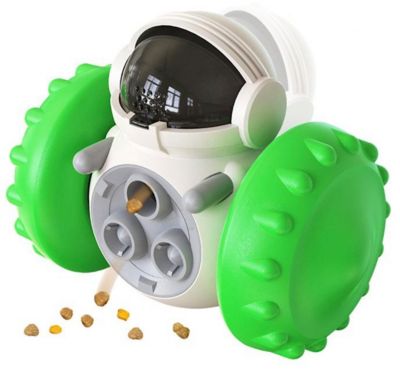
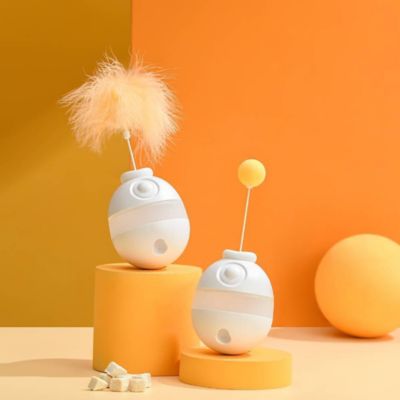
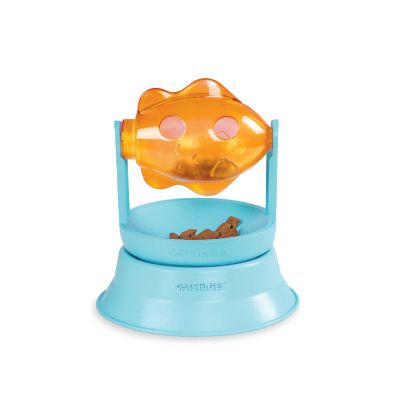
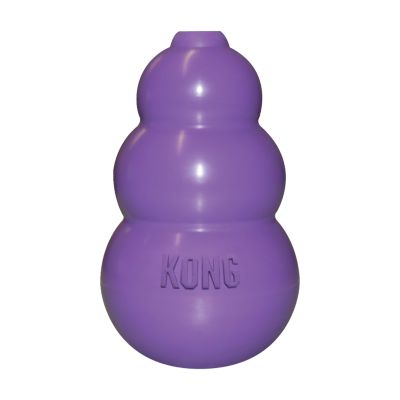
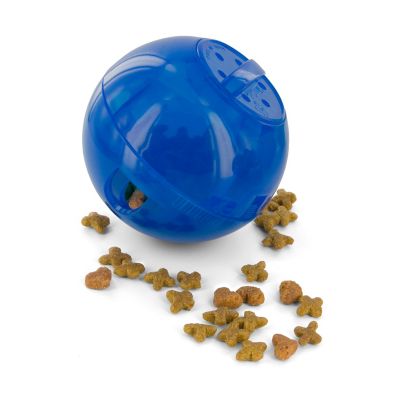
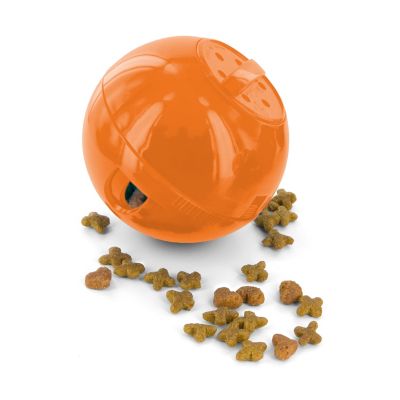
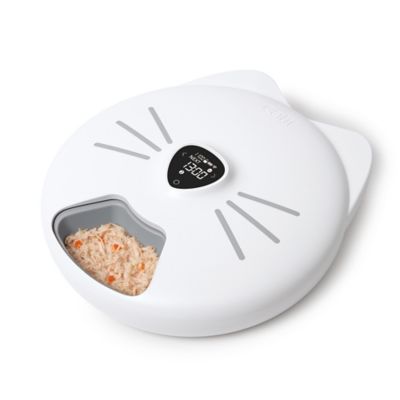
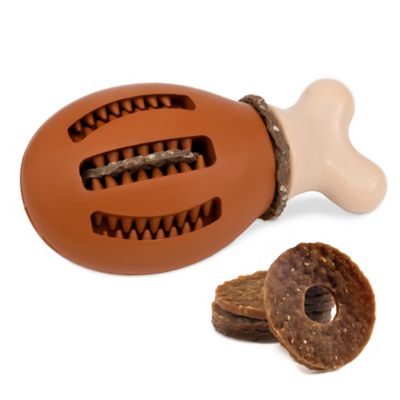
Cat treat dispensers turn snack time into a little game, giving cats a chance to bat, roll, nudge, lick, or paw their way to a reward. These interactive toys and feeding tools can help satisfy a cat’s natural hunting and foraging instincts while adding useful mental stimulation to the day. Some dispensers are made for dry treats or kibble and release a few pieces as a cat moves the toy across the floor. Rolling balls, wobble toys, and weighted tumblers are common choices for cats that enjoy chasing and batting, while stationary puzzle boards may ask a cat to flip covers, slide pieces, or reach into small openings to uncover hidden snacks. Other options are designed for lickable puree treats, helping keep squeeze-tube feeding a little tidier and giving cats a slow, soothing way to enjoy a favorite snack. A dispenser can be especially handy for indoor cats, senior cats who need gentle enrichment, or pets that spend long stretches resting while the household is away. During warmer weather, it can give an indoor cat something interesting to do after the windows are closed up for the afternoon; during cooler months, it can add movement and variety to a quiet day inside. These toys also make thoughtful gifts for new cat owners, families bringing home a kitten, or anyone whose cat seems to have a strong appetite for play as well as treats.
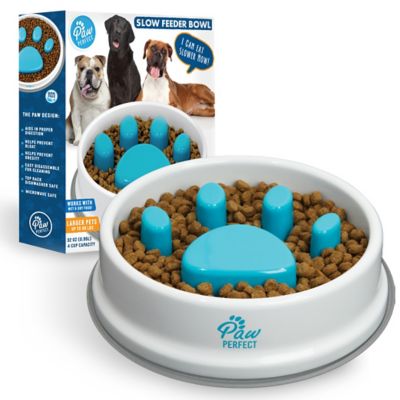
When choosing cat treat dispensers, start with the kind of reward your cat already enjoys and the way that cat likes to play. Dry treats and small pieces of kibble work well in rolling or wobbling dispensers, but check the opening size so snacks come out gradually without getting stuck. A cat that likes to pounce and chase may enjoy a toy that moves across hard floors, while a cautious or less active cat may do better with a simple stationary puzzle or a lickable treat holder. Look for sturdy, pet-safe materials and a design that can be opened for regular cleaning. Treat dust, oils, and bits of food can collect in seams, grooves, and small compartments, so smooth surfaces and removable parts are helpful for everyday care. A broad, stable base can keep a puzzle from sliding across the floor, while a lighter toy may be easier for a kitten to push around. If your cat tends to gulp food, a dispenser can stretch out snack time and encourage slower eating, though it should not replace veterinary guidance for vomiting, weight concerns, or digestive problems. For cats that need a more traditional feeding setup with built-in pacing, explore
Cat Slow Feeder Bowls as another option. Keep the cat’s regular meal portions and treats in mind, since food used in a dispenser still counts toward the day’s total. For a cat that is new to puzzle toys, begin with an easy setting and place a few treats where they are easy to find. Once the cat understands the game, make the challenge a little harder by using smaller rewards, closing compartments, or choosing a toy that requires more than one simple movement.
Cat treat dispensers fit into all sorts of homes and routines, from a farmhouse with several barn cats to a small apartment where an indoor companion needs extra enrichment. They can be used for short supervised play sessions, as part of a daily feeding routine, or to keep a cat occupied while chores are getting done. Set a rolling dispenser on a clear section of floor away from stairs, water bowls, and furniture where it could become wedged. Place puzzle toys on a washable mat to catch crumbs, especially when using soft treats or lickable food. Watch the first few sessions to see whether your cat bats gently, bites at the toy, or loses interest after a few minutes. Some cats prefer working alone, while others enjoy a person nearby offering encouragement and replacing treats as needed. Rotate between two or three styles instead of leaving every toy out at once; a familiar dispenser can feel fresh again after a short break. In a multi-cat household, provide enough space for each cat to eat and play without guarding or crowding, and choose separate toys when one cat tends to take over. Kittens may need larger, simpler pieces that are easy to handle, while older cats may appreciate low-impact games that let them stretch, sniff, and paw without jumping. With sensible portions, regular cleaning, and a little patience, cat treat dispensers can make ordinary snacks more engaging and bring a welcome spark of activity to the daily routine.