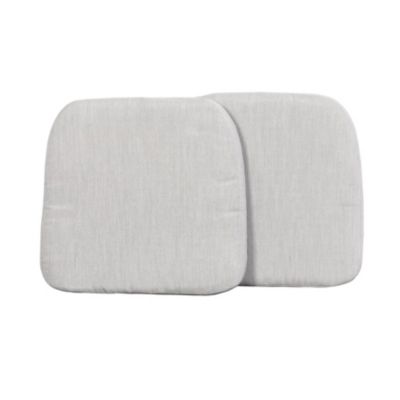
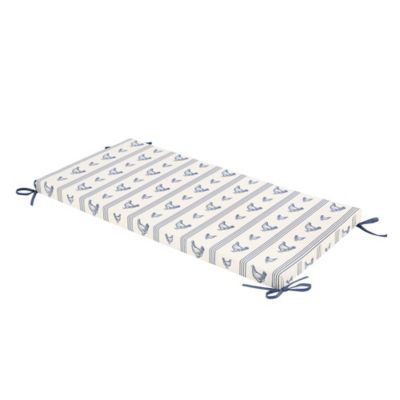
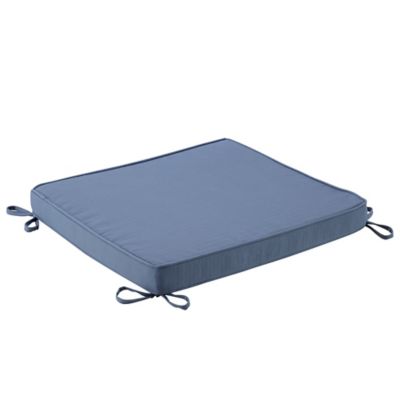
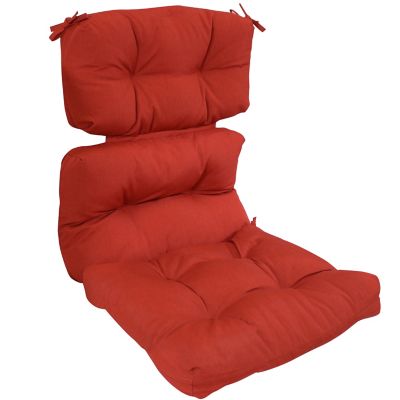
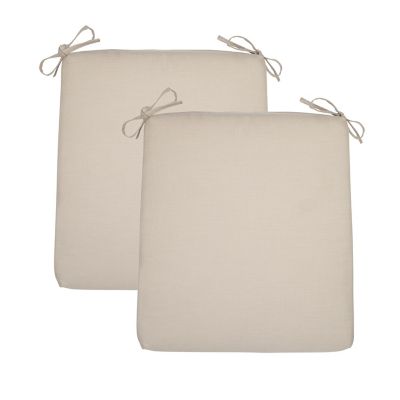
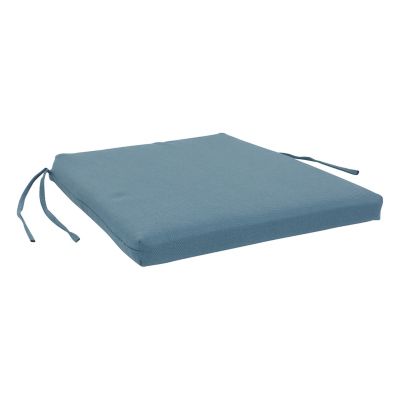
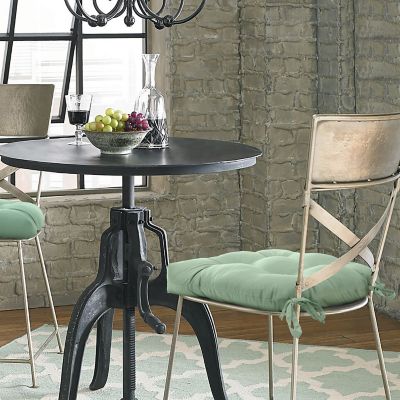
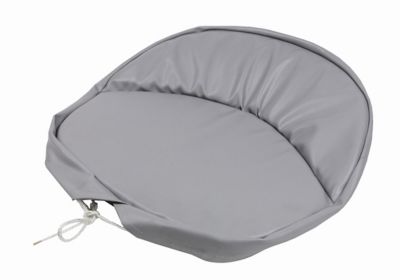
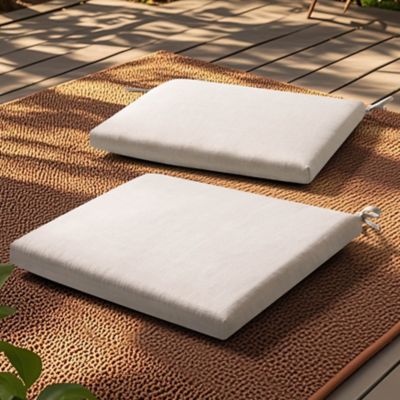
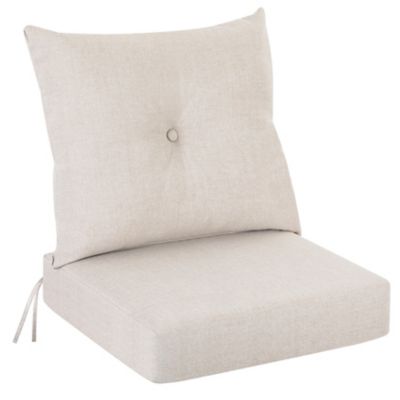
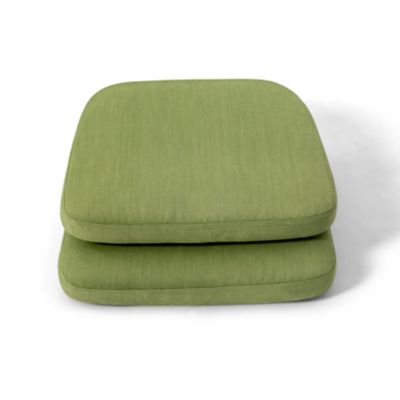
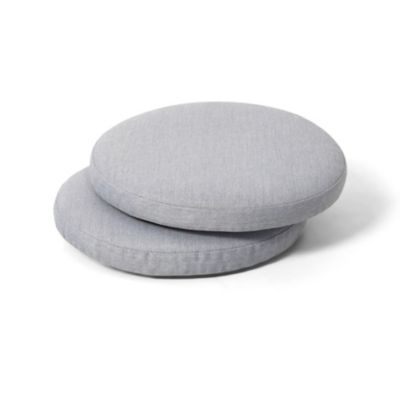
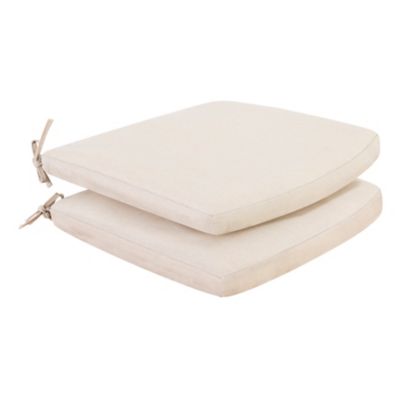
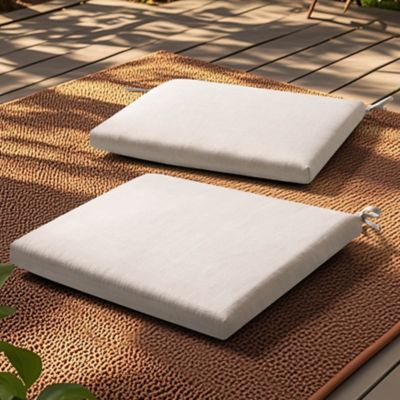
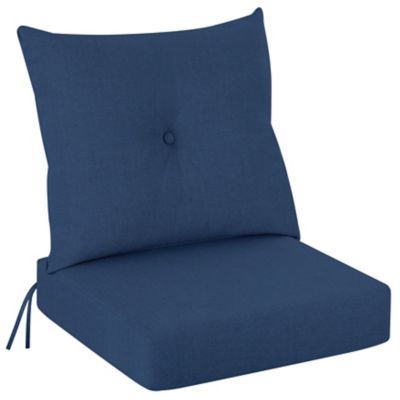
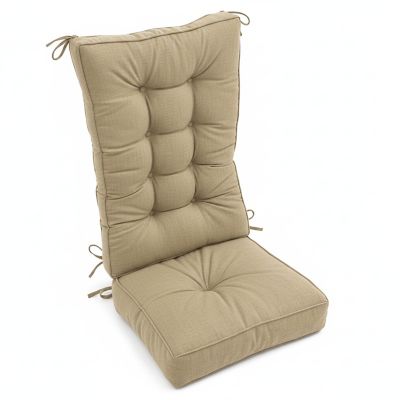
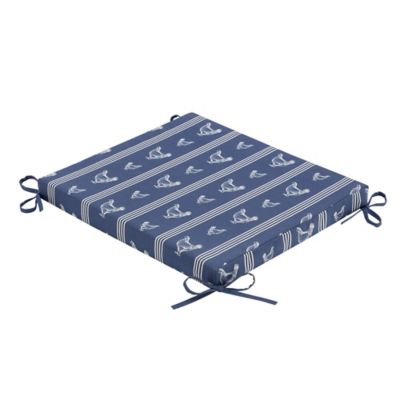
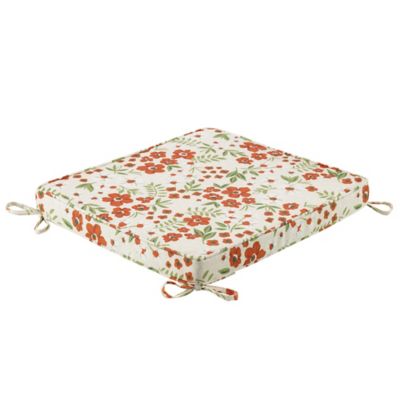
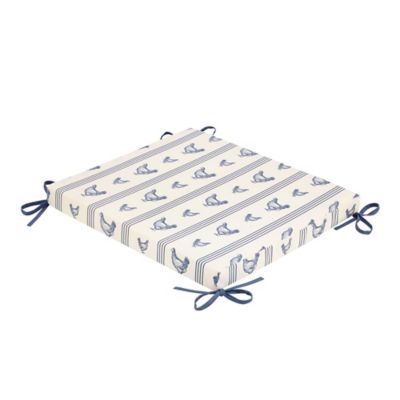
Tie-on outdoor chair cushions add padding to porch, patio, and backyard seating, with fabric ties that fasten around a chair’s frame to help keep the cushion in place. They make a bare seat more inviting for a cup of coffee before chores, a family supper outside, or a long visit across the porch rail. Common shapes include square and rounded seat pads, tapered cushions for chairs with narrower backs, and connected seat-and-back designs for taller seating. A simple seat pad suits many outdoor dining chairs, while a high-back cushion adds coverage along the backrest as well as beneath the seat. Contoured styles can work with the sloped seat and angled back of an Adirondack chair, provided their measurements match the furniture. The ties help limit everyday shifting when someone sits down or gets up, but they are not a substitute for bringing cushions inside when strong winds roll through. Fit starts with the chair itself: seat width, front-to-back depth, and the shape of the corners all affect how neatly a cushion rests against the frame. On a tapered seat, both the front and rear widths matter. For a connected cushion, the location of the fold should line up with the point where the seat meets the backrest. Thickness matters, too. A thick pad can soften a firm seat, but it also raises the sitting position and leaves less room beneath a dining table or chair arms. A thinner cushion may be a better match for a smaller bistro chair or a seat that already sits high. On metal seating, enough padding can help keep slats or mesh from pressing through during a long meal. For that type of furniture,
Outdoor Cushions For Metal Chairs offers a related category to explore. Whatever the frame material, a well-fitting cushion should sit flat without hanging far over the edges or bunching against the arms.
Fabric and filling work together to determine how tie-on outdoor chair cushions feel and how they handle life outside. Polyester, olefin, and acrylic are common outdoor cushion fabrics, though resistance to sunlight, moisture, and stains varies by construction and finish. An outdoor rating is worth checking rather than judging a cushion by its pattern or texture alone. Solution-dyed fabrics carry color through the fiber, which can help them retain their appearance with sun exposure, while some surface treatments help water bead on the cover. Water resistance does not mean a cushion can sit through repeated soaking without care; moisture may still enter through seams, closures, or worn areas. Inside, foam generally provides a more structured seat, while polyester fiber fill often has a softer, loftier feel. Some cushions combine materials to balance support and softness. Quick-draining constructions can be helpful for exposed seating, but drying performance depends on the entire cushion, not just its outer fabric. For a porch chair that gets daily attention, consider how well the filling rebounds after sitting and whether the cushion offers enough support without feeling overly firm. Tufting helps hold filling in sections and gives the surface a pillowy look, although the recessed spots can collect crumbs and dust. Smooth cushions have fewer folds to brush out after a meal. Seams, edge binding, and the places where ties attach deserve a close look because those areas take repeated pulling and movement. Tie placement should match reachable parts of the chair frame, allowing a secure knot or bow without stretching the fabric. A cushion with rear ties needs suitable attachment points near the back of the seat; a tall back cushion may need additional support higher on the frame. Ties should stay clear of folding joints, rocking mechanisms, and walkways. They help hold padding in position, but they should never serve as handles for carrying the chair or as restraints for a child.
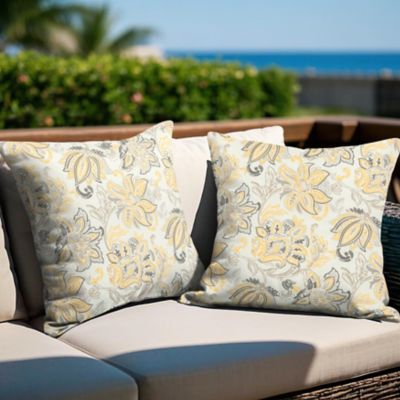
Color and pattern can give outdoor seating a pulled-together look without replacing furniture that still has plenty of life left. Solid shades suit a simple porch setup, stripes bring definition to a row of dining chairs, and lively prints can make a small seating corner feel more welcoming. Midtone colors and mixed patterns tend to make a little dust or an occasional mark less noticeable than a plain light surface, though every fabric needs regular attention. Matching cushions can bring consistency to chairs gathered over the years, but matching appearance does not guarantee matching fit. Each chair style still needs its own measurements, particularly when a dining set includes wider armchairs at the ends. Tie-on seat cushions are handy for households that move between outdoor meals, card games, and quiet sitting, since they can be untied for cleaning or storage. They can also make a thoughtful housewarming gift for someone settling into a place with a porch, as long as the chair dimensions and preferred colors are known. Day-to-day care usually starts with brushing away loose dirt and blotting spills before they settle into the fabric. Follow the care label for cleaning solutions, rinsing, and drying, and check whether a removable cover is actually machine washable; a zipper alone does not establish that. Avoid putting a cushion back on the chair or into storage while the filling is damp. After rain or cleaning, allow air to reach both sides and wait until the cushion is dry throughout, since the surface can dry before the center does. A sheltered storage spot helps reduce prolonged exposure to rain, direct sun, and windblown dirt when seating is not in service. Before a gathering, a quick check of the ties, seams, and chair fit helps keep each seat ready for company. With the right shape, suitable outdoor fabric, and straightforward care, tie-on outdoor chair cushions make everyday seating more comfortable, from the chairs around the supper table to a favorite spot overlooking the yard.