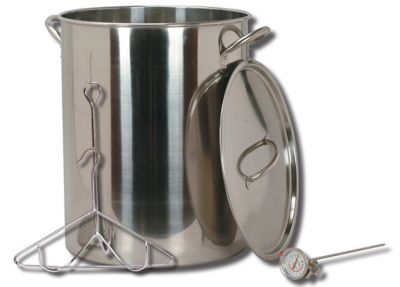
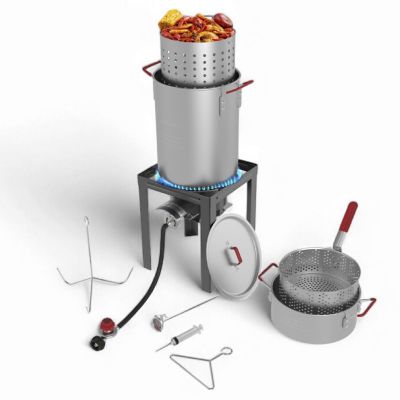
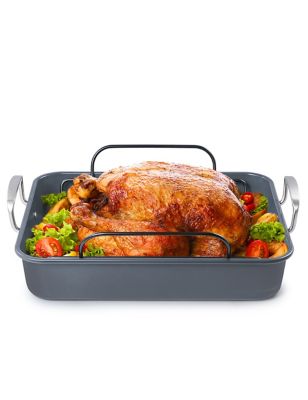
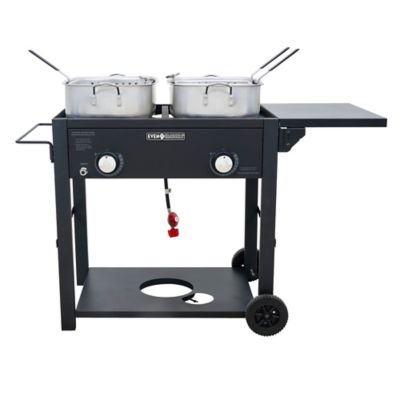
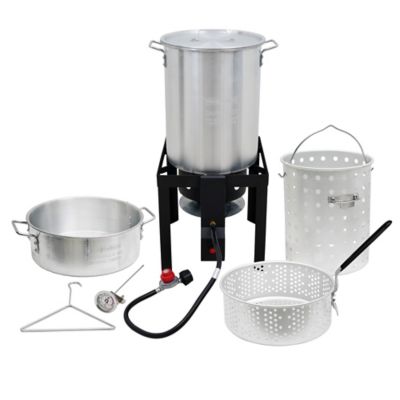
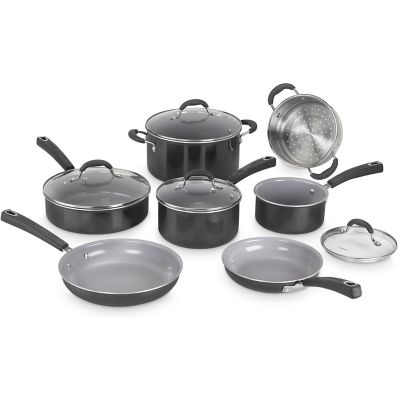
Thanksgiving dinner hosting takes more than planning the main dish. A comfortable family meal comes together with kitchen tools, serving pieces, table supplies, and storage options that help the host keep food moving from the oven to the table. Start by thinking about the number of guests, the size of the cooking space, and whether everyone will sit down together or serve themselves from a buffet. A roasting pan with a raised rack can give a large bird room to cook while collecting drippings for gravy, while a meat thermometer helps check the center of the roast without relying on guesswork. Look for cookware sized to fit your oven and large enough for the portions you plan to prepare, especially when feeding a crowd that includes hearty eaters. Extra baking dishes make it easier to prepare stuffing, sweet potatoes, baked vegetables, rolls, and other family favorites without waiting for one dish to finish before the next can go in. A slow cooker can keep mashed potatoes, corn, or another side warm while the oven handles the main course, which is especially helpful when the kitchen is full of relatives and every burner seems spoken for. Browse
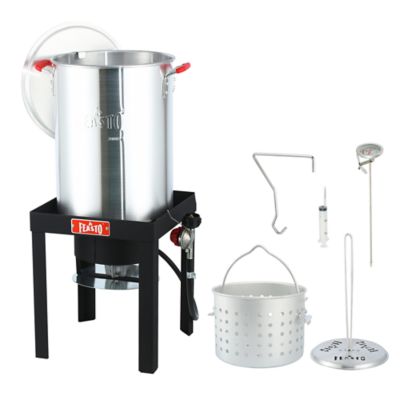
Cookware For Thanksgiving Feasts to compare useful cooking pieces for a full holiday spread. Handles that are easy to grip, oven-safe construction, lids that fit snugly, and surfaces that clean up without a long soak can all make a difference when the meal is over and the sink is full. If your family gathers in a farmhouse kitchen, a roomy pan may be easier to manage than several smaller pieces; in a compact kitchen, stackable cookware and appliances that can serve more than one purpose can help free up counter space. Think through the full cooking sequence before buying, including what can be prepared ahead, what needs to stay warm, and which dishes will need a place on the table.
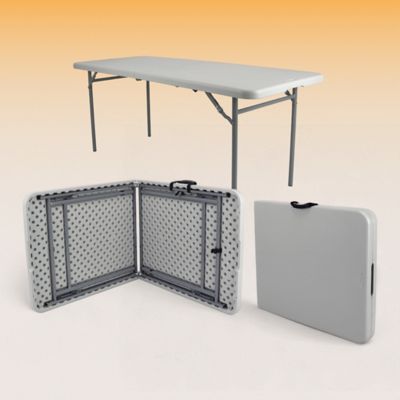
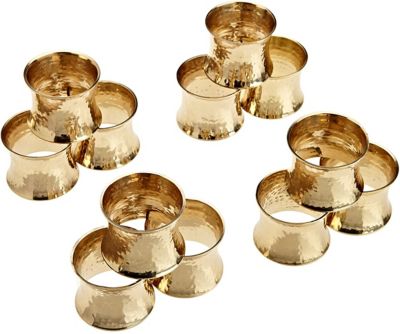
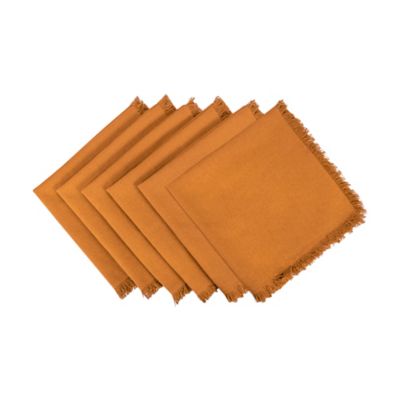
Serving and table supplies matter just as much once the food is ready. Count plates, bowls, glasses, mugs, forks, spoons, and knives before guests arrive, giving yourself enough pieces for children, second helpings, and anyone who drops a utensil along the way. Serving platters and bowls in several sizes help separate hearty portions from sauces, relishes, vegetables, and breads, while serving spoons, forks, ladles, and tongs keep each dish easy to reach. It helps to match every serving utensil to its dish before cooking begins, then set those pieces beside the buffet or table so no one has to hunt through drawers while hot food cools. A gravy separator can make it easier to set aside extra fat from pan drippings, and a gravy boat gives guests a simple way to pass sauce around the table. Trivets, hot pads, and heat-safe mats protect wood, laminate, stone, and other table surfaces from warm cookware. Tablecloths, runners, and cloth napkins can help pull the meal together while also catching small spills from children and enthusiastic second helpings. Choose linens that fit the table size and can be washed without special handling, especially if your gathering includes little ones, pets underfoot, or guests carrying plates between the kitchen and dining room. Extra storage containers are handy for packing leftovers for relatives, sending a plate home with a neighbor, or saving tomorrow’s lunch after the last guest leaves. Containers with secure lids and a range of sizes can hold everything from a spoonful of gravy to several servings of dressing. These practical supplies also make thoughtful gifts for a new homeowner, a college graduate setting up a first kitchen, or a family member who enjoys bringing food to gatherings. A serving set, stack of food containers, or group of table linens can be tucked into a housewarming basket with pantry staples or a handwritten family recipe.
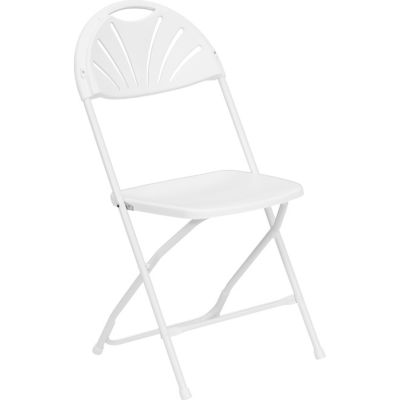
A family-friendly setup also leaves room for the parts of the gathering that happen between cooking and eating. Set a small snack station away from the stove with simple finger foods, napkins, and cups so hungry guests can nibble while the host finishes carving and arranging the meal. Keeping snacks out of the main work area helps reduce traffic near hot pans and gives children a place to settle in. A separate table or cleared corner can serve as a kids’ spot, with paper covering and crayons for drawing, a few quiet games, or space for building and coloring. Choose supplies that are easy to move aside when it is time to eat and avoid placing small items where toddlers can reach them. If relatives are traveling from a distance, keep extra plates, cups, blankets, and food storage containers on hand so the visit feels easy rather than crowded. Hosts with outdoor space may also want a covered spot for coats, boots, coolers, and muddy footwear during the cooler months, keeping the path between the entryway and kitchen clear. Before guests arrive, label dishes if family members have food allergies or follow a special eating plan, and keep serving utensils separate when needed. A short preparation list can help: count the place settings, pull out the cookware, arrange the serving pieces, set up the snack area, and reserve counter space for finished dishes. Families often remember the little comforts as much as the meal itself—the warm roll passed across the table, the bowl of gravy within reach, the extra chair brought in from the porch, and the container of leftovers sent home for the drive. With the right mix of cooking, serving, table, and storage supplies, hosts can spend less time searching for a pan or clearing space and more time enjoying familiar stories, full plates, and a house filled with people they care about.