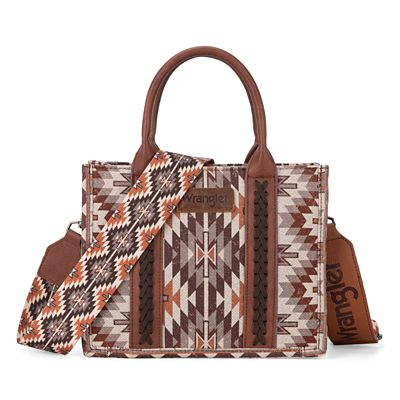
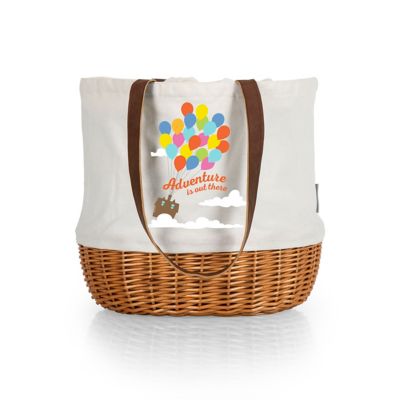
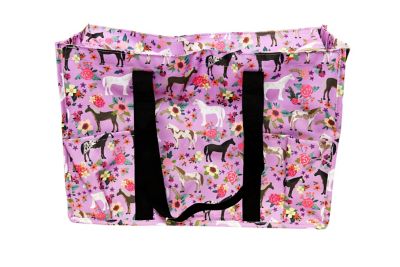
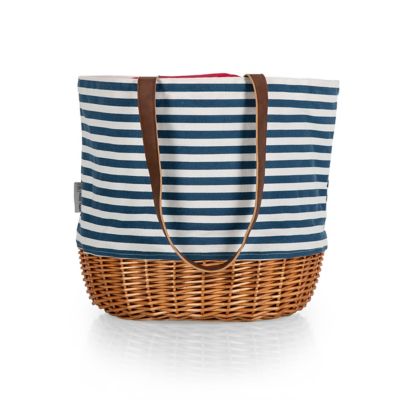
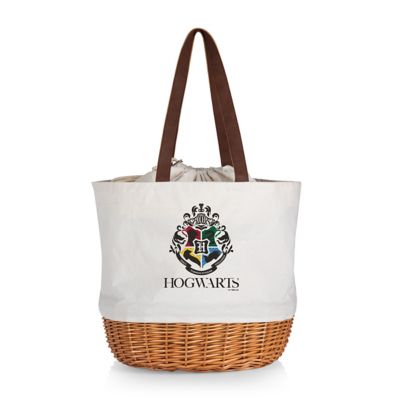
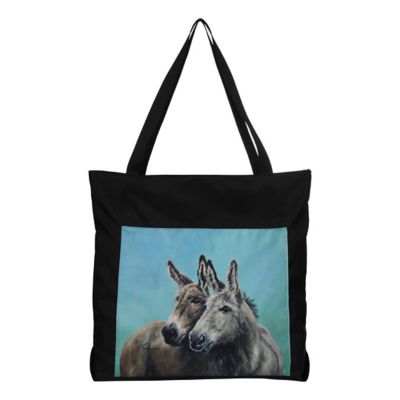
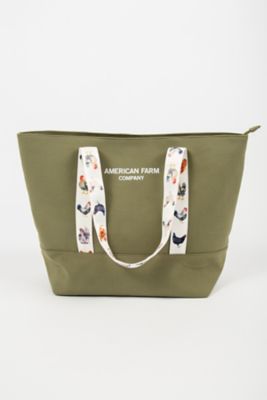
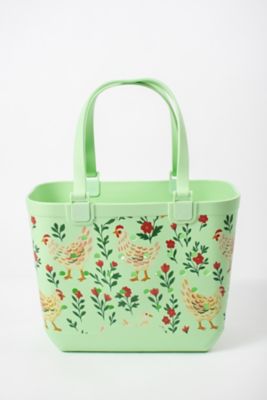
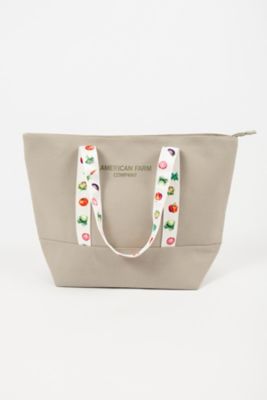
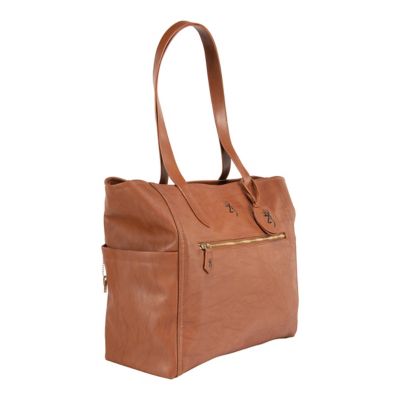
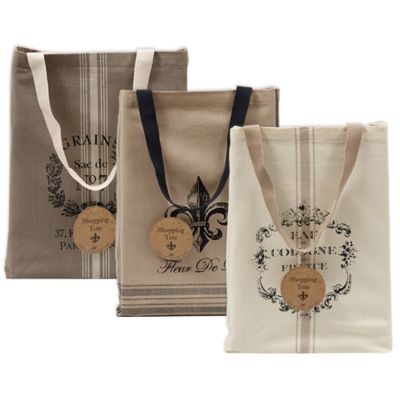
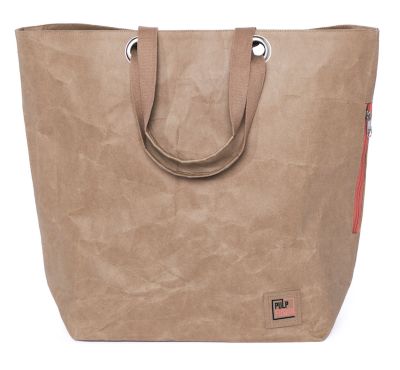
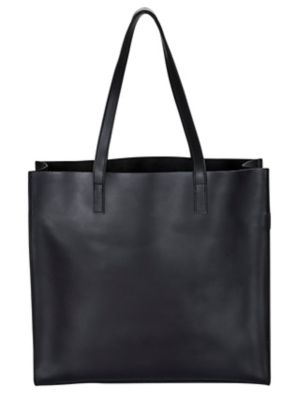
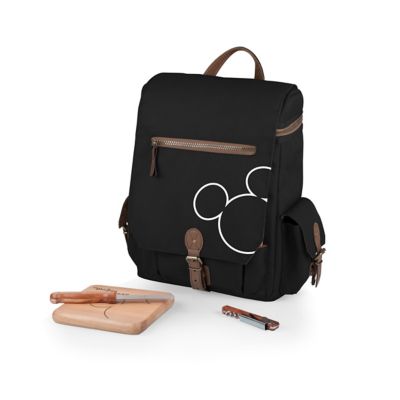
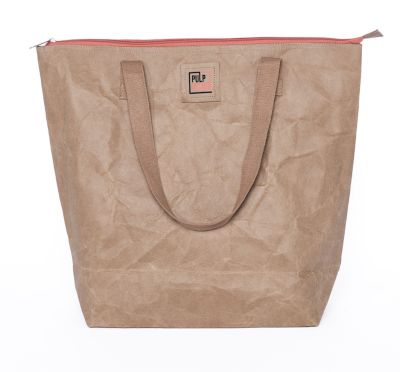
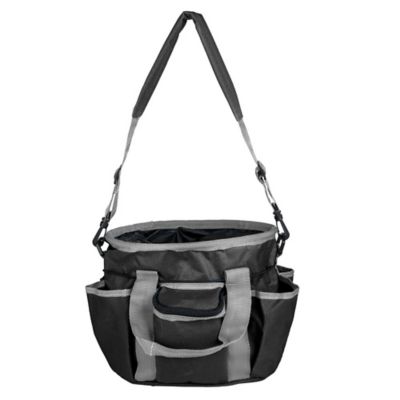
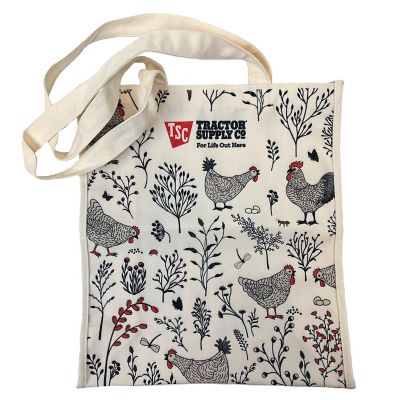
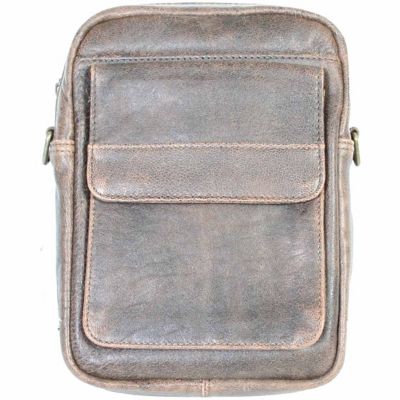
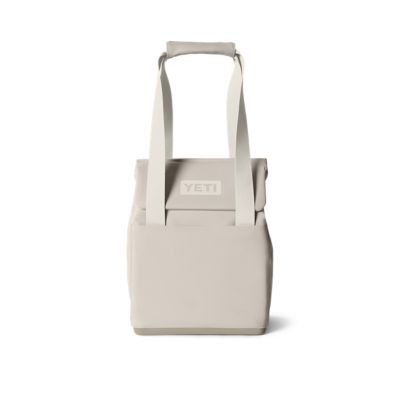
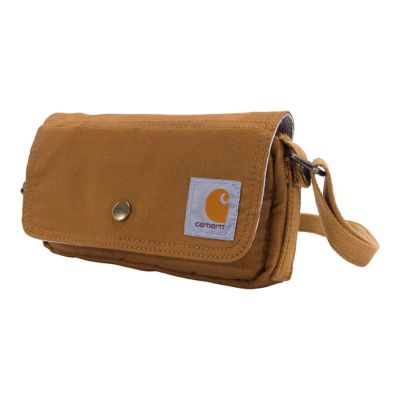
Stylish totes bring together the roomy shape of an everyday carryall and the details that make a bag feel right with your clothes, your plans, and the things you carry. A tote typically has two handles and a broad main compartment, with shapes ranging from soft, foldable bags to structured designs that keep their outline. That simple layout works for a trip into town, a day at the office, or a weekend spent visiting family. The differences come down to material, size, construction, and how much organization you want inside. Canvas has a casual look that pairs easily with denim and boots, while heavier weaves can give a bag more body. Leather offers a more polished appearance, with natural variations in grain and a surface that may develop character over time. It also adds weight, so the feel of an empty leather tote matters before a laptop, wallet, and water bottle go inside. Nylon and polyester generally offer a lighter starting point and can be practical for everyday errands, though resistance to moisture depends on the fabric, finish, and seams. Woven fibers and textured fabrics bring another look, but open weaves may need a lining to keep small belongings contained. Smooth linings make it easier to slide in a notebook or folded scarf; lighter-colored interiors can help you spot keys at the bottom. Color and pattern change the feel of a tote without changing its job. Earth tones, black, and tan fit easily into a simple wardrobe, while a bold print or contrasting handles add personality to jeans and a plain shirt. A neat silhouette can look at home beside a desk or across a restaurant chair, while a relaxed shape suits a less formal routine. Neither needs to be fussy. The most practical balance is a bag that looks put together, feels comfortable to carry, and leaves enough room for what actually goes along each day.
Size matters most when it matches the load rather than simply offering the biggest opening. A tote for a phone, wallet, glasses, and a small notebook does not need the same depth as one carrying paperwork, lunch, and a computer. Check the listed width, height, and depth against those belongings, allowing extra space around rigid objects. A bag that measures wide enough across the top may narrow at the base, and a zipper opening can be smaller than the full exterior width. For a laptop, compare the device’s actual measurements with the interior sleeve dimensions instead of relying on the bag’s overall size. Padding and a secure sleeve help separate electronics from other belongings; an open main compartment alone does not provide that protection. Organization also changes how a tote works in real life. Small pockets keep keys from slipping beneath a lunch container, a zippered section gives a wallet its own place, and a divided interior helps keep folded papers apart from everyday odds and ends. A
Work Tote Bag With Compartments suits a routine that calls for keeping office essentials sorted without carrying several separate bags. An open layout, on the other hand, leaves more flexibility for larger belongings or removable pouches. Closures deserve a look, too. A zipper helps contain the load when a tote tips on a truck seat, while a snap offers quicker access but may leave gaps along the top. Handle drop—the space between the top of the bag and the underside of the handles—affects whether it carries comfortably over a shoulder or mainly in the hand. Wider straps can spread pressure more comfortably, especially with a heavier load. Reinforced handle attachments, even stitching, and a supported base are useful construction details to check. A tote should also sit close enough to the body that it does not bump awkwardly against a hip when walking across a parking lot or through a busy store.
Everyday wear often shows first at the corners, base, handles, and closure, so those areas deserve attention both before choosing a tote and while caring for it. A reinforced bottom helps support the contents, but no bag benefits from being packed beyond its intended load. Carrying dense books or tools in a fashion tote can strain seams and straps even when there is room left inside. Match the bag to its purpose, and keep sharp or leak-prone belongings in separate protective containers. A sealed bottle and a washable pouch for pens or toiletries can prevent a small mishap from becoming a stained lining. Care needs vary by material and construction, making the care label a better reference than the bag’s appearance. Some fabric totes permit machine washing, while others require spot cleaning because of their lining, trim, coating, or internal reinforcement. Empty pockets and shake out crumbs before cleaning, test an appropriate cleaner in an inconspicuous spot, and follow the stated drying directions. Leather generally calls for material-specific care rather than a trip through the washer; suede and finished leather may need different treatments. For storage, empty the bag and support its shape lightly if needed, rather than leaving it hanging by loaded handles. These small habits help preserve both appearance and function. They also matter when choosing a tote as a gift. A commuter may appreciate a secure closure and room for paperwork, a teacher may need space for folders and a planner, and someone who spends the day running errands may prefer a lighter bag with an easy-to-reach phone pocket. For a friend who travels between home, work, and family visits, a flexible shape can be more useful than a heavily divided interior. Personal taste still counts: familiar colors, comfortable straps, and a manageable size often mean more than extra details. A well-matched tote becomes the bag waiting by the door, ready for the regular business of the day without looking out of place along the way.