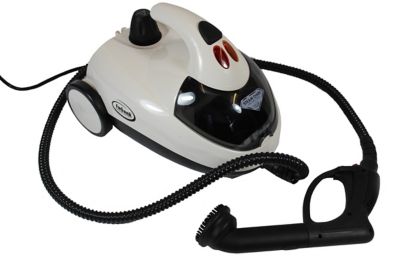
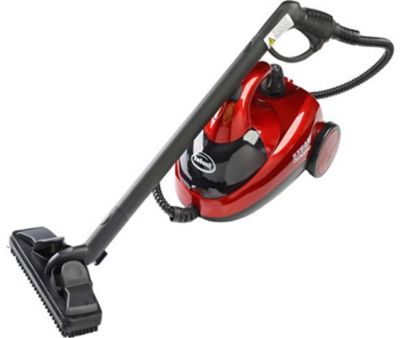
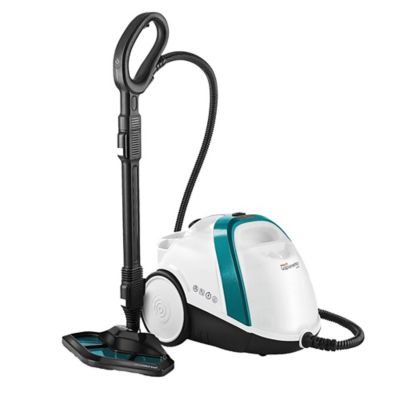
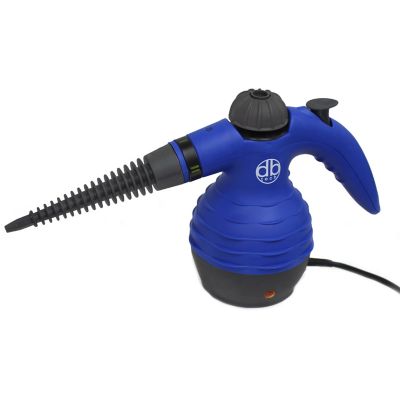
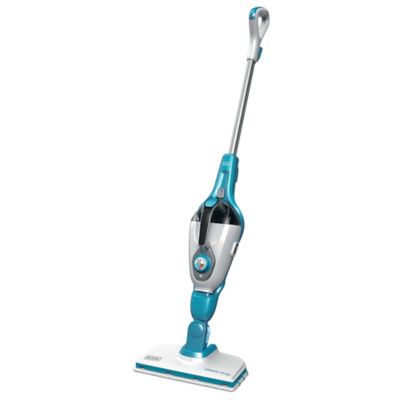
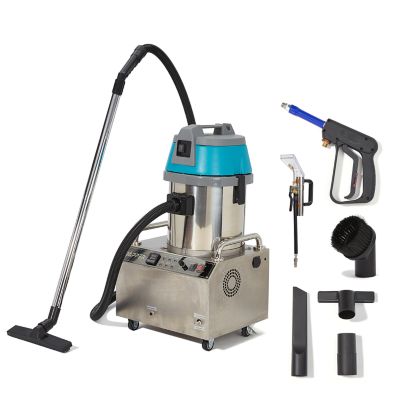
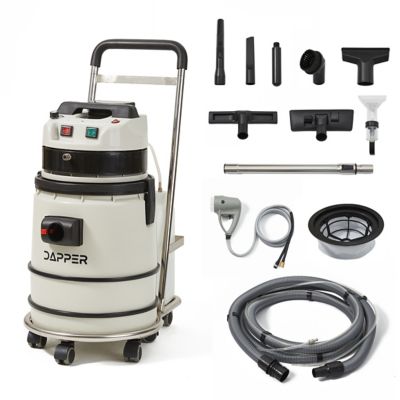
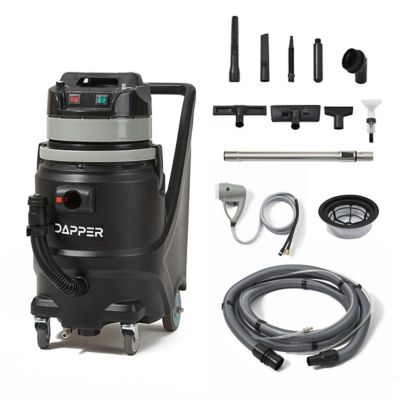
Steam cleaner appliances turn water into hot vapor that helps loosen dirt, grease and stuck-on residue from compatible surfaces. That makes them a practical addition to a busy household where muddy boot prints, kitchen spills and grime around the sink can keep the cleaning list growing. Unlike a vacuum, a steam cleaner generally does not pull loose debris into a collection bin; most systems loosen soil so a cleaning pad or cloth can lift it away. Sweeping or vacuuming first helps keep grit from dragging across the surface. Steam mops focus on floor care, with a broad cleaning head and washable pads for covering open areas. Handheld steam cleaners put the steam outlet close to the job, making them a good fit for approved grout lines, faucet bases and other small spaces. Canister steam cleaners pair a separate water tank with a hose and attachments, giving the operator more reach without carrying the entire appliance in one hand. Larger commercial steam cleaning equipment is built around longer work sessions, with features that may include larger tanks, higher operating pressure and refill systems that limit interruptions. The best fit depends less on the biggest machine and more on the work at hand: a kitchen floor calls for different reach and handling than a narrow track or a row of tile joints. For smaller cleaning jobs,
Handheld Cleaners offer another place to compare compact cleaning tools, though not every handheld cleaner produces steam. Steam equipment also differs from carpet extractors, which typically spray water or cleaning solution into fibers and recover it through suction. Those distinctions matter when the goal is lifting tracked-in soil from a rug rather than loosening residue on a hard surface. Some steam appliances have attachments for approved fabrics or carpet refreshing, but that does not make every steam cleaner suitable for deep carpet cleaning. Matching the appliance to the surface and the task helps keep everyday cleanup straightforward, whether the job is one sticky patch beside the stove or a full stretch of tile through the kitchen.
Surface compatibility deserves a close look before steam touches a floor, countertop or fabric. Tile and grout are common cleaning targets, but the tile finish, grout condition and any sealant still need to permit steam treatment. Natural stone, waxed finishes, painted surfaces and adhesives can react differently to heat and moisture. Wood, laminate and resilient flooring require particular care; a sealed surface alone is not a guarantee that steam is safe. Both the flooring maker and the appliance maker should approve the application. Moisture forced into seams can cause swelling or lifting, and a concentrated burst of steam can affect finishes even when the surrounding surface looks solid. For upholstery or vehicle interiors, material care directions come first, followed by a test in an out-of-sight area if steam treatment is permitted. Keep steam away from electrical outlets, exposed wiring and sensitive controls. Attachment materials matter, too. Soft cloth pads help gather loosened soil from approved finished surfaces, while nylon brushes give extra scrubbing action around grout and other suitable hard surfaces. Metal-bristle brushes can scratch or strip a finish and belong only on surfaces specifically approved for them. A narrow nozzle concentrates the steam for small crevices; a wider head spreads the work across a larger area. Extension wands can reduce bending during floor cleaning, and a flexible hose can make it easier to reach around a toilet base or beneath a cabinet edge. For someone moving between the kitchen, bathroom and laundry area, comfortable handles and manageable hose weight can matter as much as tank size. A compact tool is easier to carry to a single spot, while a rolling canister can take weight off the hand during longer jobs. Reach also includes cord length and the location of suitable outlets, not just hose length. Enough room to move without stretching the cord makes a difference around kitchen islands and crowded utility rooms. Steam can cause burns, so a stable resting position, clear controls and safe handling around children and animals are important parts of everyday use.
Tank capacity, heat-up time and steam control shape how an appliance fits into a cleaning routine. A larger water reservoir may support a longer session, but it also adds weight when full. A smaller tank can suit quick cleanup, especially when carrying the appliance between rooms is part of the job. Some pressurized systems must cool and release pressure before refilling; others have a separate refill reservoir designed to support continued operation. The instructions for the particular appliance determine the safe process. Adjustable steam output can help match delivery to an approved task, while an easy-to-read water indicator reduces guesswork. Pressure ratings, electrical wattage and run-time claims describe different things, so no single number tells the whole story. Brush design, steam delivery and the way the cleaning head contacts the surface all affect results. For repeated work in a larger home, shop office or other approved setting, sturdy housings, secure hose fittings and accessible service parts can help support a longer working life. Stainless steel boilers are one construction feature found in some larger systems, though proper maintenance still matters. Mineral deposits can restrict steam flow over time, making the recommended water type and descaling schedule worth following from the start. Add detergents, fragrances or other liquids only when the appliance instructions expressly permit them. Many steam cleaners are designed for water alone, and added solutions can damage internal parts or create unwanted exposure. Cleaning pads need regular washing according to their care directions, and a fresh pad keeps a heavily soiled section from spreading residue across the next stretch of floor. After cleaning, let the appliance cool, follow its draining instructions and allow attachments to dry before storage. A tidy place for nozzles, brushes and pads makes the next job easier to get started. Steam may reduce certain germs when an appliance has tested sanitizing claims and the required contact time is met, but a quick pass should not be treated as disinfection. For everyday chores, its main appeal is more straightforward: loosening stubborn messes on suitable surfaces with focused heat, moisture and the right attachment.