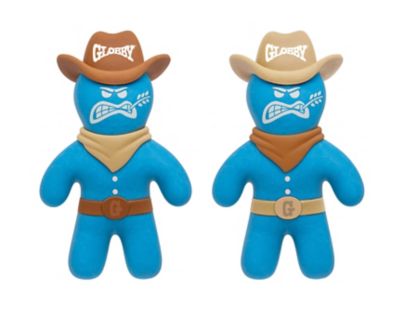
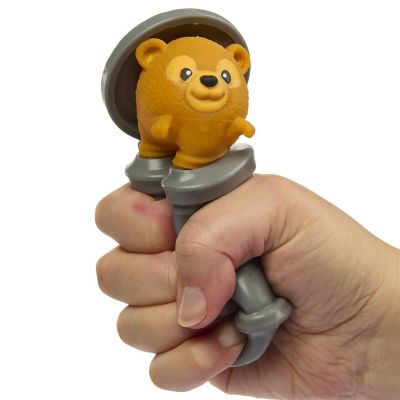
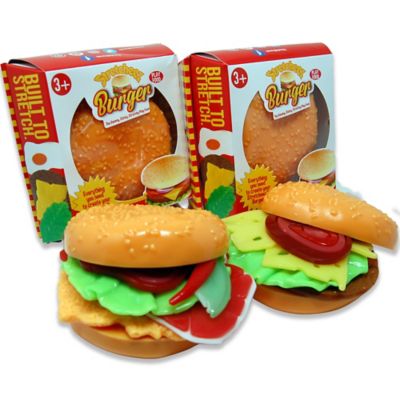
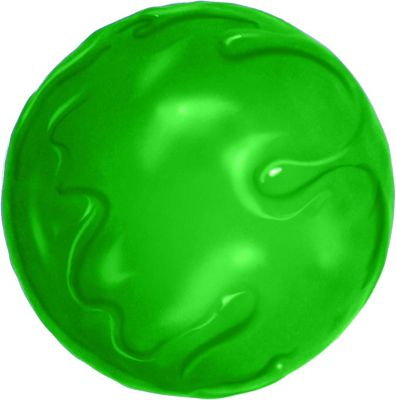
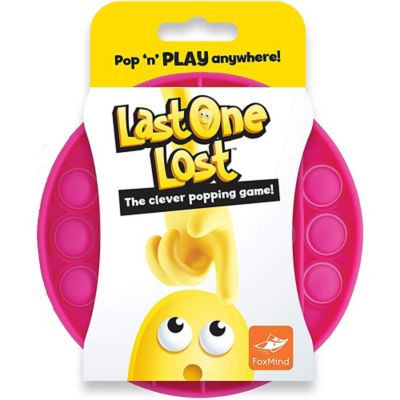
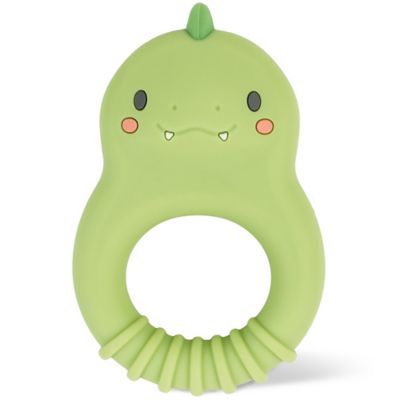
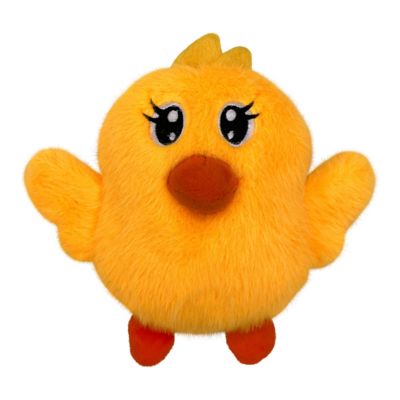
Squishy squeeze toys are soft, tactile playthings that compress under a hand and return toward their original shape when released. Depending on their construction, that return might be a quick bounce or a slow rise that takes a few moments to watch. Their appeal is simple: a satisfying feel, a little resistance, and something to keep fingers busy without a screen. Foam squishies, silicone designs, and toys with flexible shells and gel fillings can feel quite different, even when they look similar. Slow-rise foam generally gives a soft, airy squeeze, while a gel-filled design may shift and bulge as pressure moves through it. Silicone can have a smooth, springy feel, though its firmness and surface texture vary. The material name alone does not tell the whole story; thickness, filling, shape, and construction also affect how a toy handles. Some designs are meant mainly for pressing in the palm, while others allow gentle kneading or stretching when their instructions permit it. A squeeze toy should not automatically be treated as a stretch toy, since pulling can damage foam surfaces or put strain on a filled shell. Rounded forms offer a straightforward grip, while animal and pretend-food shapes bring a playful look to a desk, backpack, or toy bin. Raised details, ridges, and smooth areas add different sensations beneath the fingertips. Color and shape may catch the eye first, but the feel in the hand is often what makes a squishy worth reaching for again. A soft squeeze after chores, a few gentle presses while reading, or a quiet moment at the kitchen table can all suit this kind of simple play. These toys offer everyday entertainment and a hands-on fidgeting option, rather than a guaranteed way to improve concentration or treat anxiety. For many children, teens, and adults, the enjoyment comes from that small, repeatable motion and the way the material springs or slowly settles back.
Hand size, grip strength, and personal preference matter when choosing squishy squeeze toys. A toy that sits comfortably in an adult’s palm may be awkward for a child to compress, while a very small shape can be difficult to manage with larger hands. Dimensions help put size into perspective, especially when a close-up photo makes a little toy look much bigger. Softer resistance generally takes less effort to press, while a firmer feel provides more pushback; neither is automatically the better choice. The right fit allows a comfortable squeeze without forcing fingers around an oversized shape or pressing so hard that the hand tires. Surface feel matters, too. Some people enjoy a tacky, grippy finish, while others prefer a smoother touch that does not cling to their fingers. A lightly textured surface provides a different experience from a plain round form, and pronounced details may be more noticeable during repeated squeezing. Scented designs introduce another consideration for anyone sensitive to fragrances or sharing a small room. Checking the material and scent information is more helpful than assuming every squishy feels or smells alike. Many squeeze toys make little noise during ordinary play, which can suit a reading corner, a homework break, or a passenger’s seat on a long ride. Quiet does not mean distraction-free, though, and classroom or workplace rules still apply. At home, a squishy can be an easy choice for a child who likes tactile play or an adult who enjoys keeping something in hand during a phone call. Birthday gifts, party favors, and small just-because presents can work well when the recipient’s age and preferences are taken into account. Someone who likes a slow, gentle squeeze may not enjoy a firm, fast-rebounding toy, no matter how appealing its shape looks. A good match comes down to how the toy feels, how it fits the hand, and where it will spend most of its time.
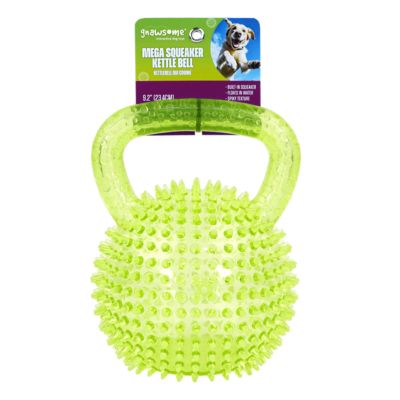
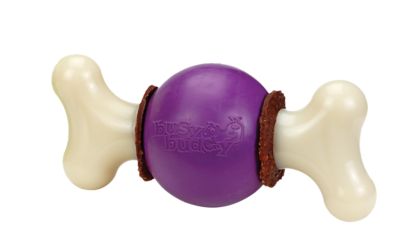
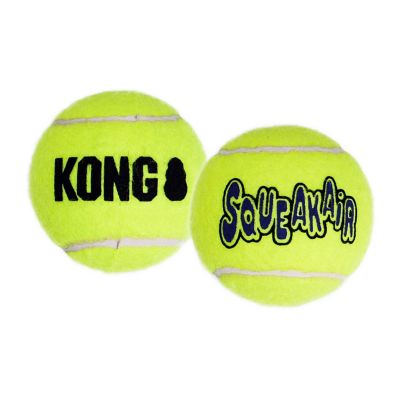
Everyday care helps squishy squeeze toys stay pleasant to handle and makes damage easier to spot. Cleaning directions vary by material, so a washable silicone surface should not be treated the same as painted foam or a gel-filled shell. Some designs allow a gentle wash, while others call for a light surface wipe; soaking, scrubbing, or harsh cleaners can harm certain finishes. Follow the toy’s care directions and let any permitted cleaning moisture dry before putting it away. A clean storage spot keeps sticky surfaces from collecting crumbs, grit, and pet hair, while keeping soft toys away from sharp pencil tips, scissors, and rough tools helps prevent punctures. Repeated squeezing puts pressure on seams and thin areas, making gentle handling especially important for filled designs. Pulling off small details, biting the surface, or stretching beyond the stated limits can shorten a toy’s useful life. Check for splits, peeling pieces, weak spots, or leaking filling, and take a damaged toy out of play rather than patching it for continued squeezing. Food-shaped squishies are toys, not snacks, and small parts or exposed fillings can create hazards for children and pets. Age labels and supervision requirements deserve attention even when a toy looks soft and harmless. Never microwave or otherwise heat a squishy toy: heat can damage its outer layer, and gel-filled designs can burst and release hot filling that causes burns. Squishy toys made for people are not chew toys, either. Keep them away from pets, and choose pet-specific playthings such as
Large Squeaker Dog Toys for canine play, with size and chewing habits in mind. With the right handling, a squeeze toy can remain a simple, enjoyable part of an everyday routine, whether it lives beside a stack of homework, in a desk drawer, or in a play basket at home. The best fit balances a pleasing texture and comfortable resistance with sensible care and the intended age and activity.