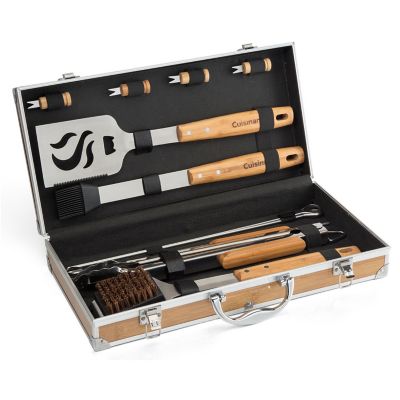
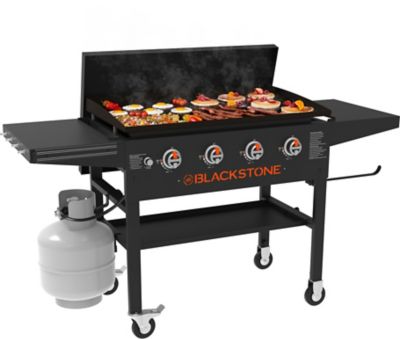
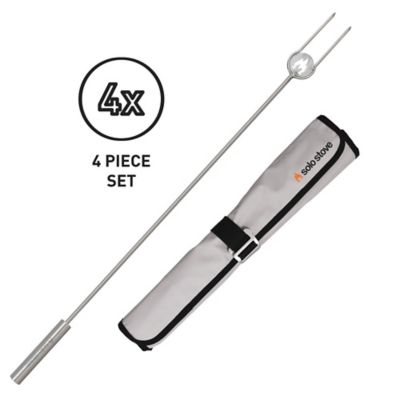
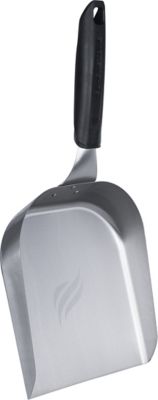
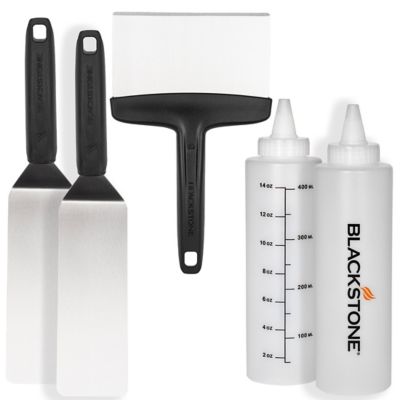
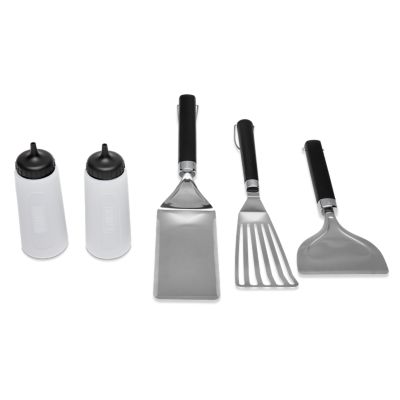
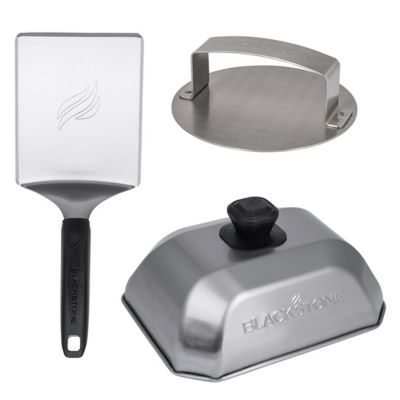
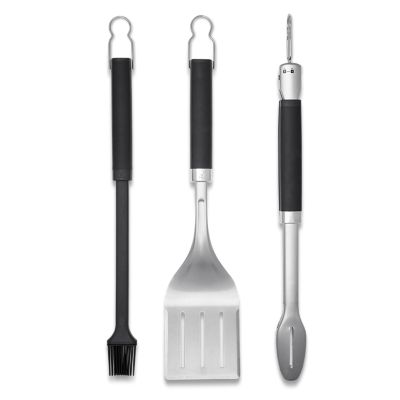
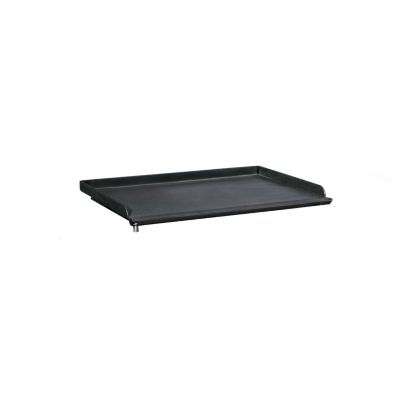
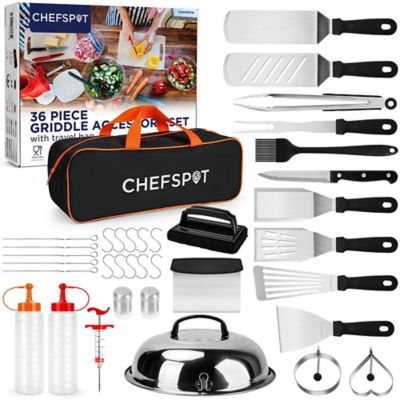
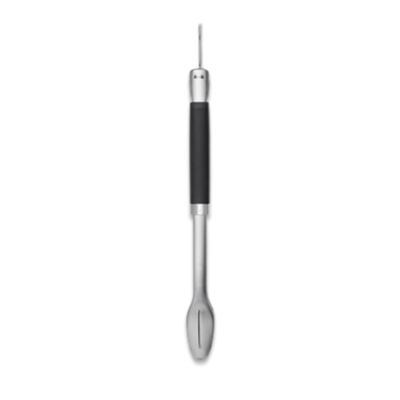
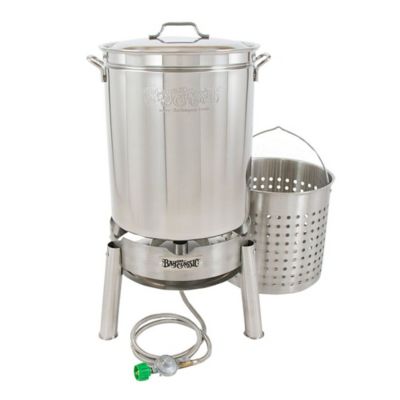
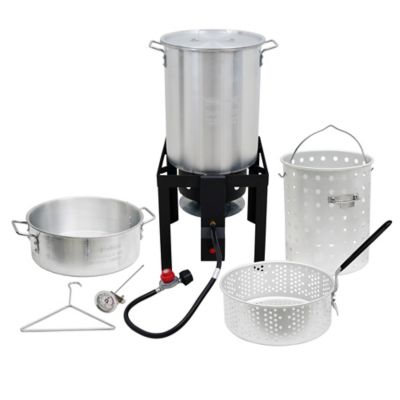
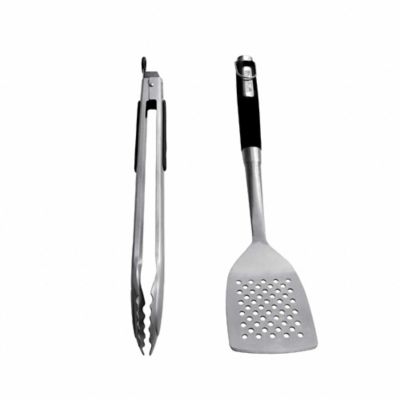
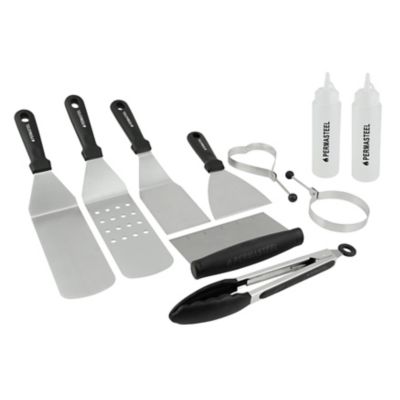
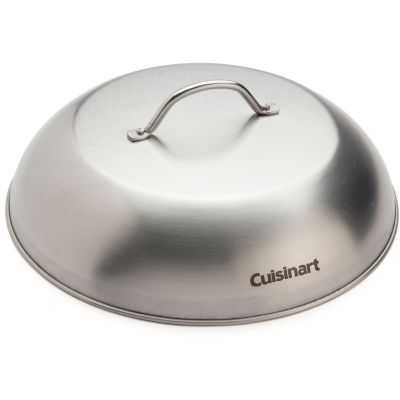
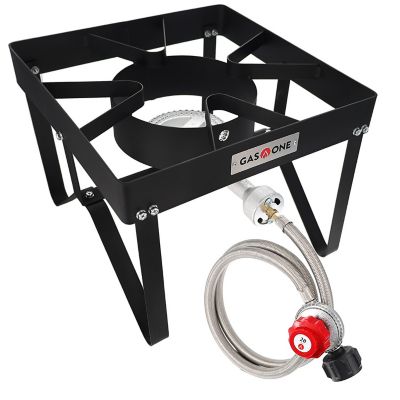
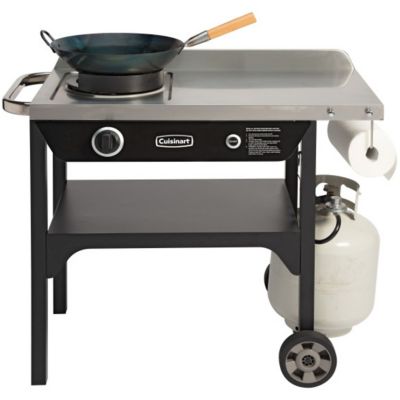
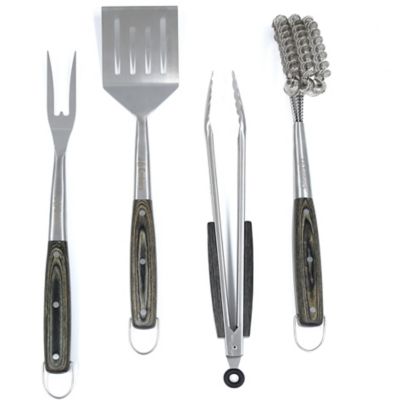
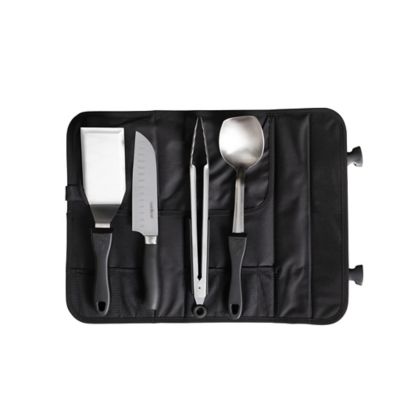
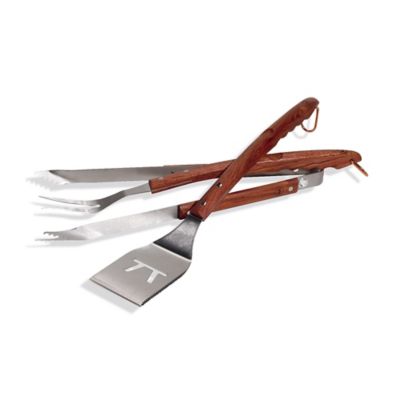
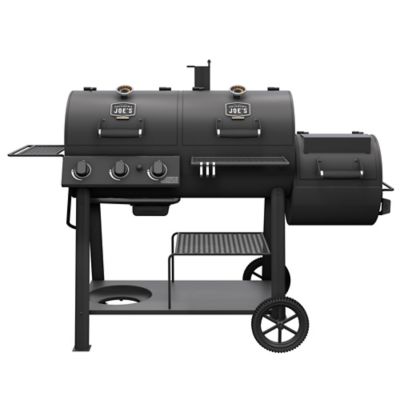
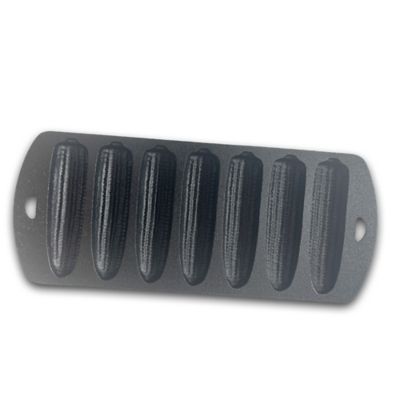
Spring outdoor cooking tools bring the prep table, grill and serving area together, whether supper is headed to a picnic table behind the house or a campsite after a day on the trail. The most useful mix depends on what’s cooking, how much room there is to work and how far the gear needs to travel. Long-handled tongs offer reach for turning chicken and moving corn across the grate, while broad spatulas support burgers, fish and other foods that need a little more help underneath. A firm grip matters when lifting a heavy piece of meat, but control matters just as much when turning tender asparagus without crushing it. Scalloped tong ends can help hold slippery foods, and a thin spatula edge can slide beneath food with less tearing. For kebabs, flat skewers help keep meat and vegetables from spinning when they’re turned. Grill baskets keep smaller vegetables contained, while cooking planks made from food-safe wood provide a surface for delicate fish and lend smoke flavor suited to the wood species. Each style has its place, from a quick meal after chores to a leisurely Saturday cookout with neighbors. Outdoor food prep also takes more than something to flip with. Cutting boards, knives with protective covers, mixing utensils and food thermometers help make an outdoor cooking space practical from the first chopped onion to the last serving. A thermometer checks internal food temperature rather than leaving doneness to color or grill marks alone. Separate utensils and platters for raw and cooked foods help keep the work area organized and reduce cross-contact. With spring cooking, the menu might run from breakfast on a flat-top surface to grilled vegetables beside a main dish at supper. Tools that suit those different jobs make it easier to move between meals without hauling the whole kitchen outside. A small, thoughtfully chosen assortment often earns more space beside the grill than a crowded collection of pieces that rarely leave their case.
Materials and fit make a noticeable difference when cooking over an open grate or working beside a hot griddle. Stainless steel is common in outdoor cooking utensils because it resists corrosion and handles frequent washing, though construction and care still affect how well a tool holds up. A sturdy shaft helps with heavier foods, while some flexibility at a spatula’s edge can be useful for lifting and turning. Wood handles offer a comfortable feel but need protection from prolonged soaking and harsh dishwasher cycles. Heat-resistant synthetic handles can provide a secure grip, although their temperature limits vary, and no handle belongs against a flame or resting on a hot cooking surface. Metal handles may conduct heat, so reach alone does not replace proper hand protection. Handle length should match the cooking setup: a larger grill often calls for more reach, while an overly long utensil can feel awkward at a compact camp stove. Weight, balance and grip thickness matter, too, especially for someone preparing several rounds of food for a family gathering. Tongs that open comfortably in one hand and close without excessive force are easier to manage through a full cooking session. Hanging loops, locking mechanisms and storage cases can help keep the cook station tidy, provided they fit the hooks and space at hand. Compatibility matters at the cooking surface as well. Metal edges may scratch some coated surfaces, so utensils need to match the appliance maker’s recommendations. At a campsite, compact prep tools and protective knife covers help keep sharp edges contained during travel. A folding cutting board or nesting utensils can save room, but the working surface still needs enough support for the task. On the patio, there may be more room for a full-length turner, a separate serving tray and tools kept within reach. Spring breezes and a passing shower also make a sheltered storage spot handy; covers and cases protect clean equipment between meals without replacing the need to dry it before packing.
Care is part of keeping outdoor cooking tools ready for the next meal, especially when sauces, cooking grease and smoke leave residue around hinges and handle joints. Smooth surfaces and accessible seams tend to be easier to wash thoroughly than deep crevices that collect food. Dishwasher suitability varies by material and construction, so the maker’s cleaning directions are worth keeping with the gear. Thorough drying helps limit corrosion on metal parts and moisture damage to wood handles. Knives travel best with their edges covered, and utensils belong somewhere clean rather than loose among fire-starting supplies or work tools in the truck bed. Cleaning equipment also needs to suit the grill or griddle surface; an aggressive scraper that works on one surface may damage another. Brushes require inspection for wear and loose bristles, and cooking surfaces need a check for any debris left after cleaning. For a coordinated setup, a
Spring Outdoor Grilling Set offers another way to think about the tools that belong together around the cook station. The right assortment reflects the meals and setting, not simply the number of pieces. Someone feeding a few people at home may value comfortable everyday utensils, while a camping household may put more emphasis on pack size, covered blades and easy cleanup with limited water. For the person who likes tending the grill while everyone gathers around the picnic table, outdoor cooking tools can also make a practical gift. Handle comfort, cooking-surface compatibility and storage space are useful details to consider before choosing. A new cook may appreciate a straightforward setup that covers turning, lifting, checking temperature and serving, while an experienced backyard cook may have a particular task in mind. Whether the plan is a spring fishing trip, a family cookout or supper outdoors after fence work, well-matched tools help keep attention on the food and the folks waiting to eat.