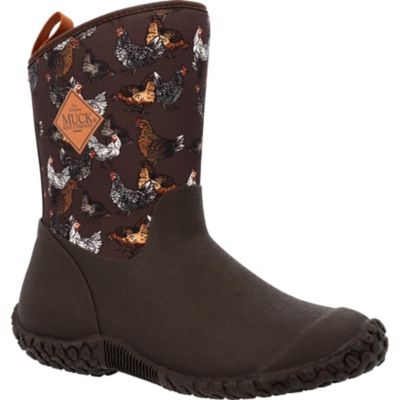
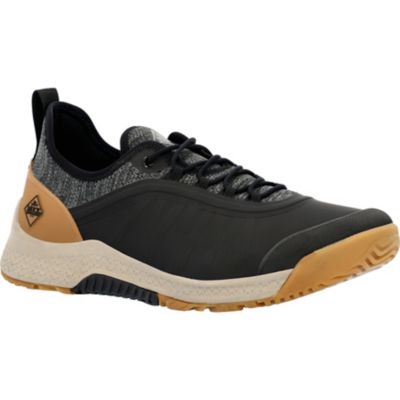
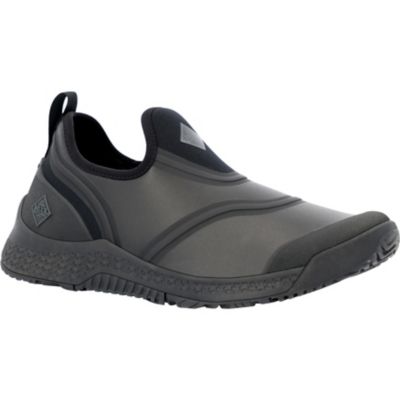
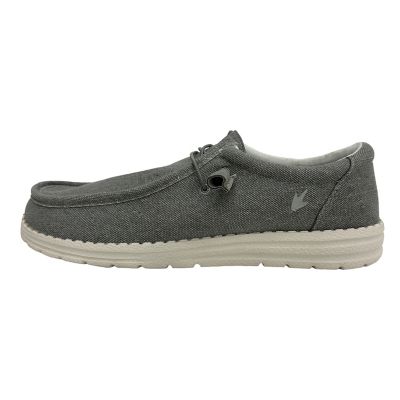
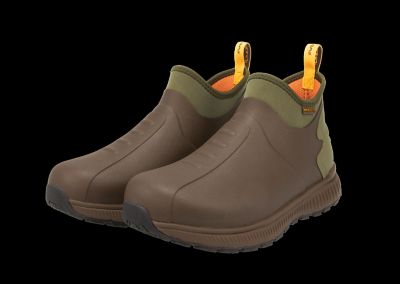
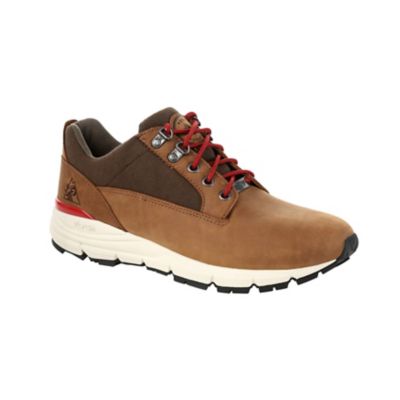
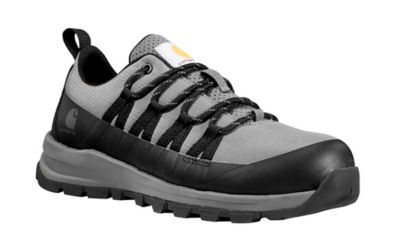
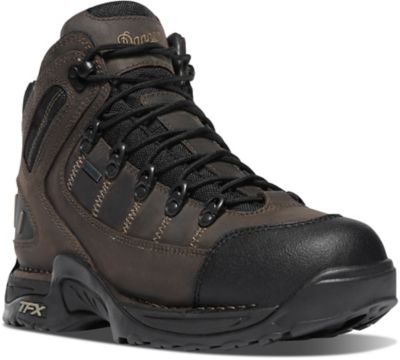
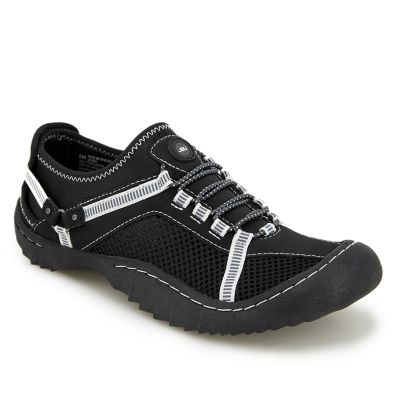
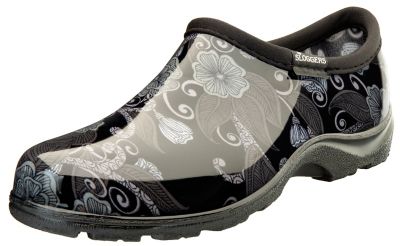
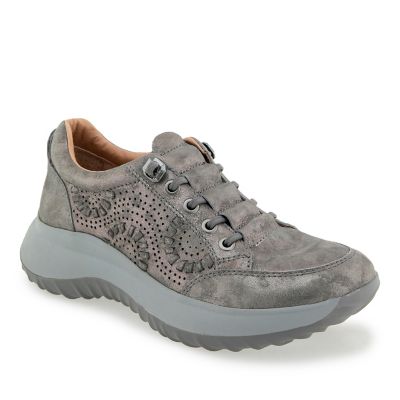
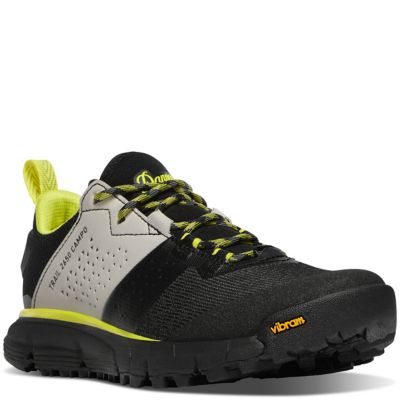
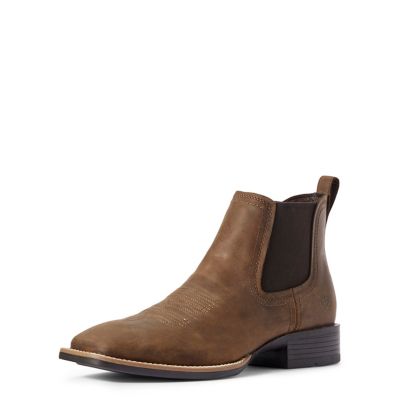
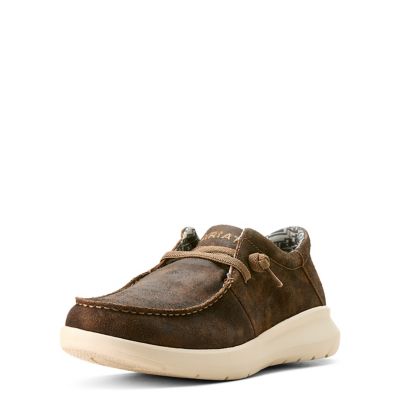
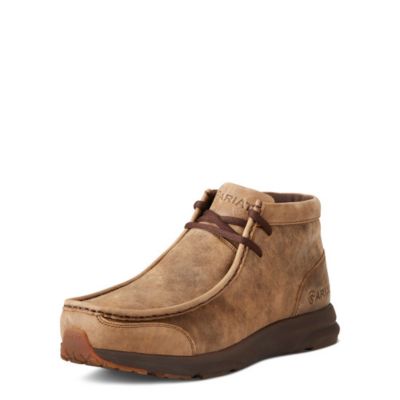
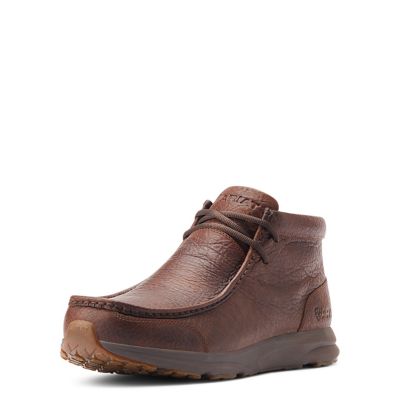
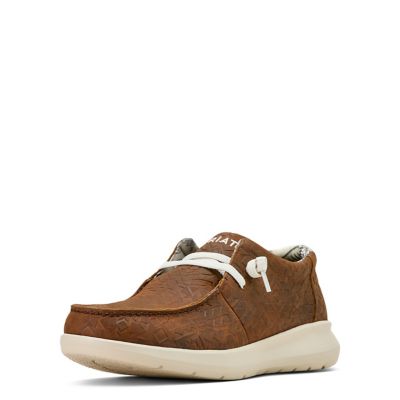
Shoes make thoughtful gifts for outdoor enthusiasts when the style matches how they spend their time outside. Hiking shoes, trail-running shoes, outdoor sandals and easy-on camp footwear serve different purposes, from covering miles on a wooded path to giving tired feet a break back at the campsite. For someone who takes the long way around the pond or heads out on trails with the family, hiking footwear brings together traction, underfoot support and protection from roots and loose stones. Low-cut styles allow more freedom around the ankle, while higher-cut footwear provides more coverage and a different feel through the heel and ankle. Trail-running shoes tend to emphasize lighter construction and flexibility, making them suited to people who move quickly over uneven ground. Camp shoes and slip-ons have another job: comfort during quieter stretches of an outing, whether that means preparing supper at a picnic table or walking from the tent to the truck. Outdoor sandals offer an open feel, with secure straps helping hold the foot in place; closed-toe designs add coverage where toes might bump against rocks or branches. The outsole matters just as much as the shape of the upper. Deeper, spaced-out lugs can find purchase on loose dirt, while shallower tread may feel smoother on packed paths and paved stretches. Rubber compounds also vary, so an aggressive-looking tread alone does not tell the whole story about grip. For a gift recipient who splits time between gravel lanes, trailheads and town, a less specialized shoe may fit daily life better than footwear built around one demanding activity. Someone who carries a pack over rocky ground may appreciate a firmer platform, while a casual walker might prefer a softer, more flexible feel. The best shoe gifts for outdoor enthusiasts reflect those everyday habits rather than simply looking ready for an adventure. A pair that suits the miles someone actually walks has a better chance of becoming the footwear they reach for beside the back door.
Materials and construction help explain how outdoor footwear feels, wears and handles the little challenges along the way. Leather uppers offer structure and resistance to abrasion, especially where the shoe brushes against brush, stones or rough edges. Full-grain leather often feels more substantial at first and may need some break-in time, while suede has a softer surface that calls for its own cleaning approach. Mesh panels allow airflow, and synthetic uppers can reduce weight and take less time to dry after cleaning or contact with water. Reinforced areas around the toe and heel help shield spots that tend to take a beating. Water-resistant treatments and waterproof membranes can be helpful around splashes and shallow puddles, but their protection depends on the footwear’s construction and condition. Water can still enter over the opening, and waterproof construction does not mean a shoe is intended for prolonged submersion. Inside the shoe, cushioning and support are separate considerations. A soft footbed may feel inviting during a short walk, while the midsole and overall structure influence how the shoe feels over longer distances. Firmer footwear can help limit how much sharp ground is felt underfoot, though extra stiffness is not the right match for every wearer. Fit deserves particular attention with a gift because outdoor shoes need to work with the recipient’s feet, socks and walking style. Foot length is only part of the picture; width, instep height and heel shape matter, too. A roomy toe box lets toes spread naturally without making the entire shoe loose. The heel should feel secure without rubbing, and toes need enough clearance that they do not press into the front when walking downhill. Trying footwear with the socks the recipient normally wears gives a better sense of the fit. For someone who wears orthotics, removable footbeds and sufficient interior room may be important. Familiar sizing is a useful starting point, but fit can vary between footwear styles. Break-in may soften certain materials; it should not be expected to fix pinching, cramped toes or persistent heel slip.
Care and intended use have a lot to do with how long a footwear gift stays in the daily rotation. Dirt left in seams and flex points can contribute to wear, so brushing away loose soil and cleaning according to the maker’s directions helps protect the materials. Leather, suede and mesh do not all respond to the same cleaners or treatments. Leather may benefit from a suitable conditioner, while suede generally needs a brush and products meant for its surface. Mesh and synthetic materials often call for gentle cleaning rather than a hard scrub. Shoes should dry with good airflow, away from direct heat that can affect leather, adhesives and other components. Removable footbeds can be taken out for drying when the care instructions allow, and footwear should be dry before it goes into storage. Fasteners deserve attention as well: grit in hook-and-loop closures can reduce their hold, and frayed laces are worth replacing before they snap out on a trail. Checking tread wear, loosening seams and changes in cushioning helps reveal when footwear is no longer performing as it should. A hiking shoe is not automatically suitable for every chore around a property, and general outdoor footwear should not stand in for task-specific protection where safety requirements apply. These distinctions make the recipient’s routine especially useful when choosing a gift. A person who spends weekends exploring local trails may value traction and toe room, while someone who mostly enjoys campground walks may put easy entry and a relaxed fit first. Birthdays, retirement celebrations and a planned camping trip can all be fitting occasions for practical footwear. For a broader look at presents built around time outside, explore
Holiday Gifts for Outdoor Enthusiasts. The lasting appeal of a footwear gift comes from getting the basics right: a comfortable fit, materials suited to the activity and a design that feels at home on the recipient’s favorite stretch of ground.