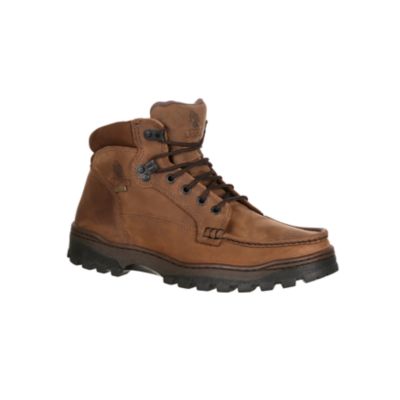
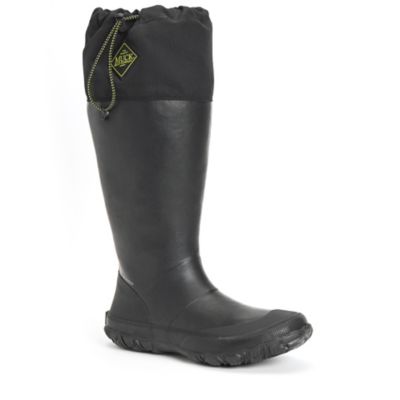
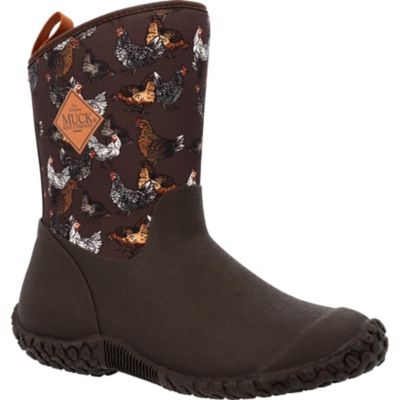
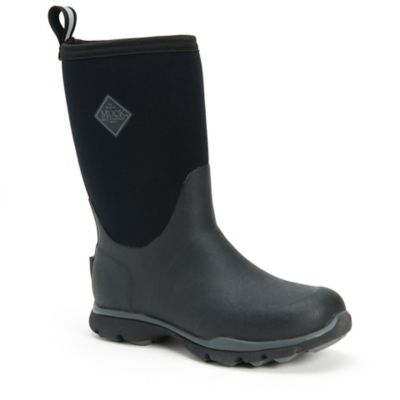
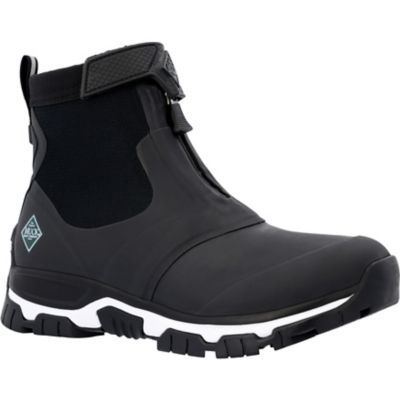
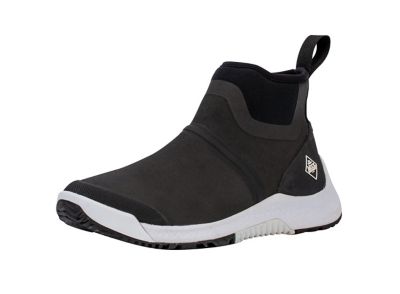
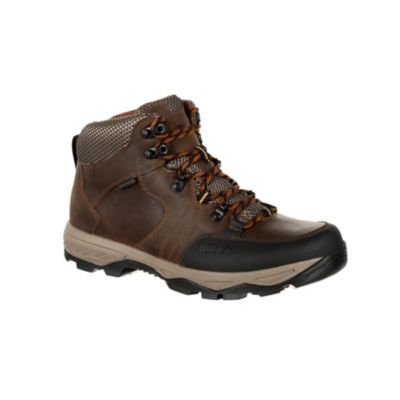
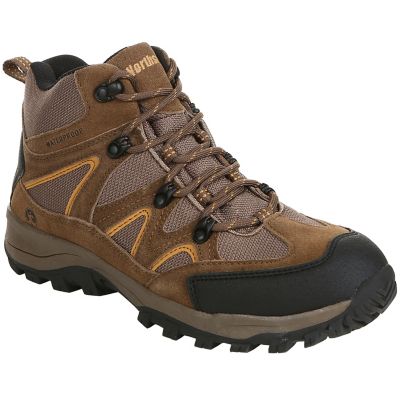
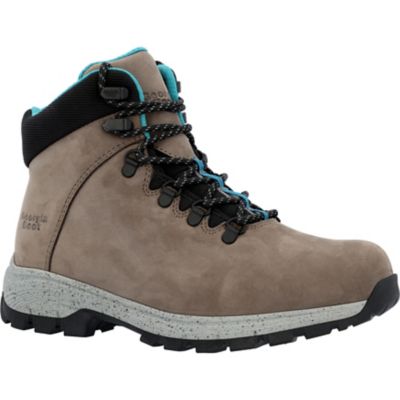
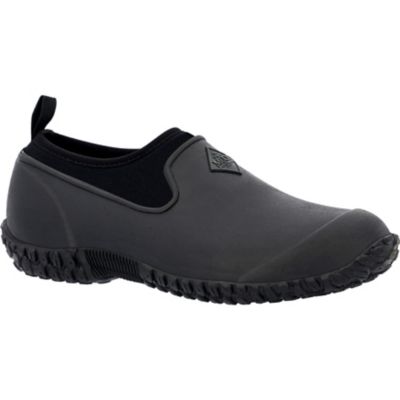
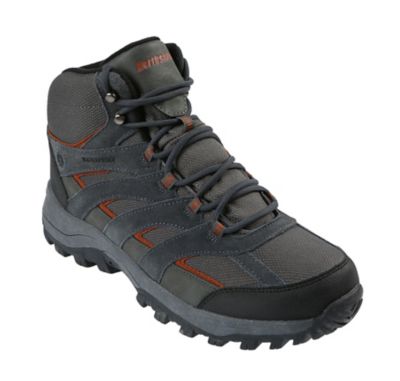
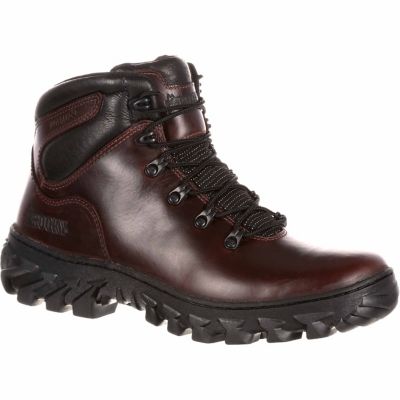
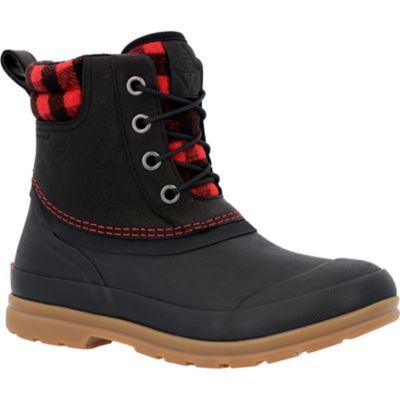
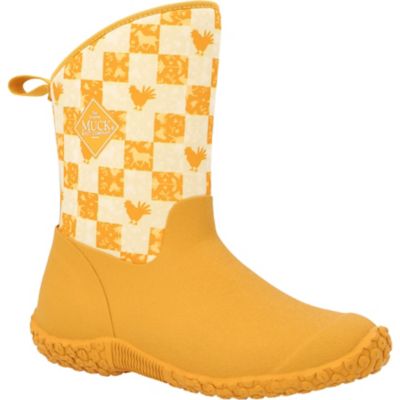
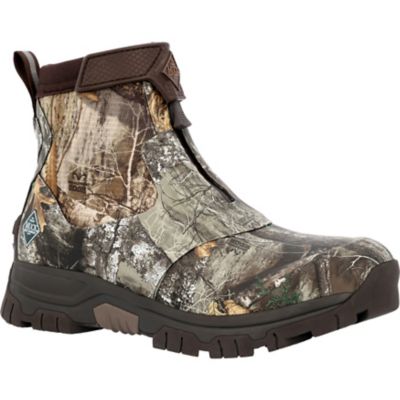
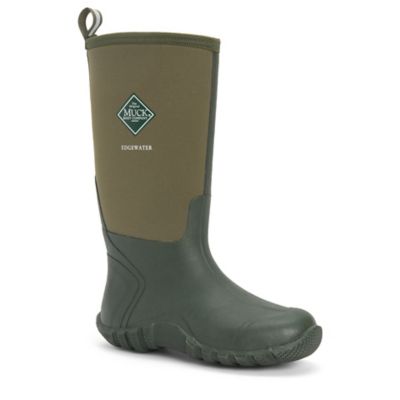
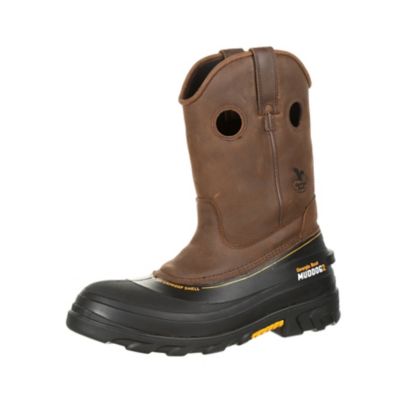
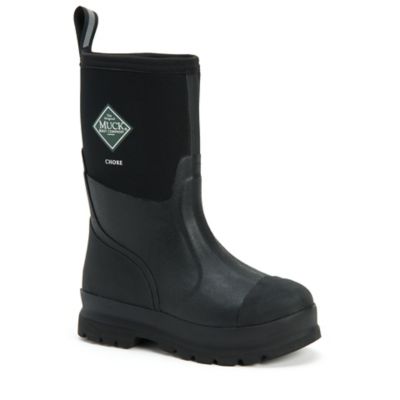
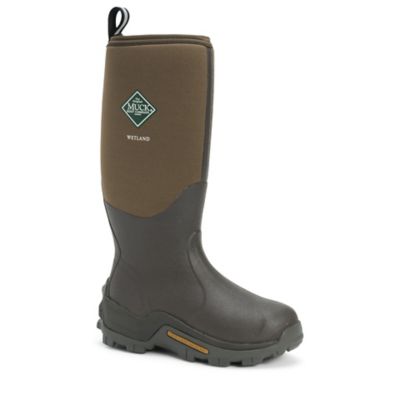
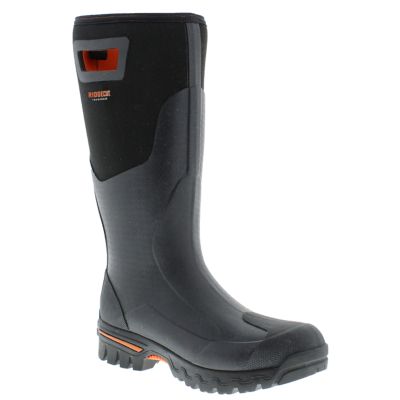
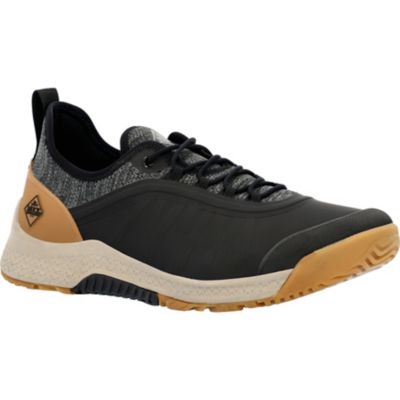
Boots make a practical gift for outdoor enthusiasts because the right pair fits into the things they already love doing, from walking wooded trails to checking fence lines or spending a long day around the barn. A good match comes down to where those boots will go, how much walking is involved, and what kind of support feels comfortable to the person wearing them. Hiking boots generally favor secure lacing, flexible movement through the forefoot, and traction for uneven ground. Work-oriented boots may put more emphasis on abrasion resistance, underfoot protection, and construction suited to repeated chores. Pull-on styles offer the convenience of stepping in and heading out, while lace-up styles allow more adjustment across the instep and around the ankle. Materials shape that experience, too. Full-grain leather can stand up to scuffs and gradually soften at natural flex points, though it usually needs more attention than a textile upper. Leather-and-textile combinations can reduce weight and offer flexibility without putting the same material across every part of the boot. Rubber footwear has a place around muddy gates, wash areas, and shallow puddles, provided the shaft height and construction suit the task. Waterproof membranes and sealed seams can help keep outside moisture from reaching the foot, but water can still enter over the collar, and the upper material may need separate care. Breathable linings help manage moisture inside the boot, although no lining can replace a comfortable fit and suitable socks. For a gift recipient who moves between a gravel lane, a feed room, and a footpath, a versatile everyday boot may make more sense than one built around a single activity. Someone who spends hours on rocky trails may appreciate a different balance of weight, flexibility, and sole stiffness. Those differences give boot gifts their everyday value: they connect to the places a person goes and the work or recreation that keeps them outside.
Fit matters as much as the material, especially when boots are a gift for someone who spends a good part of the day on their feet. A familiar shoe size offers a starting point, not a promise that every boot will feel the same. The shape of the toe box, the height of the instep, and the width through the forefoot all affect comfort. Feet need enough room for toes to spread without sliding forward into the front of the boot on a downhill stretch. The heel should feel supported rather than loose, and the upper should hold the foot without pinching across the top. Trying boots with the socks normally worn for the activity gives a better sense of the fit than thin dress socks would. Any footbeds or prescribed orthotics also need room, since adding them can change how high the heel sits and how snugly the upper closes. Cushioning can soften the feel of repeated steps, while a supportive midsole helps keep the foot from feeling every stone along the way. More cushioning is not automatically a better choice; some wearers prefer a firmer platform when carrying a load or standing on uneven surfaces. Outsole design deserves attention for the same reason. Deeper, spaced lugs can help shed loose soil, while tread shape and rubber compound influence grip on different surfaces. No outsole provides secure footing everywhere, particularly on smooth floors, loose rock, or slick roots. A taller shaft can add coverage around the ankle and lower leg, but height alone does not guarantee ankle support. Boot weight also becomes noticeable over a long walk, so heavier construction is best matched to a real need rather than appearance alone. For recipients who wear boots around tools, equipment, or falling-object hazards, protective features need to match the job and any applicable workplace requirements. A sturdy-looking toe is not proof of impact protection, and electrical hazard or puncture-resistance claims should come from the footwear’s stated ratings. These details matter whether the gift is headed to a trail walker, a landowner, a gardener, or someone whose outdoor time blends chores with recreation.
Boot gifts also have a life beyond the first fitting, and straightforward care helps keep them comfortable and ready for the next outing. Dirt left in creases can grind against an upper as it bends, while packed mud can hide wear around stitching and sole edges. Brushing away loose grit and wiping the surface according to the material’s care directions keeps that buildup from becoming part of the boot. Leather benefits from a conditioner suited to its finish, applied sparingly rather than piled on until the surface feels greasy. Suede, nubuck, smooth leather, rubber, and textile panels do not all respond to the same treatment, so a care product should match the material instead of serving as a catchall. After cleaning, boots need time to dry with airflow and without direct heat from a stove, radiator, or similar source. Removable footbeds can dry separately when the manufacturer allows it, and loosened laces help open the boot for better air circulation. Regular checks around flex points, eyelets, pull tabs, and the junction between the upper and sole can reveal small problems before a long walk makes them harder to ignore. Worn tread, compressed cushioning, or separation at the sole can change how a boot feels underfoot even when the upper still looks presentable. For someone who already has a favorite pair, boot-care accessories, replacement laces in the correct length, or socks matched to the intended activity can make thoughtful companion gifts. Sock thickness should work with the fit rather than crowd the toes, and smooth seams can help reduce rubbing during repeated steps. A useful gift does not have to change someone’s routine; it can make the familiar walk to the pasture or the weekend trail feel a little easier. For more gifts that fit time spent outside,
Holiday Gifts for Outdoor Enthusiasts brings the same practical spirit to giving.