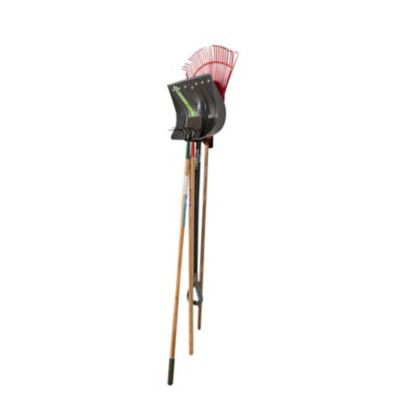
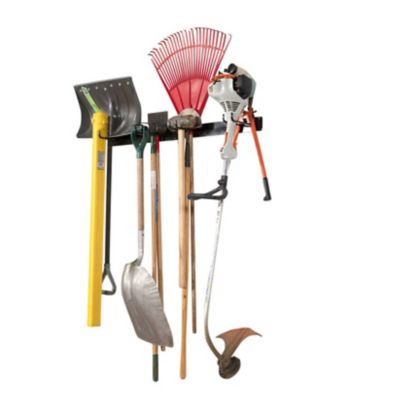
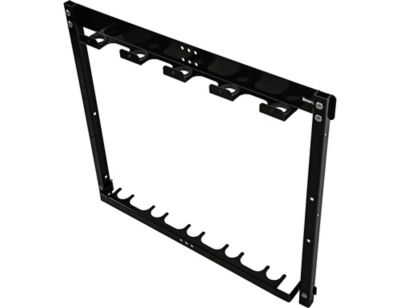
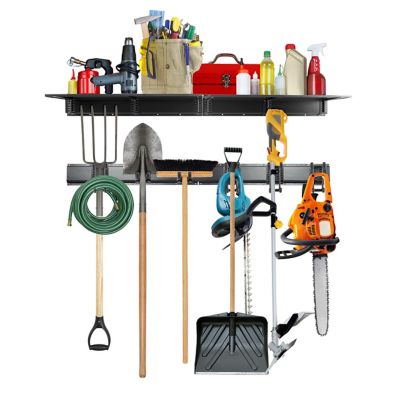
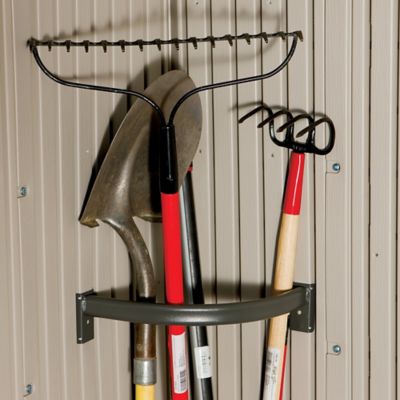
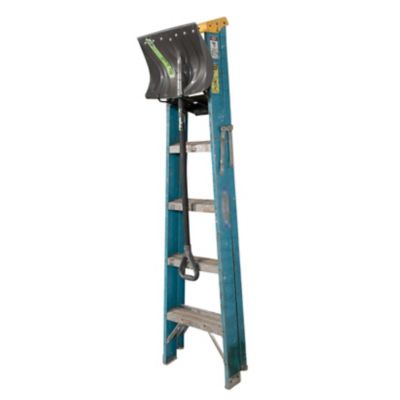
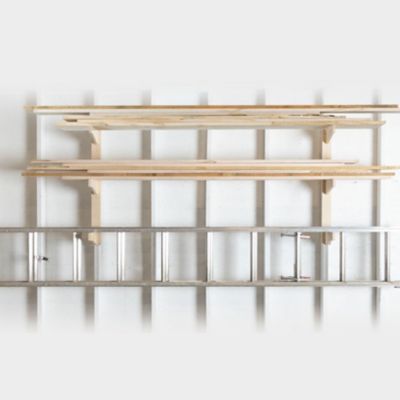
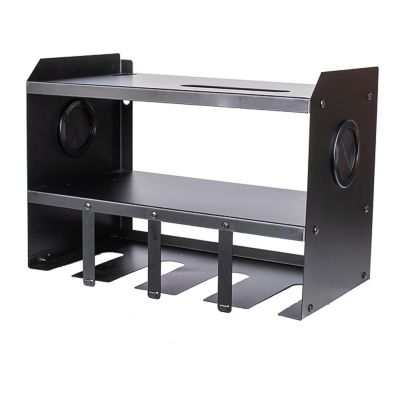
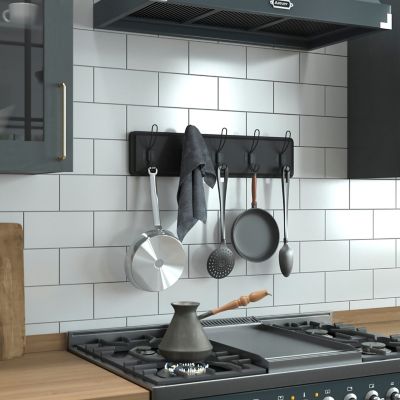
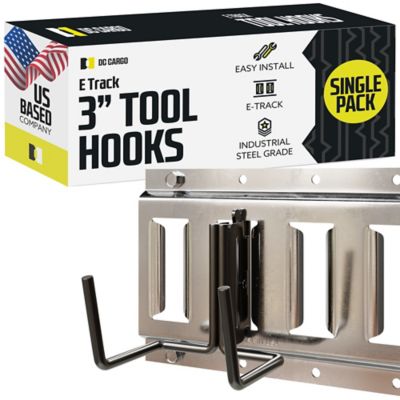
Shed tool racks give shovels, rakes, brooms and other chore equipment a place to land without taking over the floor. Instead of a leaning pile behind the door, each tool can sit in a slot, rest in a cradle or hang from a hook where its handle is easy to spot. That leaves more room to roll out a wheelbarrow, carry a feed sack through the doorway or reach the workbench without stepping around loose handles. Common designs include wall-mounted rails with hooks, fixed racks with notches or openings, pegboard arrangements for smaller tools and freestanding organizers that tuck against a wall or into a corner. Each style handles space a little differently. Wall-mounted tool racks put vertical space to work and can keep tool heads clear of the floor when properly positioned. Rail systems with movable hooks allow spacing changes for a broad leaf rake beside a narrow hoe, while fixed slots provide a consistent spot for tools with compatible handles. Pegboard hooks, baskets and holders can bring pruners, trowels and other small essentials into the same storage area, provided the board and attachments support their weight. Freestanding tool racks make sense where wall mounting is impractical or where an organizer needs to move as the shed’s layout changes. Corner designs can turn an awkward pocket of floor space into a home for long-handled equipment, though the tools still need enough overhead clearance to lift out. Some floor-standing designs support handles through upper openings and rest tool ends on a lower tray; others rely on open cradles that make removal easier beneath a low roof. For gardeners, acreage owners and folks keeping up a barnyard or home place, the benefit is straightforward: less time sorting through a tangled pile and more space for the work at hand. A rack that separates rake tines from shovel blades also helps keep neighboring tools from catching on one another when somebody reaches for the next handle.
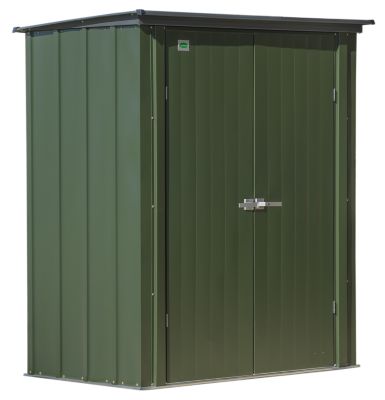
Materials, mounting style and tool fit all play a part in how a shed tool rack holds up to everyday chores. Steel racks are common for heavier equipment, with painted or powder-coated finishes that help protect the metal as long as the coating remains intact. Coated hooks can soften contact with handles and help limit scuffs, while rounded edges reduce the chance of snagging a grip. Wood racks offer shaped slots or notches for long-handled tools, with performance depending on the wood, construction, finish and mounting method. Molded resin and plastic organizers resist rust, though their load limits, stiffness and suitability for a particular shed still depend on the design. Material alone does not tell the whole story: the rack’s stated capacity, fasteners and supporting surface matter together. A total weight rating may also differ from the limit for an individual hook or slot, especially when a heavy digging tool hangs beside several lighter brooms. Wall-mounted storage needs a secure connection to framing or another support specified by the manufacturer; thin siding or a hollow shed panel is not automatically a suitable mounting surface. Metal and resin sheds may call for a compatible mounting kit or an approved support arrangement rather than ordinary wall screws. Fit matters just as much at the tool end. Spring grips generally accommodate a stated range of handle diameters, and a thick cushioned grip may not pass through an opening intended for a plain shaft. D-shaped handles, wide rake heads and angled shovel blades need room beyond the rack’s listed width. The space above and in front of the organizer also determines whether a long tool lifts free without bumping a roof brace, shelf or door. For freestanding models, a level base and balanced loading help limit wobbling. Wheeled versions add flexibility, with suitable casters and wheel locks worth considering wherever equipment needs to stay put during loading and unloading.
The most practical shed storage fits the way chores actually happen. A broom near the entrance is handy for sweeping out tracked-in dirt, while digging tools grouped farther along the wall leave the doorway clear. Small hand tools are easier to keep track of when they have their own hooks or compartments instead of disappearing beneath larger equipment. Frequently reached-for tools belong within comfortable reach, with sharp edges positioned away from walkways and handles clear of door travel. In a shared shed, separate spaces for garden tools and property-maintenance equipment can make returning things to the right spot more natural. A rack can also work alongside shelving and other
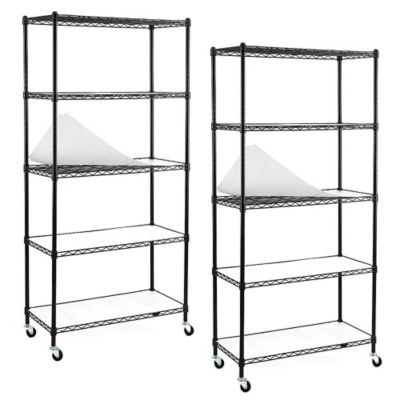
Storage Racks, giving long handles their own space while containers and supplies sit elsewhere. That division helps prevent a shelf full of loose tools from becoming a balancing act every time something comes down. Care is generally simple but varies with the material and manufacturer’s directions. Brushing soil from tool heads and letting equipment dry before putting it away helps keep grit and trapped moisture from collecting around contact points. Hanging tools above a damp floor can reduce direct moisture exposure, but it does not stop rust by itself. Rack surfaces benefit from occasional wiping, and lower trays may need clearing when dirt gathers beneath shovel blades. Loose fasteners, cracked components, bent hooks and worn coatings deserve attention before the next heavy load goes back in place. For a household with several people tackling chores, clearly separated positions can make missing tools easier to notice before work starts. The right arrangement does not need to fill every inch of wall; leaving a little breathing room between bulky heads often makes the whole setup easier to handle. Whether the day calls for fence-line cleanup, garden-bed work or a quick sweep around the shed, well-matched tool storage keeps the necessary equipment close at hand and the path to it open.