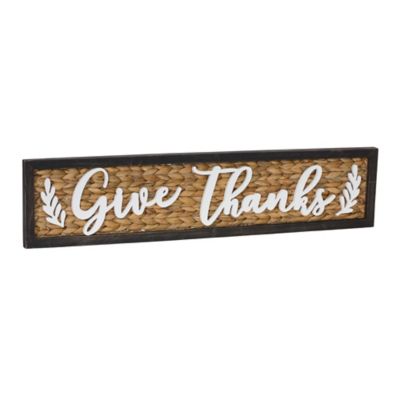
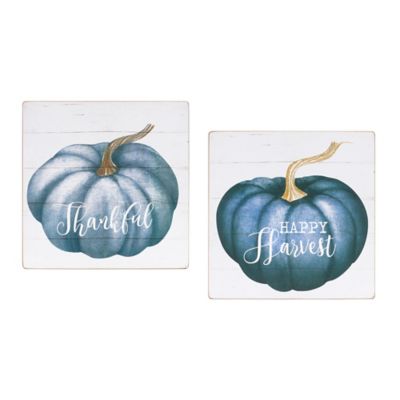
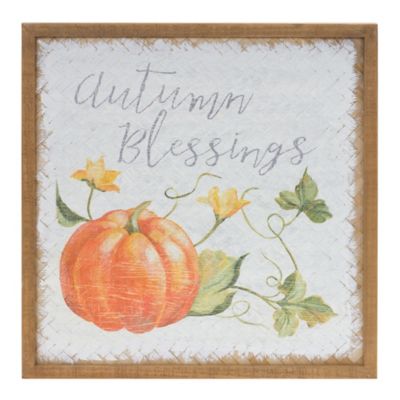
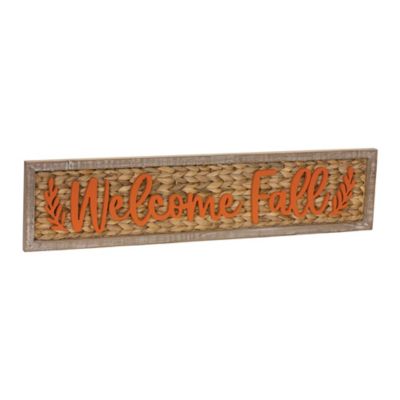
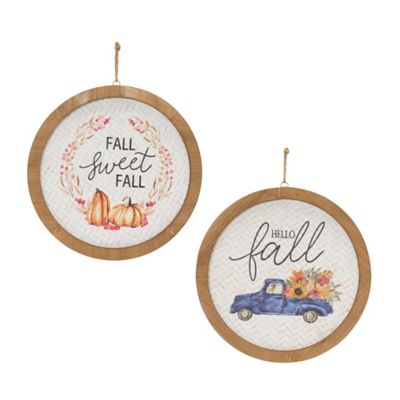
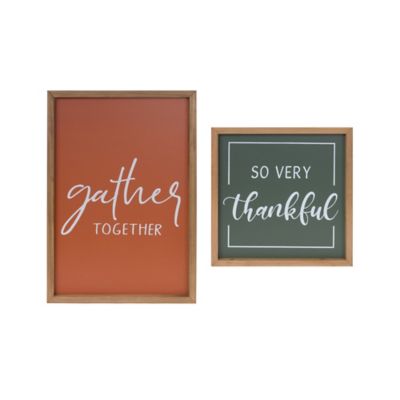
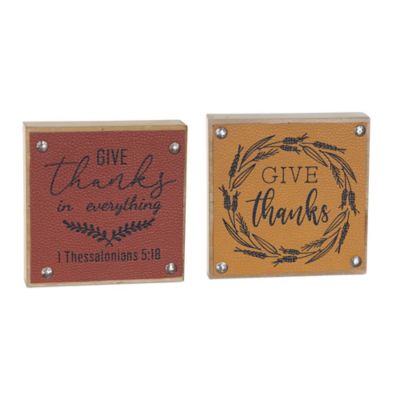
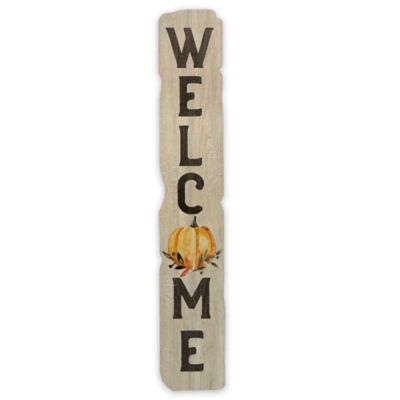
Autumn wooden signs bring harvest colors and a welcoming feel to the places where family and friends naturally gather. A wood sign beside the front door, above a kitchen bench, or along a dining room shelf can tie together pumpkins, woven baskets, and a simple bundle of dried stems without making the space feel crowded. The appeal comes partly from the material itself: visible grain, small knots, and variations in stain give wood a down-to-earth character that fits comfortably in a farmhouse, country cottage, or everyday family home. Designs with leaves, acorns, pumpkins, and harvest lettering can carry a fall display from early gatherings through Thanksgiving, while messages centered on home and gratitude keep the mood easygoing. Color makes a difference, too. Burnt orange, mustard yellow, and deep red stand out against pale siding or a light-colored wall; cream lettering and natural brown tones blend into rooms with wood furniture and woven textures. For a quieter look, a simple sign with a little open space around the lettering can feel right at home beside a crock of branches or a bowl of pinecones. A brighter, busier design may work better as the main accent on an otherwise plain wall. Scale matters just as much as the artwork. A small tabletop sign belongs where people can get close enough to read it, such as an entry table or a kitchen counter away from splashes. A broader wall sign can anchor the space above a sideboard without needing several smaller accents around it. In a busy mudroom, a straightforward design with bold lettering is easier to take in between dropping off a jacket and heading back outside. These signs suit households that enjoy marking the harvest season with familiar colors and welcoming words, whether the setting is a working farm, a small-town porch, or a home with just enough room for a seasonal shelf.
The way an autumn wooden sign is built helps determine where it belongs and how it will hold up. Solid wood often shows more variation in grain and texture, while plywood and other wood-based panels can provide flatter surfaces for painted artwork and lettering. Layered shapes, attached frames, and raised letters add depth, though those details also need a little extra clearance when a sign sits near a doorway or beneath a low shelf. Some finishes leave the grain visible; others cover the surface with an even coat of color. Neither appearance alone tells whether a sign belongs outdoors. Placement guidance matters, especially for an open porch where wind can drive rain beneath the roof. An indoor sign may do well in a dry entryway but should not be expected to handle damp air, repeated splashes, or direct exposure without the proper rating. Even a covered porch can have wet corners, strong afternoon sun, and moisture near the floor. For a larger entryway display,
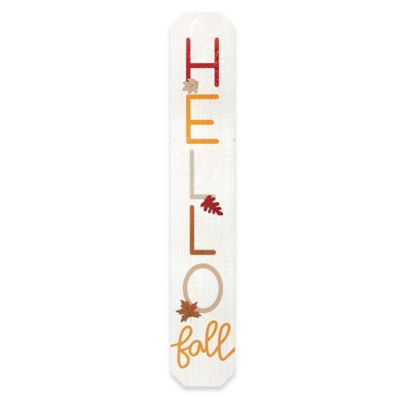
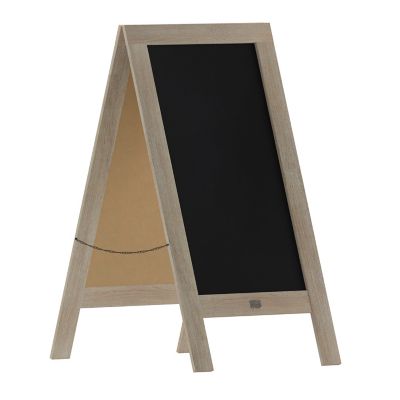
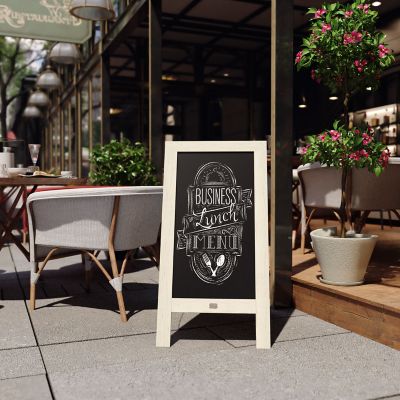
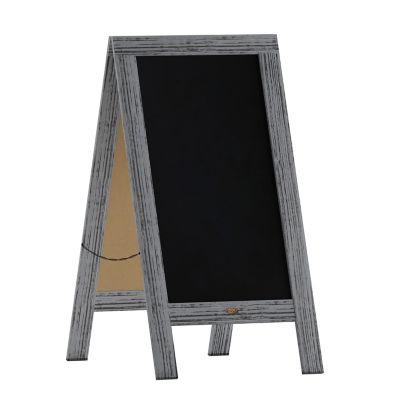
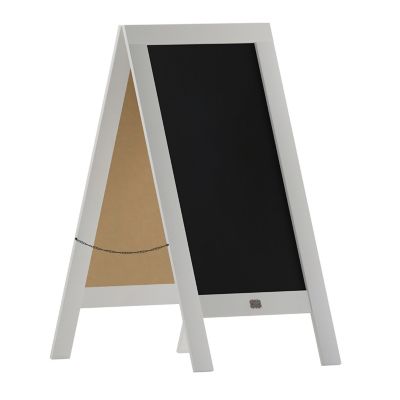
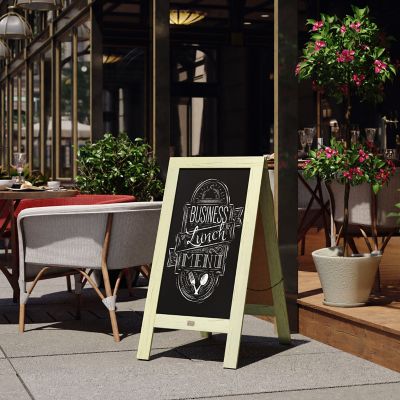
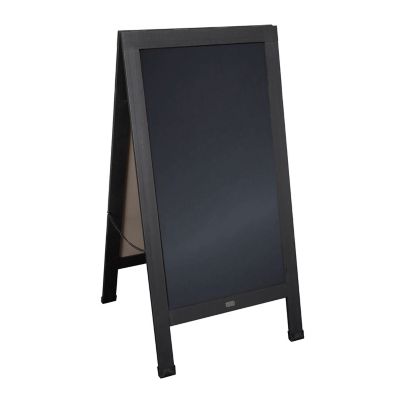
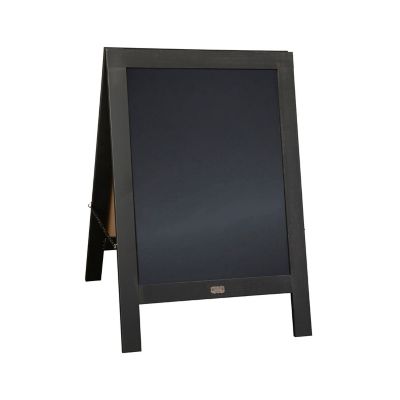
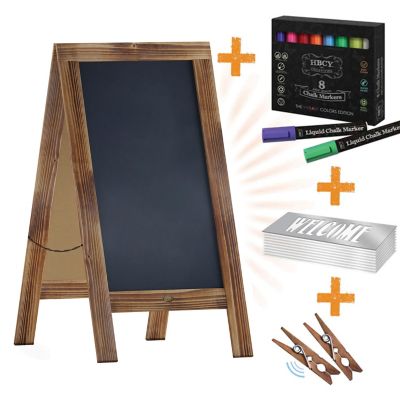
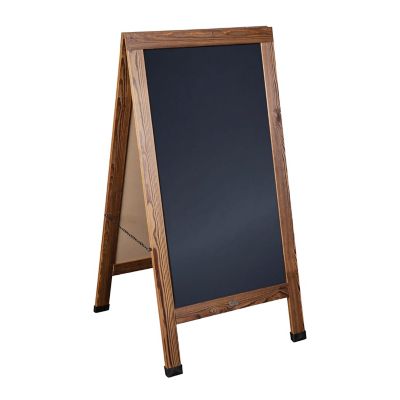
Wooden Porch Signs can help frame the doorway or fill a narrow stretch of wall beside a bench. Tall, leaning shapes need a stable position that keeps them out of the walking path, and any securing method should match the sign’s construction and the surface behind it. Hanging signs need suitable hardware and support for their weight, rather than a fastener chosen only because it is already handy. On a door, there should be room for the sign to move without striking the glass, handle, or trim. It also helps to consider the view from the driveway or front steps: fine script and pale lettering can disappear at a distance, while a clear contrast between the background and message is easier to read. The best fit leaves enough space for people carrying grocery bags, feed sacks, or a covered dish to get through comfortably.
Inside the house, autumn wooden signs can become part of the everyday gathering spots rather than a display that gets in the way. On a dining room sideboard, a freestanding sign can sit behind serving pieces, provided it leaves room for dishes and does not interfere with passing food. A mantel offers another natural spot, with enough separation from heat sources and nothing hanging where it could create a hazard. Narrow ledges call for signs with a steady base, while wall-mounted designs free up the surface below. In homes with young children or curious pets, secure placement is worth more than a picture-perfect arrangement. Care is generally straightforward, but the finish and construction should set the rules. A soft, dry cloth is often enough for light dust; any damp cleaning should follow the care directions so moisture does not settle into seams, unfinished edges, or attached lettering. Soaking, harsh cleaners, and stiff scrubbing can damage painted surfaces or lift artwork. Signs displayed near a kitchen stove may need more attention because airborne grease can collect on the face, and prolonged direct sunlight may change the appearance of paint or stain. Once the fall display comes down, a dry storage spot away from leaks and sharp temperature swings helps protect the wood and finish. Clean packing paper between painted faces can reduce rubbing, and raised details need room so heavier pieces do not press against them. Autumn signs also make thoughtful gifts for a host who enjoys Thanksgiving gatherings, a neighbor settling into a new home, or a family member who always has a fall display by the door. A familiar harvest image or a simple message about home is an easy fit when personal tastes are not fully known. Size and placement still count with a gift: a modest shelf sign asks for less wall space than a large hanging design. With the right proportions, sensible placement, and care suited to the material, a wooden sign can remain a familiar part of the household’s fall traditions.