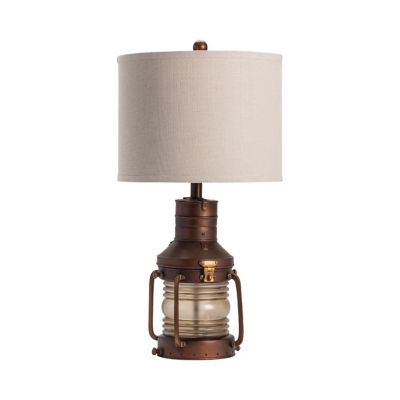
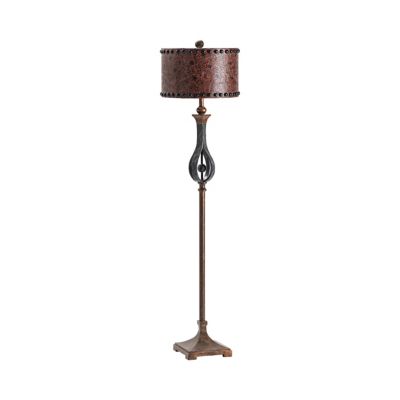
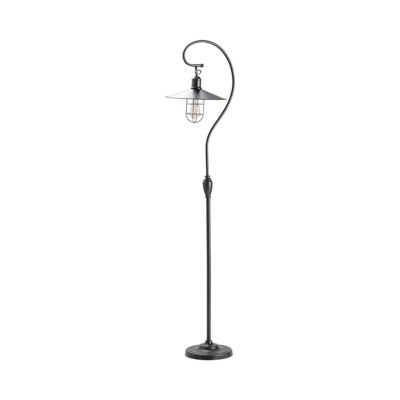
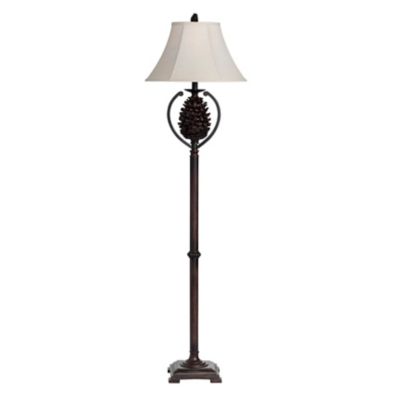
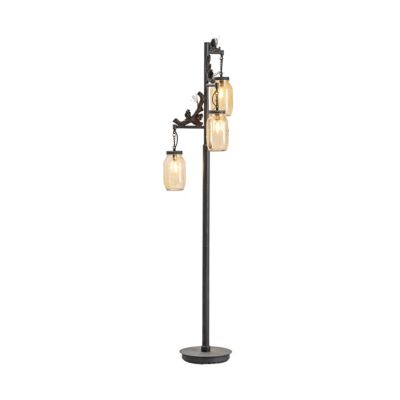
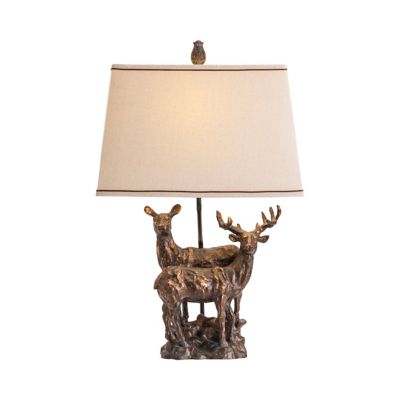
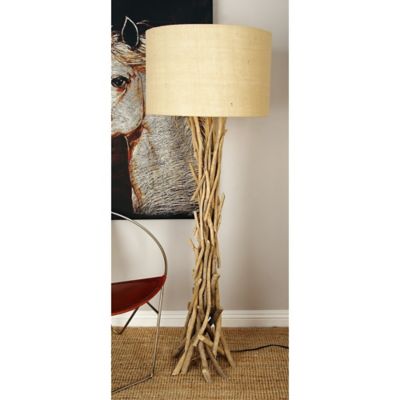
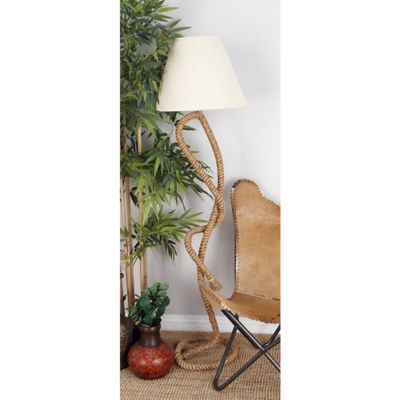
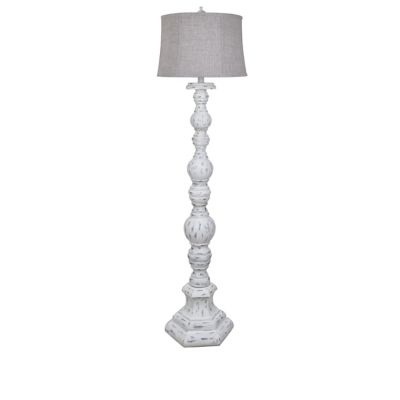
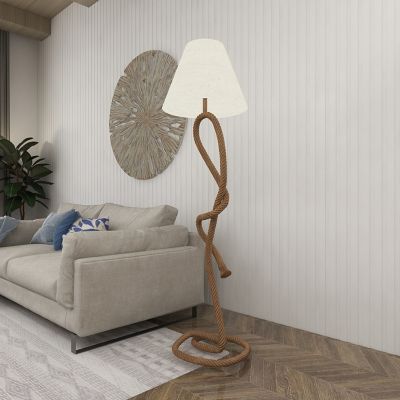
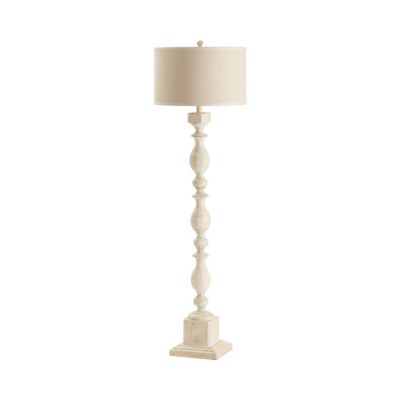
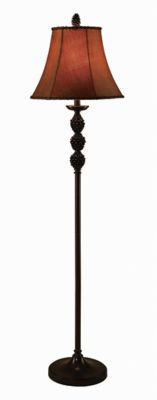
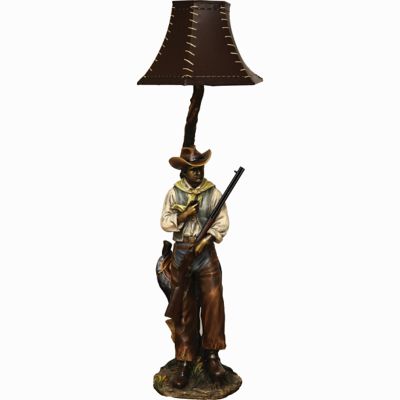
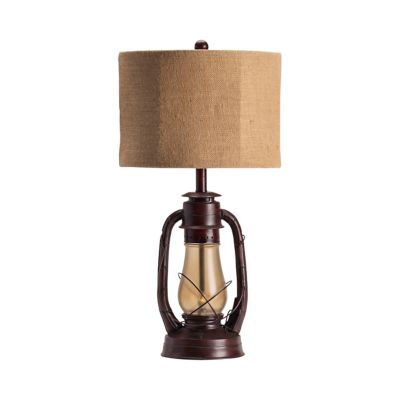
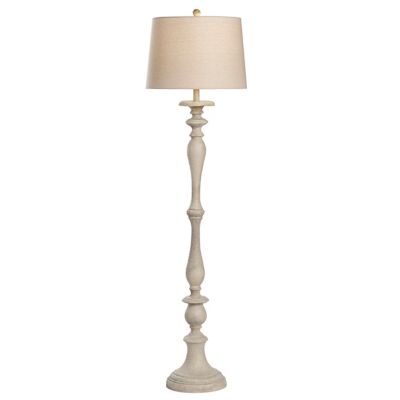
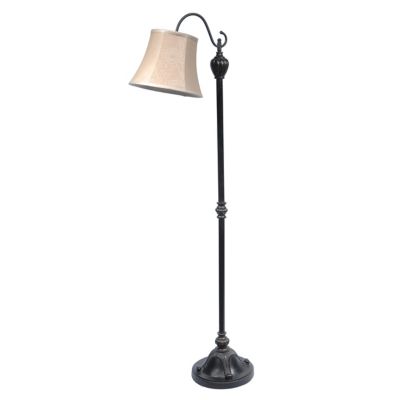
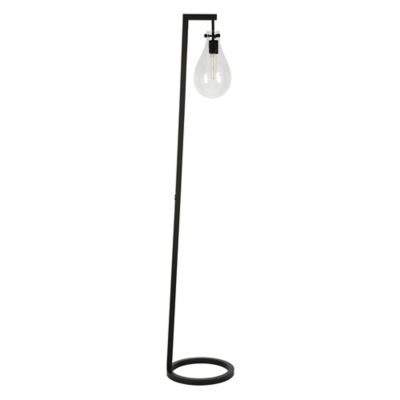
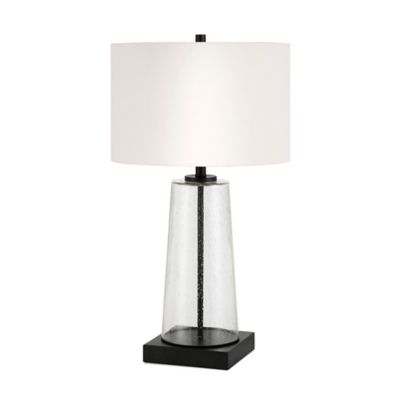
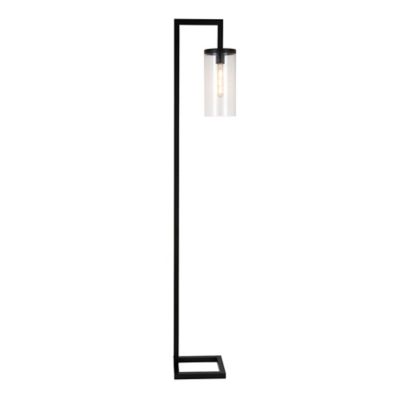
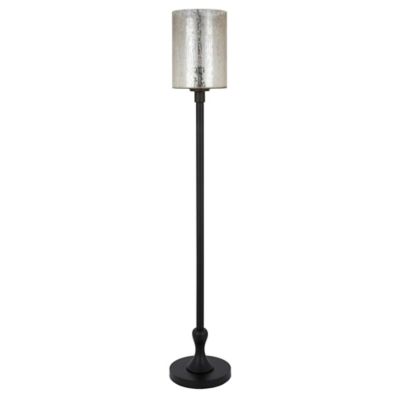
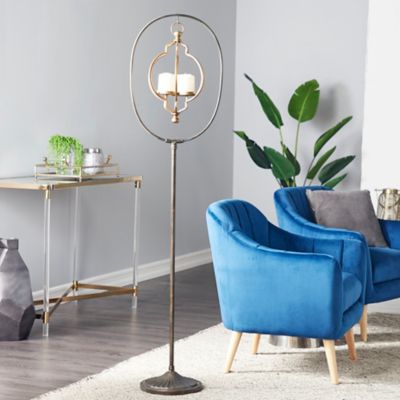
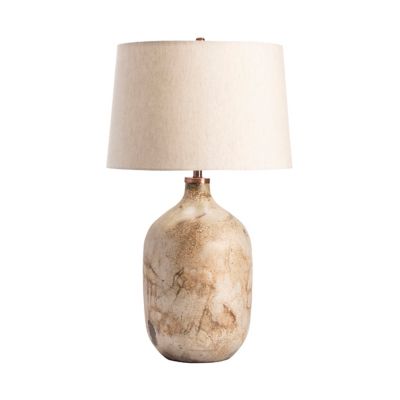
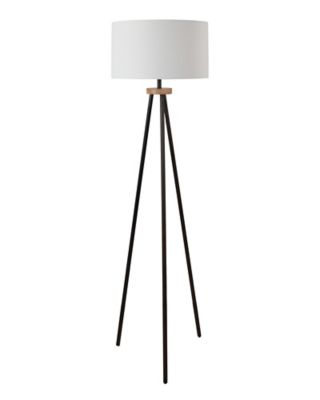
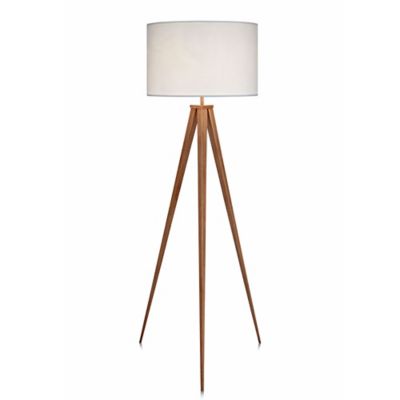
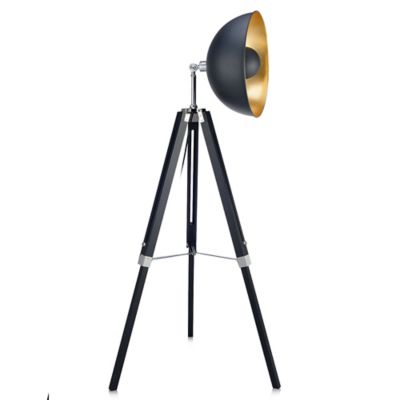
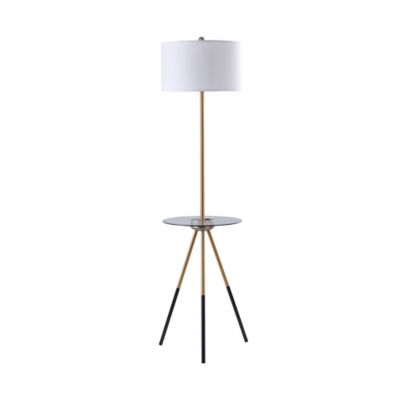
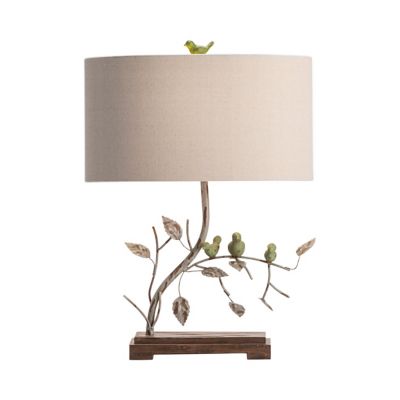
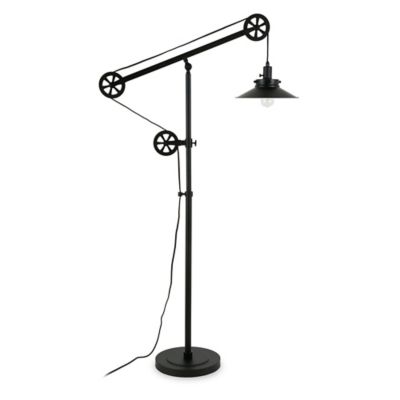
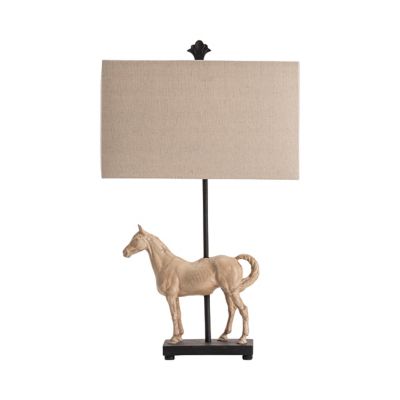
Rustic living room floor lamps bring warm light and an earthy feel to the places where folks settle in at the end of the day. Their character comes from natural-looking materials, substantial shapes, and finishes that sit comfortably beside a leather couch, a pine coffee table, or a stone fireplace. Wood grain, dark metal, woven shades, and weathered surfaces give this lighting style its familiar country appeal without making a room feel too matched or formal. Lodge-inspired floor lamps often lean toward log-shaped bases, branch details, antler forms, or woodland patterns, while farmhouse styles tend to have simpler posts, turned wood, and shades in cream, flax, or soft brown. Industrial touches, such as metal cages and dark bronze finishes, can add a little edge alongside exposed beams and rough-sawn shelving. Solid wood brings visible grain and variation, while wood-look materials offer a similar visual effect with different weight and care needs. Reclaimed wood may have knots, nail marks, or uneven coloring that become part of the lamp’s appearance. Iron and steel can provide a substantial frame, though the base design matters as much as the material when it comes to steadiness. A distressed finish describes the surface appearance; it does not mean a lamp has seen years of wear. These details help distinguish rustic floor lamps from more polished lighting styles, but there is plenty of room between a backwoods cabin look and a tidy farmhouse feel. For a room with cleaner lines, lighter fabrics, and just a touch of weathered wood,
Modern Farmhouse Floor Lamps offer a related direction. A rustic lamp does not have to match every wood tone in the room, either. A shared undertone or a repeated dark metal finish can tie it to nearby furniture while leaving the space relaxed and comfortable. That flexibility makes this style a natural fit for everyday family rooms, cabins, and country homes.
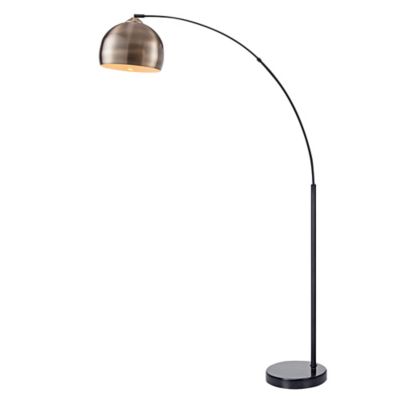
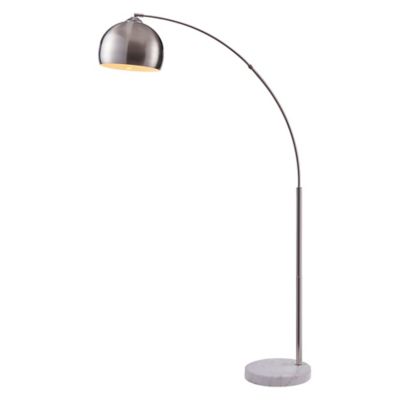
The best fit for a living room depends on both the lamp’s footprint and the kind of light the space needs. A straight, narrow floor lamp can tuck beside a recliner without taking over the walkway, while a broad wood base needs more open floor space. An arched frame can reach over a sofa arm or reading chair, but its reach, overall height, and counterweighted base all affect where it can sit. Shade width matters, too: a shade that bumps a curtain or crowds an end table can make even a roomy corner feel cramped. For reading, knitting, or working a crossword, light should fall across the lap or page without putting a bright bulb directly in the reader’s line of sight. An adjustable arm or movable shade can help direct that light where it belongs. Ambient floor lamps serve a different purpose, spreading a softer glow that takes the edge off a dark corner and balances overhead fixtures. Fabric shades generally soften the light, while opaque metal shades send more of it in a particular direction. Glass shades may leave the bulb more visible, making bulb shape and glare worth considering. Pale shades tend to let more light into the room than thick, dark shades, though the lining and construction also make a difference. A bulb around 2700K typically gives the warm appearance that suits wood furniture and earthy textiles; lumens describe brightness, while watts describe energy use. The socket label determines the permitted bulb type and maximum wattage, and dimming requires a compatible lamp, bulb, and control. Switch placement can matter as much as looks in daily use. A reachable pull chain, rotary switch, or foot switch can make a favorite chair more comfortable, especially for someone who prefers not to stretch behind furniture. During the cooler months, that pool of light beside a blanket basket or well-worn armchair can make the living room feel settled long before bedtime.
Rustic floor lamps are meant to work as part of a lived-in room, so construction, placement, and care deserve attention alongside appearance. A broad, well-balanced base and firmly connected sections help a tall lamp stand steadily, particularly on floors that are not perfectly level. Thick carpet may affect stability differently than hardwood or tile, and a lamp should sit fully on one surface rather than partly on the edge of a rug. In homes with children, pets, or plenty of foot traffic, a spot outside the main walking path helps keep the base and cord out of the way. Cords belong clear of pinch points, doorways, and places where someone could catch a boot; they should not run beneath rugs. Indoor floor lamps also need separation from fireplace heat, damp entryways, and curtains that could brush against the shade or bulb. Routine care is usually straightforward, but the right method depends on the finish. With the lamp unplugged and the bulb cool, a soft, dry cloth can lift dust from many wood and metal surfaces. Rough wood, carved details, and open metalwork may need a soft brush to reach the crevices. Fabric shades often benefit from gentle dusting or a vacuum brush on low suction when the care directions permit it. Glass should be cleaned according to the manufacturer’s instructions, with moisture kept away from electrical parts. Harsh cleaners and abrasive pads can damage painted, stained, or intentionally weathered finishes. Replacement shade fittings, socket requirements, and access to the bulb are worth checking for straightforward upkeep over time. Beyond everyday lighting, a rustic living room floor lamp can make a thoughtful housewarming or wedding gift when the recipient’s space and taste are known. It suits someone furnishing a cabin, settling into a country home, or giving a favorite reading corner a little more comfort. The right combination of proportion, shade, and warm light adds character without getting in the way of the room’s real purpose: a comfortable place to sit, visit, and unwind.