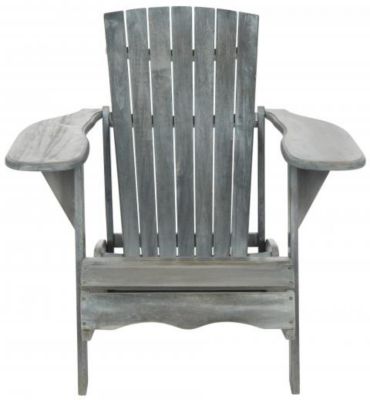
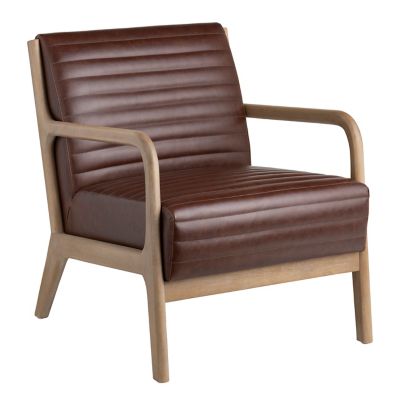
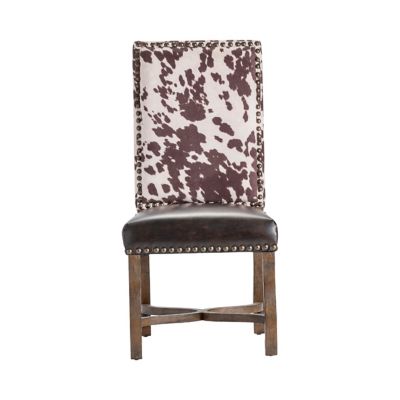
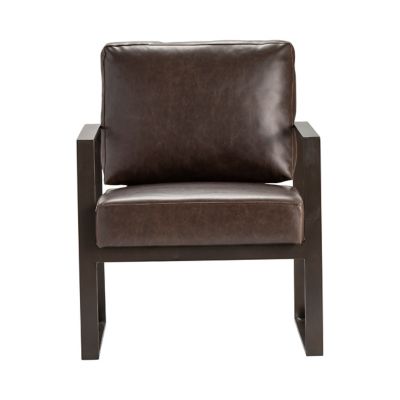
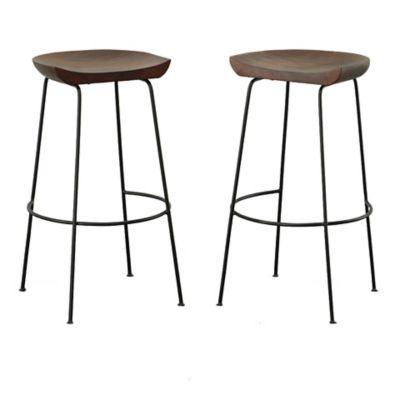
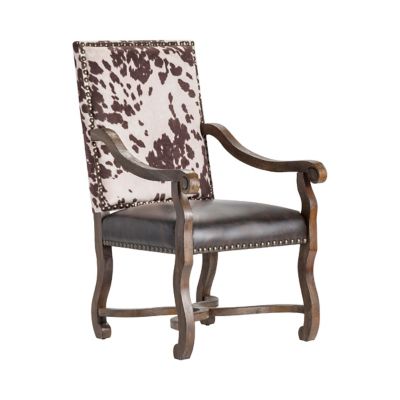
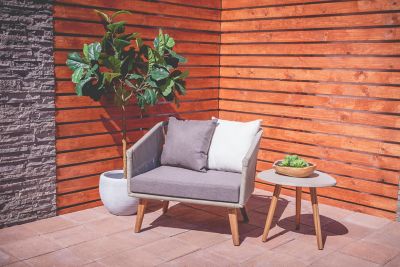
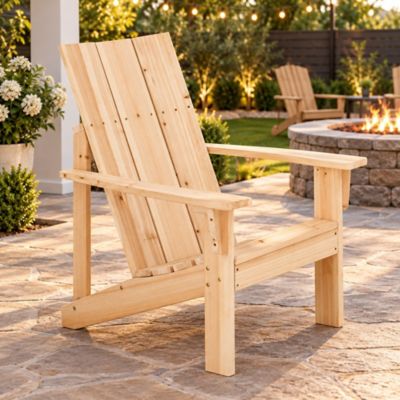
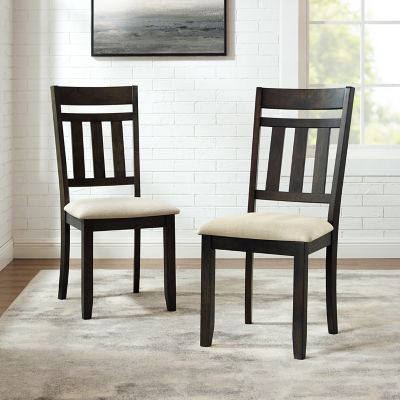
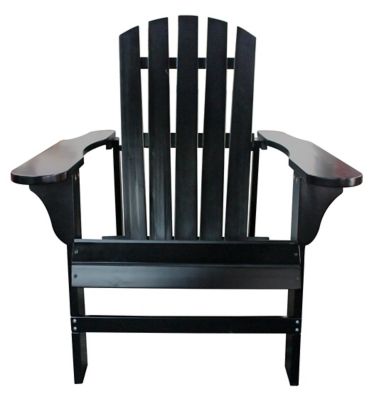
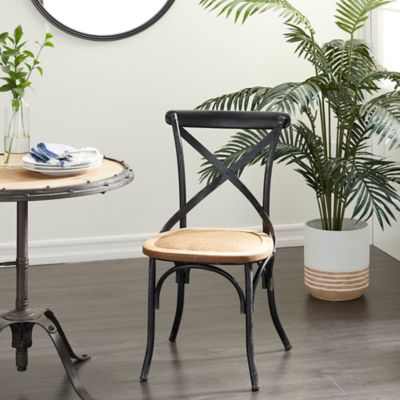
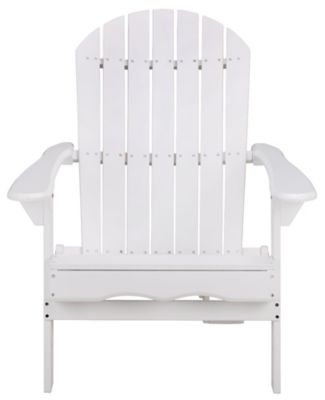
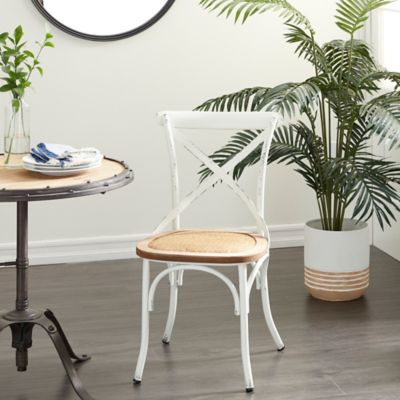
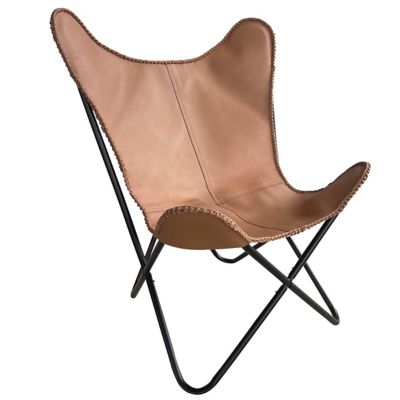
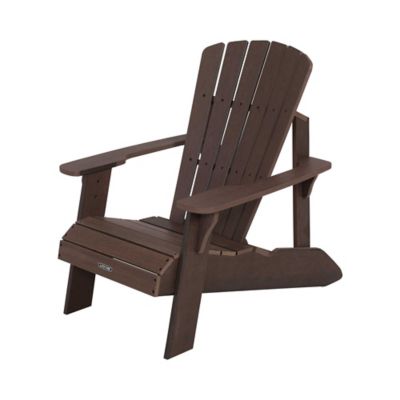
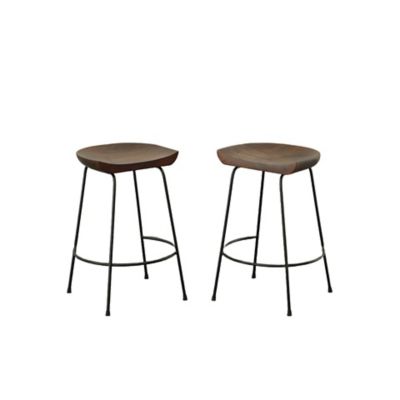
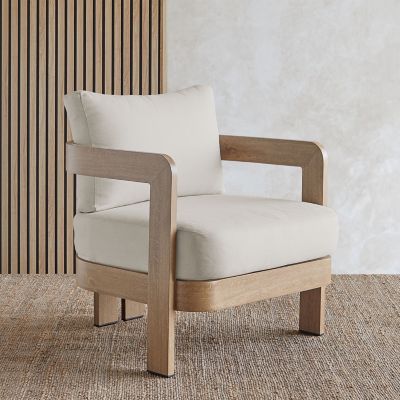
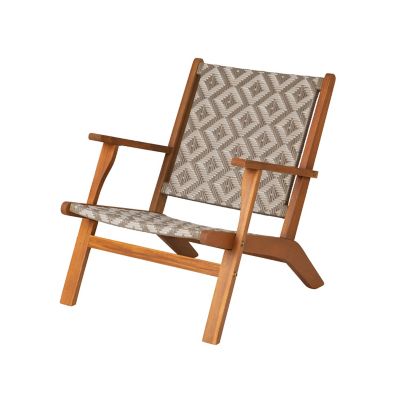
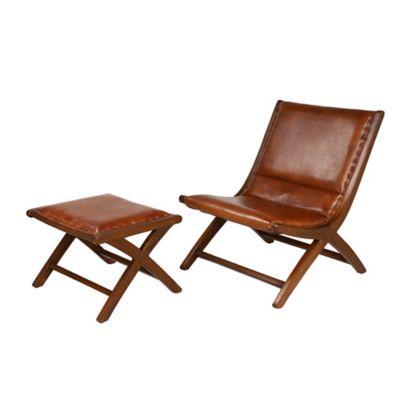
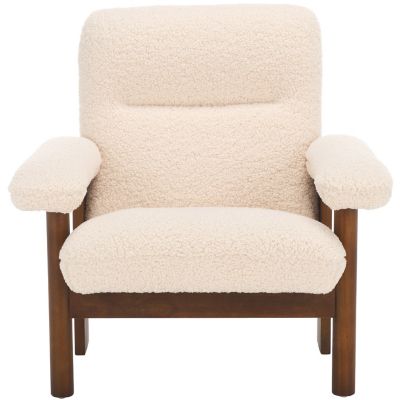
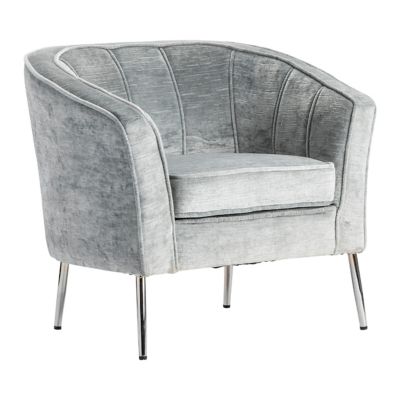
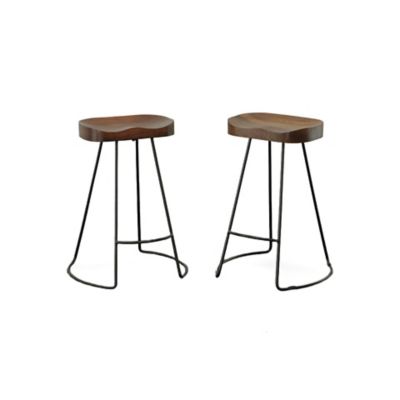
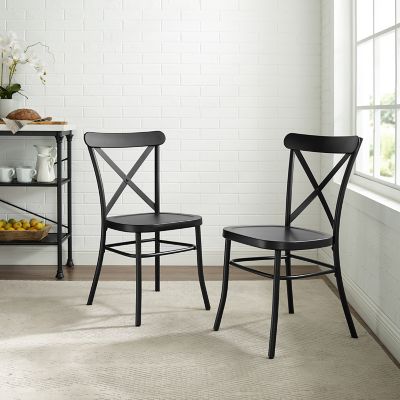
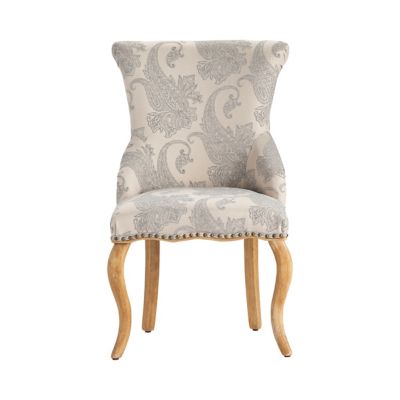
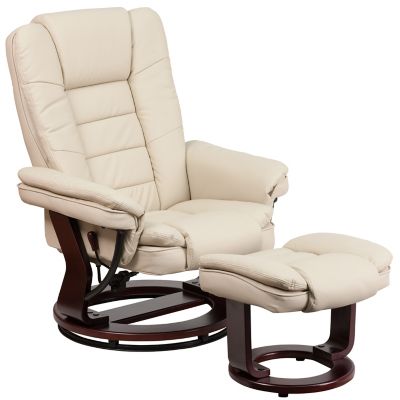
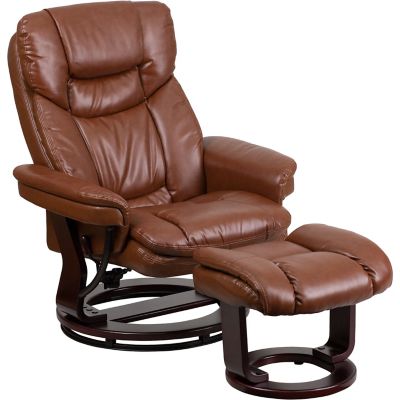
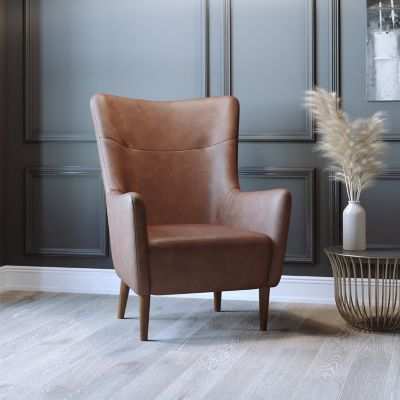
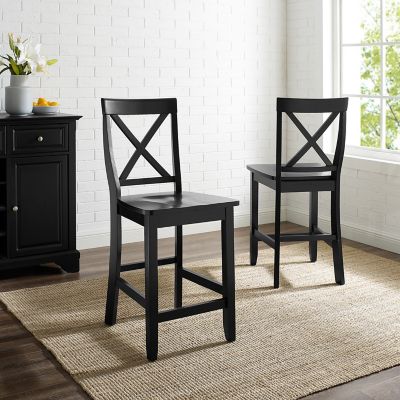
Modern rustic accent chairs bring clean lines and down-to-earth texture into the same seat. The look takes its warmth from natural wood tones, visible grain, leather, and woven fabrics, then balances those details with uncluttered shapes and simple frames. That makes these chairs a natural fit for a farmhouse living room, a ranch home, or a newer house that could use a little more character. An exposed wood frame can pick up the tones in a plank floor or a nearby bookcase, while slender metal legs add contrast without making the room feel crowded. Upholstery in cream, oatmeal, charcoal, saddle brown, or muted green works easily with familiar furnishings, though a chair does not have to match the sofa to belong beside it. Repeating one detail, such as a similar wood finish or the same warm undertone, often gives the room enough connection. A chair with a rounded back can soften the straight edges of a square coffee table, while a more angular frame can bring definition to a room full of plush seating. Scale makes just as much difference as color. Open arms and visible legs leave more of the floor in view, which can help a small sitting room feel less packed. A broader chair with fuller cushions has more visual weight and can hold its own beside a large sofa or stone fireplace. In an open living area, a pair of accent chairs can mark out a conversation space without putting a tall barrier between rooms. A single chair beside a bookcase creates a spot for reading, pulling on boots, or sitting down for a phone call. The appeal is practical as much as visual: an extra comfortable seat that feels at home among everyday belongings, rather than something that only looks right when the whole room is spotless. A modest throw or a small pillow can add softness while leaving the frame and upholstery in plain view.
Comfort comes down to the relationship between the seat, back, arms, and the person settling in. A deep seat may suit someone who likes to curl up with a book, while a shallower seat can make it easier to sit upright with both feet resting on the floor. Seat height matters for the same reason. A low lounge shape has a relaxed feel, but a taller seat with supportive arms may be easier for someone who finds getting up from low furniture difficult. Arm height also affects whether shoulders can rest naturally during a long conversation. Firm cushioning offers a different feel from a softer cushion, and thick padding alone does not tell the whole story. The support beneath the cushion, the angle of the back, and the frame construction all contribute to how a chair feels over time. Wood, metal, and mixed-material frames each bring a different appearance, but secure joints, steady footing, and the listed weight capacity deserve attention regardless of style. Upholstery changes the experience, too. Woven fabric adds texture and can feel inviting in a reading corner; leather brings a smoother surface and develops surface character with regular use. Leather-look materials have their own care requirements and should not be treated as interchangeable with leather. For a busy family room, fabric content, cleaning directions, and cushion construction are worth a close look. Removable cushions or covers can simplify some care tasks when the chair is designed that way. Fit extends beyond the seat itself. Overall width, depth, and back height determine how comfortably a chair shares space with a sofa, side table, and walking path. A chair angled toward the main seating area encourages conversation, but it still needs enough clearance for someone to pass without turning sideways. Entryways, stair turns, and door openings matter before the chair ever reaches its spot. For a swiveling design, room to turn is part of the footprint, especially near a wall, lamp, or table edge.
Everyday use is where the details of a modern rustic accent chair earn their keep. A seat near the main gathering area may handle visiting neighbors, children climbing up with a storybook, and a quiet break after chores, all in the same day. A bedroom chair may see a slower pace, with more emphasis on a comfortable back and a small footprint. In a home with pets, tightly woven upholstery may be less prone to snagging than a loose, open weave, though no fabric is beyond the reach of determined claws. Color and texture also affect how readily loose hair, lint, and small marks show. Care starts with the chair’s own instructions: upholstery cleaning codes help determine which cleaning methods are suitable, and removable covers are not necessarily machine washable. Regular vacuuming with an appropriate attachment helps keep grit out of seams and cushion edges. Blotting a spill promptly, rather than scrubbing it into the surface, can help limit its spread. Leather may need a care product approved for that particular finish, while wood and metal frames generally call for gentle cleaning that protects their surfaces. Felt pads suited to the flooring can help reduce scuffs, and lifting a chair rather than dragging it puts less strain on legs and joints. Placement can help preserve the finish as well; strong direct sunlight may fade some upholstery and change wood tones over time. The surrounding pieces should make the chair easier to enjoy. A side table within comfortable reach gives a drink or book a place to land, and lighting from
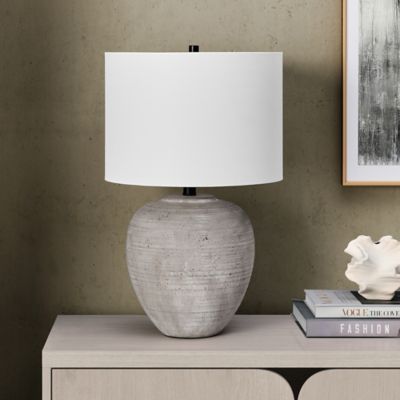
Modern Rustic Table Lamps can carry similar wood tones, metal finishes, or simple shapes through the seating area. With room to move, comfortable proportions, and materials that suit the household’s routine, an accent chair becomes a welcoming part of daily life.