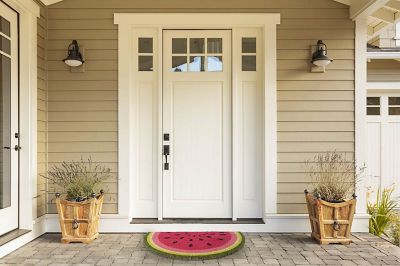
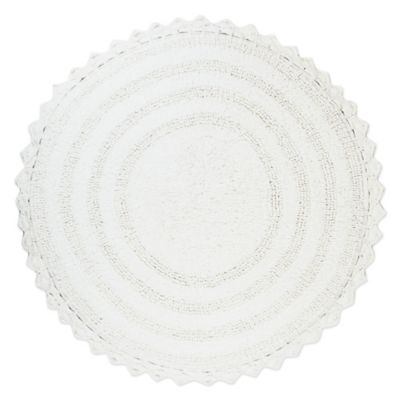
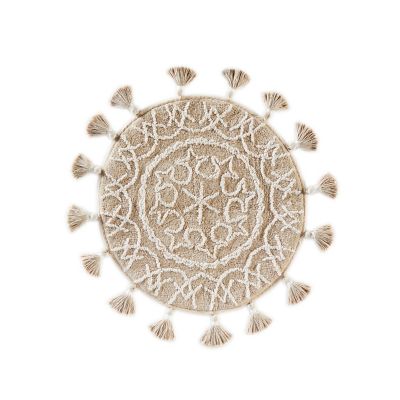
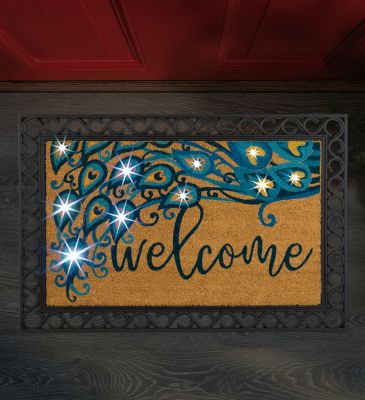
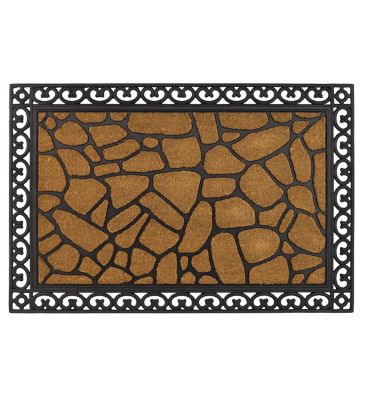
Round doormats give boots and shoes a landing spot while bringing a softer outline to an entryway full of straight edges. Their curved shape works well beside square porch posts, rectangular door frames and the hard lines of a threshold, adding a welcoming touch without taking over the space. A full-circle doormat has an even diameter in every direction, making it a good fit for an open foyer, a roomy front stoop or an entry with walking paths that approach from more than one side. A half-round doormat has one straight edge and one curved edge; the straight side sits along a threshold or wall, while the rounded side faces arriving feet. That shape can suit a single doorway where a full circle would extend too far into the walkway. Both shapes offer a place to pause and wipe off dirt before heading inside, whether the traffic comes from chores, a trip to town or neighbors stopping by. The best fit depends on more than the shape alone. A mat needs enough wiping surface for the people walking across it, along with room around its edges so it does not crowd steps or interfere with the door. For a full circle, the listed diameter describes the overall width and depth. For a half-round shape, width and front-to-back depth are separate measurements worth checking. Double doors and broad landings often call for more coverage than a narrow side entrance, though the available floor space matters more than door width by itself. Thickness also makes a difference: a low-profile mat can help a swinging door pass over it, but the clearance beneath the door still needs to accommodate the mat and its backing. A round entry mat should feel like part of the landing, not an obstacle to step around when carrying grocery bags, a feed scoop or a sleeping child.
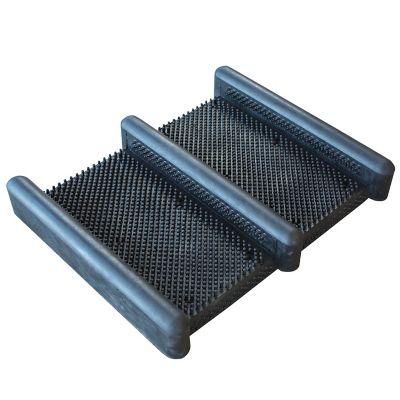
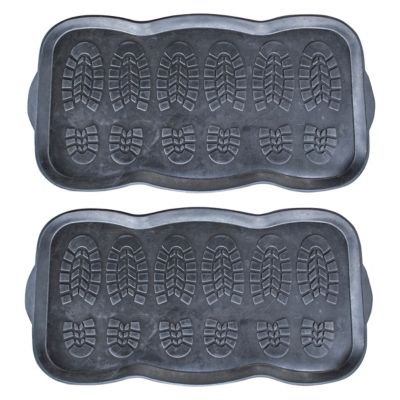
Materials determine much of how a round doormat feels underfoot, handles tracked-in dirt and fits into the routine of a busy household. Coir, made from coconut husk fibers, has a coarse surface that helps scrape loose soil from shoe soles. Its bristly texture suits a designated wiping spot, especially where boots arrive with grit caught in the tread. Some loose fibers are normal with coir, and placement and cleaning should follow the maker’s directions, particularly when a mat has a printed surface or a backing that needs special care. Rubber doormats offer a different feel, with molded ridges, raised patterns or open sections that can loosen debris as feet move across them. Openwork designs let some dirt fall through, so the floor beneath needs attention along with the mat itself. Polypropylene and other synthetic-fiber surfaces can brush dirt from footwear, and certain constructions also help collect moisture. Absorbency, outdoor suitability and cleaning methods vary by construction rather than material name alone. A woven fabric mat intended for an indoor entry serves a different purpose from a heavy scraper mat outside a workroom door. In homes with a lot of foot traffic, an exterior scraping surface and an interior mat suitable for catching finer particles can complement one another, provided neither obstructs the doorway. Backing deserves just as much attention as the face of the mat. A slip-resistant backing can help limit movement, but its grip depends on the floor surface, cleanliness and proper placement; no backing makes every location slip-proof. Rubber or latex backing may also be unsuitable for certain floor finishes, so compatibility matters on wood, vinyl and other finished surfaces. Flat edges, sound construction and a mat that stays settled during normal foot wiping all contribute to everyday performance. For an entry shared by work boots, children's sneakers and visiting family, the most practical choice balances scraping action, comfortable footing and straightforward upkeep rather than appearance alone.
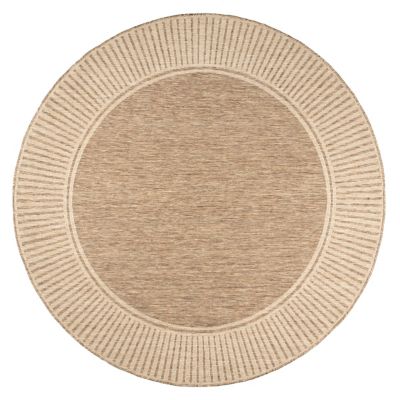
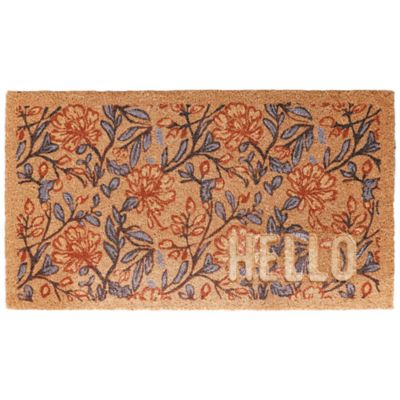
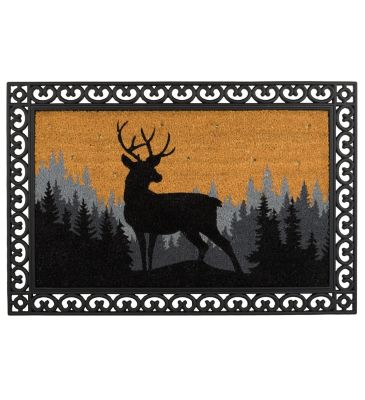
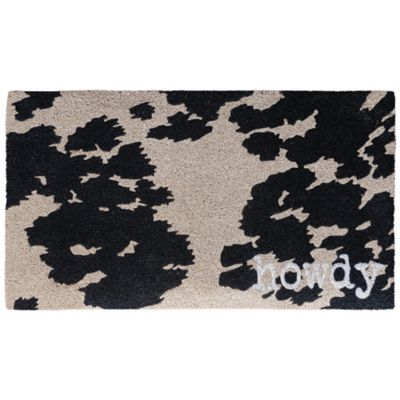
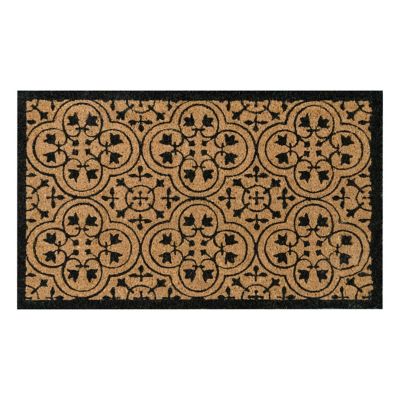
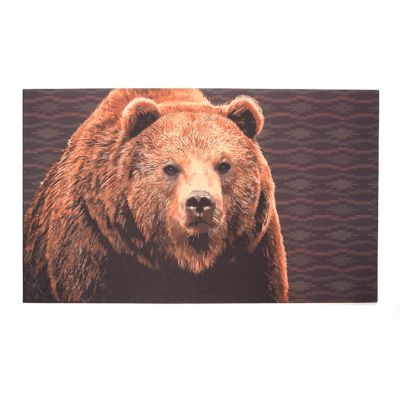
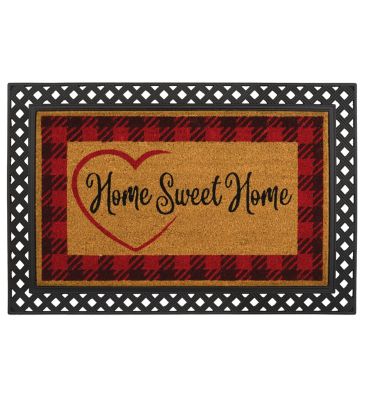
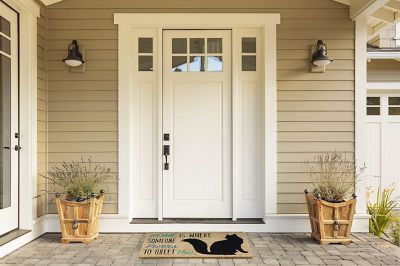
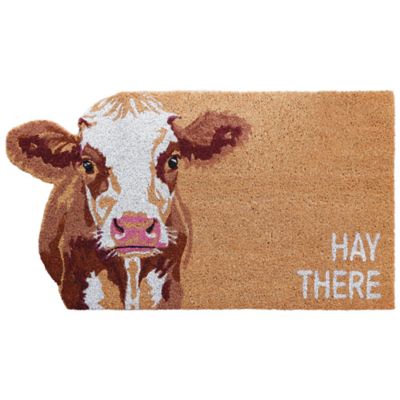
Color, pattern and texture help round doormats settle into the character of a home, from a farmhouse entry with painted trim to a simple side porch near the driveway. Natural fiber tones pair easily with wood, brick and stone, while darker colors can make tracked-in marks less noticeable between cleanings. A plain border keeps the circular outline clear, and an open pattern can echo nearby railings without making the landing feel crowded. Lettering or a welcoming motif adds personality, though a design should leave plenty of functional wiping surface. For entryways with woodgrain finishes, simple metal accents or a country feel,
Rustic Doormats offer another way to carry that look to the doorstep. Appearance is only part of living with a mat, especially beside the door everyone reaches for after tending animals or working in the yard. Dirt left deep in the surface can reduce its ability to catch more debris, so routine cleaning helps keep the mat working as intended. Shaking out a mat, brushing its surface or vacuuming it may be appropriate, depending on its construction. Some rubber and synthetic mats permit rinsing, while others require spot cleaning; a washable-looking surface does not necessarily mean the entire mat can go in a washing machine. Care directions should govern the method, and a rinsed mat needs to dry fully before returning to its place. Sweeping underneath removes grit that can rub against the floor, and checking for curling edges, cracks or worn backing helps identify when a mat no longer sits properly. A round doormat can also make a thoughtful housewarming gift for someone settling into a first home or fixing up an entrance, especially when the doorway measurements and recipient’s tastes are familiar. Whether it welcomes company at the front door or catches dirt at the everyday family entrance, a well-chosen mat brings together a useful shape, the right surface for the job and care that fits ordinary life.