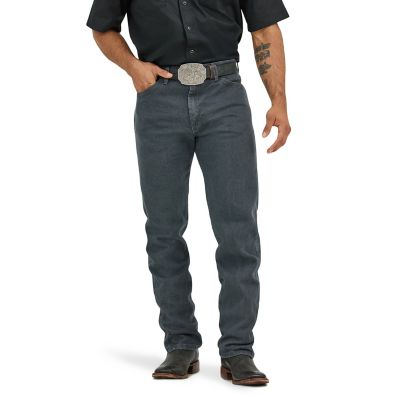
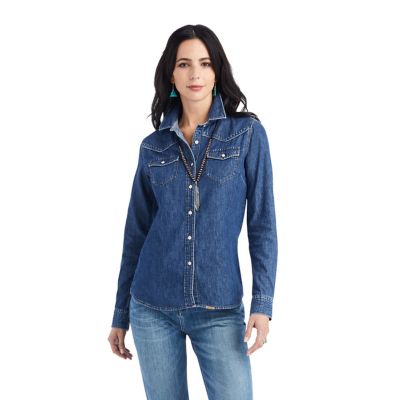
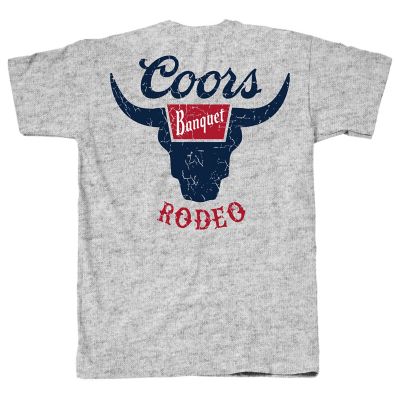
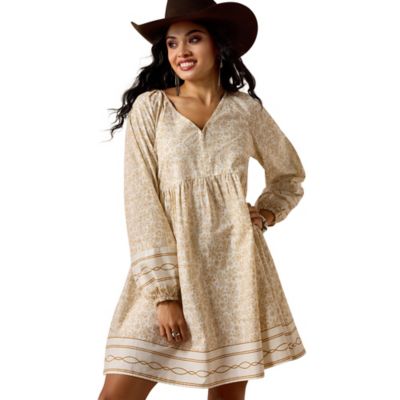
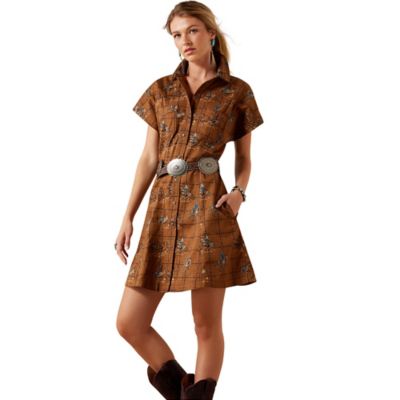
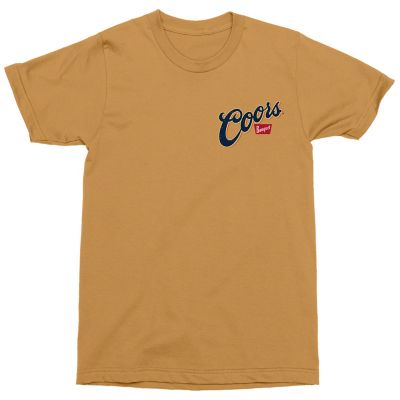
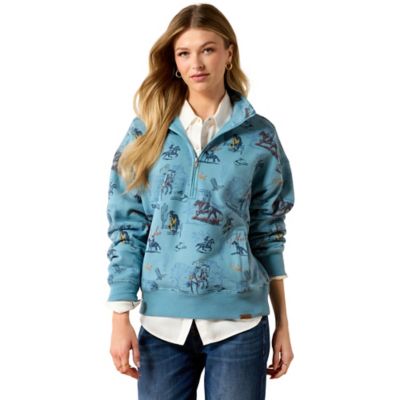
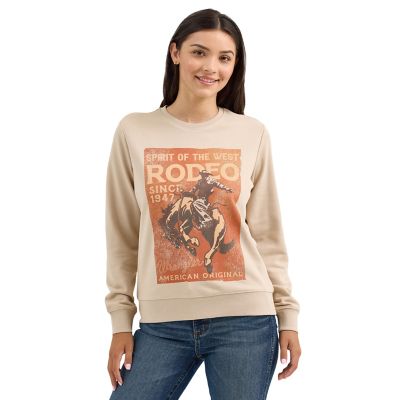
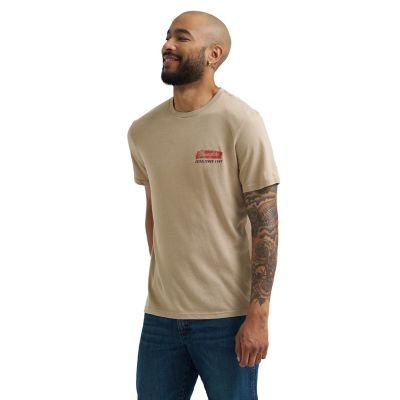
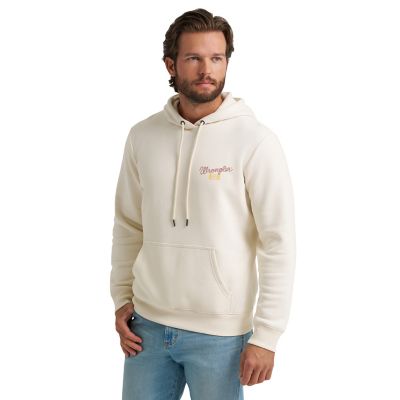
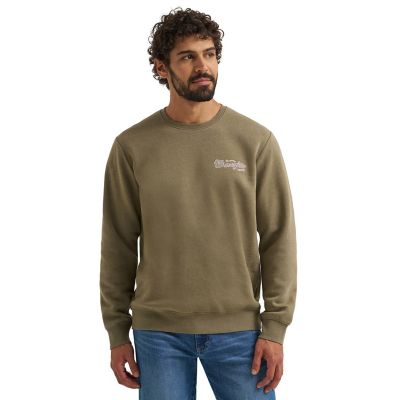
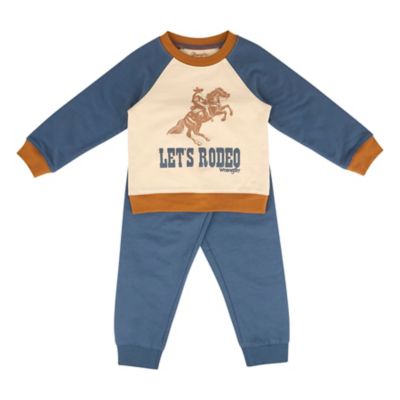
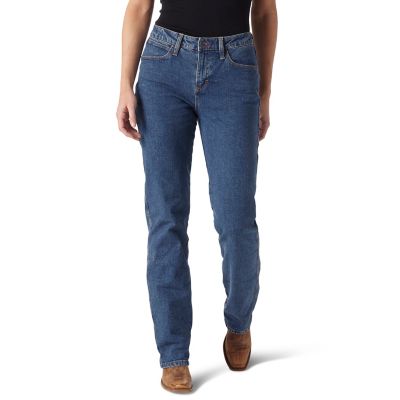
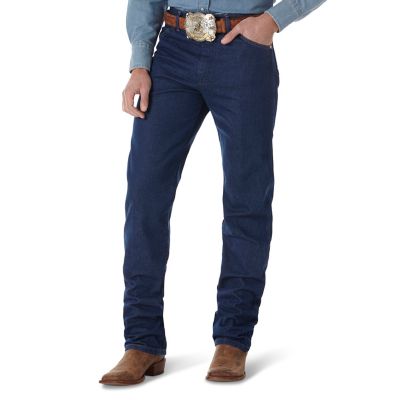
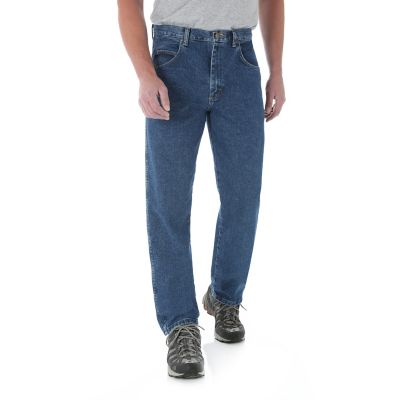
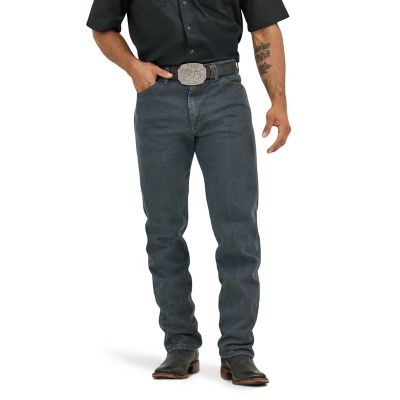
Rodeo outfits for outdoor fairgrounds bring Western style to a place where clothing needs to do more than look good in a picture. There’s the walk from the parking area, a stretch on the bleachers, a trip past the livestock barns, and maybe a little two-stepping after the arena events. Denim, Western shirts, boots, and hats fit that setting because they balance familiar ranch style with practical everyday wear. For spectators, a comfortable outfit leaves room to sit, bend, and walk without constant adjusting. Jeans should feel comfortable through the waist and seat when sitting down, not just when standing in front of a mirror. A straight or bootcut leg can fall neatly over a boot shaft, while a close-fitting leg creates a different shape and needs enough room at the opening to sit without bunching. The hem matters, too: fabric dragging through gravel or catching beneath a heel can turn a good-looking fit into a nuisance. Rigid denim has a firm feel and tends to soften with wear, while denim with stretch offers more give through the hips and knees. Cotton shirts feel familiar and easygoing; fabric blends may offer different amounts of stretch, wrinkle resistance, and shape retention. Snap fronts, pointed yokes, checks, embroidery, and contrast stitching each bring a different amount of Western detail. A boldly patterned shirt pairs easily with plain denim, while a simple shirt leaves more room for a noticeable buckle or hatband. Dresses and skirts can carry the same rodeo character, provided the cut allows a comfortable stride and enough coverage for climbing bleacher steps. For children, room to move through the shoulders, waist, and knees matters more than a perfectly matched outfit. Families taking pictures together can coordinate a few colors or denim shades without dressing every person alike. The result feels at home beside the arena rail rather than put on just for the camera.
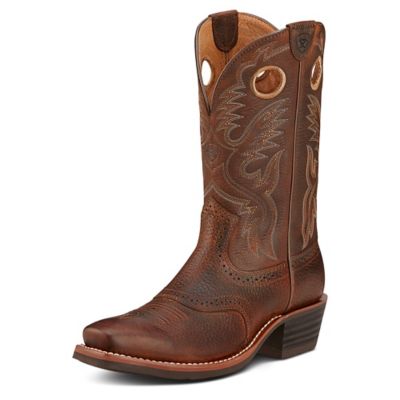
Footwear has a big say in how a fairgrounds outfit feels after several hours. Cowboy boots bring the familiar Western shape, but toe room, heel movement, arch feel, and the fit around the instep all deserve attention. A boot should hold the foot comfortably without pinching across the widest part, and a new pair may feel different once the leather begins to settle. Socks change that fit, so the thickness normally worn with boots belongs in the sizing decision. A broad toe shape may leave more room across the front of the foot, though the last and size matter more than the shape alone. Leather uppers offer a traditional look and can develop character with regular wear; synthetic materials have their own care needs and may feel different through the shaft and foot. Outsoles also vary, with tread patterns, heel shapes, and flexibility affecting the feel on gravel paths, packed dirt, and grandstand steps. Walking around the grounds and riding in an arena are different jobs, so spectator footwear should not be assumed suitable for stirrups. Riders need footwear and safety equipment appropriate to their activity and event requirements. Hats add another strong Western element, whether the look calls for felt, straw, a shaped brim, or a simpler profile. A comfortable hat rests securely without squeezing the forehead, and its brim should feel manageable in crowded seating. Belts work best when their width suits the belt loops and the buckle stays comfortable while sitting. A large buckle can be the centerpiece of an otherwise plain outfit, but a smaller one may feel easier against the waist during a long afternoon in the stands. Bags with secure closures help keep small belongings together while moving through the grounds. Smooth straps and a manageable size make it easier to settle into a seat without juggling belongings or crowding the next person.
Clothing construction and care make a difference long after the last rider leaves the arena. Reinforced stress points, even stitching, firmly attached snaps, and tidy seams are useful details to look for in pieces that will see repeated wear. A shirt that pulls across the back when reaching or jeans that strain at the pockets may need a different size or cut, even if the waistband seems right. The same goes for children’s clothing: extra length is helpful only when hems and sleeves stay clear of feet and hands. Care labels offer the right starting point for washing denim, cotton, stretch blends, and embellished fabrics, since those materials do not all respond the same way. Washing similar colors together, closing fasteners, and following drying directions can help clothing keep its shape and finish. Embroidery and stitched details deserve a little attention before laundering, especially if the care label calls for turning the garment inside out. Dust and grit should be brushed from boots before applying a leather care product suited to the material. Smooth leather, suede, and synthetic uppers call for different treatment, and soaking footwear or setting it beside strong direct heat can harm some materials. Hats hold their shape better when stored without crushing the crown or bending the brim beneath other belongings. Rodeo clothing can also make a thoughtful gift for someone who spends weekends around horses, enjoys county fair events, or simply likes Western dress. Familiar measurements, a preferred jean rise, and a favorite boot shape are more helpful than guessing from appearance alone. A belt or shirt in a color the recipient already wears can feel personal without requiring a head-to-toe change. A stop at a family cookout after the arena events calls for much the same easygoing mix of denim, boots, and Western details found in
Rodeo Outfit For Outdoor Parties. Pieces that work together comfortably can move between those settings without making the outfit feel overdone.