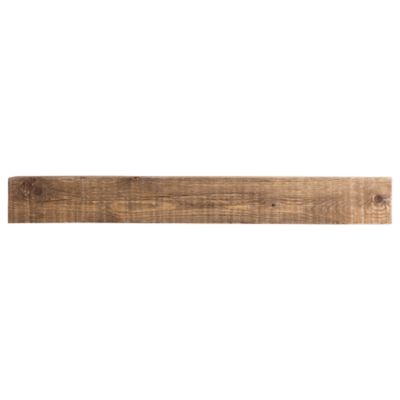
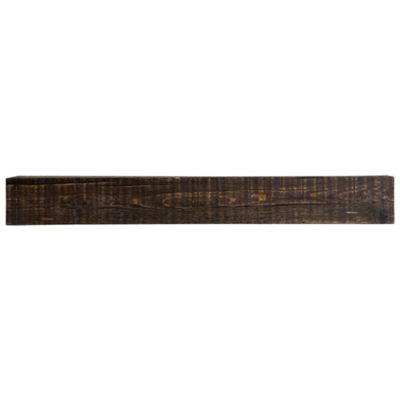
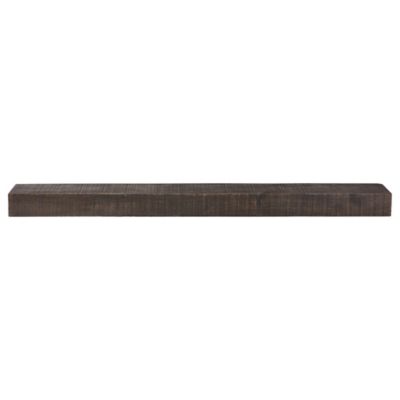
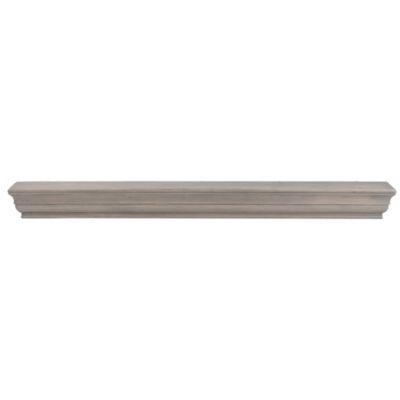
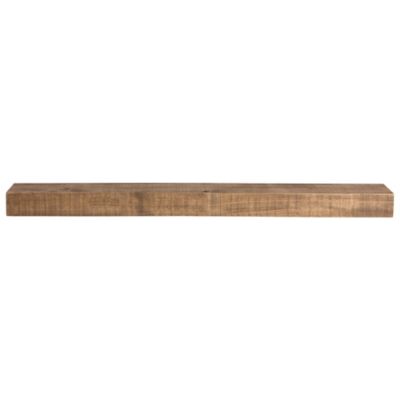
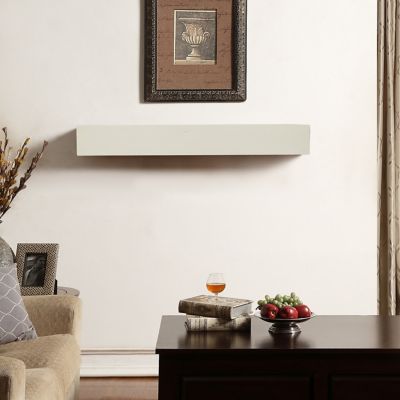
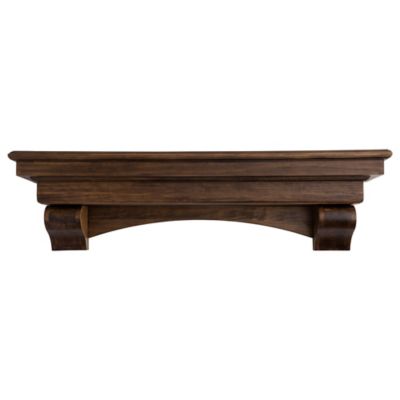
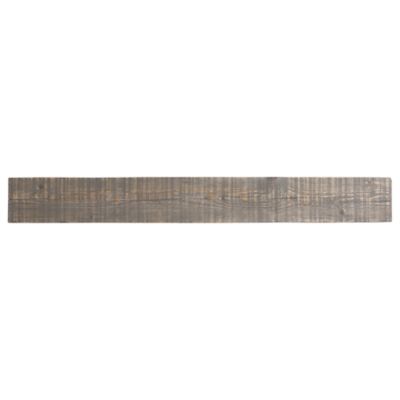
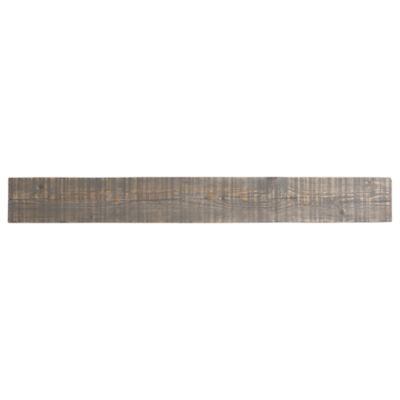
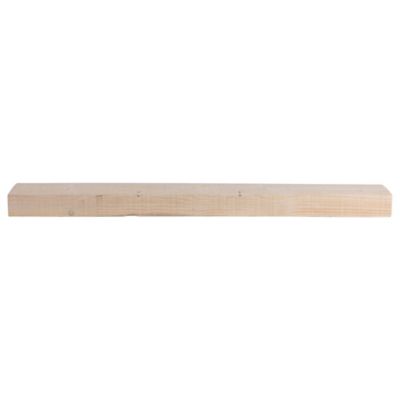
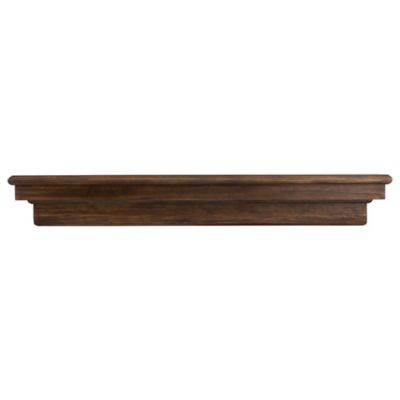
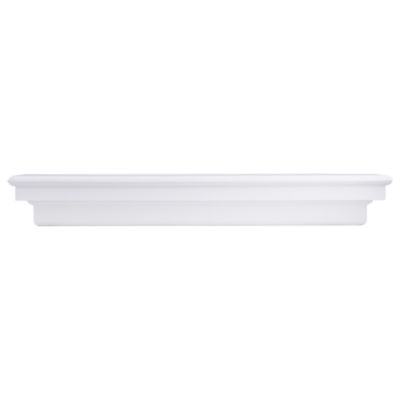
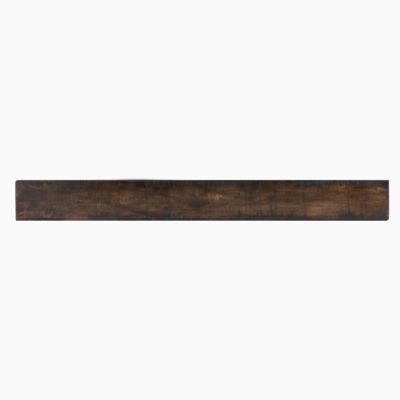
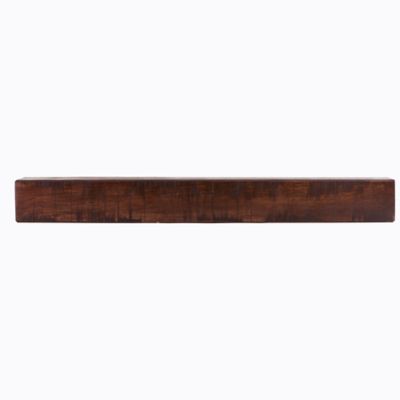
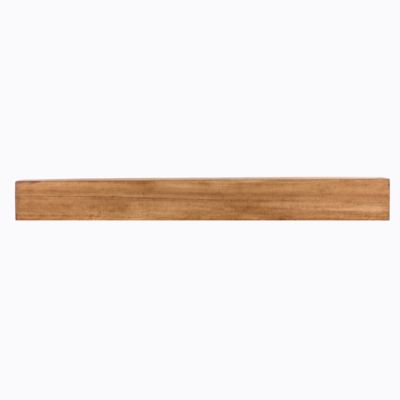
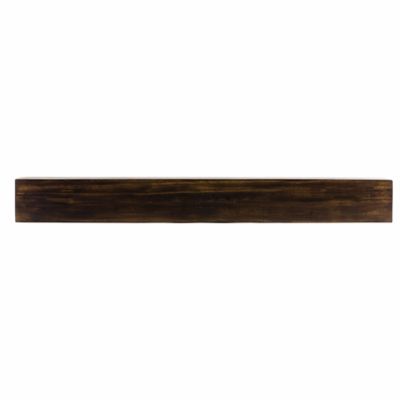
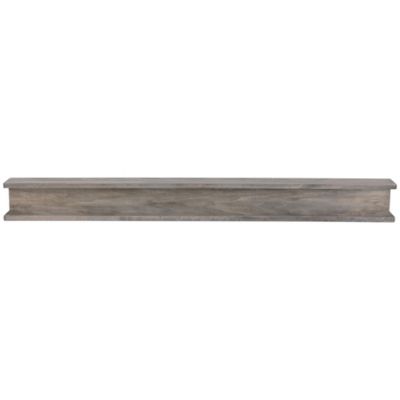
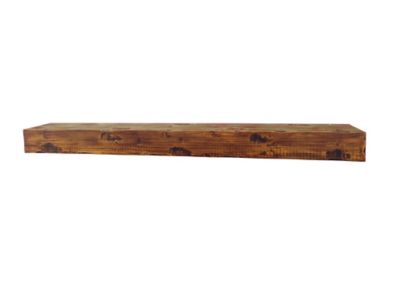
Solid wood mantel shelves bring real wood grain, a substantial profile, and useful display space to the wall above a fireplace. They can finish off a brick hearth, soften the look of stone, or give a plain fireplace surround a stronger presence without adding a full mantel frame. The wood species, surface texture, and finish all shape the result. Pine and spruce often show noticeable knots and grain patterns that suit a farmhouse living room or cabin. Alder can offer warm color and a more understated grain, while poplar often lends itself to painted finishes. Oak has a pronounced grain that can tie in with wood flooring, built-in cabinets, or a sturdy dining table nearby. Wood species also differ in hardness, so resistance to dents matters when the shelf will hold objects that get moved around often. Even within the same species, boards vary in color, knot placement, and grain direction; two shelves with the same stain may not look exactly alike. A clear finish lets those details take the lead, while darker stains create a stronger contrast against pale walls or light stone. Painted wood gives a different effect, with the shelf’s shape standing out more than its grain. Smooth surfaces suit a simpler room and are generally easier to dust, while rough-sawn faces and visible tool marks bring more texture. For a look that pairs naturally with fieldstone, exposed beams, and knotty wood furniture,
Rustic Fireplace Mantel Shelves offer a related direction to explore. Construction matters along with appearance: a single solid beam is different from a hollow shelf built from solid wood boards. Both can bring real wood into the room, but their weight, mounting method, and proportions may differ. Product descriptions should make the material and construction clear, especially when the shelf needs to coordinate with existing woodwork rather than simply stand out on its own.
The right fit depends on more than the width of the fireplace opening. Shelf length affects how the mantel sits against the whole surround, including any stonework, brickwork, trim, or nearby cabinets. A longer shelf can give a broad hearth a balanced look, while a shorter one may suit a narrow fireplace wall with less room on either side. Depth determines how much usable space sits on top and how far the shelf projects into the room. A deep mantel may accommodate larger picture frames or a clock, but that projection also matters beside a walkway or beneath a wall-mounted television. Shelf height, meaning the thickness of its front face, changes the visual weight: a thick beam looks substantial over rugged masonry, while a slimmer profile keeps a small room from feeling crowded. Measuring the intended display pieces helps make sense of those proportions. A frame with a wide support leg needs more depth than a small upright object, and a shelf that looks roomy from the front may have less practical space once everything is arranged. Above an operating fireplace, fit also includes fire safety. Wood is combustible, and required clearances depend on the fireplace, its opening, the mantel projection, and applicable local rules. The fireplace manufacturer’s instructions and local building requirements take priority over appearance; there is no single clearance measurement that fits every installation. Support deserves the same attention. A mantel’s weight limit depends on its construction, mounting hardware, wall structure, and installation, not just its size or wood species. Wall studs or appropriate structural masonry provide a different attachment point than drywall alone or a thin stone facing. A mounting board, concealed bracket, or visible support must suit the shelf and the wall behind it. Uneven brick and stone can complicate that fit, making an experienced installer helpful. The stated load rating should guide the display, and a mantel shelf should never serve as a seat, step, or climbing surface.
Once in place, a solid wood mantel shelf can hold the things that make a house feel lived in: family photographs, a favorite clock, a framed cattle-brand print, or a small piece of pottery picked up on a road trip. A few well-spaced pieces often show off the grain better than a crowded row of objects, especially on a shelf with bold knots or a rough-cut front edge. Taller pieces need enough room below anything mounted above the mantel, and heavy objects belong only where the shelf’s stated capacity and mounting arrangement allow. Breakable keepsakes are better kept away from edges, and tempting objects deserve another spot if children or pets might try to reach them. Open flames from candles introduce another hazard near wood; flameless candles offer a similar glow without placing a flame on the shelf. Care is usually straightforward, but the finish determines what belongs on the surface. Regular dusting with a soft cloth helps keep grit from scratching smoother finishes, while textured wood may need gentle attention around grooves and knots. For cleaning beyond dusting, follow the finish manufacturer’s directions, avoid soaking the wood, and dry any permitted damp cleaning promptly. Water rings, wet plant pots, and spills can leave marks, so trays or suitable protective pads make sense beneath moisture-prone objects. Felt pads beneath picture frames and pottery can also reduce scuffs when displays move around. Natural wood can expand and contract with changes in indoor humidity, and long-term performance depends on suitable placement, sound mounting, and care that matches the finish. A mantel shelf can be a thoughtful housewarming or wedding gift for someone settling into a farmhouse, ranch house, or cabin, provided the wall measurements, preferred finish, and installation needs are settled first. For a homeowner updating an established room, matching every wood surface is not necessary; a shared color undertone or similar grain character can help a new shelf feel at home alongside familiar furniture.