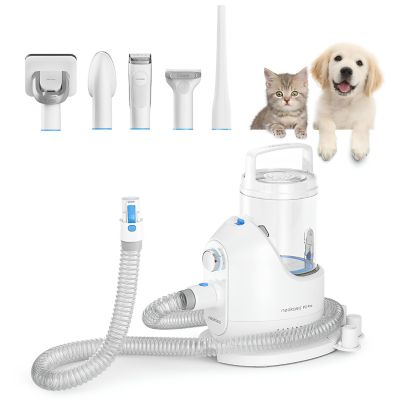
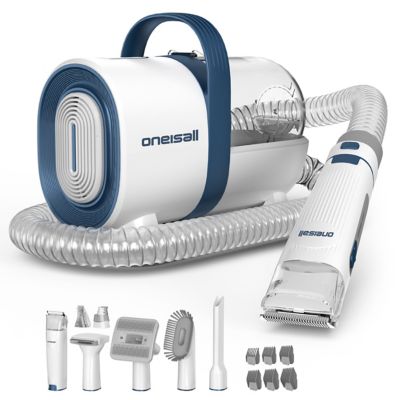
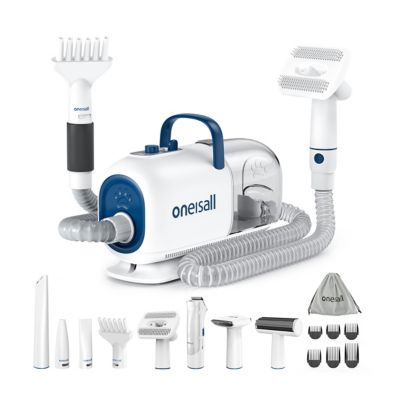
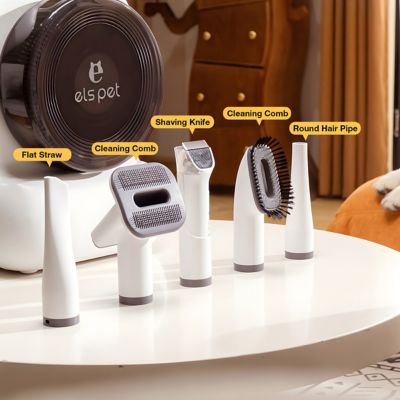
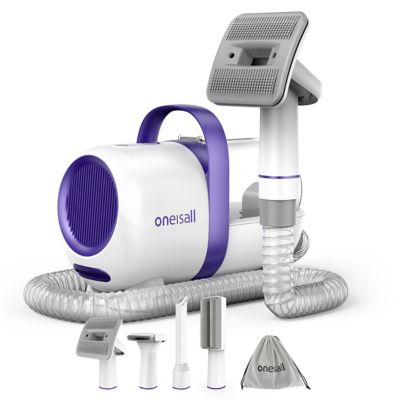
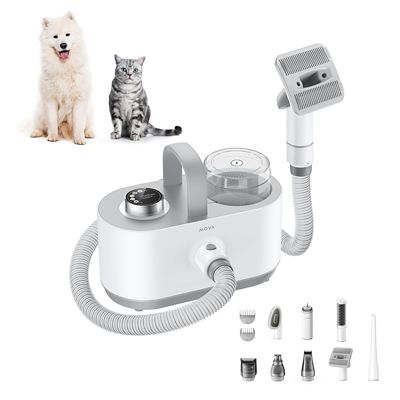
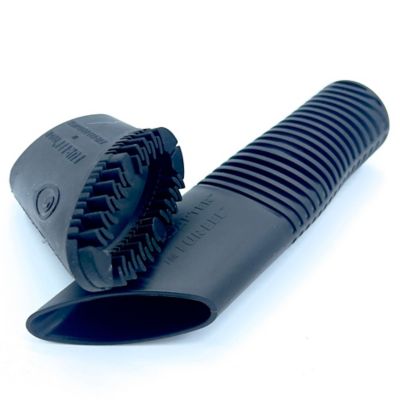
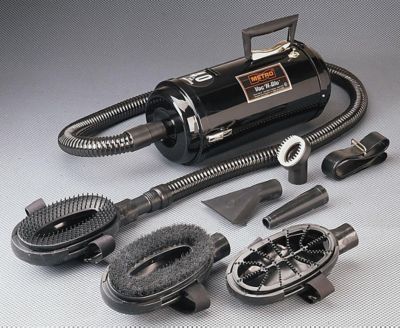
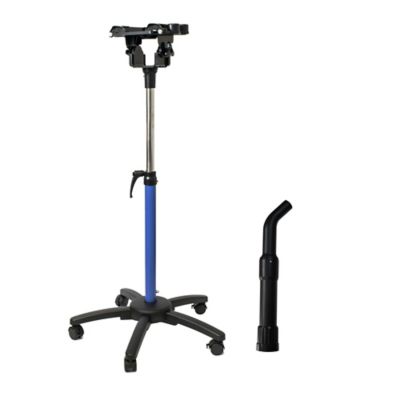
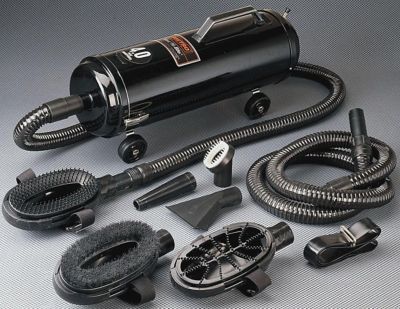
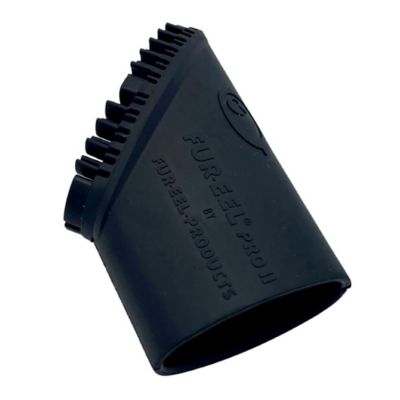
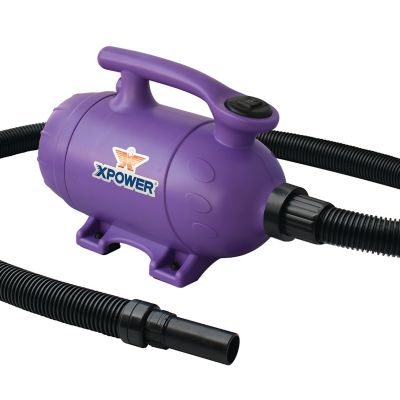
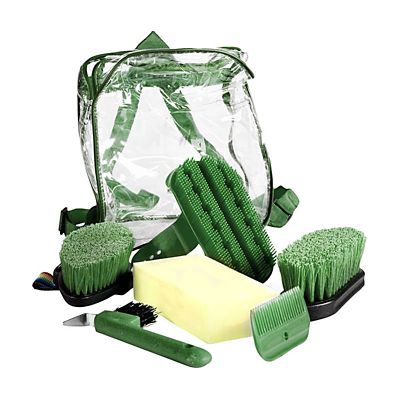
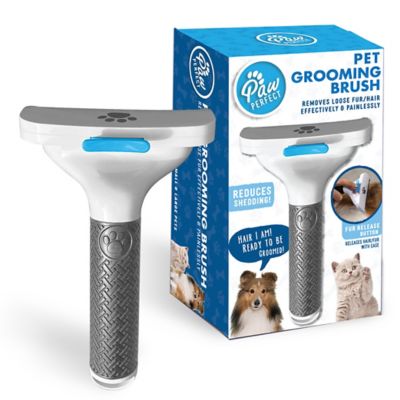
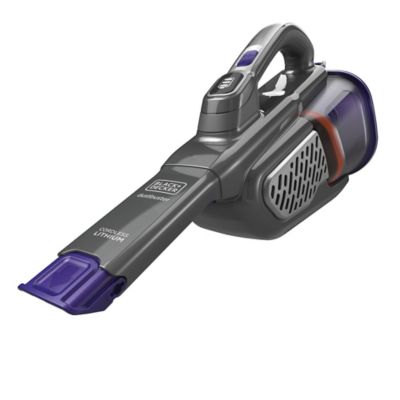
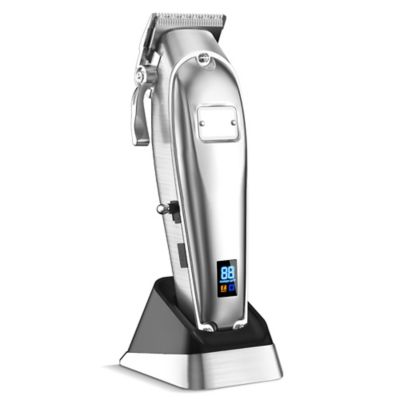
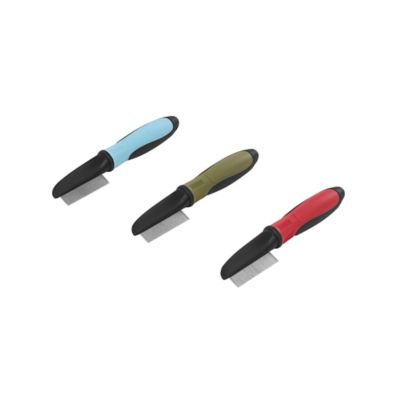
Pet grooming vacuum kits bring brushing and loose-hair pickup together, helping keep the fur that comes off a pet from spreading across the floor, couch, and chore clothes. Instead of leaving a pile beside the grooming spot, these systems draw hair through an attachment and hose into a collection canister. That setup can make a difference in a house with a thick-coated farm dog, a pair of steady shedders, or a pet that leaves a little evidence on every cushion. Kit contents vary, but common attachments include grooming brushes, shedding tools, combs, and nozzles for gathering stray hair after a session. Some systems also pair suction with electric clippers, bringing trimmed hair toward the collection chamber as the blades work. Those functions serve different purposes: brushing lifts loose coat, while clipping changes coat length and calls for closer attention to the animal’s coat type and skin. A short, smooth coat has different needs from a long coat with feathering around the legs, and a dense undercoat needs a tool that reaches loose hair without scraping the skin. Brush shape, tooth spacing, and the amount of pressure needed all affect how comfortable a grooming session feels. Rounded contact points and a handle that sits comfortably in the hand are worth a look, especially when a broad-backed dog takes more than a few passes. For kits with clipper attachments, guard lengths help control the finished length, but clipping is not appropriate for every coat. A groomer or veterinarian can help sort out coat-specific concerns, particularly with double-coated breeds, sensitive skin, or tight mats. These kits are generally meant for routine coat upkeep rather than treating skin trouble or removing severe tangles. Their main appeal is practical: less loose fur drifting around the grooming area and a way to collect hair while giving a pet regular attention. For households that already brush often, having collection built into the task can make cleanup feel like less of a separate chore.
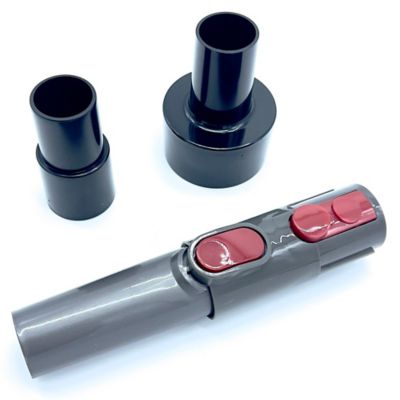
The best fit for a household comes down to the pet’s comfort as much as the machine’s features. A vacuum motor introduces sound and airflow, and some animals take to that more easily than others. Adjustable suction can offer flexibility, though the setting still needs to suit the attachment and the pet. Published sound information, when provided, is helpful context, but the pitch of a motor and its distance from the animal also matter. A longer hose may let the main unit sit farther from the grooming spot, while enough flexibility keeps the hose from tugging at the handler’s wrist. At the same time, extra hose needs somewhere to go when the job is done. Cord reach, machine weight, and the space needed around the canister all count in a small utility room or a corner near the dog’s bed. A stable base helps keep the unit settled when a pet shifts position, and a secure hose connection helps prevent interruptions. Construction details matter here, too. Molded housings can keep a unit manageable to carry, while metal comb teeth and clipper blades need smooth edges and proper care. Plastic attachment tabs, latches, and hose fittings should connect firmly without requiring a wrestling match. Canister size deserves attention in a home with several pets or one dog that sheds heavily, since a smaller chamber may need emptying before the brushing is finished. A visible fill area makes the collected hair easier to monitor. Filters also play a part in airflow and upkeep, with replacement requirements and cleaning methods varying by system. Clip-on tools should match the unit they are designed for; a hose opening that looks close in size does not guarantee a proper connection. Where clippers are included, comfortable grip placement and reachable controls can matter as much as the number of attachments. A well-matched setup lets the handler keep a steady hand without stretching across the pet or balancing equipment on the edge of a chair.
Regular care helps a pet grooming vacuum kit stay ready for the next round of brushing. Loose hair packed into a canister, tangled around a brush, or caught at a hose bend can interfere with airflow, so easy access to those areas is a practical feature. Removable collection chambers and straightforward latches make the cleanup side less fussy, especially when the hair comes out in a thick clump. Filter care follows the manufacturer’s directions: some filters allow washing and require complete drying before installation, while others call for a different cleaning method or replacement. Motor housings and electrical connections need protection from water, and a grooming vacuum should not be treated as a wet pickup machine unless its instructions specifically permit that use. Clipper attachments have their own care needs, including clearing trapped hair and applying blade oil when directed. A blade that becomes hot is a reason to stop and let it cool, not press ahead to finish one more leg. Between sessions, keeping guards, brushes, and small fittings together saves time and helps prevent bent teeth or missing pieces. Covered storage also keeps loose pet hair from settling back into freshly cleaned attachments. For the animal, a steady routine often matters more than a long session. Brief, calm introductions to the equipment, a secure nonslip surface, and breaks when a pet becomes uneasy help keep grooming manageable. Cats and noise-sensitive dogs may need a different approach, and not every kit is intended for every animal. Beyond hair collection, coat care may still call for bathing supplies, combs, and other
Pet Grooming Products suited to the pet’s needs. A vacuum kit complements that routine rather than replacing every other grooming task. It can also make a thoughtful gift for a pet owner who enjoys handling regular brushing at home, provided the equipment suits the animal and there is room to store it. The useful details are the ones that make repeat sessions easier: comfortable tools, manageable cleanup, and a setup that fits everyday life with pets.