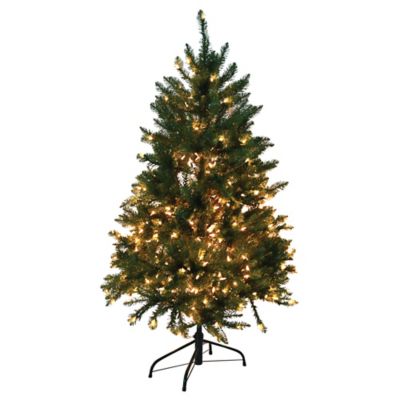
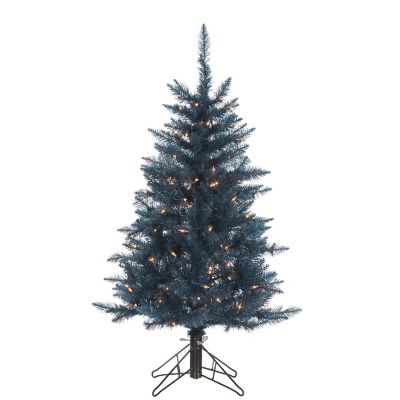
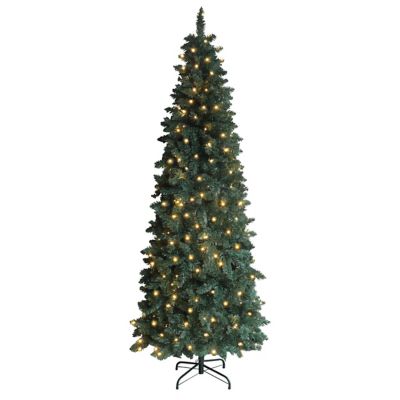
Pre-lit tinsel trees are artificial Christmas trees with reflective, metallic-look branches and lights already arranged throughout the tree. The tinsel catches the glow from the bulbs, giving the branches a bright, shimmering appearance even with just a few ornaments. Unlike artificial trees made to resemble pine or fir, tinsel trees put their shine front and center, making them a cheerful choice for Christmas displays with a little extra sparkle. Their look can range from silvery branches with clear lights to colorful finishes paired with multicolored bulbs. A silver tree can pick up nearby reds and greens, while a gold finish adds a warmer glow beside wood furniture or a stone fireplace, with proper clearance from heat. Smaller trees fit naturally on sturdy entry tables, kitchen counters, and wide shelves; taller versions can serve as the main Christmas tree in a living room or gathering space. For a compact display,
Tabletop Pre Lit Christmas Trees bring the lighted-tree look to spots where a floor-standing tree would take up too much room. Height is only part of the fit, though. The widest point of the branches, the stand’s footprint, and any topper all count toward the space a tree needs. A narrow profile can tuck beside a dining room hutch without crowding the walkway, while a fuller outline has more presence in an open corner. On a tabletop, enough room around the base helps keep branches away from serving dishes, curtains, and the edge of the surface. That matters in a busy farmhouse kitchen, where a holiday display may share space with supper preparations and family coming through the door. A good fit leaves room for everyday life, whether that means pulling out dining chairs, opening cabinet doors, or getting past the tree with an armload of presents. The tree’s shape and finish can carry much of the display on their own, so a smaller footprint does not have to mean a bare-looking corner.
The shine on a tinsel tree generally comes from thin, reflective strands attached to branch supports, with a central pole or frame holding the tree’s shape. Materials and construction vary, and those differences affect how the branches spread, how much shaping they need, and how the tree packs away. Some designs have a more open outline that lets the lights show clearly between branches; others have a fuller covering of tinsel for a dense, gleaming look. A steady stand and secure connections help keep the display upright, especially in rooms where children or pets spend time. Reflective strands can catch on sharp edges or snag during handling, so gentle shaping helps preserve their appearance from one Christmas to the next. Built-in lighting saves the work of winding a separate light string around the branches, although the cord still needs a sensible route to a suitable outlet. Warm white lights create a softer glow alongside wood tones and simple ornaments, while cool white lights can make silver branches look crisp and bright. Multicolored lights bring a playful feel that works well in a family room or a child’s Christmas corner. LED and incandescent lighting have different power needs and light characteristics, so the label matters more than appearance alone. Lighting modes, timers, and bulb serviceability also vary by design; those features are worth considering when a tree will be switched on each evening or placed somewhere less convenient to reach. Indoor and outdoor ratings are another important distinction. A tree intended for indoor display does not belong on an exposed porch just because its branches look metallic. The location needs to match the tree’s electrical rating, with cords protected from foot traffic and connections kept as directed by the manufacturer. Even indoors, space away from a woodstove, fireplace, heater, and open flame is part of a sensible Christmas setup.
Tinsel branches already have plenty of visual texture, so ornaments tend to stand out best when they complement the tree rather than cover every inch. Lightweight baubles, ribbon, small bows, and felt ornaments can add color without asking slender branches to carry heavy pieces. A few red ornaments on silver tinsel can feel right at home beside plaid stockings, while white ornaments and warm lights make a quieter display for a bedroom or sitting room. Family keepsakes can share the branches, provided their weight suits the supports and their hooks do not pull at the strands. A topper needs the same consideration: a small, light star may sit more comfortably than a heavy piece that bends the upper stem. For households that put up a full-size tree elsewhere, a tinsel tree can mark another gathering spot, such as a breakfast nook, enclosed sunroom, or entry table where Christmas cards collect. It can also make a thoughtful gift for someone setting up a first apartment, a relative who prefers a smaller holiday display, or a host who enjoys adding a little sparkle near the dining table. Storage space, lifting needs, and access to an outlet all help determine whether that gift will fit their home. After the celebrations, careful packing helps protect both the finish and the lighting. The tree should be unplugged before handling or cleaning, with care following its instructions rather than assuming every tinsel material can tolerate water or cleaning sprays. Gentle dust removal is often a better fit for delicate reflective strands. Dry storage, loosely protected branches, and cords kept from being pinched help the tree hold its shape between displays. A container with enough room for the frame and stand also means less crushing and tangling when Christmas comes around again. With a suitable spot and a little care, a pre-lit tinsel tree brings a bright, festive touch without needing a roomful of ornaments.