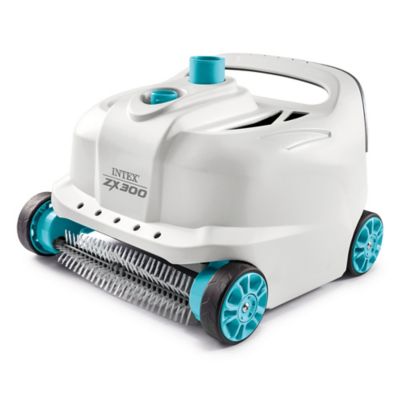
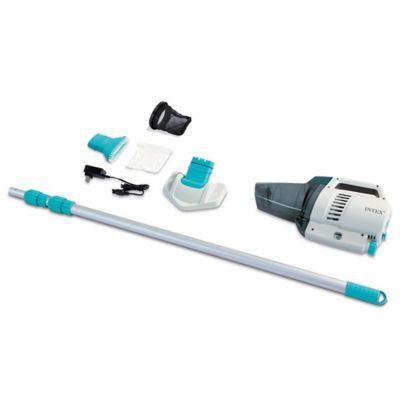
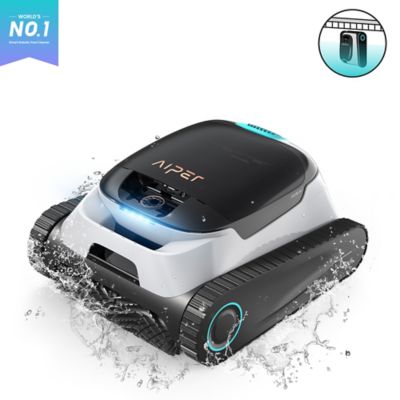
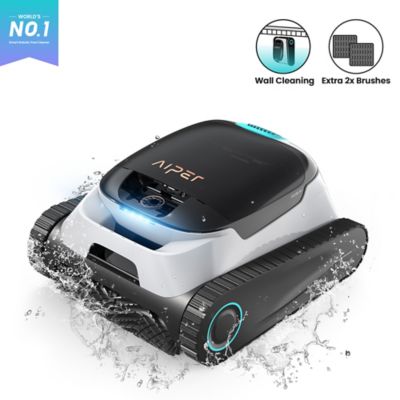
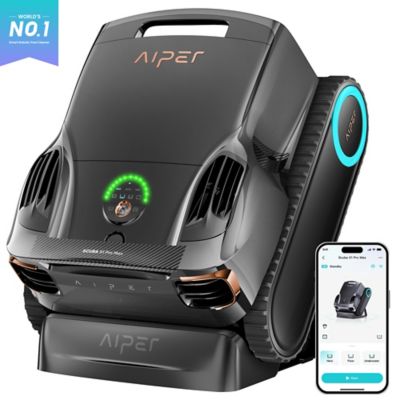
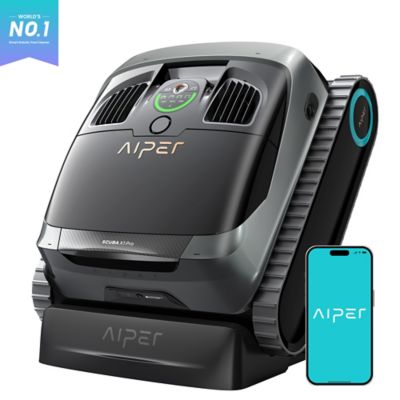
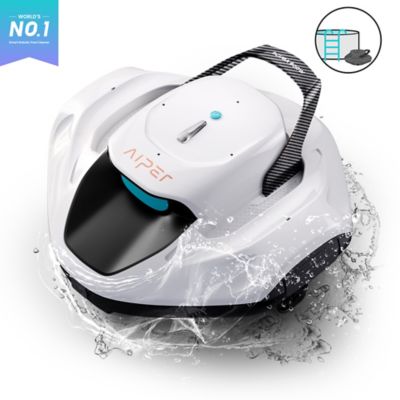
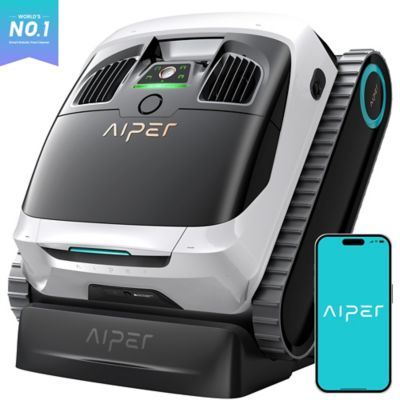
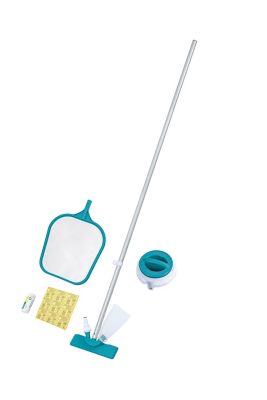
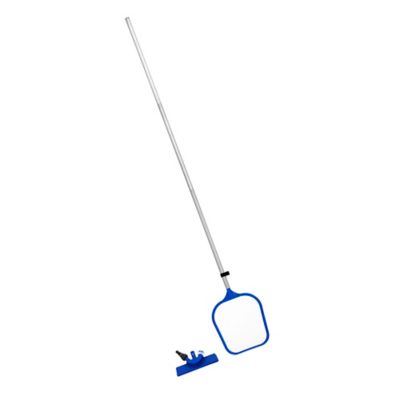
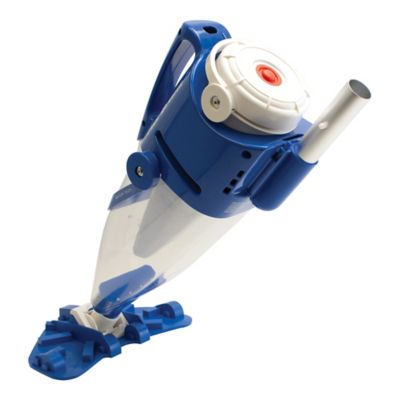
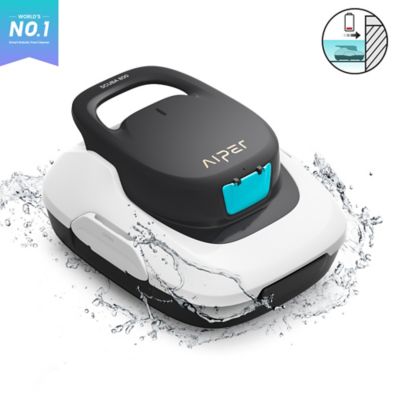
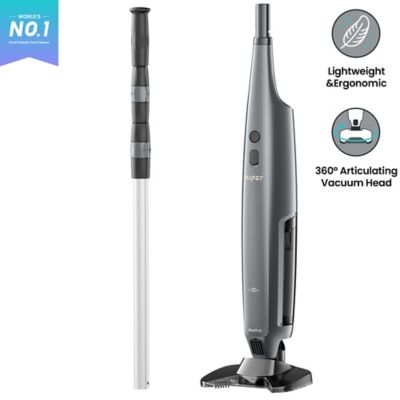
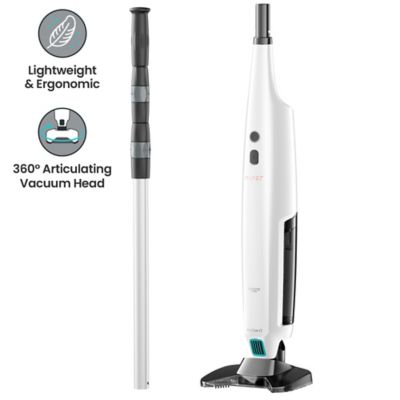
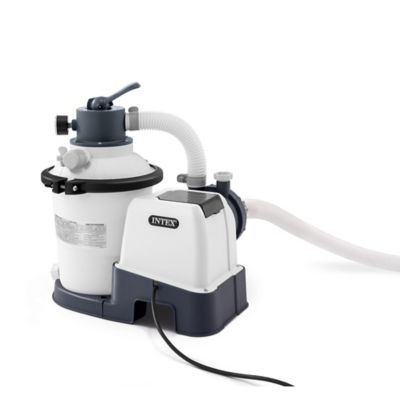
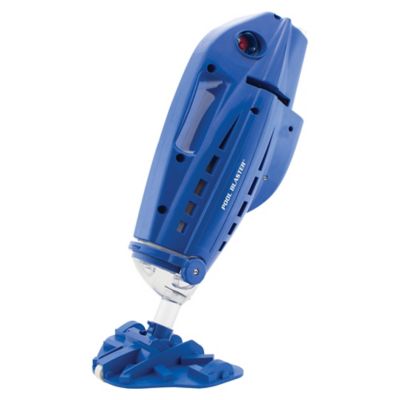
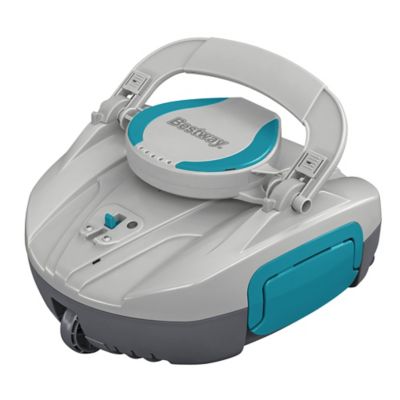
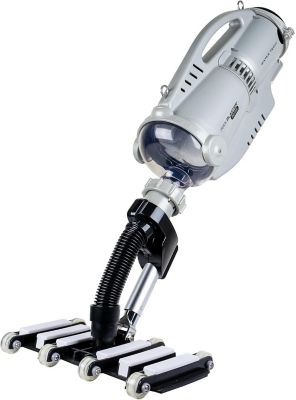
Swimming pool maintenance kits bring together the basic tools for removing floating debris, brushing pool surfaces and collecting dirt from the bottom. Common components include a skimmer net, telescoping pole, wall brush and vacuum head, while some sets also include a vacuum hose or water-testing supplies. The contents vary, so the right fit depends on the pool’s size, surface material and filtration setup, along with the tools already on hand. A small above-ground pool beside the house has different cleaning needs than a deep in-ground pool with steps, corners and a broad floor. Both benefit from tools that reach where debris collects without making every chore a wrestling match. Grass clippings, insects and leaves can gather on the surface, while tracked-in grit settles along the bottom and around entry steps. A net handles the floating material, a brush loosens buildup and a compatible vacuum collects settled debris. These tools support routine cleaning, but they do not replace filtration, water testing or proper sanitizer levels. For homeowners, families and anyone responsible for a backyard pool, a coordinated set can make regular upkeep easier to manage than a collection of mismatched attachments. Pool shape matters, too: rounded corners, narrow steps and sloped floors can call for different brush profiles or vacuum-head designs. Reach is another consideration, especially when cleaning from a deck or coping rather than stepping into the water. A pole should extend far enough for the areas being cleaned while remaining manageable at its working length. Longer reach is helpful, but an oversized setup can feel awkward around a compact pool. Swimming pool maintenance kits are most useful when their parts work together and match the pool, not simply when the set has the most pieces. A clear look at included components helps distinguish a basic debris-cleaning set from one that also supports vacuuming or water checks.
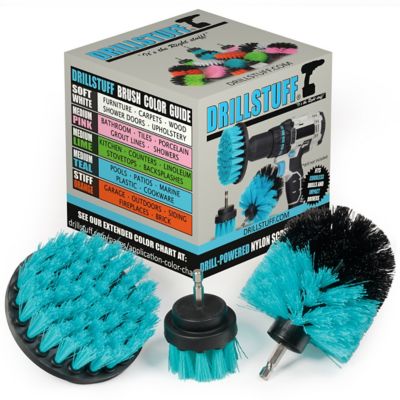
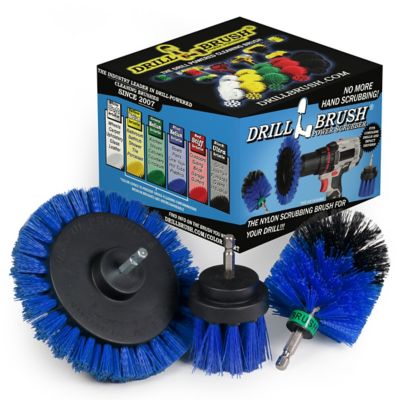
Materials and attachment details make a real difference in how pool-cleaning tools handle everyday work. Aluminum poles offer relatively light handling, while locking collars, grips and attachment buttons affect how securely the pole holds its length and connects to a net, brush or vacuum head. The connection style and dimensions need to match; similar-looking parts do not always fit together. Nets with fine mesh collect smaller floating particles, while deeper leaf-rake bags hold more debris before needing to be emptied. A shallow skimmer net is easier to sweep across the surface, and a deeper bag is better suited to gathering larger amounts of leaves. Reinforced frames and securely attached mesh help a net hold its shape under a load, though pool tools are not meant for lifting heavy objects. Brush selection deserves close attention because the wrong bristles can scratch or damage a pool surface. Nylon bristles are generally suitable for many vinyl and fiberglass applications, while metal-bristle brushes should be limited to surfaces approved by the brush and pool manufacturers. Curved brush ends can help reach wall-to-floor transitions, and narrower brush shapes can fit steps or tight corners. Vacuum heads also differ in their intended surfaces and handling. Some designs rely on brushes to move across a liner, while others have wheels and weighting suited to particular hard-surface pools. Hose diameter, connection size and length need to match the vacuum equipment and pool layout. Enough hose allows the head to reach the far side, but unnecessary length adds handling work and can interfere with smooth movement. Suction-based attachments must also be compatible with the filtration system’s connections and operating requirements. Certain small-pool vacuum designs connect to a garden hose instead, making the water source another detail worth checking. Those differences matter when comparing swimming pool maintenance kits for above-ground and in-ground pools. The pool’s label alone does not settle compatibility; its liner or finish, fittings and equipment determine which tools belong in the set.
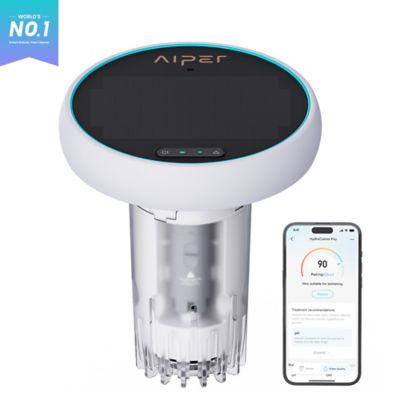
Care and storage influence how long a swimming pool maintenance kit stays ready for the next round of cleaning. Plastic frames, mesh bags, bristles and hose fittings all benefit from rinsing away pool-water residue and trapped dirt according to their care directions. A storage spot that lets attachments drain and keeps bristles from being crushed helps preserve their shape. Hoses need room to rest without tight bends, and poles are easier to handle when the locking mechanisms stay clean and free of grit. Replaceable nets, brush heads or connection pieces can be helpful when one part wears out before the rest of the set. For a pool near a gravel drive or a yard with plenty of trees, access to both surface-cleaning and bottom-cleaning tools can matter more than extra attachments with little purpose. A household with frequent swimmers may also appreciate tools that are comfortable to carry, quick to connect and easy to put away. Water-testing supplies, when included, serve a separate role from the cleaning attachments. Depending on the test, they may measure sanitizer levels, pH, total alkalinity or other aspects of water balance; not every strip or test kit measures the same things. Clear-looking water alone does not establish that those levels are appropriate. Testing supplies need storage that follows their label directions, and water-treatment products should remain in their original containers, away from children and pets. Pool tools also belong out of walkways, where a long pole or loose hose can become a tripping hazard. For properties with backup power equipment,
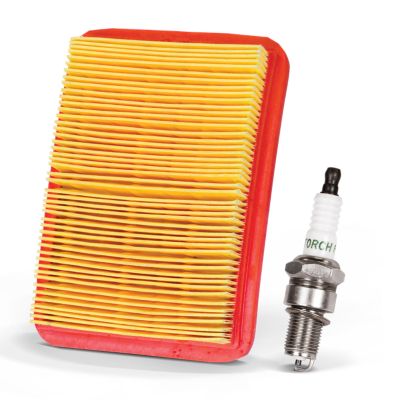
Generator Maintenance Kits support a separate upkeep task, with engine-care supplies kept apart from pool tools and water-treatment products. Keeping each set organized cuts down on rummaging when there is work to do. For pool care, the most practical kit is one with compatible connections, surface-appropriate attachments and enough reach to handle the pool comfortably.