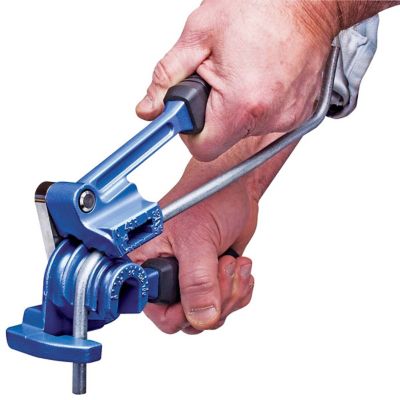
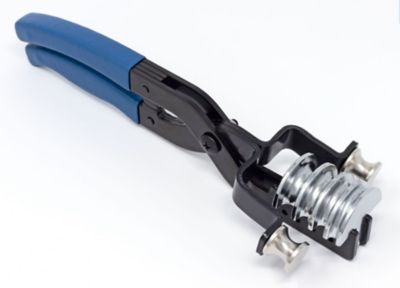
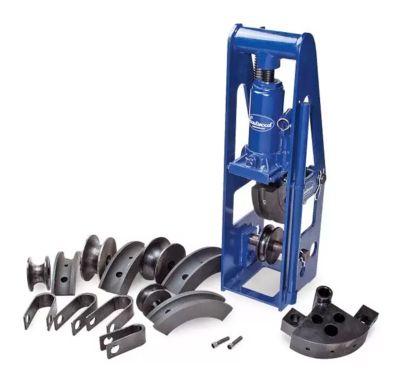
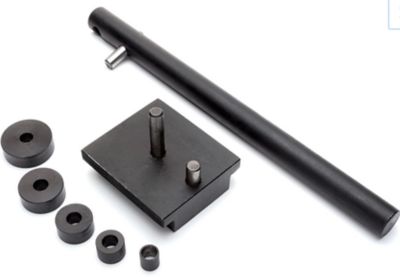
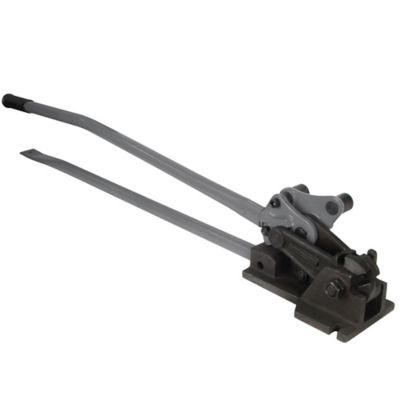
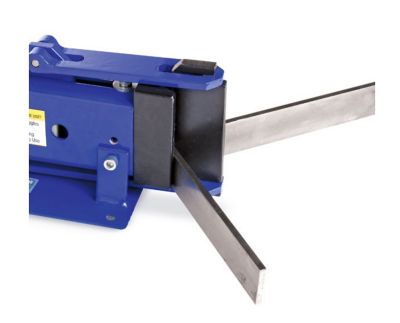
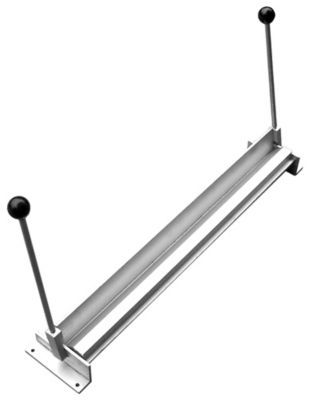
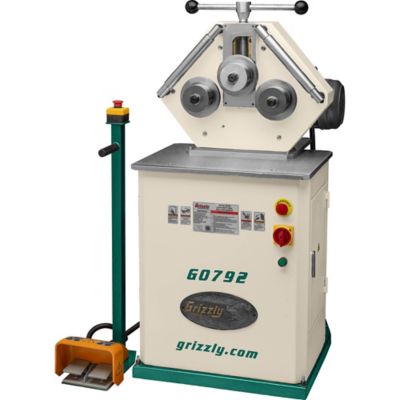
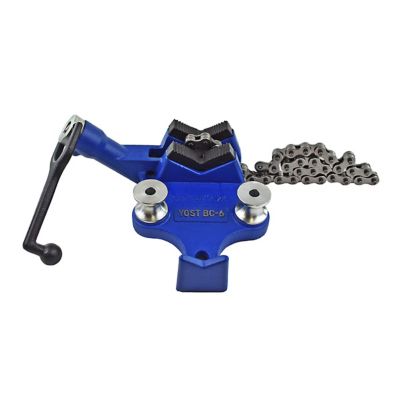
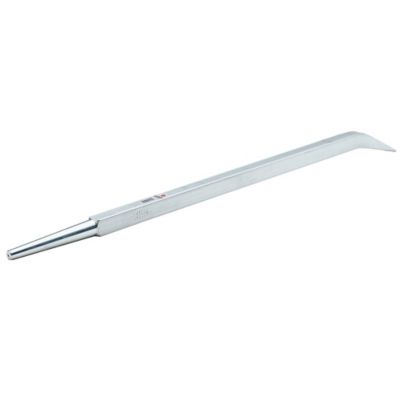
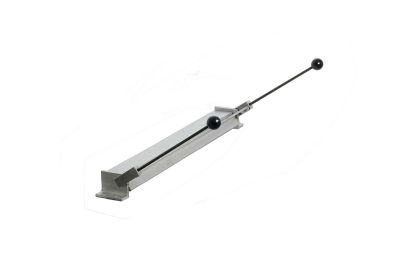
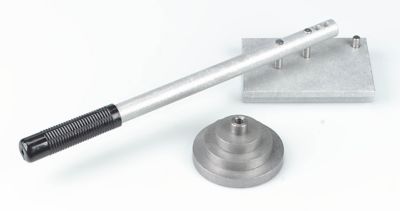
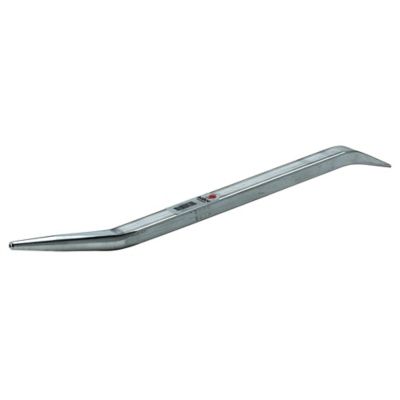
Pipe benders help make clean, controlled bends in conduit, tubing and compatible pipe without relying on guesswork, a vise and a pile of kinks. They’re useful on farms, in workshops, garages, job sites and around the house whenever a straight length of material needs to follow a wall, clear a post, turn a corner or fit neatly into an existing setup. An electrician may use a bender to route conduit along a barn wall or through a shop, while a plumber, fabricator or maintenance hand may need one for tubing and other pipe projects. They can also come in handy for building gates, livestock equipment, handrails, utility frames and custom brackets where a smooth bend gives the finished work a cleaner look and better strength. When comparing pipe benders, start with the material you plan to bend and check that the tool is made for it. Steel, stainless steel, copper, aluminum and different types of conduit each respond differently to pressure, so the correct bender and forming shoe help prevent flattened sides, sharp creases and out-of-round pipe. Pay close attention to the size range, since a tool designed for smaller conduit may not handle heavier pipe, and a large-duty model may be more tool than needed for occasional repairs. Bend capacity, minimum bend radius, angle markings and the ability to make repeatable bends all matter when several pieces need to match. A clear degree scale can save time when laying out offsets or making a series of turns, especially when you’re working in a crowded space where trial and error wastes material. Manual benders are often a practical choice for light-duty work, service calls and projects where portability matters. Ratcheting, hydraulic or powered designs may be a better fit for thicker material, frequent use or larger jobs that would wear out an arm before the work is done. Look for sturdy handles, durable contact points and a shape that feels balanced in your hands. If the bender will ride in a truck or be carried between buildings, consider its weight and how easily it can be stored with the rest of your tools. A compact tool that is ready when a fence-line repair or wiring project pops up can be more useful than a heavier option that stays buried in the back of the shop.
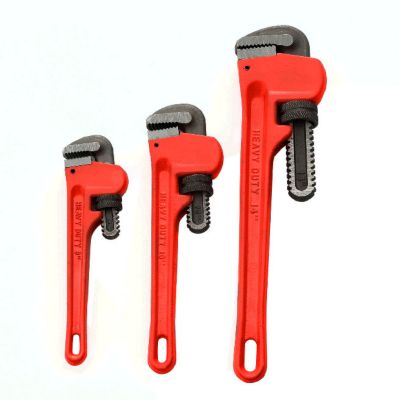
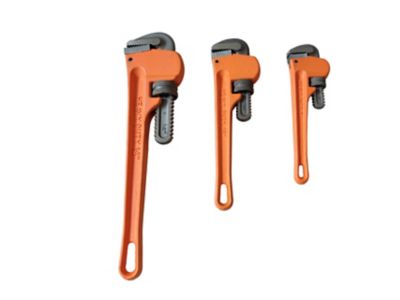
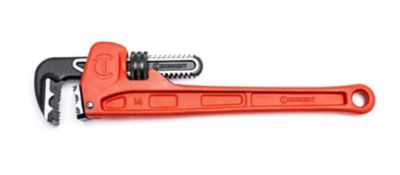
Good results begin before the first bend. Measure twice, mark the pipe clearly and allow for the tool’s take-up or bend allowance so the finished piece reaches the right location. Even a simple offset can turn out short if the starting mark is placed without accounting for the bender’s geometry. Keep the material supported and work on a firm, level surface whenever possible. Make sure the pipe sits fully in the shoe or forming area, then apply steady pressure instead of jerking the handle; slow, even force helps the bend follow the intended curve. Check the angle as you go, since trying to correct an over-bend can leave a weak spot or a shape that no longer fits. For repeated work, a sample piece is worth making first. It gives you a chance to confirm the measurements before cutting several lengths of expensive tubing or conduit. Wear eye protection and work gloves, keep fingers clear of pinch points, and use proper support when handling long pieces that can swing or shift. During the cooler months, a dependable pipe bender can be especially handy for finishing indoor shop projects, repairing equipment before a busy season or organizing exposed utility runs in a barn or outbuilding. It also makes a thoughtful gift for a hands-on homeowner, apprentice, maintenance worker or weekend fabricator who enjoys keeping a well-stocked tool chest, particularly when paired with measuring tools, deburring supplies and storage that keeps small parts from wandering across the workbench. Pipe benders handle shaping and forming; when a project also calls for gripping, loosening or tightening threaded plumbing connections, a set of
Plumbing Pipe Wrenches can round out the setup. Whether you’re routing conduit along a workshop, fitting tubing on equipment or building a one-off project from the materials on hand, choosing a bender that matches the pipe, the bend radius and the amount of work ahead helps produce dependable results with less scrap and a whole lot less frustration.